
What Are Common Pests That Affect Calathea Plants?
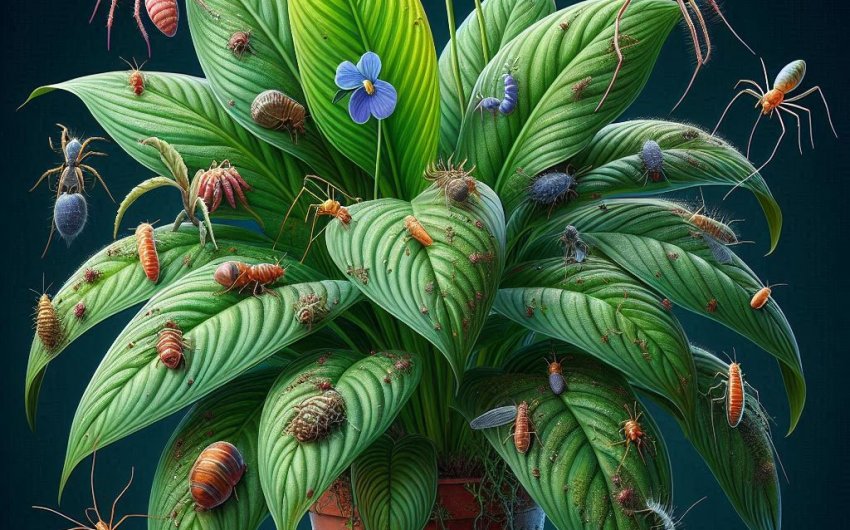
Calathea plants, with their stunningly intricate leaf patterns and vibrant colors, are true gems in the houseplant world. Often called "prayer plants" because their leaves fold up at night and unfurl in the morning, they add a unique, dynamic beauty to any indoor space. While their visual appeal is undeniable, Calatheas also have a reputation for being a bit particular, demanding precise care to thrive. One of the biggest challenges for Calathea owners is dealing with common pests. These unwelcome guests can quickly diminish the beauty of those exquisite leaves and seriously compromise your plant's health if left unchecked. Understanding which pests commonly target Calatheas, recognizing the signs of their presence, and knowing how to effectively control them are crucial steps in keeping your beloved plant lush and vibrant.
Why Are Calatheas So Susceptible to Pests?
Calatheas, beautiful as they are, often seem to be magnets for certain pests. This isn't just bad luck; it's often due to their specific care requirements and the environment they prefer.
1. High Humidity Lovers
Calatheas originate from the tropical rainforests of South America, where humidity levels are consistently high. They absolutely thrive in environments with 60% humidity or more.
- The Problem: Most indoor home environments, especially during winter with heating systems or in dry climates, have much lower humidity (often 20-40%). This dry air creates an ideal breeding ground for some of the most common and damaging Calathea pests, particularly spider mites.
2. Preference for Consistent Moisture (But Not Soggy)
Calatheas like their soil consistently moist but never soggy.
- The Problem: If they are allowed to dry out too much, the plant becomes stressed and weaker, making it more vulnerable to pest attacks. Stressed plants emit signals that can actually attract pests.
3. Delicate Leaf Structure
Their beautiful, thin leaves, while stunning, can be a prime target for sap-sucking pests.
- Easy Access: The relatively soft, tender leaves provide easy access for pests to pierce and extract sap.
- Visible Damage: The damage caused by pests, such as stippling or discoloration, is often very noticeable on their patterned leaves.
4. Low Light Tolerance
Many Calathea varieties prefer medium to low indirect light.
- The Problem: Lower light conditions can sometimes lead to reduced airflow and slightly cooler temperatures, which, if combined with other factors, can create environments certain pests prefer.
Understanding these sensitivities helps in both prevention and treatment. Providing the right environment is your first line of defense.
Common Pests That Affect Calathea Plants
Let's break down the most frequent and problematic pests you might encounter on your Calathea, along with their tell-tale signs and how to spot them.
1. Spider Mites (Tetranychus urticae)
Danger Level: HIGH (Most Common and Troublesome)
- Description: These are the most common and dreaded pests for Calatheas. They are tiny arachnids (not insects), barely visible to the naked eye, often reddish-brown or green. They thrive in low humidity and warm temperatures.
- Where to find them: Primarily on the underside of the leaves, especially along the veins. In severe infestations, you'll see them all over the plant.
- Signs of Infestation:
- Stippling: Tiny, pin-prick sized yellow or white dots on the leaves (the mite's feeding sites). This is often the first visible sign.
- Dull/Discolored Leaves: As stippling increases, leaves lose their vibrant color and can turn yellowish, bronze, or pale.
- Fine Webbing: The most definitive sign. Look for very fine, almost invisible, silky webbing on the undersides of leaves, in leaf axils (where the leaf meets the stem), or between stems. Mist the plant lightly, and the webbing will become more visible as water droplets cling to it.
- Overall Unhealthy Appearance: Plant looks dusty, dull, and stressed.
- How to Confirm: Hold a white piece of paper under a leaf and gently tap the leaf. If spider mites are present, tiny specks will fall onto the paper and slowly start to move around. A magnifying glass for plants (10x or 20x) is very helpful.
2. Mealybugs (Pseudococcidae spp.)
Danger Level: MODERATE to HIGH
- Description: Small (1/16 to 1/4 inch), soft-bodied insects covered in a white, cottony, waxy substance, making them look like tiny bits of cotton or fuzz.
- Where to find them: Tend to cluster in protected areas: leaf axils (where leaves meet stems), along veins, and on the underside of leaves. Also, check new growth and the crown of the plant.
- Signs of Infestation:
- White, Cottony Masses: The most obvious sign. They look like tiny tufts of cotton or powder.
- Sticky Honeydew: A clear, sticky residue left by the mealybugs as they feed. This can make leaves feel tacky.
- Sooty Mold: Black, powdery mold that grows on the honeydew. This blocks sunlight and further weakens the plant.
- Stunted Growth or Yellowing Leaves: From sap loss.
- Distorted Leaves: New growth may appear twisted or deformed.
3. Scale Insects (Coccoidea spp.)
Danger Level: MODERATE
- Description: Small, oval, immobile insects that look like tiny, raised bumps or waxy growths on stems and leaves. They come in various colors (brown, black, white, tan) and can be hard (armored) or soft.
- Where to find them: Cling tightly to stems and the underside of leaves, often along veins. They look like part of the plant.
- Signs of Infestation:
- Small Bumps/Scabs: The insects themselves. Try scraping them off with a fingernail – if they come off, it's likely scale.
- Sticky Honeydew: Like mealybugs, they excrete honeydew, leading to sticky leaves and potentially sooty mold.
- Yellowing Leaves and Stunted Growth: Due to sap loss.
4. Fungus Gnats (Sciaridae spp.)
Danger Level: LOW (Annoying, mostly harmless to mature plants)
- Description: Small (1/8 inch), dark-bodied, mosquito-like flying insects that hover around the soil surface of potted plants. Their larvae are tiny, clear, worm-like creatures in the soil.
- Where to find them: Adults fly around the plant; larvae are in the soil.
- Signs of Infestation:
- Adults Flying: The most obvious sign. You'll see them when you water or disturb the pot.
- Larvae: While generally harmless to mature Calatheas, large numbers of larvae can sometimes damage the fine roots of seedlings or very young plants.
- Indicates Overwatering: Fungus gnats thrive in constantly wet, soggy soil. Their presence is often a sign that you are overwatering your Calathea.
5. Thrips (Thysanoptera spp.)
Danger Level: MODERATE to HIGH
- Description: Tiny (1/16 inch), slender insects, often black or straw-colored, with fringed wings. They move quickly.
- Where to find them: On leaves (top and bottom), flowers, and new growth.
- Signs of Infestation:
- Silvery Streaking/Stippling: Leaves show silvery or pale streaks, often accompanied by tiny black specks of their droppings. Similar to spider mite damage but often more streaky.
- Distorted Growth: New leaves and buds may be deformed or not open properly.
- Flower Damage: Can cause buds to fail or flowers to be discolored and distorted.
- Visible Insects: They are very small but can be seen as tiny, fast-moving slivers, especially if you exhale onto the leaf.
First Response: Immediate Action and Isolation
The moment you spot any signs of pests, act quickly to prevent further damage and spread.
1. Isolate the Infested Plant
- Move It Away: Immediately move the affected Calathea far away from your other houseplants. Place it in a separate room, a bathroom, or even outdoors temporarily if the weather allows and it's protected from direct sun.
- Check Neighbors: Thoroughly inspect all plants that were near the infested Calathea, as mites and other pests spread easily.
2. Prune Heavily Infested Leaves (if severe)
- If some leaves are severely damaged or completely covered in pests, it's often best to prune them off entirely. This removes a large portion of the pest population.
- Dispose Safely: Place pruned leaves in a sealed bag and dispose of them in the trash, not compost.
- Clean Tools: Always sterilize your pruning shears with rubbing alcohol after use, especially after cutting diseased or pest-ridden plant parts.
3. Physical Removal / "Knock Down"
This is your initial attack to physically remove as many pests as possible.
- Hose It Down (if possible): Take your Calathea to a sink or shower. Use a strong, steady stream of room-temperature water from a kitchen sprayer to thoroughly blast off mites, mealybugs, and scale from both the top and (especially) the underside of all leaves. Be gentle enough not to damage the delicate leaves, but firm enough to dislodge the pests.
- Wipe Leaves: For a more hands-on approach, or for plants difficult to hose, use a damp cloth or paper towel to physically wipe off pests and webbing from both sides of every leaf. For mealybugs and scale, use a cotton swab dipped in rubbing alcohol to gently dislodge them.
Control Methods: Eradicating Calathea Pests
After your initial clean-up, you'll need to follow up with consistent treatments. Patience and persistence are key!
1. Increase Humidity (Especially for Spider Mites)
Since spider mites thrive in dry conditions, increasing humidity is a crucial preventive and control measure.
- Misting: Mist your Calathea regularly with room-temperature, filtered water. Focus on misting the undersides of leaves. A plant mister is perfect for this. While misting alone won't eradicate an infestation, it helps deter spider mites and wash some away.
- Pebble Trays: Place your plant pot on a saucer filled with pebbles and water (make sure the pot sits on the pebbles, not in the water). As the water evaporates, it increases humidity around the plant.
- Humidifier: For persistent dryness, a room humidifier can significantly benefit your Calathea and deter mites.
- Grouping Plants: Grouping plants together can create a localized pocket of higher humidity.
2. Insecticidal Soap
This is one of the safest and most effective options for soft-bodied pests like spider mites, aphids (though less common on Calatheas), mealybugs, and young scale crawlers.
- How it works: It smothers pests on contact by disrupting their outer protective layer, causing dehydration.
- Application: Use a pre-made insecticidal soap spray or dilute an insecticidal soap concentrate (not dish soap!) according to package directions.
- Thorough Coverage: Spray every single surface of the plant – top and bottom of leaves, stems, and crevices – until dripping. It only works on direct contact.
- Repeat: Apply every 3-5 days for at least 2-3 weeks to ensure you kill newly hatched pests, as eggs are usually unaffected.
- Patch Test: Always test a small, inconspicuous part of the plant first to ensure there's no adverse reaction, as some Calathea varieties can be sensitive.
- Timing: Apply in the morning or evening, avoiding direct strong sunlight, which can cause leaf burn.
3. Neem Oil
Neem oil is a natural, organic pesticide derived from the neem tree. It works in multiple ways to disrupt pest life cycles.
- How it works: Acts as an antifeedant (makes plants taste bad), a repellent, and disrupts insect growth and reproduction. It's effective against spider mites, mealybugs, scale, and thrips.
- Application: Most neem oil products are concentrates that need to be diluted with water and a tiny bit of mild liquid soap (as an emulsifier) before spraying. Follow package directions carefully.
- Thorough Coverage: Like insecticidal soap, it needs to contact the pests. Spray all plant surfaces thoroughly.
- Repeat: Apply every 5-7 days for several weeks to break the pest life cycle.
- Patch Test: Always test on a small area first.
- Timing: Apply in the morning or evening. Avoid strong direct sunlight after application to prevent leaf burn.
- Note: Neem oil has a distinctive, strong smell that dissipates after a day or two.
4. Rubbing Alcohol
For spot treatments or tackling stubborn mealybugs and scale, rubbing alcohol is a good option.
- What it is: Isopropyl alcohol (70%) diluted with water.
- Application: Mix 1 part 70% isopropyl rubbing alcohol with 1 part water. Add a few drops of mild liquid soap. Dip a cotton swab in the solution and gently wipe down individual pests or small affected areas. You can also spray with a small spray bottle for plants.
- Test First: Always test on a small, inconspicuous part of the plant first, as some Calatheas might be sensitive to alcohol.
- Never Spray Undiluted Alcohol: It will burn your plant.
5. Biological Control (Beneficial Insects)
For persistent or recurring spider mite infestations, especially in controlled environments, introducing beneficial insects can be a natural long-term solution.
- Predatory Mites: Specifically, Phytoseiulus persimilis are tiny mites that feed exclusively on spider mites and are very effective.
- Application: You can purchase predatory mites for houseplants online. Release them onto your infested plants following the supplier's instructions.
- Considerations: They work best in moderate to high humidity and when there's an existing food source (spider mites) for them. Avoid using other pesticides when releasing beneficial insects.
6. Managing Fungus Gnats
If you have fungus gnats, the solution is usually simple.
- Address Overwatering: Fungus gnats thrive in constantly wet soil. Allow the top 1-2 inches of your Calathea's soil to dry out between waterings. This alone often solves the problem.
- Yellow Sticky Traps: Use yellow sticky traps for houseplant gnats to catch adult flying gnats.
- Bacillus thuringiensis israelensis (Bti): A naturally occurring bacterium that targets gnat larvae in the soil. Available in various forms, like mosquito dunks for plants that you can soak in water and use to water your plant.
Post-Treatment Care and Prevention
Once you've battled the pests, ongoing vigilance and good cultural practices are essential to keep your Calathea healthy and pest-free.
1. Consistent Inspection
- Make it a habit to inspect your Calathea regularly, even daily, especially the undersides of leaves and new growth. Early detection is always easier to manage.
2. Maintain Optimal Environment
- Humidity: This is paramount for Calatheas. Continue to use humidifiers, pebble trays, and/or regular misting, especially during dry seasons.
- Watering: Stick to proper watering habits. Water when the top inch of soil is dry, and ensure excess water drains completely. Do not let the plant sit in standing water.
- Light: Provide bright, indirect light. Avoid direct sun, which can scorch their leaves and stress them, making them more susceptible to pests.
- Temperature: Keep consistent room temperatures, avoiding cold drafts or sudden fluctuations.
3. Proper Potting Mix and Drainage
- Ensure your Calathea is in a well-draining potting mix specifically for Calatheas or a high-quality aroid mix.
- Always use a pot with drainage holes.
4. Quarantine New Plants
- This is a golden rule for all houseplants. Isolate any new plant you bring into your home for at least 2-4 weeks. Inspect it daily for any signs of pests before introducing it to your existing collection.
5. Clean Plant Surfaces
- Regularly wipe down Calathea leaves with a damp cloth to remove dust. This also helps you spot pests early and keeps the stomata (pores) clear for proper plant respiration.
6. Avoid Over-Fertilizing
- Too much nitrogen fertilizer can promote lush, tender growth that is more attractive to sap-sucking pests. Fertilize your Calathea moderately during the growing season with a balanced liquid houseplant fertilizer at half strength.
Dealing with common pests on Calathea plants is a challenge many plant parents face. However, by understanding their preferred conditions, learning to identify the specific culprits, and applying a consistent, multi-pronged approach, you can effectively protect your beautiful Calatheas. Remember, prevention through optimal environmental conditions and regular inspection is always your best defense. With patience and persistence, your Calathea can remain a vibrant, pest-free masterpiece in your home.