
How Do I Care for a Bird of Paradise in Winter?
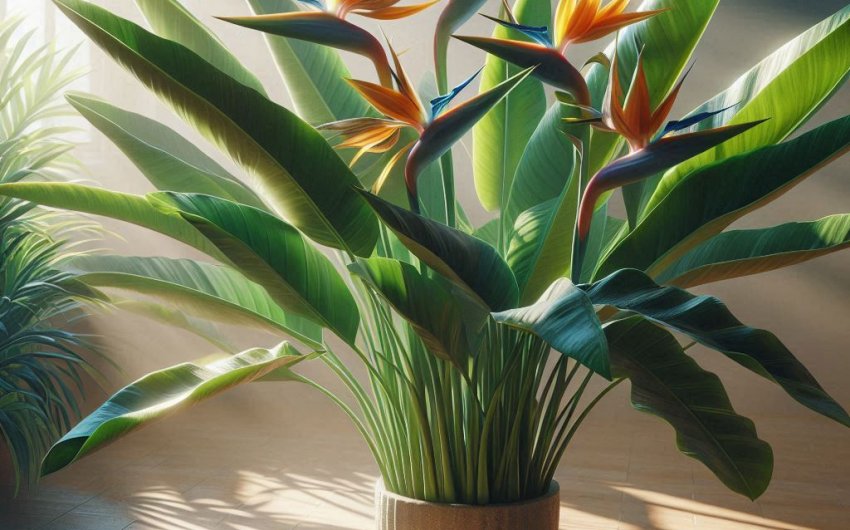
The Bird of Paradise plant, with its bold, paddle-shaped leaves and spectacular, crane-like flowers, brings a touch of the tropics wherever it grows. Whether it's standing tall in your living room or gracing your outdoor patio during the warmer months, it’s a showstopper. But when the days get shorter and temperatures drop, gardeners in most climates face a common question: "How do I care for my Bird of Paradise in winter?" This isn't a plant that enjoys frosty weather!
Proper winter care is key to keeping your Bird of Paradise healthy and happy, ensuring it can return to its glorious display next spring and summer. Whether you're growing it as a houseplant all year or moving it indoors from a patio, understanding its needs during the colder months is vital. We'll cover everything from bringing it inside safely to adjusting its light, water, and feeding schedule, so your tropical beauty can sail through winter and emerge ready to bloom again.
Understanding Your Bird of Paradise: Types and Hardiness
Before we dive into winter care, it's important to know which type of Bird of Paradise plant you have, as their cold tolerance can vary slightly. Both types are tropical plants and generally cannot survive freezing temperatures.
What are the Two Main Types of Bird of Paradise Plants?
Orange Bird of Paradise (Strelitzia reginae):
- Appearance: This is the most common type grown as a houseplant and in warmer outdoor gardens. It has large, oblong, paddle-shaped leaves, usually about 1-2 feet long, on long petioles (leaf stems). The plant typically grows 3-5 feet tall. Its famous flowers are bright orange and blue, resembling a crane's head.
- Hardiness: It is hardy outdoors in USDA Zones 9-11. This means it can tolerate very light, brief frosts (down to about 24-28°F or -4°C), but prolonged freezing temperatures will damage or kill it. In most of the US, it needs to be brought indoors for winter.
- Bloom Time: Typically blooms in late winter, spring, and early summer in warm climates. Indoors, it can be less predictable but often blooms in spring or fall.
White Bird of Paradise (Strelitzia nicolai):
- Appearance: This species is much larger, often growing into a multi-stemmed tree up to 20-30 feet tall outdoors. Its leaves are broader and more banana-like, and it produces large white and dark blue flowers.
- Hardiness: Slightly less cold-tolerant than S. reginae, hardy in USDA Zones 10-11. Even light frosts can damage it significantly.
- Bloom Time: Less commonly grown as a houseplant due to its large size, but can bloom in warm, humid outdoor conditions.
Most people growing a Bird of Paradise indoors or moving one in for winter will have the orange type (Strelitzia reginae).
What Temperatures Can a Bird of Paradise Tolerate?
- Ideal Temperatures: For optimal growth, Bird of Paradise plants prefer temperatures between 65-85°F (18-29°C) during the day and no lower than 50-55°F (10-13°C) at night.
- Cold Damage: Temperatures consistently below 50°F (10°C) will stress the plant. Anything below 30°F (-1°C), even for a short period, will likely cause severe damage, turning leaves black and mushy. Prolonged freezing will kill the plant.
Knowing these temperature limits is crucial for planning your winter care. If you live in a climate where winter temperatures drop below 50°F (10°C), you'll need to bring your Bird of Paradise indoors.
How Do You Prepare a Bird of Paradise for Winter Indoors?
If your Bird of Paradise has been enjoying the warmth of your patio or deck during summer, bringing it indoors for winter requires some preparation to make the transition smooth and prevent bringing in unwanted pests.
When Should You Bring Your Bird of Paradise Inside?
- Before the First Frost: The golden rule is to bring your Bird of Paradise indoors before outdoor temperatures consistently drop below 50°F (10°C), and definitely before the first frost is predicted.
- Monitoring Temperatures: Start monitoring nighttime temperatures in late summer/early fall. Even a brief dip into the low 40s (around 4-7°C) can stress the plant.
Don't wait until the last minute, as a sudden cold snap can cause damage.
How to Inspect for Pests?
Pests are the biggest challenge when moving outdoor plants indoors. They can quickly spread to your other houseplants.
- Check Thoroughly: Inspect every part of the plant: tops and bottoms of leaves, stems, and especially where leaves meet stems. Look for tiny insects like spider mites (tiny dots, fine webbing), aphids (small green, black, or brown clusters), mealybugs (fuzzy white cottony masses), and scale (small, immobile bumps).
- Rinse the Foliage: Give the plant a good shower with a strong spray of water (not too harsh to damage leaves) to dislodge any hitchhikers. Pay special attention to the undersides of leaves.
- Treat if Necessary:
- Insecticidal Soap: For light infestations, spray thoroughly with Insecticidal Soap, covering all surfaces. Repeat every 5-7 days for a few weeks.
- Neem Oil: A good organic option. Dilute Neem Oil Concentrate and spray.
- Systemic Granules (Optional): For heavy or persistent infestations, especially with scale or mealybugs, you might consider using a systemic insecticide (these are absorbed by the plant and kill pests that feed on it). If you do, apply them well before bringing the plant indoors according to package directions, and ensure safe use around pets and children.
- Check the Potting Mix: Look for signs of fungus gnats (tiny black flies) or other crawling insects in the soil.
- Dry Out Soil: Let the soil dry out as much as safely possible before bringing it in.
- Top Dressing: Some gardeners add a layer of sand or fine gravel to the top of the soil to deter fungus gnats.
Should You Repot Before Bringing Inside?
Generally, it's best to avoid repotting right before bringing it indoors. Repotting causes stress to the plant. If repotting is necessary (e.g., the plant is severely root-bound), do it at least a month or two before the move to give the plant time to recover.
- Dirty Pot: If the outside of the pot is dirty, scrub it clean to avoid bringing in dirt and potential pest eggs.
Taking these preventative steps will significantly reduce the stress on your Bird of Paradise and the risk of pest invasions, making its winter stay indoors much more pleasant for everyone.
What Are the Light Requirements for Bird of Paradise in Winter?
Light is one of the most crucial factors for the health of your Bird of Paradise, especially during winter when natural light levels are lower. Mimicking its sunny tropical home is important.
How Much Light Does a Bird of Paradise Need?
- Ideal Light: Bird of Paradise plants thrive in bright, direct sunlight for several hours a day. Think of it sitting outside in full sun.
- Indoors in Winter: Replicating this indoors can be challenging, especially in northern climates. Place your plant in the brightest spot you have.
- South-Facing Window: This is usually the best option for maximum light exposure.
- West-Facing Window: Can also work, providing afternoon sun.
- East-Facing Window: Provides bright morning sun, which is good but might not be enough if it's the only light source.
- North-Facing Window: Generally not enough light unless it's a very large window or supplemented with grow lights.
What Happens if it Doesn't Get Enough Light?
- Stunted Growth: The plant will grow very slowly, if at all.
- Leggy Stems: Stems might become stretched out as the plant "reaches" for light.
- Pale or Yellowing Leaves: Lack of chlorophyll production due to insufficient light can cause leaves to lose their vibrant green color.
- No Blooms: If you're hoping for flowers, insufficient light is a major reason they won't form.
Should You Use Supplemental Lighting?
If you don't have a very bright window, or if you want to ensure your Bird of Paradise stays as healthy as possible (and potentially blooms), supplemental lighting is highly recommended.
- Type of Light: Use LED Grow Lights or high-output fluorescent lights specifically designed for plants.
- Duration: Provide light for 12-14 hours per day. You can use a simple timer to manage this.
- Placement: Position the light fixture a few inches to a foot above the top of the plant's leaves, adjusting as the plant grows. Follow the specific recommendations for your chosen grow light.
- Benefits: Supplemental lighting can prevent legginess, maintain leaf color, and significantly increase the chances of blooming, even in the darkest months.
Ensuring your Bird of Paradise gets enough light during winter is the most impactful way to keep it healthy and ready to flourish when spring arrives.
What are the Watering and Humidity Needs for Bird of Paradise in Winter?
Adjusting watering and humidity levels is critical for your Bird of Paradise during its indoor winter stay. The plant's needs change significantly compared to its outdoor summer life.
How Often Should You Water in Winter?
- Reduced Watering: This is paramount. The plant's growth slows down dramatically in winter due to lower light levels and cooler indoor temperatures. It therefore uses much less water.
- Check Before Watering: Do not water on a schedule. Always check the soil moisture first. Allow the top 2-3 inches of soil to dry out completely before watering again. For larger plants, you might even let the top half of the soil dry.
- Avoid Soggy Soil: Overwatering is the quickest way to kill a Bird of Paradise indoors. Soggy soil leads to root rot, which is often irreversible.
- Thorough Watering: When you do water, water thoroughly until you see water draining from the bottom of the pot. Discard any excess water from the saucer after 15-30 minutes.
The frequency will vary based on your home's humidity, light, and pot size, but it could be anywhere from once every 1-2 weeks to even less often. When in doubt, err on the side of underwatering rather than overwatering.
What About Humidity in Winter?
Bird of Paradise plants are tropical and prefer high humidity. Most indoor homes, especially in winter with heating systems running, have very dry air.
- Signs of Low Humidity: Brown, crispy leaf tips or edges, or leaves that feel stiff and brittle.
- How to Increase Humidity:
- Pebble Tray: Place the pot on a saucer filled with pebbles and water. Ensure the bottom of the pot is not sitting directly in the water. As the water evaporates, it creates a more humid microclimate around the plant. You can get a Plant Humidity Tray.
- Humidifier: For significant humidity, a room humidifier is very effective, especially if you have multiple tropical plants.
- Grouping Plants: Grouping plants together can slightly increase local humidity through their combined transpiration (water vapor release).
- Misting (Limited Effectiveness): While some people mist their plants, it provides only a very temporary boost in humidity. It can also encourage fungal issues if leaves stay wet for too long, especially in low light. It's generally not the most effective long-term solution.
What About Temperature?
Maintain consistent indoor temperatures, ideally between 65-75°F (18-24°C).
- Avoid Cold Drafts: Keep the plant away from drafty windows, exterior doors, or heating/AC vents, as sudden temperature fluctuations or cold blasts can stress the plant and damage leaves.
- Nighttime Drop: A slight drop in temperature at night (e.g., to 55-60°F or 13-16°C) can actually be beneficial and may encourage blooming, but avoid anything below 50°F (10°C).
By carefully managing watering, providing sufficient humidity, and maintaining stable temperatures, your Bird of Paradise will comfortably navigate the winter months indoors.
Should I Fertilize or Prune a Bird of Paradise in Winter?
During winter, most plants, including the Bird of Paradise, enter a period of reduced growth or dormancy. This means their needs for feeding and pruning change significantly.
Should I Fertilize in Winter?
- No Fertilizer in Winter: As a general rule, do not fertilize your Bird of Paradise during the winter months (roughly from late fall to early spring).
- Why Not?:
- Slowed Growth: In lower light and cooler indoor temperatures, the plant's growth naturally slows down. It's not actively using many nutrients.
- Salt Buildup: Fertilizing a dormant or slow-growing plant can lead to a buildup of fertilizer salts in the soil. These salts can burn the roots and damage the plant.
- Root Rot Risk: With reduced watering, the salts don't get flushed out as easily, increasing the risk of root damage, especially if combined with overwatering.
- When to Resume: You can resume fertilizing in spring when you notice new, active growth. Use a balanced liquid fertilizer or one slightly higher in phosphorus to encourage blooms (like a 5-10-5 or 10-20-10 ratio), diluted to half strength.
Think of it like this: you wouldn't keep feeding a sleeping person a full meal. The plant is resting, and excess food will just cause problems.
How to Prune a Bird of Paradise in Winter?
- Minimal Pruning: Winter is generally not the time for major pruning or shaping of your Bird of Paradise. The plant is under stress from the change in environment, and cutting it back significantly would add more stress.
- Remove Dead or Damaged Leaves: The only pruning you should do is to remove any leaves that are clearly dead, completely yellow, brown, or mushy. Cut these off at the base of the stem near the soil line with clean, sharp Pruning Shears. This helps the plant redirect energy to healthy parts and improves appearance.
- Leaf Splitting: Don't worry if older leaves naturally split along the veins. This is normal for Bird of Paradise plants, especially larger ones, and is how they adapt to windy conditions in their natural habitat. It's not a sign of a problem and doesn't require pruning unless the leaf is entirely damaged.
- When to Prune for Shaping: If you need to prune for size or shape, wait until late spring or early summer when the plant is actively growing and can recover quickly.
By withholding fertilizer and performing only minimal pruning during winter, you support your Bird of Paradise through its natural period of reduced activity and prepare it for a strong burst of growth and potential blooms in the warmer months.
What are Common Problems and Solutions for Bird of Paradise in Winter?
Even with the best care, your Bird of Paradise might face some challenges during its indoor winter stay. Knowing how to identify and address these issues can help keep your plant healthy.
Why are My Leaves Turning Yellow or Brown?
This is a very common winter complaint.
- Overwatering (Most Common Cause): If leaves are turning yellow, especially lower leaves, and feel soft or mushy, and the soil is staying wet, it's almost certainly overwatering. This leads to root rot.
- Solution: Stop watering until the soil dries out significantly. Ensure excellent drainage. If severe, you might need to repot into fresh, dry soil and check for rotten roots (cut off soft, black roots).
- Underwatering: If leaves are turning brown, crispy, and shriveling, especially along the edges, and the soil is bone dry, it's underwatering.
- Solution: Water thoroughly until water drains from the bottom. Adjust your watering frequency.
- Low Humidity: Brown, crispy leaf tips or edges, even with proper watering, often point to low humidity.
- Solution: Increase humidity with a pebble tray or humidifier.
- Insufficient Light: Pale or uniformly yellowing leaves, especially on new growth, can mean the plant isn't getting enough light.
- Solution: Move to a brighter location or use supplemental grow lights.
- Normal Aging: Older, lower leaves will naturally yellow and die off as the plant grows new ones. This is normal and nothing to worry about unless many leaves are yellowing quickly.
Why is My Plant Not Growing or Getting Leggy?
- Lack of Light: In winter, all plants slow down. But if your Bird of Paradise has no new growth, or new growth is stretched and weak with widely spaced leaves (leggy), it needs more light.
- Solution: Move to a brighter spot, or add a powerful Plant Grow Light.
- Dormancy: It's also possible the plant is just dormant. Growth will naturally slow or stop during winter, even with good conditions. Don't expect rapid growth until spring.
What About Pests Indoors?
Pests can quickly become a problem indoors, especially in dry, warm environments.
- Spider Mites: Tiny red or brown dots, fine webbing, speckled leaves. They thrive in dry air.
- Solution: Increase humidity. Spray thoroughly with Insecticidal Soap or neem oil. Repeat regularly.
- Mealybugs: White, cottony masses in leaf axils or on stems.
- Solution: Dab directly with a cotton swab dipped in rubbing alcohol. For heavier infestations, use insecticidal soap or neem oil.
- Scale: Small, immobile, brown or black bumps on stems and leaves.
- Solution: Scrape off gently with a fingernail or old credit card. Use alcohol or insecticidal soap for persistent issues.
- Fungus Gnats: Tiny black flies buzzing around the soil surface. They are harmless to the plant but annoying, and indicate consistently wet soil.
- Solution: Allow the soil to dry out completely between waterings. Use sticky traps or Mosquito Bits in your watering can.
Why Isn't My Bird of Paradise Blooming?
Winter is not typically the prime blooming season for indoor Bird of Paradise plants. Blooming is complex, but the most common reasons for no blooms are:
- Insufficient Light: This is the #1 reason. It needs lots of bright light for many hours a day.
- Plant Immaturity: Young plants usually won't bloom until they are 3-5 years old or have reached a certain size.
- Lack of Stress: Believe it or not, a little stress can sometimes encourage blooming. A period of slightly cooler temperatures at night (50-55°F / 10-13°C) and being slightly root-bound can trigger it.
- Lack of Fertilization (during growing season): If it's not getting enough phosphorus during its active growth period, it won't bloom.
Focus on maintaining overall plant health during winter. If your plant is happy through the cold months, it will be much more likely to produce those stunning, crane-like flowers when spring and summer return.