
Why Are the Leaves of My Jade Plant Turning Yellow?
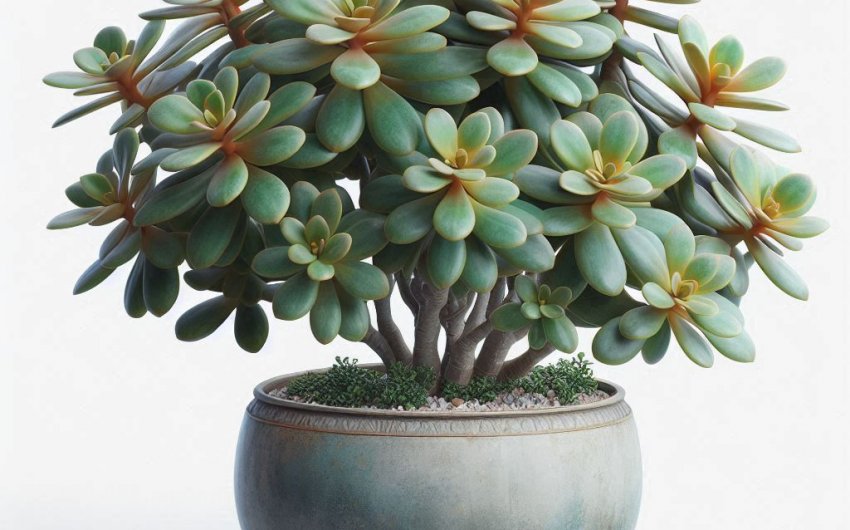
Observing your beloved jade plant develop a yellow hue on its usually vibrant green leaves can be a concerning sight for any plant parent. This discoloration, known as chlorosis, is a common sign that something is amiss with your succulent's environment or care routine. Unlike other plants that might droop dramatically, jade plants often show distress through changes in leaf color and texture. Understanding the underlying causes of this yellowing is key to bringing your plant back to its healthy, thriving state.
Why Do Jade Plant Leaves Turn Yellow: The Main Culprits?
When your jade plant leaves start losing their characteristic green and take on a yellow tint, it's a clear signal that the plant is experiencing some form of stress. There are several primary reasons why this happens, and most relate directly to how you're caring for your plant and its surrounding conditions.
Overwatering: The Silent Killer of Jade Plants
Perhaps the most common reason for yellowing leaves on a jade plant is overwatering. Jade plants, being succulents, store water in their thick leaves and stems. They are much more tolerant of dry conditions than wet ones.
How Overwatering Harms Your Jade Plant
When a jade plant receives too much water, especially if the soil doesn't drain well, its roots can become waterlogged. This suffocates the roots, leading to root rot. Root rot prevents the roots from taking up oxygen and nutrients effectively, causing the leaves to turn yellow and eventually mushy or black. The yellowing often starts at the base of the plant or on older leaves. You might also notice a foul smell from the soil. A good plant moisture meter can help you avoid this.
Signs of Overwatering
- Yellowing leaves: Often soft and mushy to the touch.
- Wilting: Despite the soil being wet.
- Leaf drop: Leaves may fall off easily with a gentle touch.
- Foul odor: Coming from the soil or drainage holes.
- Brown or black stems/roots: A clear sign of root rot if you inspect the plant.
Solutions for Overwatering
- Reduce Watering Frequency: Only water your jade plant when the top 2-3 inches of soil are completely dry. For larger pots, wait until the soil is dry deeper down.
- Improve Drainage: Ensure your pot has drainage holes. If not, consider repotting into a pot with drainage holes.
- Use Well-Draining Soil: Repot your jade plant into a succulent and cactus potting mix which is formulated for excellent drainage. You can also mix perlite or coarse sand into regular potting soil.
- Check for Root Rot: If you suspect root rot, gently remove the plant from its pot and inspect the roots. Trim away any mushy, black, or smelly roots with clean, sharp pruning shears. Repot into fresh, dry, well-draining soil.
Underwatering: A Thirsty Jade Plant
While less common as a cause of yellowing than overwatering, underwatering can also lead to discolored leaves. Jade plants are drought-tolerant, but they still need water.
How Underwatering Affects Your Jade Plant
When a jade plant doesn't get enough water, its leaves will start to shrink and shrivel as the plant uses up its stored moisture. Eventually, the leaves may turn yellow or brown, become dry and crispy, and eventually drop off. Unlike overwatered leaves, underwatered leaves will feel firm or rubbery, not mushy.
Signs of Underwatering
- Yellowing leaves: Often starting from the edges, feeling crispy.
- Shriveling or wrinkling leaves: The leaves will look deflated.
- Stunted growth: The plant won't be growing much.
- Leaf drop: Dry leaves may fall off easily.
Solutions for Underwatering
- Increase Watering Frequency: Water thoroughly until water drains from the bottom of the pot. Then, wait until the soil is dry before watering again.
- Soak Method: If the soil has become very dry and compacted, try bottom-watering. Place the pot in a saucer of water for 30 minutes to an hour, allowing the soil to absorb water from the bottom up. A large plant saucer is perfect for this.
Lighting Issues: Too Much or Too Little Sun
Light plays a crucial role in a jade plant's health. Incorrect light conditions, whether too much or too little, can lead to yellowing leaves.
Insufficient Light
Jade plants need a lot of bright, indirect light to thrive. If they don't get enough light, their leaves can turn pale green or yellow as they struggle to produce chlorophyll (the green pigment responsible for photosynthesis). They might also become leggy, stretching towards a light source.
Signs of Insufficient Light
- Pale green or yellowing leaves: Especially on older leaves.
- Leggy growth: Long, stretched stems with widely spaced leaves.
- Lack of vibrant color: Leaves might not have the reddish tinge often seen on edges when happy.
Solutions for Insufficient Light
- Move to a Brighter Location: Place your jade plant near a south-facing window (in the Northern Hemisphere) or another spot that receives bright, indirect light for at least 4-6 hours a day.
- Supplement with Grow Lights: If natural light is limited, particularly during winter, consider using a grow light for plants to provide the necessary illumination.
Too Much Direct Sun
While jade plants love bright light, sudden exposure to intense, direct sunlight, especially for prolonged periods, can cause their leaves to get sunburnt. This often manifests as yellowing, browning, or even red discoloration on the exposed areas.
Signs of Too Much Direct Sun
- Scorched or burnt spots: On the leaves, which might turn yellow, brown, or red.
- Fading color: Overall dullness in leaf color.
- Stunted growth: Plant may stop growing.
Solutions for Too Much Direct Sun
- Acclimate Gradually: If moving your jade plant outdoors or to a much brighter spot, do so gradually over a week or two, allowing it to adjust to the increased light.
- Provide Some Shade: If your plant is in an extremely sunny location, consider moving it to a spot with some afternoon shade or using a sheer curtain to filter intense sunlight.
What Other Factors Can Cause Jade Plant Leaves to Yellow?
Beyond the big three (watering and light), several other environmental and care factors can contribute to yellowing jade plant leaves. These are often less common but still important to consider during your diagnosis.
Nutrient Deficiencies: A Hungry Plant
While jade plants are not heavy feeders, a lack of essential nutrients in the soil can lead to chlorosis, or yellowing.
Nitrogen Deficiency
Nitrogen is crucial for leaf growth and overall green color. A deficiency often shows up as uniform yellowing, especially on older leaves, as the plant moves nitrogen from older growth to new growth.
Other Micronutrient Deficiencies
Deficiencies in iron, magnesium, or zinc can also cause yellowing, though the patterns might vary. Iron deficiency, for example, often causes yellowing between the veins of new leaves, while the veins remain green.
Solutions for Nutrient Deficiencies
- Fertilize Sparingly: Use a balanced, succulent-specific fertilizer during the growing season (spring and summer), following the package instructions. Over-fertilizing can also cause problems.
- Repot Periodically: Over time, soil can become depleted of nutrients. Repotting your jade plant every 2-3 years into fresh, well-draining soil will replenish essential nutrients.
Temperature Stress: Too Hot or Too Cold
Jade plants prefer stable, moderate temperatures. Extreme temperature fluctuations can stress the plant and cause yellowing.
Cold Temperatures
Exposure to temperatures below (50^\circ\text{F}) ((10^\circ\text{C})) can stress a jade plant, leading to yellowing, blackening, and dropping of leaves. This is especially true if they are exposed to frost.
Hot Temperatures
While jade plants can tolerate some heat, prolonged exposure to extreme heat, especially coupled with lack of water, can also cause stress, leading to yellowing and wilting.
Solutions for Temperature Stress
- Maintain Consistent Temperatures: Keep your jade plant in a location where temperatures are consistently between (65^\circ\text{F}) and (75^\circ\text{F}) ((18^\circ\text{C}) and (24^\circ\text{C})).
- Protect from Drafts: Keep your plant away from cold drafts from windows or air conditioning vents.
- Avoid Extreme Heat: If moving outdoors, ensure it's not in direct, scorching sunlight during peak heat.
Pests: Unwanted Visitors
While less common, some pests can cause jade plant leaves to yellow by feeding on the plant's sap.
Mealybugs and Scale Insects
Mealybugs look like tiny cottony masses, often found in leaf axils (where the leaf meets the stem). Scale insects appear as small, brown, raised bumps on stems and leaves. Both suck sap from the plant, which can lead to yellowing, distorted growth, and overall decline. You might need a magnifying glass for plants to spot them.
Solutions for Pests
- Manual Removal: For a few pests, use a cotton swab dipped in rubbing alcohol to wipe them off.
- Insecticidal Soap: For more widespread infestations, use a horticultural oil or insecticidal soap spray, following the product instructions.
- Isolate Affected Plants: To prevent pests from spreading, isolate any infested plants from your other houseplants.
Pot Size and Repotting Shock
The size of your pot and the stress of repotting can also play a role in leaf yellowing.
Too Small a Pot
If your jade plant becomes root-bound in a pot that's too small, its roots won't have enough space to grow and absorb nutrients, leading to stunted growth and potentially yellowing leaves due to nutrient and water stress.
Solutions for Pot Size
- Repot When Necessary: Repot your jade plant into a slightly larger pot (only 1-2 inches wider in diameter) when it becomes root-bound. This is typically every 2-3 years. A good time to do this is in spring.
- Choose the Right Pot: Ensure the new pot is appropriately sized and has good drainage.
Repotting Shock
Even with careful handling, repotting can cause temporary stress to a jade plant, leading to a few yellow leaves or temporary wilting as it adjusts to its new environment. This is usually nothing to worry about and the plant will recover.
Solutions for Repotting Shock
- Minimize Disturbance: Be gentle with the roots during repotting.
- Avoid Fertilizing Immediately: Wait a few weeks after repotting before resuming fertilization to allow the plant to settle.
- Provide Stable Conditions: Keep the plant in a stable environment with consistent light and temperature after repotting.
How Can You Prevent Jade Plant Leaves from Turning Yellow?
Preventing yellowing leaves on your jade plant comes down to understanding its basic needs and providing consistent, appropriate care. Proactive measures are always better than reactive ones when it comes to plant health.
Master the Art of Watering
This is by far the most critical aspect of jade plant care.
The "Drought-Love" Principle
Remember that jade plants prefer to be on the drier side. They'd rather be a little thirsty than too wet. The biggest mistake beginners make is watering on a schedule instead of watering based on the plant's needs and soil moisture.
Finger Test or Moisture Meter
Always check the soil moisture before watering. Stick your finger 2-3 inches deep into the soil. If it feels dry, then it's time to water. For a more precise measurement, use a soil moisture meter.
Proper Drainage is Non-Negotiable
No matter how well you water, if your pot doesn't drain, your jade plant will suffer. Always use pots with drainage holes and a well-draining succulent potting mix.
Provide Optimal Lighting
Consistent and adequate light is vital for healthy, green leaves.
Bright, Indirect Light is Best
Aim for at least 4-6 hours of bright, indirect light daily. A spot near a south or west-facing window is usually ideal. Some morning sun is fine, but protect from harsh afternoon sun.
Rotate Your Plant
Periodically rotate your jade plant a quarter turn every few weeks. This ensures all sides receive adequate light, promoting even growth and preventing one side from becoming leggy or yellowed due to lack of light.
Choose the Right Potting Mix and Pot
The right foundation makes a huge difference.
Succulent-Specific Soil
Invest in a good quality succulent and cactus potting mix. These mixes are designed to drain quickly and prevent waterlogging, which is crucial for jade plants.
Proper Pot Size
Don't overpot your jade plant. A pot that's too large holds too much moisture. Choose a pot that is only slightly larger than the root ball. Terracotta pots are excellent because they are porous and allow the soil to breathe and dry out more quickly than plastic pots. Consider a terracotta pot with saucer.
Fertilize Sparingly and Correctly
Jade plants are not heavy feeders.
Less is More
Fertilize only during the active growing season (spring and summer) and at half the strength recommended on the fertilizer package. Use a balanced liquid houseplant fertilizer diluted to suit succulents, or a specialized succulent fertilizer. Avoid fertilizing in fall and winter when the plant's growth slows down.
Maintain Stable Temperatures
Avoid sudden changes in temperature that can shock your plant.
Ideal Temperature Range
Keep your jade plant in an environment where temperatures remain between (65^\circ\text{F}) and (75^\circ\text{F}) ((18^\circ\text{C}) and (24^\circ\text{C})). Protect it from cold drafts, open windows in winter, or direct heat sources.
Regular Inspection and Cleaning
Stay vigilant for early signs of problems.
Check for Pests
Regularly inspect your plant for any signs of pests. Early detection makes treatment much easier. Look closely at the undersides of leaves and in tight crevices. A plant care kit often includes tools for this.
Dust Removal
Wipe down your jade plant's leaves periodically with a soft, damp cloth. Dust can block pores and reduce the plant's ability to photosynthesize effectively. This also gives you a chance to inspect the leaves up close. A plant leaf cleaner can also be used.