
Is Chinese Evergreen Toxic to Pets?
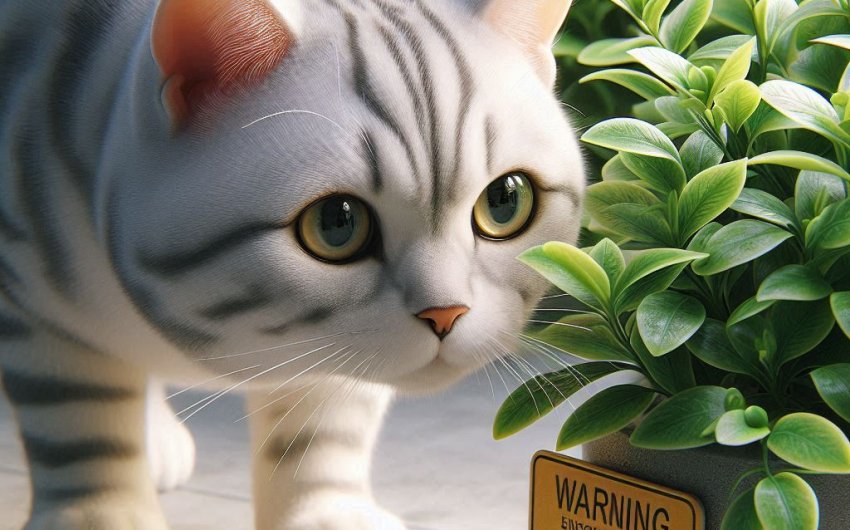
The Chinese Evergreen (scientific name: Aglaonema) is a beloved houseplant for many reasons. Its vibrant, often variegated foliage adds a touch of lush beauty to any indoor space, and it's notoriously easy to care for, thriving even in low-light conditions. But for pet owners, a crucial question always comes to mind when bringing new plants into the home: is Chinese Evergreen toxic to pets? The short answer is yes, this popular houseplant can be harmful to our furry friends if ingested. Understanding the risks and knowing what to do if your pet decides to take a bite is essential for creating a safe environment for your beloved animals.
What Makes Chinese Evergreen Toxic to Pets?
The Chinese Evergreen plant belongs to the Araceae family, a large group of plants that includes other common houseplants like Peace Lilies, Philodendrons, and Pothos. The toxicity in these plants comes from microscopic, needle-shaped crystals called calcium oxalates.
The Role of Calcium Oxalates
Imagine tiny, sharp needles embedded within the plant's sap and tissues. That's essentially what calcium oxalates are. When an animal (or human) chews on or ingests parts of the Chinese Evergreen, these crystals are released.
- Irritation and Pain: The sharp crystals immediately irritate and embed themselves in the mucous membranes of the mouth, throat, esophagus, and stomach. This causes intense burning pain, swelling, and discomfort.
- Physical Damage: In some cases, the physical irritation can be severe enough to cause blistering or ulceration in the mouth and throat.
Not a "True Poison"
It's important to note that Chinese Evergreen is considered an irritant, not a "true poison" that is absorbed into the bloodstream and affects organs. The symptoms are primarily due to the localized irritation caused by the calcium oxalate crystals. This means fatalities are rare, but the discomfort can be significant.
Which Pets Are at Risk from Chinese Evergreen Toxicity?
Any pet that chews on or ingests a Chinese Evergreen plant is at risk, but some are more likely to be affected or show symptoms.
Dogs and Cats
These are the most common culprits. Dogs, especially puppies, are naturally curious and might chew on plants out of boredom, play, or exploration. Cats are also notorious for nibbling on houseplants, sometimes due to curiosity, sometimes to aid digestion, or simply because they enjoy the texture. The symptoms in both dogs and cats are similar.
Other Household Pets (Birds, Small Mammals)
While less common, birds (especially parrots), rabbits, guinea pigs, and other small household mammals can also be affected by Chinese Evergreen toxicity. Their smaller size might make them more susceptible to severe reactions from even a small amount of plant material. If you have any type of pet, it's wise to assume that this plant poses a risk.
What Are the Symptoms of Chinese Evergreen Poisoning in Pets?
Recognizing the signs of Chinese Evergreen ingestion is key to acting quickly and getting your pet relief. The symptoms usually appear immediately or very soon after chewing on the plant.
Oral Irritation and Pain
These are the most common and noticeable symptoms.
- Immediate Pain: Your pet may vocalize in pain, paw at their mouth, or rub their face.
- Drooling/Salivation: Excessive drooling is a very common symptom as the body tries to flush out the irritants.
- Vomiting: The irritation in the stomach and esophagus can lead to vomiting.
- Oral Swelling: The mouth, tongue, and lips may become swollen. You might notice your pet having difficulty swallowing.
- Loss of Appetite: Due to pain and swelling in the mouth, pets will likely refuse to eat or drink.
- Gagging/Choking: Swelling in the throat can lead to difficulty breathing or gagging sounds.
Other Potential Symptoms
While less common or more severe, other symptoms can occur.
- Diarrhea: If a larger amount is ingested, stomach upset can lead to diarrhea.
- Difficulty Breathing: In severe cases, extreme swelling of the airway could lead to respiratory distress, though this is rare.
- Lethargy: Your pet might appear unusually tired or withdrawn due to discomfort.
It's important to remember that the severity of symptoms depends on how much of the plant was ingested and your pet's individual sensitivity. Even a small nibble can cause significant discomfort.
What Should I Do If My Pet Eats Chinese Evergreen?
If you suspect your pet has ingested any part of a Chinese Evergreen plant, prompt action is important, even if symptoms seem mild.
1. Act Quickly and Stay Calm
Your immediate response can make a difference. Try to remain calm so you can think clearly.
2. Remove Plant Material
Immediately remove any remaining plant material from your pet's mouth and away from their reach. Check their mouth for any embedded pieces.
3. Rinse the Mouth
If your pet allows, gently rinse their mouth with cool water to help remove some of the irritating crystals. Do not force large amounts of water, as this could cause choking.
4. Contact Your Veterinarian or Pet Poison Control
This is the most crucial step. Even if symptoms seem mild, it's always best to consult a professional.
- Your Veterinarian: Call your vet immediately. Describe the plant (use the name Chinese Evergreen or Aglaonema if you know it), the amount ingested (if you can estimate), and your pet's symptoms.
- Pet Poison Control Hotlines:
- ASPCA Animal Poison Control Center: (888) 426-4435 (consultation fee may apply)
- Pet Poison Helpline: (855) 764-7661 (consultation fee may apply) These services are staffed by veterinary toxicologists who can provide immediate, expert advice. They can tell you if a vet visit is necessary or if home care is sufficient, saving you a trip.
5. Follow Professional Advice
Do not try to induce vomiting unless specifically instructed by a veterinarian or poison control expert. For calcium oxalate plants, inducing vomiting can sometimes worsen the irritation. They may recommend giving your pet something to soothe the irritation, like milk or yogurt, but always confirm first.
How Can I Prevent My Pet from Eating Chinese Evergreen?
Prevention is always better than treatment. If you love Chinese Evergreens but also love your pets, there are ways to create a safe shared space.
Place Plants Out of Reach
The simplest and most effective method is to put your Chinese Evergreens where your pets simply cannot get to them.
- High Shelves: Use tall, sturdy shelves or bookcases.
- Hanging Baskets: Hang plants from the ceiling where paws can't reach. Look for hanging planters like Mkono Macrame Plant Hangers.
- Closed Rooms: Keep plants in rooms that your pets don't have access to.
Create Physical Barriers
- Pet Gates: Use pet gates to block access to certain rooms or areas where plants are located. You can find a variety of pet gates for different openings.
- Terrariums or Plant Cages: For smaller plants, consider a decorative terrarium or a wire cage that surrounds the plant.
Deterrents
- Bitter Sprays: Use a non-toxic bitter apple spray (like Grannick's Bitter Apple Spray) on the plant's leaves. Most pets find the taste unpleasant and will avoid chewing. Reapply regularly.
- Citrus Peels: Some pets dislike the smell of citrus. Place fresh orange or lemon peels around the base of the plant.
- Spice Sprinkles: A light sprinkle of cayenne pepper or black pepper on the soil can deter some pets, but be careful not to irritate your pet's nose if they sniff it directly.
- Provide Alternatives: Sometimes pets chew on plants out of boredom or a need for roughage. Make sure your pet has plenty of safe chew toys (for dogs) or cat grass (for cats) available to satisfy their chewing instincts. You can easily grow your own Cat Grass Seeds.
What Are Some Pet-Safe Alternatives to Chinese Evergreen?
If you're looking for beautiful, easy-care houseplants that are definitively non-toxic to pets, you have many wonderful options.
Top Pet-Friendly Houseplants
- Prayer Plant (Maranta leuconeura): Stunning, variegated leaves with interesting patterns that fold up at night. Easy care and non-toxic.
- Spider Plant (Chlorophytum comosum): Classic, easy-to-grow, and produces "spiderettes" that can be propagated. Completely safe for pets.
- Boston Fern (Nephrolepis exaltata 'Bostoniensis'): Lush, feathery foliage that adds texture. Non-toxic.
- Christmas Cactus (Schlumbergera bridgesii): Beautiful flowering succulent that blooms in winter. Non-toxic.
- African Violet (Saintpaulia spp.): Pretty, fuzzy-leaved plants with charming flowers. Non-toxic.
- Polka Dot Plant (Hypoestes phyllostachya): Colorful foliage in pink, white, or red spots. Non-toxic.
- Areca Palm (Dypsis lutescens): A large, attractive palm that makes a great statement piece and is safe for pets.
- Parlor Palm (Chamaedorea elegans): Another elegant, pet-safe palm that tolerates lower light.
- Hoya (Hoya carnosa): Also known as Wax Plant, these have thick, waxy leaves and unique star-shaped flowers. Non-toxic.
Always Double-Check
Before bringing any new plant into a home with pets, it's always a good idea to double-check its toxicity status with a reliable source like the ASPCA's plant list or your veterinarian.
Can Pets Be Trained to Avoid Plants?
While it's ideal to place toxic plants out of reach, some pets can learn to avoid plants with consistent training.
Positive Reinforcement
- Distraction: When you see your pet approaching a plant, distract them with a toy or a game that redirects their attention away from the plant.
- Reward Good Behavior: When your pet ignores plants, praise them or give them a treat.
- Provide Alternatives: Make sure your pet has plenty of appropriate toys and chew items. For cats, a scratching post or a cat tree can provide engaging alternatives.
Negative Reinforcement (Use with Caution)
- Motion-Activated Sprays: A motion-activated air or water spray can startle a pet away from a plant without harm.
- Repellents: As mentioned earlier, bitter sprays on the plants can make them unappealing.
Consistency is key with any training method. Remember, pets are not trying to be naughty; they're simply following their instincts.
What About the Sap or Residue from Chinese Evergreen?
The calcium oxalate crystals are primarily inside the plant cells. They are released when the plant tissue is broken, for example, by chewing. However, direct contact with the sap can also cause localized irritation.
Skin Contact
If the sap comes into contact with human or animal skin, it can cause mild irritation or a rash, similar to the irritation from other irritant plants. If your pet has sap on their fur, it's a good idea to wash the affected area gently.
Handling Chinese Evergreen
When pruning or repotting your Chinese Evergreen, it's a good idea to wear gloves to protect your skin from the sap. If you get sap on your hands, wash them thoroughly with soap and water immediately.
What Are the Long-Term Effects of Chinese Evergreen Ingestion?
The good news is that because the toxicity is due to irritation and not systemic poisoning, there are generally no long-term effects once the irritation subsides.
Recovery Time
Most pets recover fully from Chinese Evergreen ingestion within a few hours to a day, depending on the amount ingested and the severity of symptoms. The primary goal of veterinary care is to manage the pain and swelling and ensure the pet can eat and drink normally again.
Rare Complications
In very rare and severe cases, such as large ingestions or extreme sensitivity, swelling could potentially affect breathing. This is why immediate veterinary consultation is so important if you notice severe symptoms or if your pet is having difficulty breathing. However, these are exceptions, not the rule.
Should I Remove My Chinese Evergreen if I Have Pets?
The decision to keep or remove your Chinese Evergreen (or any potentially toxic plant) depends on several factors.
Your Pet's Behavior
- Curious Chewers: If you have a puppy, a kitten, or an adult pet that is known for chewing on anything and everything, it might be safest to rehome the plant or keep it strictly out of reach in a closed room.
- Indifferent Pets: If your pet has never shown interest in plants before, you might be able to keep the plant, but still use deterrents or place it strategically.
Your Ability to Place Out of Reach
If you have no safe place to put the plant where your pet absolutely cannot reach it, removing the plant might be the most responsible choice.
Peace of Mind
Ultimately, your peace of mind is important. If you're constantly worried about your pet getting into the plant, it might be better for your stress levels to simply choose a pet-safe alternative. There are so many beautiful non-toxic houseplants available that you don't have to sacrifice greenery for safety.
What Do Veterinary Professionals Advise About Toxic Plants?
Veterinary professionals consistently advise caution and awareness regarding toxic houseplants and pets.
Be Informed
They encourage pet owners to be educated about the plants in their homes and gardens. Keep a list of your plants and their toxicity levels handy, or use a reliable app.
Immediate Action
Their main advice is to act quickly if ingestion is suspected. Don't wait for severe symptoms. A call to your vet or poison control can prevent a more serious situation.
Prevention is Key
Veterinarians strongly advocate for preventive measures – placing toxic plants out of reach, using deterrents, and providing safe alternatives for pets to chew on. They often emphasize that while some plants only cause mild irritation, others can be truly deadly, so it's best to err on the side of caution with any unknown plant.