
Can You Repot a Phalaenopsis Orchid?
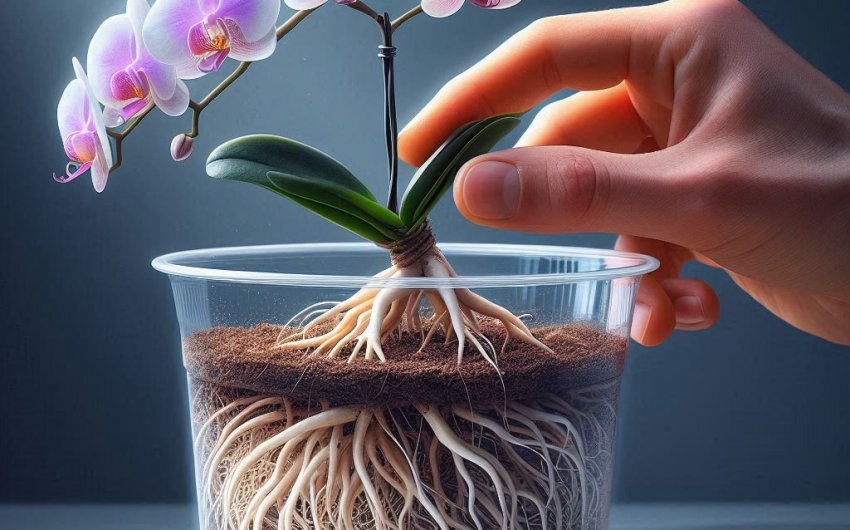
The elegant Phalaenopsis orchid, often called the "moth orchid," is a quintessential houseplant, prized for its stunning, long-lasting blooms and relatively easy care compared to other orchids. Its graceful arching flower spikes and lush green leaves bring a touch of tropical beauty to any home. Many people receive these beauties as gifts, enjoy their initial spectacular display, and then wonder how to keep them thriving and re-blooming for years to come. One common question that arises as these orchids grow is about their roots: when they become a tangled mess seemingly bursting from the pot, the natural query is, "Can I repot this?"
The answer is a resounding yes, you can repot a Phalaenopsis orchid! In fact, repotting is not just possible; it's a crucial part of their long-term health and a key to encouraging future blooms. Unlike typical potted plants that grow in soil, Phalaenopsis orchids are usually epiphytes, meaning they naturally grow on trees in their native habitats, clinging with their roots and absorbing moisture and nutrients from the air and decaying organic matter. This unique growth habit means they need a very specific potting mix and excellent air circulation around their roots, which makes regular repotting necessary. This guide will walk you through everything you need to know about repotting a Phalaenopsis orchid, ensuring your beautiful plant continues to flourish and fill your home with its lasting charm.
Why Do Phalaenopsis Orchids Need Repotting?
Unlike traditional houseplants that grow in dense soil, Phalaenopsis orchids have unique needs. They are epiphytic in nature, meaning they grow attached to trees in their natural environment, using their roots to cling on and absorb moisture and nutrients from the humid air and decaying organic debris, not from rich soil. This unique biology dictates their need for specialized potting media and, consequently, regular repotting.
What is the Purpose of Orchid Potting Mix?
The "soil" your Phalaenopsis orchid grows in isn't really soil at all. It's an orchid potting mix, specifically designed to mimic the conditions of their native habitat.
- Excellent Drainage: The most crucial function of orchid potting mix is to provide excellent drainage. Orchid roots rot quickly in standing water. The mix allows water to flow through rapidly, preventing sogginess.
- Air Circulation: It also provides abundant air circulation around the roots. In their natural environment, orchid roots are exposed to air, not buried tightly in soil.
- Support and Anchorage: The chunky pieces in the mix provide physical support for the orchid to anchor itself.
- Moisture Retention (Brief): While draining quickly, the mix's components (like bark) absorb some moisture and slowly release it, providing humidity and water to the roots without staying wet.
Common components of orchid potting mix include:
- Fir bark: The most common base, providing drainage and support.
- Sphagnum moss: Retains moisture well and slowly releases it.
- Perlite: Improves drainage and aeration.
- Charcoal: Helps absorb impurities and improve drainage.
You can purchase specialized Phalaenopsis orchid potting mix.
Why Does Orchid Potting Mix Break Down?
Over time, the components of orchid potting mix (especially fir bark) will naturally break down. This decomposition process is the primary reason why your Phalaenopsis orchid needs repotting.
- Loss of Airflow: As the bark chips or moss decompose, they turn into smaller, finer particles. These smaller particles fill the essential air spaces (porosity) within the pot. This leads to reduced air circulation around the roots, which is vital for epiphytic orchids.
- Reduced Drainage: The breakdown also reduces drainage. The mix becomes denser and holds more water, leading to soggy conditions that can cause root rot.
- Nutrient Depletion: While the decomposition does release some nutrients, the main components of orchid mix are not nutrient-rich like soil. Over time, any initial nutrients are depleted, and the mix becomes less effective at retaining the nutrients you provide through fertilizer.
This breakdown typically happens every 1-2 years, depending on the type of mix and watering frequency.
What Happens if I Don't Repot My Orchid?
Neglecting to repot your Phalaenopsis orchid when the mix breaks down can lead to a host of problems and eventually a struggling or dying plant.
- Root Rot: This is the most common and serious consequence. Soggy, airless conditions in broken-down mix quickly lead to rotting roots. Rotten roots turn mushy and cannot absorb water or nutrients, eventually starving the plant.
- Dehydration and Wilting: Paradoxically, a plant with root rot will often show signs of dehydration (wrinkled leaves, shriveled roots) because the rotted roots can no longer absorb water, even if the mix is wet.
- Stunted Growth: Without healthy roots, the plant cannot absorb enough water and nutrients to support new leaf growth or flower production. Growth will slow or stop.
- Failure to Bloom: A stressed orchid will conserve its energy for survival and will not put resources into producing flowers.
- Pest and Disease Susceptibility: A weakened, stressed orchid is more vulnerable to various pests and diseases.
Regular repotting into fresh, well-draining mix is essential for the long-term health and blooming success of your Phalaenopsis orchid.
When is the Best Time to Repot a Phalaenopsis Orchid?
Timing is crucial when it comes to repotting a Phalaenopsis orchid. Repotting at the wrong time can stress the plant and delay future blooms.
What is the Ideal Repotting Window?
The best time to repot a Phalaenopsis orchid is when it's not actively blooming and when it's starting a new growth cycle.
- After Flowering: The ideal time is usually after the last flower has faded and dropped off, but before new flower spikes begin to emerge. This means the plant has finished expending energy on flowering and can now direct its resources into establishing new roots in the fresh media.
- Emerging New Roots: Look for signs of new root growth, often appearing as silvery-green or bright green root tips emerging from the base of the plant or extending from existing aerial roots. This indicates the plant is actively growing roots and will quickly adapt to a new pot.
- Spring or Early Summer: This typically translates to late winter, spring, or early summer for most indoor orchids, corresponding with their natural active growth phase after blooming.
Avoid repotting an orchid that is actively blooming, as this can cause the flowers to drop prematurely due to stress. Also, avoid repotting when the plant is completely dormant or not showing any new growth, as it might struggle to establish itself.
How Often Should I Repot My Orchid?
Most Phalaenopsis orchids need to be repotted every 1-2 years. The exact frequency depends on the type of potting mix you use and your watering habits.
- Bark-based mixes: These tend to break down faster, so orchids in bark might need repotting annually or every 18 months.
- Sphagnum moss mixes: While moss holds moisture well, it can also become compacted and sour over time. Orchids in moss might also need repotting every 12-18 months.
Even if your orchid seems happy and the roots aren't completely overflowing, if it's been two years or more, the mix has likely degraded and needs replacing.
What are the Signs That My Orchid Needs Repotting?
Beyond the calendar, your orchid will give you clear signals that it's ready for a fresh start in a new pot.
- Degraded Potting Mix: This is the most common and important sign.
- Mushy or Soggy: The mix feels soft, spongy, or stays wet for too long after watering.
- Dark and Fine: The bark chips have turned dark, small, and crumbly, or the sphagnum moss looks compacted and sour.
- Bad Smell: A sour, earthy, or even rotten smell coming from the pot.
- Too Many Aerial Roots (and few in the pot): While some aerial roots are normal for Phalaenopsis, if most of your roots are growing outside the pot, and the roots inside the pot look shriveled, dead, or are few in number, it often means the interior roots have rotted, and the plant is desperately trying to find moisture and air outside the old, degraded mix.
- Rootbound: Roots are densely packed and circling the inside of the pot, or pushing the plant up and out of the pot. While some rootbound conditions can encourage flowering in other plants, orchids need good airflow around their roots.
- Plant Instability: The plant feels wobbly or loose in its pot because the old mix no longer provides adequate anchorage.
- Stunted Growth or No New Blooms: If your orchid is generally healthy but hasn't produced new leaves or flowers in a long time, even with proper care, it might be due to root problems in old media.
- Pest Infestation in Media: If you notice pests (like fungus gnats or mealybugs) living in the potting mix, repotting can help clear them out.
If you observe any of these signs, it's time to prepare for repotting your Phalaenopsis orchid.
What Materials Do I Need for Repotting?
Having all your materials ready before you start will make the repotting process for your Phalaenopsis orchid much smoother and less stressful for you and your plant.
What Kind of Pot is Best?
Choosing the right pot is crucial for the health of your Phalaenopsis orchid.
- Plastic Pots with Drainage Holes: This is generally the best choice for Phalaenopsis orchids.
- Benefits: Plastic retains a bit more moisture than terracotta (which dries out very quickly), which is good for Phalaenopsis, but crucially, it still has excellent drainage holes. Many orchid-specific plastic pots also have additional side slits or holes for even better air circulation.
- Transparency: Clear plastic pots are highly recommended. They allow you to easily see the condition of the roots (healthy roots are green when wet, silvery when dry) and monitor moisture levels in the potting mix. This is incredibly helpful for proper watering. You can find clear plastic orchid pots with holes.
- Terracotta/Clay Pots (Use with Caution): While terracotta pots are breathable and provide good aeration, they also dry out very quickly. This can be challenging for Phalaenopsis, which prefers consistent moisture. If you use terracotta, you'll need to water much more frequently.
- Size: Choose a pot that is only one size larger than the current one. If your orchid's roots are currently in a 4-inch pot, move it to a 5- or 6-inch pot. Over-potting (putting it in a much larger pot) means the potting mix will stay wet for too long, leading to root rot. If your orchid has lost a lot of roots due to rot, you might even need to repot it back into the same size pot or a slightly smaller one if that's all that's left of the healthy root system.
What Type of Potting Mix Should I Use?
As discussed, orchid potting mix is essential, not standard soil.
- Specific for Phalaenopsis: Look for a mix specifically labeled for "Phalaenopsis," "epiphytic orchids," or "moth orchids."
- Components: These mixes are typically composed primarily of medium-grade fir bark with some perlite, charcoal, or sphagnum moss. Avoid mixes that contain heavy soil, peat moss (as a primary component), or sand, as these will retain too much moisture.
- Fresh Mix: Always use fresh, new potting mix. Do not reuse old mix, as it will be broken down and potentially contain pathogens. You can purchase Phalaenopsis orchid bark mix.
What Tools and Supplies are Needed?
Having these items ready will make the repotting process smoother and safer for your orchid.
- Sterile Pruning Shears or Scissors: For cutting off dead or unhealthy roots and old flower spikes. Sterilization is crucial to prevent spreading diseases. You can use rubbing alcohol or flame to sterilize your plant pruning shears.
- Newspaper or Tarp: To protect your work surface.
- Gloves (Optional): To keep your hands clean.
- Rubbing Alcohol or Bleach Solution: For sterilizing tools before and after use.
- Watering Can: For post-repotting watering.
- Plant Labels (Optional): To note the repotting date.
Having everything laid out before you begin will help ensure a stress-free repotting experience.
How Do I Repot a Phalaenopsis Orchid Step-by-Step?
Repotting a Phalaenopsis orchid can seem daunting, but it's a straightforward process when broken down into clear steps. Take your time, be gentle, and remember that you're helping your orchid thrive.
Step 1: Remove the Orchid from its Old Pot
This is where you begin the extraction.
- Gently Loosen: If the roots are really stuck, gently squeeze the sides of the plastic pot to loosen the root ball.
- Invert and Tap: Hold the base of the orchid firmly with one hand. With the other, carefully invert the pot. Gently tap the bottom or sides of the pot to help the root ball slide out. Be patient, it might take a few wiggles.
- Cut if Necessary: If the roots are growing through the drainage holes and refusing to come out, use sterilized shears to carefully cut away the plastic pot. Avoid cutting healthy roots if possible.
- Inspect: Once out, begin gently shaking or pulling off the old, degraded potting mix from around the roots. Discard all of the old mix.
Step 2: Clean and Inspect the Roots
This is the most critical part of repotting, as it determines the future health of your orchid.
- Rinse Roots (Optional but Recommended): Gently rinse the root ball under lukewarm running water to wash away stubborn bits of old potting mix. This also helps you see the roots more clearly.
- Identify Healthy Roots: Healthy Phalaenopsis roots are firm, plump, and often appear silvery-green when dry and bright green when wet. Aerial roots (those growing outside the pot) are also usually healthy and will look firm and greenish.
- Identify and Remove Unhealthy Roots: Use your sterilized pruning shears to cut off all unhealthy roots.
- Rotten Roots: These are the most common problem. They will be brown, black, or yellowish, soft, mushy, flat, or hollow. Cut these back to healthy, firm tissue. If you cut into a root and it has a stringy core with a hollow outer sheath, it's rotted.
- Dead/Dry Roots: These will be shriveled, brittle, and brown or black. Cut these off.
- Damaged Roots: Trim any roots that are severely broken or damaged.
- Clean Shears: Re-sterilize your shears after each cut if you suspect disease to prevent spreading it to healthy parts of the plant.
The goal is to remove all dead and decaying material, leaving only the healthy, firm root system. Don't be afraid to cut; it's better to remove all unhealthy tissue.
Step 3: Prepare the New Pot and Media
Now, get ready for the new home.
- Choose Pot Size: Select a new pot that is only slightly larger than the healthy root ball. If you had a lot of root rot and trimmed heavily, you might even reuse the same size pot or go down a size if the healthy root system is now smaller. Clear plastic pots are ideal.
- Pre-Soak Media (Optional but Recommended): Some orchid potting mixes (especially bark-heavy ones) benefit from being pre-soaked in warm water for 15-30 minutes before use. This helps the bark absorb some moisture and makes it less prone to floating when you water the repotted plant. Drain well before using.
Step 4: Position the Orchid in the New Pot
This is where you settle your orchid into its new environment.
- Bottom Layer: Place a small layer of fresh orchid potting mix at the bottom of the new pot.
- Position the Orchid: Gently place the orchid into the new pot. Position it so that the "crown" (where the leaves emerge from the stem) is at or slightly below the rim of the pot. You don't want to bury the crown, as this can lead to rot. Also, ensure any aerial roots that were already growing outside the old pot remain above the media level in the new pot, or at least at the very top.
- Anchor the Plant: Hold the plant steady with one hand.
Step 5: Fill with New Potting Mix
Carefully fill the pot, ensuring good contact between roots and media.
- Add Media: With your other hand, begin adding the fresh orchid potting mix around the roots. Gently work the mix in and around the roots using your fingers or a slender tool (like a chopstick or blunt stick).
- Tap to Settle: Gently tap the sides of the pot or wiggle the plant slightly to help the media settle around the roots and fill any air pockets. Don't pack the mix down too tightly, as this will reduce aeration. The goal is snug, but still airy.
- Secure: Ensure the plant feels secure and stable in the new pot. If it's a bit wobbly, you can add a temporary stake to support it until it establishes.
Step 6: Post-Repotting Care
The first few days after repotting are crucial for recovery.
- No Immediate Water: Many orchid growers recommend waiting 3-7 days before the first watering after repotting. This allows any small nicks or cuts on the roots to heal and callus, preventing rot from starting when you introduce water.
- First Watering: After the waiting period, water thoroughly until water drains from the bottom.
- Placement: Place the newly repotted orchid in a spot with good light (but avoid harsh direct sun), stable temperatures, and ideally higher humidity (a pebble tray or humidifier nearby helps).
- No Fertilizing: Do not fertilize for at least 4-6 weeks after repotting. The plant needs to focus its energy on growing new roots.
Repotting is a stressor for orchids, but by following these steps, you minimize the shock and set your Phalaenopsis up for continued health and future magnificent blooms.