
How to Maintain Your Mower for the Best Lawn Results?
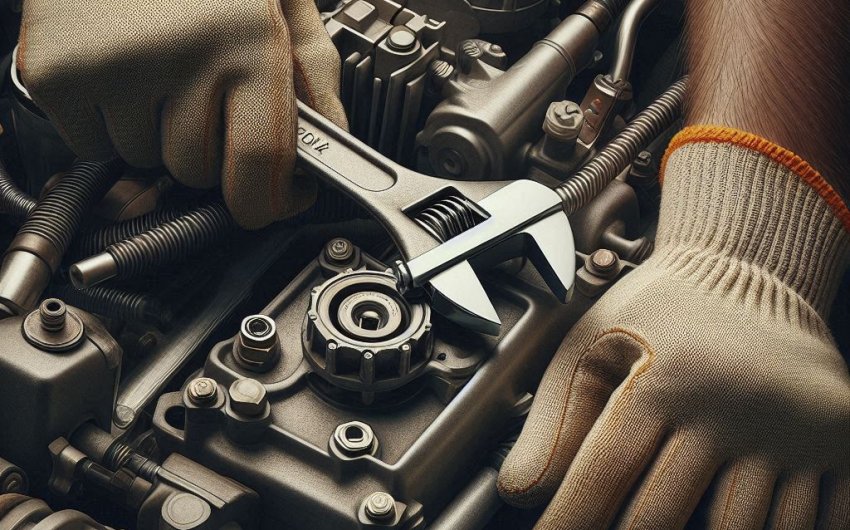
A lush, verdant lawn is the pride of many homeowners, but achieving that picture-perfect green carpet isn't just about proper watering and fertilization. The unsung hero in this equation is often the very tool that shapes your turf: the lawnmower. Learning how to maintain your mower for the best lawn results is a fundamental skill that directly impacts the health and appearance of your grass, ensuring a clean cut, efficient operation, and a longer lifespan for your machine.
Why is Mower Maintenance So Important?
Many homeowners treat their lawnmower like a set-it-and-forget-it appliance, only thinking about it when it fails to start or struggles through thick grass. However, consistent mower maintenance is paramount, not just for the longevity of the machine but, crucially, for the health and aesthetic appeal of your lawn.
How Does It Affect Lawn Health?
The quality of your mower's cut directly impacts the health and resilience of your grass. A well-maintained mower is essential for a thriving lawn.
- Clean Cut vs. Torn Grass: The most significant impact of mower maintenance on lawn health comes from the sharpness of its blade. A sharp blade cleanly slices through each blade of grass, leaving a neat, even cut. This clean cut heals quickly, minimizing stress on the plant. A dull blade, on the other hand, tears or rips the grass blades, leaving jagged, uneven edges.
- Reduced Stress on Grass: Torn grass blades require more energy for the plant to heal. This stress can weaken the grass, making it more susceptible to diseases, pests, and environmental stressors like drought or heat. The ragged ends also turn brown quickly, giving the lawn a dull, unhealthy appearance.
- Prevents Disease: The open, torn wounds created by a dull blade provide easy entry points for fungal diseases and bacterial infections. A clean cut closes quickly, acting as a natural barrier against pathogens.
- Encourages Even Growth: A sharp blade cuts uniformly across the entire lawn, promoting even growth and a consistent height. This results in a dense, lush appearance. Dull blades lead to uneven cutting, leaving some blades longer than others, which creates a patchy look.
- Efficient Photosynthesis: Healthy, untorn grass blades can efficiently perform photosynthesis (converting sunlight into energy). Damaged blades are less efficient, impacting the plant's overall vigor and ability to grow densely and greenly.
How Does It Improve Mower Performance?
Just like any piece of machinery, a lawnmower performs better, runs more efficiently, and lasts longer when it receives regular attention. Mower maintenance is about protecting your investment and ensuring reliable operation.
- Easier Starting: Clean spark plugs, fresh fuel, and properly maintained filters ensure the engine gets the right mix of air and fuel, leading to consistent and easy starts. A poorly maintained engine will often be hard to start or may not start at all.
- Fuel Efficiency: A clean air filter, correctly gapped spark plug, and properly tuned carburetor ensure the engine runs optimally, burning fuel more efficiently. This saves you money on gas and reduces emissions.
- Increased Power and Cutting Ability: A clean deck, sharp blade, and well-maintained engine mean the mower can handle thicker, taller grass with less strain. You won't have to make multiple passes or struggle through overgrown areas.
- Reduced Strain on Components: Regular cleaning and lubrication prevent wear and tear on moving parts. A well-lubricated engine and clean cutting deck reduce friction and stress on the engine, drive belts, and wheels, extending their lifespan.
- Quieter Operation: Proper lubrication and maintenance can reduce rattling and grinding noises, making the mowing experience more pleasant.
- Consistent Results: A well-tuned mower consistently delivers a high-quality cut, meaning less frustration and more satisfying results with each pass.
How Does It Extend Mower Lifespan?
A lawnmower is a significant investment. Proactive mower maintenance is the most effective way to ensure your machine provides years of reliable service, avoiding costly repairs or premature replacement.
- Prevents Premature Wear: Dirt, debris, rust, and lack of lubrication are the enemies of mechanical parts. Regular cleaning and scheduled maintenance prevent these issues from causing accelerated wear and tear on the engine, deck, and drive system.
- Catches Problems Early: Routine inspections (part of maintenance) allow you to spot minor issues—a loose bolt, a frayed belt, a clogged filter—before they escalate into major, expensive repairs or complete breakdowns.
- Protects the Engine: The engine is the heart of your mower. Regular oil changes, air filter cleaning/replacement, and spark plug checks are crucial for protecting the engine from carbon buildup, overheating, and inefficient combustion, which can drastically shorten its life.
- Maintains Blade Integrity: Regularly sharpening and balancing the blade prevents uneven wear on the blade and reduces excessive vibration that can damage the engine's crankshaft. Replacing severely damaged blades protects the spindle.
- Winterization: Proper winter storage preparation (fuel stabilization, cleaning, draining fuel, or running dry) prevents rust, corrosion, and fuel system issues that can arise from leaving the mower unattended in cold, damp conditions.
- Resale Value: A well-maintained mower, even an older one, will retain significantly more of its value if you decide to upgrade or sell it.
What Are the Essential Mower Maintenance Tasks?
To keep your lawnmower in peak condition and ensure it delivers the best results for your lawn, a few essential maintenance tasks should be performed regularly, or at specific intervals.
How to Sharpen and Balance the Blade?
A sharp, balanced blade is the single most important factor for a healthy, clean cut. This should be done frequently.
- Sharpening Frequency: Ideally, sharpen your mower blade at least once per mowing season, or more frequently if you have a large lawn, cut tough grass, or hit debris. Some experts recommend sharpening every 25 hours of operation or even every 10-15 hours for optimal performance.
- Steps to Sharpening:
- Disconnect Spark Plug: ALWAYS disconnect the spark plug wire (or remove the battery on electric models) before working on the blade to prevent accidental starting and serious injury.
- Tip Mower Safely: Tip the mower on its side with the carburetor facing upwards (if a gas mower) to prevent oil or gas leaks. Brace it securely.
- Remove Blade: Use a wrench to remove the blade bolt.
- Sharpening Tools: Use a metal file, an angle grinder, or a bench grinder with appropriate safety gear (gloves, eye protection). Maintain the original angle of the cutting edge. Sharpen both sides evenly until burrs are removed.
- Balancing the Blade:
- Importance: A balanced blade prevents excessive vibration, which can damage the mower's engine crankshaft and spindle.
- Method: After sharpening, use a blade balancer (a simple cone-shaped device). Insert the blade's center hole onto the balancer. If one side drops, it's heavier and needs more material removed from the dull side (not the sharpened edge) until it balances perfectly horizontally.
- Reinstall Blade: Reinstall the blade, ensuring the sharp edges face the direction of rotation. Tighten the blade bolt securely to the manufacturer's specifications.
How to Clean the Underside of the Deck?
A clean mower deck not only looks better but also functions more efficiently. Grass clippings and debris can accumulate, hindering performance.
- Frequency: Clean the underside of the deck after every 2-3 mowings, or more often if mowing wet grass.
- Steps:
- Disconnect Spark Plug/Remove Battery: Safety first!
- Tip Mower Safely: Tip the mower as described for blade sharpening.
- Scrape Off Debris: Use a putty knife, wire brush, or a specialized deck scraper tool to scrape off caked-on grass, dirt, and debris from the underside of the deck.
- Hose Off: Rinse the deck with a garden hose. Avoid spraying directly into the engine or electrical components.
- Dry Thoroughly: Allow the deck to dry completely before putting the mower away or starting it again to prevent rust.
- Preventing Buildup: Consider spraying the underside of the clean, dry deck with a non-stick coating like silicone spray or even vegetable oil, which can help prevent grass clippings from sticking.
How to Check and Replace Spark Plugs?
The spark plug is crucial for igniting the fuel-air mixture in a gas engine. A fouled or worn spark plug can lead to hard starting and poor engine performance.
- Frequency: Check the spark plug annually or every 25-50 hours of operation. Replace it annually or biennially.
- Steps:
- Disconnect Spark Plug Wire: Pull the rubber boot from the spark plug terminal.
- Remove Spark Plug: Use a spark plug wrench to carefully remove the plug.
- Inspect:
- Black/Sooty: Rich fuel mixture, clogged air filter.
- Oily: Oil burning in the engine.
- White/Ashy: Running too hot, lean mixture.
- Brown/Gray: Normal and healthy.
- Look for cracks in the ceramic or worn electrodes.
- Clean (if reusable): If only lightly fouled, gently clean the electrodes with a wire brush or sandpaper.
- Check Gap: Use a spark plug gapping tool to ensure the gap between the electrodes matches your mower's specifications (check your owner's manual).
- Replace: If damaged, severely fouled, or just as part of annual maintenance, replace the spark plug with the correct type and heat range for your mower. Thread it in by hand first to avoid cross-threading, then tighten with a wrench.
- Reconnect Wire: Push the spark plug wire boot firmly back onto the terminal.
How to Change the Oil (for 4-stroke engines)?
Regular oil changes are vital for lubricating and protecting the engine, extending its life, and ensuring smooth operation. This applies to 4-stroke engines; 2-stroke engines use oil mixed with fuel.
- Frequency: Annually or after every 25-50 hours of operation, whichever comes first. Follow your manufacturer's recommendation.
- Type of Oil: Use the specific type and weight of engine oil recommended by your mower's manufacturer (e.g., SAE 30, 10W-30). Often a small engine oil formulated for lawnmowers.
- Steps:
- Run Engine Briefly: Run the engine for a few minutes to warm the oil, making it drain more easily.
- Disconnect Spark Plug Wire: Crucial safety step.
- Locate Drain Plug: On most push mowers, there isn't a dedicated drain plug. You typically tip the mower on its side (again, carburetor side up!) and drain the oil from the oil fill tube into a suitable container (like an old milk jug or a drain pan). Some mowers might have a drain plug near the bottom.
- Drain Oil: Allow all the old oil to drain completely.
- Refill with New Oil: Place the mower level on a flat surface. Using a funnel, slowly add the new, clean oil, checking the dipstick frequently. Do not overfill.
- Dispose of Old Oil: Take the used oil to an auto parts store, recycling center, or municipal hazardous waste facility for proper disposal. Never pour it down a drain or onto the ground.
- Reconnect Spark Plug Wire.
How to Clean or Replace Air and Fuel Filters?
Clean filters are essential for proper engine performance and fuel efficiency.
- Air Filter:
- Frequency: Check every 10-25 hours of operation or at least once a season. Replace annually or if heavily soiled/damaged.
- Types:
- Foam Filter: Can often be cleaned with soap and water, squeezed dry, and then lightly oiled with specific foam filter oil.
- Paper Filter: Cannot be washed. If dirty, tap out loose debris, but if heavily soiled, it must be replaced.
- Steps: Locate the air filter housing, remove the cover, inspect or remove the filter. Clean or replace as needed. Reinstall securely.
- Fuel Filter (if equipped):
- Frequency: Check annually or if you suspect fuel delivery issues. Replace if clogged.
- Steps: Locate the inline fuel filter (usually on the fuel line between the tank and carburetor). Clamp the fuel line on both sides of the filter to prevent spills. Remove the old filter and install a new one, noting the direction of fuel flow (arrow on the filter). Remove clamps.
What Are Seasonal Mower Maintenance Tips?
Beyond regular tasks, certain mower maintenance activities are best performed seasonally, preparing your machine for storage or the heavy demands of the mowing season.
How to Prepare for the Mowing Season (Spring)?
Getting your mower ready for spring ensures it's ready to tackle the season's first cut with ease.
- Pull Out of Storage: Bring your mower out from winter storage.
- Fuel Check: If you added fuel stabilizer in the fall, your fuel should be good. If not, and it's been sitting for months, drain any old fuel and fill with fresh gasoline. Old, stale fuel can cause starting problems and clog the carburetor.
- Check All Fluid Levels: For 4-stroke engines, check the oil level with the dipstick and top off if needed. For 2-stroke, ensure you have the correct oil-gas mixture.
- Inspect Air Filter: Check for cleanliness and replace if needed.
- Check Spark Plug: Inspect, clean, or replace.
- Sharpen/Balance Blade: Start the season with a freshly sharpened and balanced blade.
- Clean Underside of Deck: Remove any caked-on winter grime.
- Check Fasteners: Look over the entire mower for any loose bolts, nuts, or screws. Tighten anything that seems loose.
- Inspect Drive Belt (Self-Propelled): If your mower is self-propelled, check the drive belt for cracks, fraying, or excessive wear. Replace if necessary.
- Clean Exterior: Wipe down the mower's exterior to remove dust and dirt.
How to Maintain During the Mowing Season (Summer)?
During peak mowing season, ongoing vigilance is key to sustained performance.
- Regular Cleaning of Deck Underside: As mentioned, after every 2-3 mows (or more if grass is wet), scrape and rinse the underside of the deck.
- Blade Sharpening (as needed): Monitor your cut quality. If grass blades look torn or ragged, it's time to sharpen the blade.
- Check Oil Level (4-stroke): Check the oil level frequently (every 1-2 mowings) with the dipstick and top off as needed. Mowers consume a small amount of oil during operation.
- Inspect Air Filter (visual): Give the air filter a quick visual check frequently. If it looks dusty or clogged, clean or replace it.
- Fuel Management: Only put as much fuel in the tank as you anticipate using in a month or less to prevent fuel degradation. If storing fuel, use a fuel stabilizer.
- Check for Loose Parts: Periodically check that all nuts, bolts, and screws are tight, especially on the handle and wheel assemblies.
How to Winterize Your Mower for Storage (Fall)?
Proper winterization protects your mower from the damaging effects of cold, damp conditions and ensures it starts reliably next spring.
- Fuel Management (Critical):
- Run Dry: The best method is to add fuel stabilizer to the fuel tank, then run the engine until it completely runs out of gas. This prevents fuel from breaking down and gumming up the carburetor over winter.
- Drain Fuel: Alternatively, you can drain all the fuel from the tank and carburetor.
- Do NOT leave untreated fuel in the tank for winter storage.
- Change the Oil (4-stroke): Change the oil before storage. Old oil can become acidic and cause corrosion during dormancy. Fill with fresh, clean oil.
- Clean Thoroughly: Give the entire mower a comprehensive cleaning. Scrape and rinse the underside of the deck. Clean the engine cooling fins and around the spark plug.
- Sharpen/Replace Blade: Sharpen the blade now so it's ready for spring, or replace it if it's badly damaged.
- Inspect Filters/Spark Plug: Replace the air filter and spark plug if they weren't replaced recently.
- Lubricate: Lubricate any moving parts (e.g., wheel axles, pivot points) with a few drops of light oil or lithium grease.
- Store Properly: Store the mower in a clean, dry, well-ventilated area, such as a garage or shed. Avoid storing it in damp basements or areas exposed to extreme temperature fluctuations.
By consistently applying these mower maintenance best practices, you're investing directly in the longevity of your machine and the pristine appearance of your turf. A well-cared-for mower provides efficient, reliable performance and, most importantly, delivers those consistently clean cuts that lead to a truly healthy, vibrant, and stunning lawn.