
How Do I Start Indoor Planting as a Beginner?
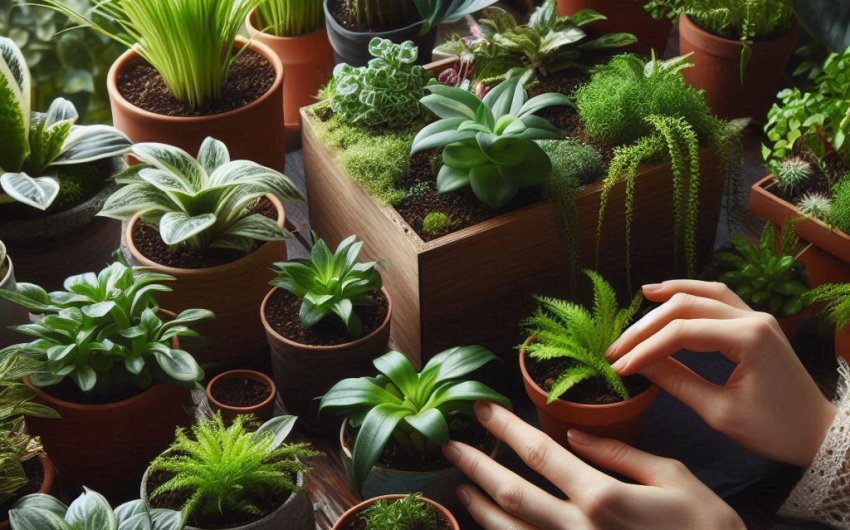
Embarking on the journey of indoor planting can transform your living space into a vibrant, breathable oasis. For beginners, it might seem daunting to keep a plant alive indoors, but with the right guidance, anyone can cultivate a thriving collection of houseplants. It's not just about aesthetics; bringing greenery inside offers numerous benefits, from improving air quality to boosting your mood. This comprehensive guide will walk you through everything you need to know to successfully start your indoor plant adventure, ensuring your plants don't just survive but truly flourish.
Why Should I Start Indoor Planting?
The allure of indoor planting extends far beyond simply decorating a room. There are tangible benefits to surrounding yourself with living greenery that impact both your environment and your well-being.
Enhancing Your Home Environment
Plants are natural air purifiers and living decor that can dramatically change the feel of a room.
Improved Air Quality: Nature's Filters
Plants absorb carbon dioxide and release oxygen during photosynthesis. But that's not all. Many houseplants are also excellent at filtering out common indoor air pollutants like formaldehyde, benzene, and trichloroethylene, which can off-gas from furniture, cleaning products, and building materials. A study by NASA in the late 1980s highlighted several plants effective at this, making them natural air purifiers. Consider adding a home air quality monitor to see the difference.
Boosted Humidity Levels
Especially in dry indoor environments (common with central heating/air conditioning), plants release moisture through a process called transpiration, which can help raise humidity levels. This can be beneficial for both humans (aiding respiratory health, skin, and hair) and other houseplants that prefer higher humidity. You can also use a plant mister for a localized boost.
Aesthetic Appeal and Interior Design
Plants add life, color, and texture to any space. They can soften harsh lines, fill empty corners, and act as natural focal points. A well-placed plant can instantly make a room feel more inviting, cozy, and vibrant. Different plant stands and decorative planters can further enhance your interior design.
Boosting Your Well-being
The benefits of plants aren't just physical; they have a profound impact on mental and emotional health.
Stress Reduction and Mood Improvement
Studies have shown that interacting with plants and being in green spaces can lower stress levels, reduce anxiety, and improve overall mood. The act of caring for a plant can be meditative and grounding. Just having plants visible in your living or workspace can create a calming atmosphere. A comfortable seating area near your plants can enhance relaxation.
Increased Focus and Productivity
Some research suggests that having plants in a workspace can improve concentration, memory, and even productivity. They provide a subtle, calming presence that helps reduce mental fatigue.
Sense of Accomplishment
Watching a plant grow and thrive under your care provides a tangible sense of accomplishment and connection to nature. It's incredibly rewarding to see new leaves unfurl or a plant you've nurtured flourish. A plant journal can help you track progress.
Learning Opportunity
Indoor planting offers a continuous learning experience. You'll learn about different plant species, their needs, pest management, and propagation, expanding your knowledge of the natural world.
How Do I Choose My First Indoor Plants?
Choosing your first indoor plants is exciting, but it's crucial to select varieties that are forgiving and well-suited to a beginner's care level. Starting with easy-care plants builds confidence and helps you learn the ropes without too much frustration.
Assess Your Environment First
Before you even look at plants, understand what your home can offer them. This is the most crucial step.
Light Conditions: The Most Important Factor
Light is the fuel for plants. Observe your home throughout the day.
- Bright, indirect light: This is the ideal for most houseplants. It means a spot near a window that gets plenty of light but no direct sunbeams hitting the leaves, or direct sun only for a few hours in the morning or late afternoon. An east-facing window often provides this.
- Direct sun: South or west-facing windows can provide intense direct sunlight, which is too harsh for many plants but essential for succulents and cacti.
- Low light: Areas far from windows or rooms with small windows. Very few plants truly thrive in "no" light, but some tolerate low light.
- Use a light meter for plants if you want precise measurements.
Humidity Levels
Are your rooms typically dry (especially in winter with heating)? Some plants prefer higher humidity. You might need a humidifier for plants for certain types.
Temperature Consistency
Most houseplants prefer average room temperatures between (65^\circ\text{F}) and (75^\circ\text{F}) ((18^\circ\text{C}) and (24^\circ\text{C})). Avoid drafty spots or areas near heating/cooling vents.
Top Beginner-Friendly Plant Choices
Once you know your light conditions, pick plants that match. Here are some reliable choices for new plant parents:
For Low to Medium Light:
- Snake Plant (Sansevieria trifasciata): Almost indestructible! Tolerates neglect, low light, and inconsistent watering. Comes in various striking upright forms. An excellent snake plant is a great starting point.
- ZZ Plant (Zamioculcas zamiifolia): Another incredibly resilient plant that can handle low light and long periods without water thanks to its rhizomes (underground stems that store water).
- Pothos (Epipremnum aureum): A versatile vining plant with heart-shaped leaves. Tolerates medium to low light and is very forgiving with watering. It comes in many varieties like 'Golden Pothos' or 'Marble Queen Pothos'. A pothos plant is a classic for a reason.
- Peace Lily (Spathiphyllum): Known for its elegant white "flowers" (modified leaves). It's a great indicator plant – it will visibly droop when thirsty, making it easy to know when to water. Prefers medium to low light.
For Bright, Indirect Light:
- Spider Plant (Chlorophytum comosum): Easy to care for, produces "spiderettes" (baby plants) that can be propagated. Tolerates a range of conditions but thrives in bright, indirect light. A classic spider plant adds lovely texture.
- Philodendron (Heartleaf Philodendron): Similar to Pothos, this vining plant is easy to care for and adaptable. Its dark green heart-shaped leaves are very appealing.
- Prayer Plant (Maranta leuconeura): Famous for its leaves that fold up at night like praying hands. It likes higher humidity and consistent moisture but is still relatively easy.
- Aloe Vera (Aloe barbadensis miller): A succulent with medicinal properties. Needs bright, indirect light and well-draining soil. Allow soil to dry out between waterings. An aloe vera plant is also useful to have around.
For Direct Sun (South or West-facing Window):
- Jade Plant (Crassula ovata): A classic succulent that looks like a miniature tree. Requires plenty of direct sunlight and infrequent watering.
- Cactus varieties: Many types of cacti thrive in full sun and well-draining soil, needing very little water. Consider a beginner cactus variety pack.
What Essential Supplies Do I Need for Indoor Planting?
Once you've picked your first plants, you'll need a few basic tools and materials to ensure they have the best start possible. You don't need a massive collection of gear, just the essentials.
Pots: Form and Function
The right pot is critical for plant health, especially when it comes to drainage.
Drainage Holes are Non-Negotiable
This is the most important feature. Water must be able to escape the bottom of the pot to prevent root rot, which is a common killer of houseplants. Always choose a pot with drainage holes. If your chosen decorative pot doesn't have holes, use it as a cachepot (a decorative outer pot) and keep your plant in a smaller, plain plastic pot with drainage inside it.
Material Matters
- Terracotta/Clay Pots: Porous material allows air and moisture to pass through, helping the soil dry out faster. Excellent for succulents, cacti, and plants prone to overwatering. Terracotta pots with saucers are highly recommended.
- Plastic Pots: Retain moisture longer. Lighter and more affordable. Good for moisture-loving plants or if you tend to forget to water.
- Ceramic/Glazed Pots: Less porous than terracotta, retaining more moisture. Often very decorative. Ensure they have drainage holes.
Size Selection
Don't overpot your plant. A pot that's too large holds too much soil and thus too much moisture, leading to root rot. Choose a pot that's only slightly larger than the plant's root ball. For a plant you buy in a 4-inch nursery pot, a 6-inch decorative pot is usually a good next step.
Potting Mix: The Right Foundation
Do NOT use garden soil or soil from your backyard. It's too dense, can contain pests, and isn't sterile.
All-Purpose Potting Mix
For most common houseplants (like Pothos, Snake Plant, Peace Lily), a good quality, all-purpose indoor potting mix will suffice. Look for mixes that are lightweight and drain well.
Specialized Mixes
- Succulent/Cactus Mix: Essential for succulents and cacti. This mix contains more perlite, sand, or grit to ensure extremely fast drainage. A succulent and cactus potting mix is designed for these specific needs.
- Orchid Mix: For orchids, you'll need a very coarse mix of bark, charcoal, and perlite.
- You can also amend a regular potting mix with perlite (for drainage) or vermiculite (for moisture retention) if you want to customize it.
Watering Tools: Precision and Ease
Watering is the most frequent task, so make it easy.
Watering Can
A small, lightweight indoor watering can with a long, narrow spout allows you to direct water precisely to the soil without splashing leaves or furniture.
Moisture Meter (Optional but Recommended)
A plant moisture meter takes the guesswork out of watering. Simply insert the probe into the soil to get a reading on its moisture level. This is invaluable for beginners.
Plant Mister
For plants that love humidity (like Peace Lilies, Prayer Plants, Ferns), a plant mister can provide a temporary boost of moisture to their leaves.
Other Handy Supplies
- Pruning Snips: Small, sharp pruning snips are perfect for deadheading spent flowers, removing yellowing leaves, or taking cuttings for propagation.
- Plant Labels: If you have many similar-looking plants or are propagating, plant labels can help you keep track.
- Gloves: For keeping your hands clean, especially when repotting.
- Trowel/Scoop: A small hand trowel or soil scoop for moving potting mix.
- Clean Cloth: For wiping dust off leaves. A soft microfiber cloth works well.
What Are the Basic Care Steps for Indoor Plants?
Once you have your plants and supplies, it’s time to learn the fundamental care routines. These core practices will cover most of what your plant needs to thrive.
Watering: The Golden Rule
This is where most beginners struggle. The key is consistency, not frequency.
How to Water: The "Saturate and Drain" Method
- Check the soil: Before watering, always feel the top 1-2 inches of soil with your finger. For most plants, if it feels dry, it's time to water. For succulents/cacti, let it dry out even more deeply.
- Water thoroughly: Pour water slowly over the entire surface of the soil until it starts to drain out of the bottom of the pot. This ensures the entire root ball gets hydrated.
- Empty excess water: Do not let your plant sit in standing water. Empty the saucer after about 15-30 minutes. Sitting in soggy soil leads to root rot.
When to Water: Listen to Your Plant (and the Soil)
- There's no fixed schedule (e.g., "water every Wednesday"). It depends on the plant type, pot size, light, humidity, and time of year.
- Signs of underwatering: Drooping leaves, dry crispy edges, shriveling leaves (succulents), very light pot.
- Signs of overwatering: Yellowing leaves (often mushy), wilting (despite wet soil), dark spots, foul smell from soil, gnats.
Light: The Fuel for Growth
Even if you choose low-light plants, they still need some light.
Understand Your Plant's Needs
- Bright, indirect light: Most common houseplants. Avoid direct, harsh afternoon sun which can scorch leaves.
- Direct sun: Succulents, cacti.
- Low light tolerance: Snake Plant, ZZ Plant, Pothos, Peace Lily (though they'll thrive in brighter indirect light).
Rotate Your Plants
Turn your plants a quarter turn every week or two. This encourages even growth and prevents them from leaning too much towards the light source.
Humidity: Often Overlooked
Many houseplants come from tropical environments and appreciate higher humidity than the average home provides.
Misting
Lightly misting leaves with a plant mister can provide a temporary boost. Do this in the morning so leaves can dry.
Pebble Trays
Place a tray filled with pebbles and water beneath your plant's pot. Ensure the bottom of the pot isn't sitting directly in the water. As the water evaporates, it increases humidity around the plant.
Grouping Plants
Grouping plants together can create a mini-microclimate with higher humidity as they release moisture through transpiration.
Humidifier
For serious humidity lovers or very dry homes, a small room humidifier can be very beneficial.
Fertilizing: Feeding Your Green Friends
Plants need nutrients to grow, but indoor plants need less fertilizer than outdoor ones.
When to Fertilize
Only fertilize during the growing season (spring and summer) when your plant is actively producing new growth. Do not fertilize in fall and winter when most plants slow down.
Type of Fertilizer
Use a balanced liquid houseplant fertilizer. For succulents and cacti, use a succulent-specific fertilizer or dilute a general one even more.
Dilution
Always dilute liquid fertilizers to at least half or even quarter strength of what's recommended on the bottle. Over-fertilizing can burn roots and harm your plant.
Pruning and Cleaning: For Health and Aesthetics
These simple tasks keep your plants looking good and encourage healthy growth.
Deadheading and Removing Yellow Leaves
- Deadheading: Remove spent flowers to encourage the plant to produce more blooms (for flowering plants).
- Remove yellow/dead leaves: Snip off any yellowing, brown, or dead leaves with clean pruning snips. This directs the plant's energy to healthy growth.
Dusting Leaves
Leaves collect dust, which can block sunlight and hinder photosynthesis. Gently wipe down leaves with a soft, damp cloth every few weeks.
Repotting: Giving Room to Grow
Plants eventually outgrow their pots.
When to Repot
Signs your plant needs repotting:
- Roots are growing out of the drainage holes.
- Water runs straight through the pot quickly (meaning it's mostly roots, little soil).
- The plant's growth has stunted.
- You see a dense mass of roots when you gently lift the plant from its pot.
How to Repot
- Choose a pot that's only 1-2 inches larger in diameter than the current one.
- Gently remove the plant from its old pot. Loosen any circling roots.
- Add a layer of fresh potting mix to the new pot.
- Center the plant, ensuring the soil line is about an inch below the rim.
- Fill with more potting mix, gently patting down.
- Water thoroughly.
What Common Problems Might I Encounter as a Beginner?
Even with the best intentions, new plant parents often face a few common hurdles. Understanding these issues helps you diagnose and fix them without panic.
Yellowing Leaves
This is the most frequent symptom and usually points to watering issues.
Too Much Water (Most Common)
- Symptoms: Leaves turn yellow and feel soft or mushy. Often accompanied by wilting despite wet soil. Lower leaves usually yellow first.
- Solution: Let the soil dry out more between waterings. Ensure good drainage. If severe, check for root rot and repot if necessary.
Not Enough Water
- Symptoms: Leaves turn yellow or brown, feel dry and crispy, and may shrivel. The soil will be bone dry.
- Solution: Water thoroughly until water drains from the bottom.
Light Issues
- Too little light: Leaves may yellow and look pale overall, sometimes combined with leggy growth.
- Too much light (sunburn): Yellow or brown scorched patches, especially on leaves facing the sun.
- Solution: Adjust plant's location according to its light needs.
Nutrient Deficiency (Less Common for Beginners)
- Symptoms: General yellowing, often uniform or starting on older leaves.
- Solution: Fertilize sparingly during the growing season with a balanced houseplant fertilizer.
Drooping or Wilting Leaves
This is a dramatic signal from your plant.
Underwatering (Most Common)
- Symptoms: Plant looks limp and sad. Soil is dry.
- Solution: Water thoroughly. Most plants perk up within a few hours.
Overwatering
- Symptoms: Plant droops, but leaves might feel soft/mushy and soil is wet. This indicates root rot – roots can't take up water even though it's plentiful.
- Solution: Stop watering, let soil dry, improve drainage, or repot if root rot is suspected.
Temperature Shock
- Symptoms: Sudden droop after exposure to cold drafts or extreme heat.
- Solution: Move plant to a more stable environment.
Brown Leaf Tips or Edges
This often points to humidity or water quality issues.
Low Humidity
- Symptoms: Crispy, brown tips or edges on leaves, especially on tropical plants.
- Solution: Mist regularly, use a pebble tray, or group plants. A humidifier for plants can also help.
Underwatering
- Symptoms: If the plant is consistently underwatered, the tips and edges can dry out.
- Solution: Adjust watering schedule.
Salt Buildup from Tap Water
- Symptoms: Brown tips even with good watering. White crust on soil or pot rim.
- Solution: Use filtered water, distilled water, or rainwater. Flush the soil by watering thoroughly until water flows freely from drainage holes.
Pests: The Unwanted Guests
While less common indoors than outdoors, houseplant pests can occur.
Common Indoor Pests
- Fungus Gnats: Tiny, harmless flies that hover around the soil. They usually indicate overwatering.
- Mealybugs: Look like small, white, cottony masses on stems and leaf joints.
- Spider Mites: Tiny arachnids that cause fine webbing on leaves and yellow stippling. They thrive in dry conditions.
- Scale Insects: Small, brown, hard bumps on stems and leaves that can be scraped off.
Solutions for Pests
- Isolate: Immediately move the affected plant away from other plants.
- Inspect: Use a magnifying glass for plants to identify the pest.
- Treatment:
- Fungus Gnats: Let soil dry out completely between waterings. Use sticky traps for gnats.
- Mealybugs/Scale: Dab with a cotton swab dipped in rubbing alcohol. Repeat regularly.
- Spider Mites: Increase humidity. Spray with insecticidal soap for plants, ensuring full coverage, especially undersides of leaves.
- For all pests, consistent treatment is key. A good plant care kit can have helpful items.
Stunted Growth
If your plant isn't growing or producing new leaves.
Causes
- Lack of light: Insufficient light slows down photosynthesis.
- Lack of nutrients: Especially if the plant hasn't been repotted in a long time or fertilized.
- Too small a pot: Root-bound plants can't access enough resources.
- Dormancy: Many plants naturally slow growth in fall and winter.
Solutions
- Adjust light.
- Fertilize during the growing season.
- Repot if root-bound.
- Understand seasonal changes.
What Are Some Advanced Tips for Enthusiastic Beginners?
Once you've mastered the basics and your initial plants are thriving, you might find yourself wanting to dive deeper into the world of indoor planting. Here are a few next steps to expand your skills and collection.
Learn to Propagate: Multiply Your Plants
Propagation is the process of creating new plants from existing ones. It's incredibly rewarding and a great way to expand your collection for free or share with friends.
Stem Cuttings
Many popular houseplants (like Pothos, Philodendron, ZZ Plant, Snake Plant, Trailing plants) can be propagated from stem cuttings.
- Take a cutting: Using clean pruning snips, cut a stem piece with a few leaves and at least one "node" (the bump on the stem where a leaf or root grows).
- Water propagation: Place the cutting in a glass of water, ensuring the node is submerged but leaves are above water. Place in bright, indirect light. Change water every few days. Roots should appear in a few weeks. A plant propagation station can be a beautiful way to display cuttings.
- Soil propagation: Plant the cutting directly into moist potting mix. Keep the soil consistently moist until roots establish.
Leaf Cuttings
Some succulents (like Jade Plants, Snake Plants) can be propagated from single leaves. Let the cut end dry for a day or two, then place it on top of or slightly buried in well-draining succulent soil.
Understanding Plant Dormancy
Many indoor plants have a natural dormancy period, usually during fall and winter, when light levels are lower and temperatures are cooler.
Signs of Dormancy
- Slower or no new growth.
- Less water intake.
- Some plants may shed a few older leaves.
Adjusting Care During Dormancy
- Reduce watering: Plants need less water when not actively growing. Allow the soil to dry out more between waterings.
- Stop fertilizing: Do not fertilize during dormancy.
- Provide adequate light: While growth slows, they still need light.
Troubleshooting Like a Pro
Beyond common problems, learning to observe your plant closely and research specific symptoms will make you a better plant parent.
Observe Closely
- Check leaves (top and bottom), stems, and soil regularly. Look for subtle changes.
- Notice patterns: Is the yellowing on old or new leaves? Is it uniform or patchy? This provides clues.
Research Specific Plant Needs
- Each plant species has unique preferences. Use reliable online resources, plant books, or plant care apps to learn the specific needs of your plants. A good houseplant care book is an invaluable resource.
Don't Be Afraid to Experiment (Carefully)
- Sometimes, minor adjustments to watering, light, or location are all it takes. Make one change at a time and observe the plant's response.
Expanding Your Collection
As you gain confidence, you can explore a wider variety of plants.
Consider Air Plants (Tillandsia)
These unique plants don't need soil! They absorb nutrients and water through their leaves. Perfect for creative displays. A selection of air plants can add a modern touch.
Flowering Houseplants
Once you're comfortable with foliage plants, try some flowering varieties like orchids, African Violets, or Christmas Cacti, which require more specific care for blooming.
Herbs Indoors
Many herbs can be grown indoors, providing fresh ingredients for your cooking. Try basil seeds for indoor growing or a mint plant.
Join a Plant Community
Connect with other plant enthusiasts online or locally. Sharing experiences, asking questions, and seeing others' successes can be incredibly motivating and educational. Many online forums and social media groups are dedicated to indoor planting.