
What Are the Best Plants for Indoor Gardening?
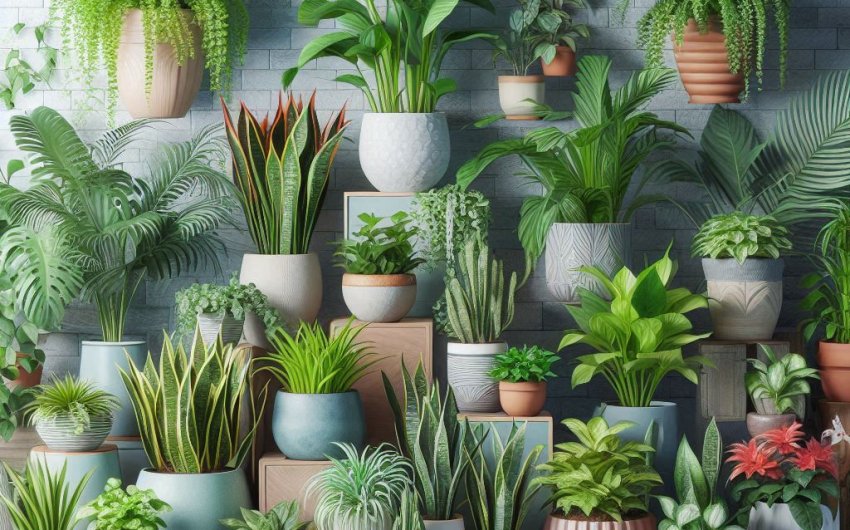
Bringing the vibrant energy of the outdoors inside is a desire shared by many, and indoor gardening offers the perfect solution for urban dwellers, those with limited outdoor space, or anyone seeking to enhance their living environment with natural beauty. The right selection of plants can transform any room into a refreshing oasis, purifying the air, boosting mood, and adding a touch of living decor. However, not all plants are equally suited for life indoors. Success hinges on choosing varieties that can adapt to typical household conditions and are forgiving enough for varying levels of plant care experience. This guide will explore what are the best plants for indoor gardening, covering a range of options suitable for different light levels, care commitments, and aesthetic preferences.
Why is Indoor Gardening So Popular?
The appeal of indoor gardening extends far beyond mere aesthetics. It's a growing trend with numerous practical and emotional benefits.
What are the Benefits of Growing Plants Indoors?
Indoor plants offer a myriad of advantages that enhance our daily lives.
- Improved Air Quality: Many houseplants are natural air purifiers, filtering out common indoor toxins like formaldehyde, benzene, and trichloroethylene released from furniture, carpets, and cleaning products. This leads to healthier breathing air.
- Boosts Mood and Reduces Stress: Studies show that interacting with plants can lower stress levels, improve concentration, and even reduce symptoms of anxiety and depression. The presence of greenery creates a calming and soothing environment.
- Adds Aesthetic Appeal: Plants are living decor, adding texture, color, and natural beauty to any room. They can soften harsh lines, fill empty spaces, and create focal points. You can enhance their appeal with stylish decorative plant pots.
- Connects with Nature: For those living in urban areas or without access to outdoor green spaces, indoor plants provide a vital connection to the natural world.
- Increases Productivity and Creativity: The presence of plants in workspaces has been linked to increased productivity and enhanced creativity.
- Simple Hobby: Indoor gardening is an accessible and rewarding hobby for all ages and skill levels, offering a sense of accomplishment as plants grow and thrive.
- Natural Humidity Boost: Especially in dry indoor environments (due to heating or air conditioning), plants release moisture through transpiration, slightly increasing ambient humidity.
- Reduces Noise Levels: Plants can subtly help to absorb sound, making rooms feel quieter and more peaceful.
Best Plants for Beginners: Easy-Care and Forgiving
For those just starting their indoor gardening journey, choosing resilient and low-maintenance plants is key to building confidence and avoiding disappointment.
Which Houseplants are Easiest for New Gardeners?
These plants are incredibly tolerant and forgiving, making them ideal for starting your green thumb journey.
- Snake Plant (Sansevieria trifasciata):
- Why it's great: Almost indestructible! It tolerates low light, inconsistent watering, and generally shrugs off neglect. It's also an excellent air purifier.
- Appearance: Stiff, upright, sword-like leaves with various patterns of green, yellow, and silver.
- Light: Low to bright indirect light. Avoid direct sun.
- Water: Water only when soil is completely dry. Less is more.
- Benefits: Highly effective at air purification, very resilient. You can find different snake plant varieties.
- ZZ Plant (Zamioculcas zamiifolia):
- Why it's great: Another champion of neglect! It stores water in its thick rhizomes (underground stems), making it incredibly drought-tolerant.
- Appearance: Glossy, dark green, waxy leaves on upright stems.
- Light: Very low to bright indirect light. Avoid direct sun.
- Water: Water only when soil is completely dry, every 2-4 weeks or even less.
- Benefits: Excellent for low-light spaces, requires minimal watering.
- Pothos (Epipremnum aureum):
- Why it's great: Known as "Devil's Ivy" because it's so hard to kill. It's a versatile vining plant that tolerates a wide range of conditions.
- Appearance: Heart-shaped leaves, commonly green, variegated with yellow ('Neon'), or white ('Marble Queen'). Grows long, trailing vines.
- Light: Low to bright indirect light. Brighter light enhances variegation. Avoid direct sun.
- Water: Water when the top inch or two of soil is dry. Tolerates some drying out.
- Benefits: Versatile (hanging baskets, climbing, trailing), air purifying, very forgiving. Consider a Pothos 'Neon' plant for vibrant color.
- Spider Plant (Chlorophytum comosum):
- Why it's great: Easy to care for, readily produces "spiderettes" (baby plants) that are fun to propagate, and non-toxic to pets.
- Appearance: Long, arching, strap-like leaves, usually green with white or cream stripes.
- Light: Medium to bright indirect light.
- Water: Water when the top inch of soil is dry. Tolerates some neglect.
- Benefits: Pet-friendly, air purifying, great for hanging baskets.
- Peace Lily (Spathiphyllum):
- Why it's great: Graceful white "blooms" (actually modified leaves), known for air purification, and famously tells you when it's thirsty by drooping (then perks right back up after watering).
- Appearance: Glossy, dark green leaves with elegant white spathes.
- Light: Medium to bright indirect light for best flowering. Can tolerate low light (but won't bloom).
- Water: Keep soil consistently moist, but not soggy. Water when leaves slightly droop.
- Benefits: Beautiful blooms, excellent air purifier, communicates its needs clearly. You can find various sizes of peace lily plants.
- Cast Iron Plant (Aspidistra elatior):
- Why it's great: Lives up to its name – incredibly tough and tolerant of deep shade, irregular watering, and cool temperatures.
- Appearance: Large, dark green, leathery leaves on upright stems.
- Light: Very low to medium light.
- Water: Water thoroughly, then let dry out almost completely.
- Benefits: Perfect for challenging low-light areas, very resilient.
Best Plants for Bright, Indirect Light Conditions
Many of our most beloved houseplants thrive in bright, but not direct, sunlight. These spots are typically near a window that doesn't get harsh afternoon sun.
Which Houseplants Excel in Bright, Indirect Light?
These plants flourish where light is plentiful but diffused.
- Monstera Deliciosa (Swiss Cheese Plant):
- Why it's great: A trendy statement plant with impressive, iconic split leaves as it matures.
- Appearance: Large, glossy green leaves that develop characteristic splits and holes (fenestrations).
- Light: Bright, indirect light. Can tolerate medium light but may not develop fenestrations as readily.
- Water: Water when the top 2-3 inches of soil are dry. Likes humidity. Provide a moss pole for climbing plants for larger growth.
- Fiddle Leaf Fig (Ficus lyrata):
- Why it's great: A popular, architectural plant with large, glossy, violin-shaped leaves that make a dramatic statement.
- Appearance: Tall, upright plant with large, leathery, dark green leaves.
- Light: Bright, indirect light is essential. Can tolerate some direct morning sun.
- Water: Water thoroughly when the top 2-3 inches of soil are dry. Hates wet feet.
- Benefits: Architectural beauty, creates a focal point.
- Philodendron (various species beyond Pothos):
- Why it's great: A vast genus offering incredible variety in leaf shape, color, and size (e.g., 'Brasil', 'Micans', 'Pink Princess', 'Birkin'). Many are excellent climbers.
- Appearance: Highly diverse foliage; often heart-shaped, deeply lobed, or variegated in various greens, reds, and pinks.
- Light: Bright, indirect light is best for vibrant colors and robust growth.
- Water: Water when the top 1-2 inches of soil are dry. Prefers high humidity. You can find Philodendron 'Pink Princess' plants for a splash of color.
- Ficus Elastica (Rubber Plant):
- Why it's great: A classic houseplant with large, glossy leaves that come in deep green, burgundy, or variegated forms. Relatively easy care.
- Appearance: Upright, tree-like growth habit with thick, waxy leaves.
- Light: Bright, indirect light. Can tolerate some direct morning sun.
- Water: Water thoroughly when the top 2-3 inches of soil are dry.
- Benefits: Bold foliage, contributes to air purification.
- Prayer Plant (Maranta leuconeura):
- Why it's great: Known for its striking foliage patterns and unique habit of folding its leaves up at night, like hands in prayer.
- Appearance: Oval leaves with intricate patterns of green, red, and cream.
- Light: Medium to bright indirect light. Avoid direct sun.
- Water: Keep soil consistently moist, but not soggy. Requires high humidity.
- Benefits: Unique movement, beautiful foliage.
- Calathea (various species):
- Why it's great: A diverse group of plants with some of the most stunningly patterned foliage in the plant kingdom, often with purple undersides.
- Appearance: Wide variety of leaf patterns, colors, and textures, often with an intricate, painted look.
- Light: Medium to bright indirect light. Avoid direct sun.
- Water: Keep soil consistently moist. Highly sensitive to low humidity and tap water chemicals (prefers distilled/filtered water).
- Benefits: Exquisite foliage, adds a tropical feel.
Best Plants for Low Light Conditions (Tolerant, Not Necessarily Thriving)
While all plants need some light, these are the champions of dimly lit spaces, surviving where many others would struggle. Note that "low light" often means growth will be slower.
Which Houseplants Tolerate Low Light Best?
These are resilient choices for challenging corners.
- ZZ Plant (Zamioculcas zamiifolia): (Already covered as beginner-friendly, but truly shines here).
- Snake Plant (Sansevieria trifasciata): (Also a beginner champion for low light).
- Cast Iron Plant (Aspidistra elatior): (Another truly tough plant for dim corners).
- Chinese Evergreen (Aglaonema):
- Why it's great: Incredibly versatile with stunning variegated foliage, many varieties tolerate lower light very well.
- Appearance: Wide range of leaf patterns, from green and silver to pink, red, and yellow.
- Light: Low to bright indirect light. The darker green varieties tolerate lower light best. More colorful varieties need brighter indirect light to maintain their vibrant hues.
- Water: Water when the top 1-2 inches of soil are dry. Prefers moderate to high humidity.
- Benefits: Beautiful foliage variety, air purifying, highly adaptable. A Chinese Evergreen 'Silver Bay' plant is a popular choice for its subtle beauty.
- Pothos (Epipremnum aureum): (Already covered, but its low-light tolerance makes it a repeat mention).
Edible Plants for Indoor Gardening
Indoor gardening isn't just for ornamental plants; you can grow fresh herbs and even some vegetables right in your kitchen!
What Edible Plants Can I Grow Indoors?
Fresh flavors are just a few steps away, even without an outdoor garden.
- Herbs:
- Basil, Mint, Rosemary, Thyme, Chives, Oregano: Many herbs thrive indoors with enough light (often bright, indirect to direct sun). Place them on a sunny windowsill. A kitchen herb garden kit can get you started.
- Light: Bright, indirect to full sun (especially for basil, rosemary).
- Water: Keep consistently moist, but not soggy.
- Benefits: Fresh flavors for cooking, pleasant aromas.
- Lettuce & Leafy Greens (Loose-leaf varieties):
- Why it's great: Quick-growing and you can harvest outer leaves continuously.
- Light: Bright, indirect light or under a grow light for edibles.
- Water: Keep consistently moist.
- Benefits: Fresh greens for salads, very rewarding.
- Scallions/Green Onions:
- Why it's great: Super easy to regrow from store-bought scraps.
- Light: Bright, indirect light.
- Water: Keep roots in water, changing every few days, or plant in moist soil.
- Benefits: Continuous supply of fresh scallions.
- Cherry Tomatoes (Dwarf Varieties):
- Why it's great: If you have a very sunny spot (south-facing window) or a strong grow light, dwarf varieties can produce fruit.
- Light: Needs at least 6-8 hours of direct sun or very strong grow light.
- Water: Keep consistently moist. Needs good drainage.
- Benefits: Fresh, homegrown tomatoes (small yield).
- Strawberries (Ever-bearing or Alpine Varieties):
- Why it's great: Can produce small, sweet fruits indoors with enough light.
- Light: Needs at least 6-8 hours of direct sun or a strong grow light.
- Water: Keep consistently moist.
- Benefits: Fresh berries, delightful to watch grow. You can find everbearing strawberry plants.
General Tips for Successful Indoor Gardening
Regardless of the plant you choose, a few universal care practices will set you up for success.
What are Essential Tips for All Indoor Gardeners?
These fundamental principles apply to almost every houseplant.
- Choose the Right Pot with Drainage: Always use pots with drainage holes at the bottom to prevent waterlogging and root rot. If you love a decorative pot without holes, use it as a cachepot (a decorative outer pot) and place your plant in a slightly smaller nursery pot with drainage inside. A plant pot with drainage tray is very practical.
- Use Quality Potting Mix: Never use garden soil. It's too heavy and compacts in pots. Use a well-draining indoor plant potting mix formulated for houseplants, often containing perlite or coco coir.
- Learn to "Read" Your Plant: Pay attention to its leaves (color, texture, wilting), new growth, and overall vigor. Plants communicate their needs through these signals.
- Don't Overwater: This is the most common killer of houseplants. Always check the soil moisture before watering. A soil moisture meter can be a helpful tool.
- Consistent Watering, Not a Schedule: Water based on the plant's needs, not a rigid schedule. Factors like temperature, humidity, and pot size affect how quickly soil dries.
- Fertilize During Growing Season: Fertilize plants every 2-4 weeks during spring and summer (active growing season) with a balanced liquid houseplant fertilizer diluted to half strength. Reduce or stop in fall and winter.
- Provide Humidity: Most tropical houseplants appreciate humidity. Use pebble trays, mist regularly, or get a humidifier.
- Clean Leaves: Dust accumulates on leaves, blocking light. Wipe leaves gently with a damp cloth every few weeks.
- Repot When Root-Bound: Repot your plants into a slightly larger pot (1-2 inches wider) when you see roots circling the bottom of the pot or growing out of drainage holes.
- Prune for Health and Shape: Remove yellow, brown, or dead leaves. Prune to encourage bushier growth or maintain shape.
- Check for Pests Regularly: Inspect your plants every time you water, especially the undersides of leaves, for signs of common pests like aphids, spider mites, or mealybugs. Treat early with insecticidal soap for plants or Neem oil.
The world of indoor gardening is vast and rewarding, offering a diverse array of plants to suit every space, light condition, and skill level. By choosing the best plants for indoor gardening that align with your environment and commitment, you can easily cultivate a thriving green sanctuary that brings beauty, fresh air, and a touch of nature into your home.