
How Much Light Do Indoor Plants Need?
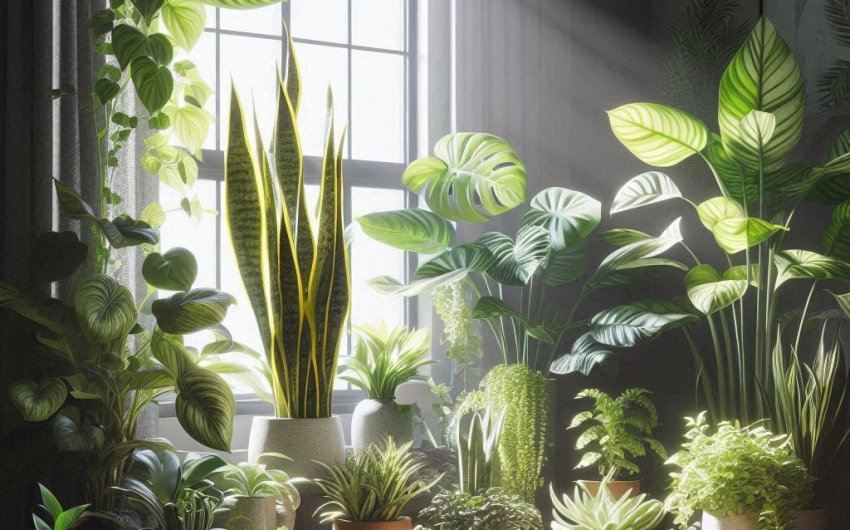
Understanding the light requirements of indoor plants is perhaps the most critical factor in their health and survival. Just like people need food and water, plants need light to make their own food through a process called photosynthesis. Providing the right amount of illumination means the difference between a thriving, vibrant plant and one that merely survives, or even slowly declines. Knowing how much light indoor plants need helps you place them correctly and ultimately, enjoy their beauty for longer.
Why is Light So Important for Indoor Plants?
Light is the fuel for almost all plant life. It's not just about brightening a room; it's about providing the energy a plant needs to carry out its most basic life functions. Without proper light, your indoor plants simply cannot make the food they need to grow, flower, or even stay alive.
The Process of Photosynthesis
At its core, the importance of light boils down to photosynthesis. This is the incredible process by which plants convert light energy into chemical energy (sugars), which they use as food.
- Ingredients for Food: Think of plants as tiny chefs. Their "kitchen" is inside their leaves, specifically in structures called chloroplasts, which contain chlorophyll (the green pigment). The "ingredients" they use are carbon dioxide (from the air) and water (from the soil).
- Sunlight as Energy: Sunlight provides the energy needed to combine these ingredients. Without light, this chemical reaction cannot occur.
- Producing Sugars and Oxygen: As a result of photosynthesis, plants produce glucose (a type of sugar), which is their food, and oxygen, which they release into the air. This oxygen is vital for most living creatures, including us!
- Growth and Energy Storage: The sugars produced are used for all plant activities: growing new leaves, stems, roots, flowers, and fruits. Any extra sugars are stored for future use.
Without enough light, photosynthesis slows down or stops. This means the plant cannot make enough food to support itself, leading to weakened growth, yellowing leaves, and eventually, death.
Impact on Plant Growth and Development
The amount and quality of light directly influence every aspect of a plant's growth and development.
- Overall Vigor: Plants in their ideal light conditions are generally more robust, have stronger stems, and fuller foliage. They look healthy and vibrant.
- Leaf Color and Size:
- Too Little Light: Leaves might become pale, yellow, or smaller than usual. Variegated (multi-colored) plants might lose their distinct patterns and revert to solid green. This is because the plant is trying to produce more chlorophyll to capture any available light.
- Too Much Light (Direct Sun): Leaves can develop brown or bleached spots (sunburn), turn yellow, or look faded.
- Flowering and Fruiting: For flowering indoor plants, light is absolutely critical for flower production. Most flowering plants require bright light to bloom. Low light will result in few or no flowers. For plants that produce edible fruits (like indoor citrus), sufficient light is paramount for fruit development.
- Growth Habit:
- Leggy Growth (Etiolation): In low light, plants will stretch and become "leggy" or "etiolated." This means their stems become long and thin with widely spaced leaves, as the plant desperately tries to reach towards a light source. This makes the plant weak and unattractive.
- Compact Growth: Proper light encourages more compact, bushy, and attractive growth.
- Root Development: While roots are in the soil, their health is still tied to light. A plant that can photosynthesize well will have the energy to grow a strong, extensive root system, which in turn helps it absorb water and nutrients more effectively.
In essence, light is the fundamental requirement that powers all other functions within your indoor plants. Understanding and providing the correct amount of light is the most important step in successful houseplant care.
What Are the Different Categories of Indoor Plant Light?
When plant care guides talk about "low light" or "bright indirect light," what exactly do those terms mean in the context of your home? These categories describe the intensity and type of light exposure a plant receives.
Low Light
This refers to areas that receive very little natural light throughout the day.
- Characteristics:
- A room with a window facing a wall or another building.
- A corner far away from any window.
- A room with only small windows.
- Areas where you might need to turn on a light to read comfortably during the day.
- No direct sunlight ever reaches the plant.
- Light Test: If you hold a book and can barely read it without turning on a light, it's likely a low-light area. You'd cast a very faint or no shadow.
- Ideal Plants: ZZ Plant, Snake Plant (Sansevieria), Cast Iron Plant (Aspidistra elatior), Pothos (will survive but grow slowly), Peace Lily (may not flower). These plants are incredibly tolerant of dim conditions.
Medium / Moderate Light
This is a step up from low light, offering more ambient brightness.
- Characteristics:
- A few feet away from a bright, unobstructed window (e.g., 5-10 feet from an east or west-facing window, or 10-15 feet from a south-facing window).
- Rooms that are generally well-lit but where direct sun doesn't hit the plant's leaves.
- Light Test: You can comfortably read a book without turning on a light. You might cast a soft, blurred shadow.
- Ideal Plants: Many common houseplants thrive here. Prayer Plant (Maranta), most Philodendron varieties, Dracaena varieties, Spider Plant, Peace Lily (will flower more here), Chinese Evergreen (Aglaonema).
Bright, Indirect Light
This is the preferred light condition for a vast majority of indoor houseplants and is often considered the "gold standard."
- Characteristics:
- Near an unobstructed east-facing window (gets gentle morning sun).
- A few feet away from a south or west-facing window (where direct sun doesn't hit the leaves).
- A room with very large, bright windows where the light is diffused (e.g., sheer curtains).
- Light Test: You cast a distinct, but not razor-sharp, shadow. The light feels bright but soft.
- Ideal Plants: Monstera Deliciosa, Fiddle Leaf Fig, Bird of Paradise, Rubber Plant (Ficus elastica), Ficus Lyrata, Calathea varieties, most ferns, Orchids, many types of succulents (though many succulents prefer some direct sun). A bright plant pot can help reflect some of this light.
Direct Light / Full Sun
This describes unfiltered sunlight directly hitting the plant for several hours a day.
- Characteristics:
- Directly in an unobstructed south-facing window.
- Directly in an unobstructed west-facing window (can be very intense afternoon sun).
- Light Test: You cast a sharp, well-defined shadow. The area feels intensely bright.
- Ideal Plants: Few indoor plants genuinely prefer this, as the intensity can scorch leaves that are adapted to forest understories. However, Cacti, most Succulents (like Aloe Vera or Echeveria), and some flowering plants (like Geraniums or Hibiscus) can handle or even thrive in direct sun. Citrus trees also need lots of direct light indoors. A succulent plant kit will often come with instructions for bright light.
Understanding these categories allows you to better assess your home's lighting conditions and match the right plant to the right spot, ensuring its best chance for success.
How Can You Measure Light for Your Indoor Plants?
While descriptive terms like "bright indirect light" are helpful, actually measuring the light your plants receive can take your plant care to the next level. There are several ways to do this, from simple observations to using specialized tools.
The Shadow Test (Simple & Free)
This is a quick and easy way to estimate light levels without any special equipment.
- How to do it: Place your hand or a piece of paper about 6-12 inches above the spot where your plant will sit. Observe the shadow it casts on the floor or surface directly below.
- Interpret the Shadow:
- Sharp, Well-Defined Shadow: This indicates Direct Light/Full Sun. The edges of the shadow are clear and crisp.
- Soft, Fuzzy, but Still Distinct Shadow: This suggests Bright, Indirect Light. The shadow is noticeable but its edges are not perfectly sharp.
- Faint, Barely Visible Shadow: This points to Medium Light. You can just make out a shadow, but it's very vague.
- No Visible Shadow: This is a Low Light area.
- Timing: Perform this test during the brightest part of the day (usually midday) to get a sense of the peak light.
Using a Light Meter App (Smartphone)
Your smartphone can be surprisingly useful for a more quantifiable light measurement.
- How it Works: Download a light meter app (many are free for both iOS and Android). These apps use your phone's front-facing camera or ambient light sensor to measure light intensity, usually in Lux or Foot-Candles (fc).
- Accuracy: While not as precise as dedicated professional light meters, they provide a much better estimate than just guessing. They are generally good enough for distinguishing between low, medium, and bright indirect light.
- General Ranges:
- Low Light: Below 50 fc (500 Lux)
- Medium Light: 50-150 fc (500-1500 Lux)
- Bright Indirect Light: 150-400 fc (1500-4000 Lux)
- Direct Sun: 500+ fc (5000+ Lux), often much higher.
- Tip: Hold your phone at the exact spot where the plant leaves would be, facing upwards towards the main light source (window). Take readings at different times of day to understand the light fluctuation. A phone tripod can help keep the phone stable for accurate readings.
Dedicated Light Meters (More Accurate)
For serious plant enthusiasts or those with sensitive plants, a dedicated light meter offers the most accurate readings.
- Types: You can find digital lux meters or foot-candle meters specifically designed for horticulture. These are more precise and often have a wider range.
- Benefits: They give you exact numbers, allowing you to fine-tune your plant placement and identify optimal spots.
- Cost: These are an investment, but invaluable if you're growing rare or expensive plants, or if you're experimenting with grow lights. A digital light meter can be a worthwhile purchase.
Observing Your Plant's Behavior (Long-Term)
Ultimately, your plant itself is the best indicator of whether it's getting enough light.
- Signs of Too Little Light: Leggy growth (stretching), small new leaves, pale or yellowing leaves (especially lower ones), loss of variegation, leaning severely towards light, no new growth.
- Signs of Too Much Light: Sunburn (brown or crispy spots), bleached or faded leaves, yellowing on leaves facing the sun, drooping, stunted growth.
- Healthy Signs: Compact, bushy growth, vibrant leaf color, consistent new growth, flowering (if it's a flowering plant).
By combining these measurement techniques with keen observation, you'll gain a much better understanding of the light dynamics in your home and how to best position your indoor plants for success.
What Are Common Light-Related Problems and How to Fix Them?
Even with the best intentions, indoor plants can sometimes show signs of light stress. Recognizing these symptoms and knowing how to correct them is crucial for maintaining healthy plants.
Symptoms of Too Little Light
When a plant isn't getting enough light, it will literally reach for more, often at the expense of its overall health and appearance.
- Leggy Growth (Etiolation): This is perhaps the most common sign. Stems become long and stretched, with leaves spaced far apart. The plant is desperately trying to grow taller to find more light. This results in a weak, spindly, and unattractive plant.
- Fix: Move the plant to a brighter location. If a very long stem has developed, you might need to prune it back to encourage bushier growth. For trailing plants, this means the vines become very sparse.
- Small New Leaves: New leaves that emerge are noticeably smaller than older ones. This is another indicator that the plant isn't producing enough energy to support robust new growth.
- Fix: Increase light intensity.
- Pale or Yellowing Leaves: Leaves, especially older ones or those deeper in the plant, may turn pale green or yellow. This can sometimes be confused with overwatering or nutrient deficiency, but in low light, the plant isn't producing enough chlorophyll.
- Fix: Move to a brighter spot.
- Loss of Variegation: If your plant has beautiful white, yellow, or pink patterns on its leaves (variegation), these can fade or disappear in low light, with the leaf turning solid green. The plant is trying to maximize its photosynthetic area by making more chlorophyll.
- Fix: Provide brighter indirect light.
- Leaning Towards Light Source: The plant will visibly bend or stretch towards the nearest window or light source.
- Fix: Rotate the plant regularly to ensure even light exposure, or move it closer to the window.
- No New Growth: If your plant isn't growing at all, or growth is extremely slow, it could be due to insufficient light (assuming other factors like watering and temperature are adequate).
- Fix: Increase light. A plant shelf with grow lights can be a great solution for dark spaces.
Symptoms of Too Much Light (Sunburn)
Just as too little light is harmful, too much direct, intense light can also damage many indoor plants that are adapted to shadier, forest environments.
- Scorched or Brown Spots on Leaves: These spots usually appear as dry, crispy, brown patches, often on the parts of the leaf directly exposed to the sun. This is essentially a plant sunburn.
- Fix: Move the plant away from direct sunlight immediately. Prune off severely damaged leaves.
- Bleached or Faded Leaves: The vibrant green color of the leaves may fade, turning yellowish, washed out, or even white. This indicates that the chlorophyll is breaking down from too much light intensity.
- Fix: Move to a spot with filtered or less intense light.
- Crispy Edges/Tips: While often a sign of low humidity, crispy edges can also be a symptom of too much direct sun, especially when combined with rapid drying of the soil.
- Fix: Relocate the plant.
- Drooping Leaves (Despite Being Watered): In extreme cases, a plant might droop in direct sun, even if the soil is moist. It's trying to protect itself from excessive light and heat.
- Fix: Move to a shadier location.
- Stunted Growth: Surprisingly, too much light can also stunt growth. The plant is putting all its energy into self-preservation rather than new growth.
- Fix: Reduce light intensity.
How to Adjust Light Exposure
- Move the Plant: The most direct solution. Experiment with different locations in your home.
- Rotate the Plant: For plants near a window, rotate them regularly (e.g., weekly) to ensure all sides get even light exposure and prevent uneven, lopsided growth.
- Use Sheer Curtains: If you have a very sunny window but want to place a plant there, a sheer curtain can diffuse harsh direct sunlight, turning it into bright, indirect light.
- Artificial Grow Lights: For truly dark spaces, or to supplement natural light during winter months, a grow light is an excellent investment. Choose full-spectrum LED grow lights for the best results. A small LED grow light can make a big difference for individual plants.
- Clean Windows and Leaves: Dust on windows can block a surprising amount of light. Regularly clean your windows. Also, dust on plant leaves can block sunlight from reaching the chlorophyll, so gently wipe leaves with a damp cloth periodically.
By carefully observing your indoor plants and understanding these common light-related issues, you can provide the ideal environment for them to flourish, leading to a vibrant and healthy indoor jungle.