
How Do I Care for Indoor Plants in Low Light?
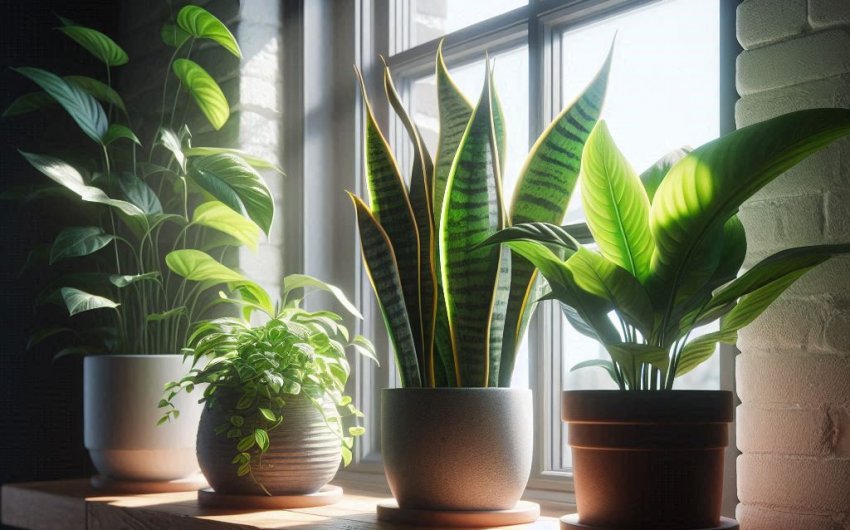
Cultivating thriving green companions in dimly lit spaces requires a nuanced understanding of their unique requirements, making it essential to grasp how to care for indoor plants in low light. While the absence of abundant sunshine presents a challenge, many resilient botanical varieties can flourish with proper attention to watering, feeding, and environmental adjustments. By adapting your approach to plant care, you can successfully nurture a vibrant indoor garden even in less than ideal illumination, transforming shaded corners into lush havens.
What Constitutes "Low Light" for Indoor Plants?
Understanding what "low light" truly means for indoor plants is the first step in successful cultivation. It's not about complete darkness, but rather the intensity and duration of natural light available in a given space. Different from direct sun or even bright indirect light, low light areas require specific plant choices and adapted care routines.
Defining Light Levels in Your Home
Light levels indoors are far less intense than outdoors, and they diminish rapidly as you move away from a window.
- Bright Direct Light: An area that receives direct sunlight for several hours a day, typically from a south-facing window (in the Northern Hemisphere) or west-facing window. This is generally too intense for most indoor plants without some protection.
- Bright Indirect Light: The ideal light for most indoor plants. This is found near a south, east, or west-facing window, but where the plant doesn't receive direct sun, or the light is filtered by sheer curtains. It's bright enough to comfortably read a book without artificial light.
- Medium Light: An area about 5-10 feet away from a bright window, or near an unobstructed north-facing window. It's still bright enough to read, but distinctly less intense than bright indirect light.
- Low Light: This is typically an area more than 10-15 feet away from any window, or a corner that receives very little natural light. While there may be some ambient light, it's generally too dim for reading without a lamp. Low light areas often feel perpetually dim. Plants in these spots will grow very slowly, if at all, and their care needs will be significantly different.
How Do Plants React to Low Light?
Plants are adept at signaling when they are not receiving enough light, though the signs can sometimes be confused with other issues.
- Leggy Growth (Stretching): One of the most obvious signs. Stems become elongated, weak, and sparse as the plant "stretches" towards any available light source. The spaces between leaves (internodes) become noticeably longer.
- Smaller Leaves: New leaves produced in low light conditions will often be smaller than older leaves, as the plant conserves energy due to limited photosynthesis.
- Lack of Variegation: If your plant has variegated (multi-colored) leaves, the colored patterns may fade or disappear entirely, reverting to solid green as the plant tries to maximize its chlorophyll production to capture more light.
- Pale or Yellowing Leaves: Overall pale coloration or yellowing of leaves, especially older ones, can indicate insufficient light, as the plant is not producing enough energy.
- Slowed or Stunted Growth: Plants in low light will grow much slower, if at all. They might not produce new leaves for long periods.
- Failure to Bloom: Flowering plants need ample light to produce buds. If a flowering plant isn't blooming, insufficient light is a common culprit.
- Leaves Dropping: While also a sign of underwatering or overwatering, a plant consistently shedding lower leaves without obvious signs of rot might be reacting to insufficient light.
Which Indoor Plants Are Best for Low Light?
Successfully nurturing indoor plants in low light begins with selecting the right species. While no plant truly thrives in absolute darkness, many varieties are remarkably resilient and can tolerate lower light levels, bringing much-needed greenery to dim corners of your home.
Super Tolerant Plants (Almost Anywhere)
These plants are incredibly forgiving and can adapt to surprisingly low light conditions, making them ideal for challenging spots.
- ZZ Plant (Zamioculcas zamiifolia): Often dubbed the "eternity plant," the ZZ Plant is renowned for its extreme tolerance to low light and infrequent watering. Its thick, waxy leaves store water, making it virtually indestructible. It's a great choice for a dimly lit hallway or bathroom. Look for a ZZ Plant in a simple pot.
- Snake Plant (Sansevieria trifasciata): Also known as Mother-in-Law's Tongue, Snake Plants are almost indestructible. They are extremely adaptable to low light, drought, and neglect. Their upright, architectural leaves make them a stylish choice for contemporary spaces.
- Pothos (Epipremnum aureum): While Pothos prefers brighter indirect light, it can tolerate surprisingly low light conditions. Its vining habit makes it versatile for shelves or hanging baskets. However, variegation may fade in very low light.
- Cast Iron Plant (Aspidistra elatior): As its name suggests, this plant is incredibly tough. It tolerates deep shade, neglect, and varying temperatures. It grows slowly but provides beautiful, dark green foliage.
Moderately Tolerant Plants (North-Facing Window or Deeper in Room)
These plants can handle a bit more light than the "super tolerant" group but are still very forgiving in less-than-ideal conditions.
- Peace Lily (Spathiphyllum spp.): Peace Lilies prefer bright indirect light but can surprisingly tolerate low light. They might not bloom as frequently or robustly in dim conditions, but their lush green foliage will remain. Their drooping leaves are a clear sign they need water. Consider a Peace Lily with white flowers.
- Prayer Plant (Maranta leuconeura): Known for its beautifully patterned leaves that "pray" (fold up) at night, Prayer Plants appreciate indirect light and humidity. While they don't thrive in deep shade, they can do well in a medium-low light spot away from direct sun.
- Philodendron (Heartleaf Philodendron - Philodendron hederaceum): Similar to Pothos, the Heartleaf Philodendron is a classic choice for its adaptability. It will grow slower and may have smaller leaves in low light but will generally remain healthy.
- Chinese Evergreen (Aglaonema spp.): These vibrant plants come in a wide array of colors and patterns and are very adaptable to low to medium light. The more colorful varieties tend to retain their vibrancy better in slightly brighter conditions, but green varieties are excellent for dimmer spots.
Plants to Avoid in Low Light
Certain plants, no matter how much you try, simply won't thrive in low light and will inevitably decline.
- Succulents and Cacti: These plants need abundant direct sunlight to thrive and will quickly stretch (etiolate) and weaken in low light.
- Flowering Plants (e.g., Orchids, African Violets, Begonias): While some can survive, they won't produce flowers without sufficient bright light.
- Ficus varieties (e.g., Fiddle Leaf Fig, Rubber Plant): These popular trees need consistently bright indirect light to avoid leaf drop and stunted growth.
- Most Fruit-Bearing Plants: Any plant grown for fruit (e.g., citrus, herbs for culinary use) needs significant light to produce.
How Do Watering and Feeding Needs Change in Low Light?
The most critical adjustment for indoor plants in low light involves their watering and feeding regimens. Because they perform less photosynthesis, their metabolic processes slow down, dramatically reducing their need for both water and nutrients. Overlooking this change is a primary cause of decline.
Adapting Your Watering Schedule
This is the single most important factor in preventing overwatering in dim conditions.
- Water Less Frequently: Plants in low light use water much slower than those in bright light because they are transpirating less and growing less actively. This means they need to be watered significantly less often. What might be once a week for a plant in bright light could be once every 2-4 weeks (or even longer) for the same plant in low light.
- Focus on Soil Dryness: Always check the soil moisture before watering. Stick your finger 2-3 inches deep into the soil (or use a plant moisture meter). For most low-light tolerant plants, wait until the top 2-3 inches of soil are dry to the touch. For succulents or cacti that are struggling in low light (and shouldn't be there long-term anyway), let the soil dry out completely.
- Ensure Excellent Drainage: This becomes even more critical in low light. Always use pots with drainage holes, and ensure no standing water collects in the saucer. Excess water in low light will lead to root rot much faster because the plant uses it so slowly.
- Avoid Overwatering Traps:
- Don't water on a schedule: Your plant's needs change.
- Don't water based purely on droopy leaves: Wilting can also be a sign of root rot from overwatering in wet soil.
- Don't add gravel at the bottom of pots without drainage holes: This creates a perched water table, worsening root rot.
Adjusting Your Feeding Routine
Plants in low light have reduced growth, meaning they need far fewer nutrients.
- Fertilize Less Often: Reduce the frequency of fertilization. Instead of monthly, consider fertilizing only once every 2-3 months during the growing season (spring and summer) for plants in very low light. Many low-light tolerant plants can go even longer without fertilizer. During fall and winter (dormancy), cease fertilization entirely.
- Dilute Fertilizers More: When you do fertilize, use a very diluted solution. Use half or even a quarter of the strength recommended on the indoor plant fertilizer label. Over-fertilization can burn the roots of a plant that isn't actively growing and using up nutrients.
- Focus on Balanced Nutrition: Use a balanced houseplant fertilizer that provides essential macronutrients (Nitrogen, Phosphorus, Potassium) and micronutrients.
- Avoid Over-Feeding Signs: If you see white crusting on the soil surface, burnt leaf tips, or stunted growth combined with yellowing, these could be signs of fertilizer burn. Flush the soil thoroughly with water and reduce future feeding.
By diligently adapting your watering and feeding to the specific, reduced needs of indoor plants in low light, you can prevent the most common causes of their decline and help them survive and even subtly thrive in dimmer conditions.
What Other Care Tips Help Indoor Plants in Low Light?
Beyond adjusting watering and feeding, several other care practices can significantly impact the health and longevity of your indoor plants in low light. These proactive steps help compensate for the limited illumination and ensure your green companions remain as vibrant as possible.
Optimize Available Light
Even in a "low light" room, you can maximize the light your plants receive.
- Clean Windows and Leaves: Dust and grime on windows can block a surprising amount of light. Regularly clean your windows. Similarly, dusty leaves on your plants hinder their ability to absorb light for photosynthesis. Gently wipe leaves with a damp cloth every few weeks.
- Rotate Your Plants: If your plant is leaning towards the nearest window or light source, rotate it periodically (every week or two) to encourage even growth and prevent it from becoming one-sided or "leggy."
- Reflective Surfaces: Position your plants near light-colored walls or mirrors, which can help reflect and amplify the available light.
- Consider Supplemental Lighting: If your low-light area is truly dim and your plants are struggling (showing signs like extreme legginess, faded variegation, or no new growth), consider adding an LED grow light. Modern grow lights are compact, energy-efficient, and can be easily integrated into shelving or placed near plants to provide essential light without being overly noticeable.
Manage Humidity and Air Circulation
While low light means less water use, maintaining good air quality around the plant is still important.
- Adequate Humidity: Many common houseplants, especially those from tropical environments, appreciate higher humidity. In dry indoor environments (especially with heating/AC), this can be a challenge. While humidifiers are an option, for low-light plants, you can also:
- Pebble Trays: Place the pot on a pebble tray filled with water, ensuring the bottom of the pot is above the water line to prevent root rot. As the water evaporates, it increases local humidity.
- Grouping Plants: Grouping several plants together can create a mini-microclimate with slightly higher humidity.
- Good Air Circulation: Ensure there's some gentle air movement around your plants. Stagnant air can encourage fungal issues, especially if the soil stays damp for longer in low light. Avoid placing plants in cramped, unventilated corners.
Pruning and Pest Management
Even in low light, plants benefit from attention to their physical health.
- Pruning for Health (and Aesthetics): Prune off any yellowing, dead, or diseased leaves and stems. This directs the plant's limited energy towards healthy growth. For leggy plants, occasional pruning can encourage bushier growth, though new growth will still be slow in low light. Use sharp pruning snips.
- Watch for Pests: Plants that are stressed by low light can be more susceptible to pests. Regularly inspect your plants for signs of common indoor plant pests like spider mites, mealybugs, or scale insects. Early detection makes treatment easier. Use a gentle neem oil spray as a preventative or treatment.
Repotting and Soil Quality
Repotting needs change for slow-growing plants in low light.
- Less Frequent Repotting: Since plants grow slower in low light, they generally need to be repotted less frequently. Only repot when the plant is clearly root-bound (roots circling the pot, growing out of drainage holes) or if the soil is compacted and no longer draining well.
- Fresh, Well-Draining Mix: When repotting, always use a fresh, well-draining potting mix to ensure proper aeration and drainage.
By implementing these comprehensive care strategies, you'll be well-equipped to nurture your indoor plants in low light, allowing them to gracefully enhance even the dimmest corners of your home.