
What Are the Common Mistakes in Indoor Planting?
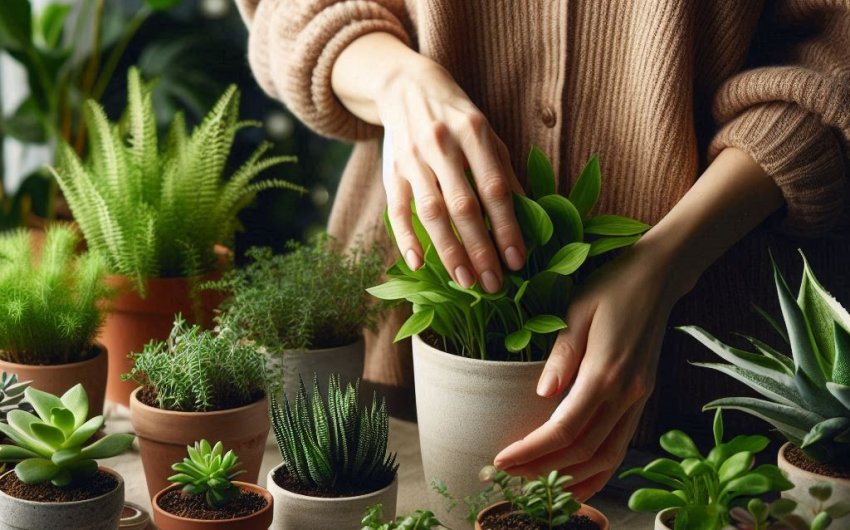
Embarking on the journey of indoor gardening can be incredibly rewarding, yet many enthusiasts encounter similar pitfalls. Understanding the common mistakes in indoor planting is the first step toward cultivating a thriving urban jungle rather than a collection of struggling specimens. From misjudging light needs to improper watering techniques, identifying these frequent errors allows you to course-correct and provide your houseplants with the optimal conditions they need to flourish, transforming your living space into a vibrant, verdant sanctuary.
What are the most common watering mistakes in indoor planting?
Watering is perhaps the single most critical factor in houseplant health, and ironically, it's where most beginners (and even experienced plant parents) go wrong. Both too much and too little water can lead to severe stress and even death for your indoor plants. Avoiding these common mistakes in indoor planting related to hydration is fundamental.
Is overwatering the main culprit behind plant demise?
Yes, overwatering is widely considered the number one killer of houseplants. It's often done with good intentions, but its effects are devastating.
- Root Suffocation and Rot: The primary problem with overwatering is that it saturates the soil, displacing all the air pockets that plant roots need to "breathe" (absorb oxygen). When roots are constantly submerged in water, they essentially suffocate. This creates an anaerobic (oxygen-free) environment that is perfect for the growth of harmful anaerobic bacteria and fungi, leading to root rot. Affected roots turn mushy, black, or brown and cease to function, preventing the plant from taking up water and nutrients, ironically leading to symptoms that can resemble underwatering (wilting).
- Symptoms of Overwatering:
- Yellowing leaves: Often starting with lower, older leaves, they turn yellow and may feel soft or mushy.
- Wilting despite wet soil: The plant looks droopy, even though the soil is saturated.
- Foul smell from soil: A rotten or sour odor indicates bacterial growth in anaerobic conditions.
- Mushy stems or leaf bases: A clear sign of rot spreading upwards.
- Fungus gnats: Small flying insects that thrive in consistently wet topsoil.
- Prevention: Always ensure your pot has drainage holes. Never let a plant sit in standing water. Allow the top inch or two (or more, depending on plant size) of soil to dry out before watering again. Use your finger to check soil moisture, rather than just watering on a schedule. Invest in a good soil moisture meter for more accuracy.
Can underwatering also cause significant problems?
While overwatering often gets the bad rap, underwatering can also cause severe stress and eventually kill a plant, especially if prolonged.
- Dehydration and Nutrient Starvation: When a plant doesn't receive enough water, its cells lose turgor (internal water pressure), causing wilting. More importantly, water is the vehicle for nutrient transport within the plant. Without sufficient water, the plant cannot move nutrients from the soil to its leaves and other parts, leading to nutrient deficiencies even if the nutrients are present in the soil.
- Symptoms of Underwatering:
- Drooping or wilting leaves: The plant looks limp and lacks vitality.
- Crispy, dry leaves: Often starting at the tips or edges, leaves turn brown and brittle.
- Stunted growth: New growth is minimal or nonexistent.
- Soil pulling away from pot edges: The potting mix may shrink and become hard.
- Leaves turning yellow: Particularly older leaves, as the plant sacrifices them to preserve water for new growth.
- Prevention: Don't wait until your plant is severely wilted to water. Check the soil regularly. When the top few inches are dry, water thoroughly until water drains from the bottom. For plants that like consistent moisture, like ferns, ensure the soil never completely dries out. For plants that prefer a drier period, like succulents, allow the soil to dry out more significantly.
Why is using the wrong type of water a mistake?
The quality of the water you use can also affect your plants' health over time.
- Tap Water Issues: Many common houseplants (especially tropical ones) are sensitive to chemicals found in tap water, particularly chlorine and fluoride. While chlorine will dissipate if water is left out overnight, fluoride does not evaporate and can accumulate in the soil and plant tissues, leading to leaf tip burn or overall yellowing. Salts in tap water can also build up, causing similar issues.
- Prevention: If your tap water contains high levels of chlorine or fluoride, consider using filtered water, rainwater, or leaving tap water out for 24 hours to allow chlorine to evaporate. Periodically leach the soil (flush with large amounts of plain water) to remove accumulated salts.
Understanding the nuances of watering is foundational to successful indoor planting. It's about providing the right amount, at the right time, with the right quality.
How does incorrect light exposure affect indoor plants?
Light is the energy source for plants, enabling them to perform photosynthesis and produce food. Providing the wrong amount or type of light is a frequent error that can lead to significant stress and health problems for your indoor plants, often manifesting as discoloration or stunted growth. Avoiding these common mistakes in indoor planting related to light is crucial for thriving greenery.
Can too much direct sunlight damage indoor plants?
Yes, excessive direct sunlight is a major cause of stress for many houseplants, especially those that originate from the understory of forests or shaded environments.
- Sunburn and Bleaching: Most houseplants are accustomed to filtered or indirect light. When suddenly exposed to intense, direct sunlight, especially the harsh afternoon sun, their leaves can get sunburned. This often appears as bleached, pale yellow, white, or even crispy brown spots or patches on the leaves. The chlorophyll (green pigment) is destroyed, and the plant essentially gets "fried."
- Dehydration and Stress: High light intensity often comes with increased heat, which can cause the plant to transpire (lose water through its leaves) much faster than its roots can absorb it. This leads to rapid dehydration and overall stress, even if the soil is moist.
- Prevention: Research your plant's specific light requirements. Most houseplants thrive in bright, indirect light. This means a spot near a window that gets plenty of light but is not directly hit by intense sunbeams for prolonged periods. East-facing windows provide gentle morning sun, while north-facing windows offer consistent, diffused light. South and west-facing windows can be too intense unless the plant is placed several feet away or behind a sheer curtain. Move plants away from windows if you notice bleaching or burning.
What are the signs of insufficient light?
While less dramatic than sunburn, insufficient light is a chronic problem that slowly saps a plant's vitality.
- Leggy Growth (Etiolement): When a plant doesn't get enough light, it literally stretches and grows taller than usual, with long, thin stems and widely spaced leaves. This stretching, known as etiolation, is the plant's attempt to reach a light source. The new growth will often be weaker and less robust.
- Yellowing or Pale Leaves: In low light conditions, plants cannot produce enough chlorophyll, leading to a general yellowing or paling of the leaves, starting with the older ones. The plant may shed lower leaves to conserve energy for new growth.
- Lack of Variegation: For variegated plants (those with multiple colors in their leaves), insufficient light can cause them to lose their vibrant patterns and revert to solid green, as the plant prioritizes chlorophyll production to maximize light absorption.
- No New Growth or Stunted Growth: If a plant isn't receiving enough light, it won't have the energy to produce new leaves, flowers, or fruit. Growth will be significantly slowed or stop altogether.
- Prevention: Place your plants in locations that match their needs. If natural light is limited, consider supplementing with a grow light. Modern LED grow lights are energy-efficient and can provide the full spectrum of light plants need. Rotate your plants regularly to ensure all sides receive adequate light, preventing uneven growth.
Why is rotating plants important for light distribution?
- Even Growth: Plants naturally grow towards their light source. If you don't rotate them, one side will become denser and bushier, while the other side becomes sparse or leggy, leaning significantly.
- Prevention of Leaning: Regular rotation ensures that all parts of the plant receive adequate light, promoting balanced and symmetrical growth. Turn your plants a quarter turn every week or two to encourage an even, attractive shape.
Understanding and correctly assessing your plants' light needs is a fundamental step in avoiding common mistakes in indoor planting and ensuring a flourishing indoor garden.
What are common mistakes related to soil and potting?
The soil your indoor plants grow in is their foundation, providing anchorage, water, and nutrients. Choosing the wrong potting mix or improper potting techniques are frequent common mistakes in indoor planting that can severely hinder a plant's growth and health.
Why is using garden soil indoors a big mistake?
Bringing soil directly from your outdoor garden inside for your houseplants is a major pitfall.
- Compaction: Outdoor garden soil is typically much denser and heavier than potting mix. When used in containers, it compacts easily, especially after watering. This compaction reduces air pockets, leading to poor drainage and suffocating the roots, which quickly leads to overwatering issues and root rot.
- Pests and Diseases: Garden soil can harbor various outdoor pests (like slugs, grubs, and harmful insects) and disease pathogens (fungi, bacteria) that are harmless outdoors but can wreak havoc on indoor plants, which have no natural predators to keep them in check.
- Nutrient Imbalance: Outdoor soil often has a different nutrient profile than what indoor plants need, and its composition might not be suitable for container growth.
- Prevention: Always use a high-quality, well-draining potting mix specifically formulated for indoor plants. These mixes are designed to be light, airy, and provide excellent drainage while retaining adequate moisture. Look for ingredients like peat moss, coco coir, perlite, and vermiculite.
Why is choosing the wrong potting mix a problem?
Even within indoor potting mixes, one size does not fit all. Using a generic mix for all plants can be a mistake.
- Incorrect Drainage and Aeration: Different plants have different needs. A general potting mix might be too heavy for succulents and cacti, leading to overwatering, or too fast-draining for moisture-loving plants like ferns, causing them to dry out too quickly.
- Nutrient Content: Some mixes come with added fertilizers, which might be too strong for sensitive plants or those that prefer lean conditions.
- Prevention: Research your plant's specific needs.
- For succulents and cacti, use a specialized cactus and succulent mix that contains more sand, perlite, or grit for super-fast drainage.
- For orchids, use an orchid bark mix that provides excellent airflow.
- For most other foliage houseplants, a general-purpose, high-quality houseplant potting mix is usually sufficient, but you can amend it. For better drainage, add extra perlite or coco coir.
What are the dangers of pots without drainage holes?
This is one of the most fundamental common mistakes in indoor planting, yet surprisingly prevalent, especially with decorative planters.
- Guaranteed Root Rot: A pot without drainage holes acts like a bathtub for your plant's roots. Excess water has nowhere to go, leading to stagnant, waterlogged soil and rapid development of root rot. Even if you're careful with watering, the lack of drainage makes it nearly impossible to provide consistent, healthy moisture levels.
- Salt Buildup: Without drainage, mineral salts from tap water and fertilizers accumulate in the soil over time, becoming toxic to the plant.
- Prevention: Always use pots with drainage holes. If you love a decorative cachepot (a pot without drainage holes), place your plant in a slightly smaller nursery pot with drainage, then set that pot inside the cachepot. This allows you to remove the plant for thorough watering and drain any excess water before placing it back. You can also drill drainage holes if the material allows.
When should I repot, and why is it important?
Knowing when and how to repot is crucial for your plant's long-term health.
- Root-bound Plants: Plants eventually outgrow their pots, becoming root-bound. This means their roots have filled the entire pot, circling around and becoming a dense mass. When root-bound, the plant struggles to absorb water and nutrients efficiently, leading to stunted growth, yellowing leaves, and rapid drying out of the soil.
- Soil Degradation: Over time, potting mix breaks down, losing its airy structure and ability to retain nutrients effectively. Repotting replenishes fresh, nutrient-rich soil.
- Repotting Shock: Conversely, over-repotting (moving to a pot that is too large) can lead to problems. A much larger pot holds excess moisture that the small root system can't absorb, leading to overwatering issues. Repotting itself is stressful, causing transplant shock where the plant temporarily wilts or yellows.
- Prevention:
- Check for root-boundness: Gently slide the plant out of its pot to inspect the roots. If they are densely circling the pot or growing out of the drainage holes, it's time to repot.
- Choose the right size: Only go up one pot size (e.g., from a 6-inch to an 8-inch pot).
- Timing: Repot during the active growing season (spring or early summer) when the plant is strongest and can recover quickly.
- Fresh soil: Always use fresh, appropriate potting mix.
Addressing these soil and potting mistakes will provide a strong foundation for your indoor plants to thrive and grow beautifully.
What are common mistakes in plant placement and environmental control?
Beyond watering and soil, the immediate environment where you place your indoor plants plays a massive role in their well-being. Overlooking factors like temperature, humidity, and air circulation are frequent common mistakes in indoor planting that can leave your plants struggling.
Why are extreme temperature fluctuations harmful?
Most houseplants are tropical or subtropical in origin and prefer stable, consistent temperatures, similar to their native environments.
- Stress and Shock: Sudden or extreme changes in temperature can shock a plant, leading to yellowing leaves, leaf drop, or stunted growth. This is especially true for exposure to cold drafts or hot blasts of air.
- Optimum Range: Most houseplants thrive in typical indoor temperatures between 65-80°F (18-27°C) during the day, with a slight dip at night.
- Prevention:
- Avoid Drafts: Keep plants away from frequently opened doors or windows, heating vents, air conditioning units, or exterior walls that get very cold in winter.
- Consistent Environment: Aim for as much temperature stability as possible within your home. If moving a plant, do so gradually to allow it to acclimate.
Is neglecting humidity a common problem?
Many popular houseplants hail from humid rainforests or tropical regions, and our typical indoor environments are often much drier than they prefer. Neglecting humidity is a very common oversight.
- Dehydration and Crispy Edges: In low humidity, plants lose moisture through their leaves faster than their roots can absorb it from the soil. This leads to symptoms like crispy or brown leaf tips and edges, leaf curl, and stunted growth. Even if the soil is moist, the air can be too dry.
- Pest Attraction: Low humidity can also create an ideal environment for common houseplant pests like spider mites, which thrive in dry conditions.
- Prevention:
- Humidifier: The most effective way to increase humidity is with a room humidifier placed near your plants.
- Pebble Trays: Place pots on a pebble tray filled with water. As the water evaporates, it increases humidity around the plant. Ensure the pot sits on the pebbles, not in the water.
- Grouping Plants: Plants release moisture through their leaves, so grouping them together can create a localized microclimate with higher humidity.
- Misting: While visually appealing, misting alone provides only a very temporary increase in humidity and is generally not sufficient for plants with high humidity needs.
Why is poor air circulation detrimental?
Good air circulation is often overlooked but plays a vital role in plant health, preventing several issues common indoors.
- Fungal Diseases: Stagnant, humid air creates a perfect breeding ground for various fungal diseases (like powdery mildew or leaf spot). Lack of air movement allows fungal spores to settle and proliferate on leaf surfaces.
- Pest Spread: While not directly causing pests, poor air circulation can exacerbate pest problems by allowing them to spread more easily and by creating conditions they prefer.
- Stagnant Soil: Air circulation around the soil surface helps prevent the top layer from staying perpetually wet, which can contribute to fungal gnats and other issues.
- Prevention:
- Space Out Plants: Don't overcrowd your plants. Give them enough space for air to circulate freely around their foliage.
- Open Windows (Carefully): On mild days, briefly opening a window can introduce fresh air, but be mindful of drafts or extreme temperatures.
- Small Fan: In areas with very poor air circulation, a small, oscillating fan set on a low setting, not directly blowing on the plants, can significantly improve airflow.
By paying attention to these environmental controls and avoiding these common mistakes in indoor planting, you can create a much more hospitable and healthy environment for your beloved houseplants to flourish.
What common mistakes do people make with feeding and pruning?
Even with ideal watering, light, and environmental conditions, mistakes in feeding (fertilizing) and pruning can still hold your indoor plants back from reaching their full potential. These practices require careful timing and technique to benefit rather than harm your plants. Avoiding these common mistakes in indoor planting related to long-term care is essential.
Is over-fertilizing a common issue?
Yes, over-fertilizing is a very common and often damaging mistake, particularly for new plant parents eager to boost growth.
- Nutrient Burn (Salt Buildup): Plants can only absorb nutrients when they are dissolved in water. When you apply too much fertilizer, it leads to an excessive concentration of mineral salts in the soil. This high salt content can actually draw water out of the plant's roots (a process called osmotic stress or "fertilizer burn"), effectively dehydrating the plant even if the soil is wet.
- Symptoms of Over-fertilizing:
- Crispy, brown leaf tips and margins: This is a classic sign of salt burn.
- Yellowing of lower leaves: Can also occur due to overall stress.
- Stunted growth or wilting: Despite regular watering, the plant looks unwell.
- White crust on soil surface or pot rim: This is a visible accumulation of fertilizer salts.
- Prevention:
- Less is More: It's almost always safer to under-fertilize than to over-fertilize. Most houseplants prefer diluted nutrients.
- Dilute: Always dilute liquid fertilizers to half or even quarter strength, especially for sensitive plants.
- Timing: Fertilize only during the plant's active growing season (typically spring and summer) when it can utilize the nutrients. Reduce or stop feeding in fall and winter when growth slows or ceases.
- Flush the Soil: If you suspect over-fertilization, leach the soil by watering thoroughly with plain water several times, allowing water to drain completely each time. This helps wash away excess salts.
- Repot if Severe: In severe cases, repotting into fresh, unfertilized potting mix might be necessary.
Why is under-fertilizing also a problem?
While over-fertilizing is more damaging in the short term, consistent under-fertilizing can lead to long-term decline.
- Nutrient Deficiencies: Over time, plants deplete the nutrients in their potting mix. If these aren't replenished, the plant will suffer from nutrient deficiencies, leading to various symptoms.
- Overall pale or yellowing leaves: Often due to nitrogen deficiency.
- Stunted or slow growth: Lack of essential building blocks for new cells.
- Lack of flowering: If a plant is meant to bloom, it won't have the energy without sufficient nutrients.
- Prevention: Use a balanced houseplant fertilizer according to recommended (but often diluted) schedules. Consider using a slow-release granular fertilizer mixed into the soil, which provides a steady supply of nutrients over several months.
What are common pruning mistakes?
Pruning seems intimidating to many, but it's essential for maintaining plant shape, health, and vigor. Incorrect pruning can be a significant mistake.
- Not Pruning at All: Many people are afraid to prune, but neglecting it can lead to leggy, sparse, or overgrown plants with poor shape. It can also prevent a plant from branching out and becoming fuller.
- Pruning Too Much at Once: Removing too much foliage at once can shock a plant, especially if it's already stressed, leading to severe setbacks or even death. A good rule of thumb is to remove no more than 25-30% of the plant's total foliage at one time.
- Cutting in the Wrong Spot: Making cuts indiscriminately can damage the plant's growth points.
- Using Dull or Dirty Tools: Dull pruning shears can crush stems, creating ragged wounds that are slow to heal and susceptible to disease. Dirty tools can spread diseases from one plant to another.
- Prevention:
- Regular, Light Pruning: Perform light, regular pruning to maintain shape, remove dead or yellowing leaves, and encourage bushier growth by pinching back growing tips.
- Prune Dead/Diseased First: Always prioritize removing dead, dying, or diseased foliage.
- Cut Above a Node: When pruning to encourage bushier growth, always make your cut just above a node (the point where a leaf or branch emerges) or a leaf. This is where new growth will sprout.
- Sharp, Clean Tools: Always use sharp, clean pruning snips or shears. Sanitize them with rubbing alcohol between plants to prevent disease spread.
- Understand Plant Habit: Research your specific plant's growth habit to understand how it responds to pruning (e.g., some plants benefit from hard pruning, others only need light trimming).
Mastering these feeding and pruning techniques will allow you to avoid these common mistakes in indoor planting, ensuring your houseplants are not only alive but truly flourishing and looking their best.