
How Often Should I Water My Indoor Plants?
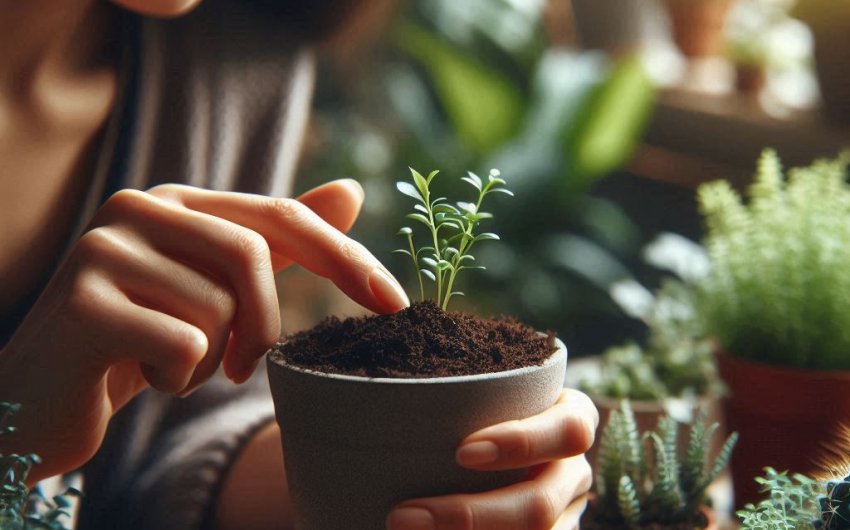
Determining how often should I water my indoor plants is a common challenge for plant enthusiasts, as there's no single answer that fits all. The truth is, watering frequency depends on a multitude of factors unique to each plant, its environment, and even the season. Mastering this essential aspect of plant care involves understanding these variables and learning to read your plant's specific needs, ensuring it receives just the right amount of moisture to thrive without becoming over or underwatered.
Why is Watering So Tricky for Indoor Plants?
Watering seems simple, but it's often the trickiest part of indoor plant care because many different things affect how much water a plant needs. It's not just about giving water; it's about giving the right amount at the right time.
- Individual Plant Needs: Different plants come from different parts of the world, meaning they are used to very different amounts of water. A desert cactus needs far less water than a tropical fern.
- Environmental Factors: The conditions inside your home, like how warm it is, how much light a plant gets, and how much moisture is in the air, all change how quickly water dries out from the soil.
- Potting Mix and Pot Type: The type of dirt (potting mix) and the kind of pot (plastic, clay, ceramic) can either hold onto water for a long time or let it dry out quickly.
- Season Changes: Plants often need more water when they are growing actively (usually in spring and summer) and less when they are resting (in fall and winter).
- Common Mistakes: Most plant problems come from giving too much water (overwatering) rather than not enough. Overwatering can lead to roots rotting, which eventually kills the plant.
What Are the Key Factors Affecting Watering Frequency?
Understanding the various elements that influence how often your plants need a drink is crucial. Each factor plays a significant role in the rate at which water is used by the plant or evaporates from the soil, directly impacting your watering schedule.
Plant Type and Species
Different plant species have evolved in unique environments, leading to varied water requirements. Mimicking their natural habitat is key to their success indoors.
- Desert Plants (e.g., Cacti, Succulents): These plants are built to store water in their leaves, stems, or roots. They prefer their soil to dry out completely between waterings and can go for long periods without water. Overwatering is their biggest enemy.
- Tropical Plants (e.g., Ferns, Ficus, Philodendrons): Coming from humid, rainforest-like conditions, these plants generally prefer consistently moist, but not soggy, soil. They usually need more frequent watering than desert plants, often when the top inch or two of soil feels dry.
- Flowering Plants (e.g., Orchids, African Violets): These can have very specific watering needs. Orchids, for example, often thrive with specific orchid mixes and prefer their roots to dry out between waterings. African Violets prefer bottom watering and don't like water on their leaves.
Potting Mix
The type of soil your plant is in significantly affects how well it drains and how long it holds onto water. Using the right mix is essential for healthy roots.
- Fast-Draining Mixes (e.g., Cactus/Succulent Mix): These mixes contain a lot of perlite, sand, or grit, which means water passes through them quickly. They are ideal for plants that hate wet feet and help prevent overwatering. Plants in these mixes will need more frequent watering than those in denser soils.
- Standard Potting Mix: This general-purpose mix holds a moderate amount of moisture while still offering some drainage. Most common houseplants do well in this.
- Water-Retentive Mixes (e.g., African Violet Mix, Peat-Heavy Mixes): These mixes contain components like peat moss or coir, which can hold a lot of water. While good for plants that like consistently moist soil, they can become waterlogged if not managed carefully.
- Aeration: Good potting mixes have plenty of air pockets (aeration) which are crucial for healthy root growth. If a mix becomes compacted, it can suffocate roots and lead to rot, even if you are watering correctly. You can improve aeration by adding perlite or orchid bark to your mix.
Pot Material
The material of your plant pot greatly influences how quickly moisture evaporates from the soil. This is a common oversight that can lead to watering issues.
- Terracotta/Unglazed Clay Pots: These pots are porous, meaning water can evaporate through their sides. This helps the soil dry out faster, which is great for plants that prefer drier conditions or are prone to root rot. However, plants in terracotta pots will need more frequent watering than those in plastic or glazed pots.
- Plastic Pots: Plastic pots are non-porous and do not allow water to evaporate through their sides. This means the soil stays wet for a longer period. Plants in plastic pots generally need less frequent watering compared to terracotta. They are a good choice for plants that prefer consistently moist soil.
- Ceramic/Glazed Pots: Similar to plastic, glazed ceramic pots are non-porous. They retain moisture well and also require less frequent watering.
- Drainage Holes: Regardless of the material, always ensure your pot has at least one drainage hole. This is absolutely critical to prevent water from pooling at the bottom, which leads to root rot. A pot without drainage is a recipe for disaster. If your decorative pot doesn't have a hole, use a plastic nursery pot inside it and remove the plant to water it thoroughly, allowing excess water to drain before placing it back.
Light Levels
The amount of light your plant receives directly impacts its rate of photosynthesis and, consequently, its water consumption. More light usually means more thirst.
- Bright Light: Plants in bright, direct, or indirect light will photosynthesize more actively. This increased metabolic activity leads to higher water usage, so they will dry out faster and need more frequent watering.
- Low Light: Plants in low-light conditions slow down their metabolic processes. They use less water, and the soil will take much longer to dry out. Overwatering is a very common issue for plants placed in low light, as they simply don't need as much moisture.
Temperature and Humidity
The ambient conditions in your home play a significant role in the rate of water evaporation from the soil and transpiration from the plant's leaves.
- Higher Temperatures: Warmer air causes water to evaporate more quickly from the soil and from the plant's leaves (transpiration). Therefore, plants in warmer rooms will dry out faster and need more frequent watering.
- Lower Temperatures: Cooler temperatures slow down both evaporation and plant metabolism. Plants in cooler rooms will use less water, and the soil will dry out more slowly, requiring less frequent watering.
- Low Humidity: Dry air, common in homes with heating or air conditioning, pulls moisture from the soil and plant leaves faster. In low humidity, plants will need more frequent watering. You might also notice crispy leaf tips.
- High Humidity: Humid air means less moisture evaporates from the soil and leaves. Plants in high-humidity environments (like a bathroom) will dry out more slowly and need less frequent watering. Consider using a humidifier for tropical plants in dry environments.
Plant Size and Growth Stage
The size of your plant, particularly in relation to its pot, and whether it's actively growing, are strong indicators of its water needs.
- Larger Plants/Root Systems: Bigger plants with more leaves and larger root systems use more water. They will typically dry out faster than smaller plants in the same size pot.
- Root-Bound Plants: When a plant becomes "root-bound" (its roots fill the entire pot), it has very little soil left to hold water. Such plants will dry out extremely quickly and need very frequent watering. This is often a sign it's time to repot into a slightly larger container.
- Active Growth (Spring/Summer): During the spring and summer months (or whenever your plant is actively putting out new leaves and stems), it is metabolically active and uses more water. This is when most plants need more frequent watering.
- Dormancy (Fall/Winter): Many indoor plants have a period of slower growth or dormancy in the fall and winter due to shorter days and lower light. During this time, their water needs decrease significantly. Overwatering in dormancy is a leading cause of root rot.
Understanding all these factors is crucial for accurately assessing how often should I water my indoor plants, moving away from a fixed schedule to a more intuitive and responsive approach.
What Are the Best Ways to Check if Your Plant Needs Water?
Instead of watering on a fixed schedule, which is rarely effective, it's best to check your plant directly. There are several reliable methods to tell if your plant is thirsty, allowing you to water only when truly needed.
The Finger Test
This is the simplest and most common method for determining soil moisture, and it's surprisingly effective for most plants.
- Insert Your Finger: Stick your index finger about 1-2 inches (2.5-5 cm) deep into the soil. For larger pots, you might go deeper, up to your knuckle.
- Feel the Moisture:
- Dry: If the soil feels dry, crumbly, or dusty at that depth, it's likely time to water.
- Moist: If the soil still feels damp, cool, or particles stick to your finger, hold off on watering.
- Very Wet/Soggy: If it feels squishy or saturated, your plant is likely overwatered, and you should let it dry out more before considering watering again.
- Adjust Depth: The "dry down" depth depends on the plant. For succulents and cacti, let the soil dry out almost completely to the bottom of the pot. For most tropical plants, let the top inch or two dry. For very moisture-loving plants like ferns, let only the very top surface dry slightly.
Lifting the Pot
This method is surprisingly accurate, especially once you get a feel for your plants. It relies on the weight difference between wet and dry soil.
- Lift When Dry: Gently lift the pot when you know the plant's soil is completely dry (e.g., after a long period without watering). Feel its weight and remember it.
- Lift After Watering: After you've watered the plant thoroughly, lift the pot again. You'll notice it's significantly heavier. This gives you a baseline for a fully saturated pot.
- Regular Checks: Periodically lift the pot to check its weight. When it feels much lighter than it did right after watering, but still has a bit of heft from some remaining moisture, it's generally a good time to water. If it feels as light as a feather, it's very dry and definitely needs water.
Using a Moisture Meter
A moisture meter for plants is a handy tool that provides a more objective reading of soil moisture levels, taking some of the guesswork out of watering.
- Insert Probe: Insert the probe of the moisture meter directly into the soil, about two-thirds of the way down into the pot, avoiding large roots.
- Read the Dial: The meter will display a reading, typically on a scale from 1 (dry) to 10 (wet), or with labels like "Dry," "Moist," and "Wet."
- Interpret Results:
- 1-3 (Dry): Time to water for most plants.
- 4-7 (Moist): Hold off on watering.
- 8-10 (Wet): Definitely do not water.
- Know Your Plant's Preference: Even with a meter, you still need to know your plant's specific needs. For a succulent, you might wait until the meter reads 1-2. For a fern, you might water when it reads 3-4.
- Clean the Probe: Always wipe the probe clean after each use to prevent transferring diseases between plants.
Observing the Plant's Leaves and Appearance
While not the primary method, your plant's visual cues can also tell you if it's thirsty or distressed, though these are often late-stage indicators.
- Drooping/Wilting (Underwatering): Many plants will show drooping or wilting leaves when they are severely thirsty. The leaves might also feel limp and soft. However, drooping can also be a sign of overwatering (due to root rot), so combine this with a soil check.
- Yellowing Leaves (Often Overwatering): Yellowing leaves, especially lower ones, often indicate overwatering or root rot. The leaves might also feel squishy.
- Crispy/Brown Tips (Underwatering/Low Humidity): Crispy or brown leaf tips can be a sign of underwatering, but more often indicate low humidity.
- Curling Leaves: Some plants will curl their leaves inward to reduce water loss when they are underwatered.
By using a combination of these methods, you can accurately determine how often should I water my indoor plants, preventing the common pitfalls of both over and underwatering.
What is the Right Way to Water Your Plants?
Once you've determined your plant is thirsty, knowing how to water properly is just as important as knowing when. Proper watering techniques ensure the entire root ball is saturated and excess water can drain away, promoting healthy growth.
Use the Right Kind of Water
The quality of water you use can impact your plant's health over time.
- Tap Water: Most tap water is fine for indoor plants. However, some areas have hard water (high in minerals like calcium and magnesium) or tap water treated with chlorine or fluoride.
- Chlorine: Can dissipate if you let water sit out for 24 hours before using it.
- Fluoride: Does not dissipate and can cause leaf tip burn in sensitive plants (e.g., Dracaena, Prayer Plant, Spider Plant). If you have high fluoride, consider alternative water sources.
- Filtered Water: If you're concerned about tap water quality, filtered water (from a Brita filter or reverse osmosis system) can be a good option.
- Rainwater: Rainwater is ideal as it's naturally soft and free of chemicals. Collect it in a clean barrel or bucket outdoors.
- Distilled Water: Distilled water is pure but lacks the beneficial minerals found in tap or rainwater. It's safe to use but might not be necessary for all plants.
- Avoid Softened Water: Water from a household water softener is usually high in sodium, which is detrimental to most plants. Never use softened water for your plants.
Top Watering Method
This is the most common and straightforward way to water most indoor plants, ensuring the soil gets thoroughly moistened.
- Pour Slowly and Evenly: Pour water slowly over the entire surface of the soil until it begins to drain out of the bottom drainage holes. Avoid pouring too quickly, as it can cause water to run down the sides of the pot without fully saturating the soil.
- Ensure Drainage: It is crucial that water drains freely from the bottom of the pot. If water sits in a saucer, empty it within 15-30 minutes. Standing water can lead to root rot.
- Second Pass (If Needed): If the soil is very dry and compacted, water might run straight through without being absorbed. In this case, wait 10-15 minutes, then water again. This allows the soil to slowly rehydrate.
- Use a Watering Can: A long-spout watering can helps you direct water precisely and avoid getting leaves wet, which is important for some plants (like African Violets) or to prevent fungal issues.
Bottom Watering Method
This method allows plants to absorb water from the bottom up, ensuring a thorough saturation of the root ball and preventing waterlogging of the surface soil.
- Place in Water: Set your potted plant in a tray, basin, or sink filled with about 1-2 inches (2.5-5 cm) of water.
- Allow to Soak: Let the plant sit in the water for 15-30 minutes, or until the top of the soil feels slightly damp. You'll see the moisture rising through the soil.
- Remove and Drain: Once the soil surface is moist, remove the plant from the water bath and allow any excess water to drain thoroughly from the drainage holes.
- Benefits: This method is excellent for plants that prefer not to get their leaves wet (e.g., African Violets, Cyclamen), or for very dry, compacted soil that's hard to saturate from the top. It also encourages deeper root growth.
Misting (for Humidity, Not Watering)
Misting should not be considered a primary watering method for most plants, as it only provides temporary surface moisture.
- Increase Humidity: Misting helps increase ambient humidity around the plant, which is beneficial for many tropical plants that thrive in humid environments (e.g., ferns, calatheas, philodendrons).
- Use a Fine Mist Sprayer: Use a fine mist spray bottle with distilled or filtered water.
- Frequency: Mist daily or every other day, depending on your plant's needs and humidity levels in your home.
- Avoid for Fuzzy Leaves: Do not mist plants with fuzzy or hairy leaves (like African Violets or Begonias), as water can get trapped in the hairs and lead to fungal spots or rot.
By adopting these proper watering techniques, you are ensuring your plants receive optimal hydration, contributing significantly to answering the question of how often should I water my indoor plants effectively.
What Are the Signs of Overwatering vs. Underwatering?
Distinguishing between overwatering and underwatering is key to correcting your watering habits. While some symptoms can overlap, understanding the subtle differences can guide you to the right solution.
Signs of Overwatering
Overwatering is generally more detrimental and harder to recover from than underwatering. It deprives roots of oxygen, leading to root rot.
- Drooping/Wilting Leaves: This is a common and confusing sign, as it also happens with underwatering. However, with overwatering, the leaves will often feel soft, squishy, or mushy, not crisp. The soil will also still be wet.
- Yellowing Leaves: Often, the lower, older leaves will turn yellow and may eventually drop off. This can spread up the plant.
- Brown/Black Mushy Stems or Base: The most definitive sign of root rot. The stems or base of the plant might turn dark, soft, and mushy. This indicates severe root damage.
- Stunted Growth/No New Growth: An overwatered plant's root system is compromised, inhibiting its ability to absorb nutrients and grow.
- Foul Odor from Soil: A sour, musty, or rotten smell coming from the soil indicates anaerobic conditions and root rot.
- Fungus Gnats: Small, black, fly-like insects hovering around the soil surface are a common sign of perpetually wet soil, which provides a breeding ground for their larvae. You might need sticky traps for fungus gnats and to let the soil dry out more.
- Edema: Small, watery blisters or bumps on leaves, often on the underside. This happens when roots take up more water than the leaves can transpire.
Signs of Underwatering
Underwatering is usually easier to fix, as the plant typically revives quickly once it receives a good drink.
- Drooping/Wilting Leaves: Similar to overwatering, but with underwatering, the leaves will feel dry, crisp, or brittle, not soft or mushy. The soil will also be completely dry.
- Crispy/Brown Leaf Tips or Edges: The leaf tips or edges become dry, brown, and crunchy.
- Stunted Growth/Slow Growth: Without enough water, a plant can't perform basic functions, leading to very slow or stopped growth.
- Curling Leaves: Some plants will curl their leaves inwards or upwards to reduce the surface area exposed to the air, conserving moisture.
- Dry, Crumbly Soil: The soil pulls away from the edges of the pot, feels very light, and is bone dry several inches down.
- Dropping Leaves: Leaves, often lower ones, might turn brown and drop off entirely.
- Yellowing Leaves (Less Common): While usually associated with overwatering, extreme underwatering can also cause yellowing as leaves die off from dehydration. However, they will be dry and crispy, not mushy.
When you notice any of these signs, first check the soil moisture. This critical step will help you accurately determine if you need to adjust how often should I water my indoor plants moving forward.
How Do Seasonal Changes Affect Watering Schedules?
Seasonal shifts significantly impact your plant's water needs, mainly due to changes in light intensity, temperature, and humidity levels indoors. Adapting your watering routine to these changes is vital for plant health.
Spring and Summer (Growing Season)
This is typically the period of active growth for most indoor plants, meaning their water demands increase considerably.
- Increased Metabolism: Longer days and brighter light levels stimulate photosynthesis and growth, causing plants to use more water.
- Higher Temperatures: Warmer ambient temperatures lead to faster evaporation from the soil surface and increased transpiration from the leaves.
- More Frequent Watering: During spring and summer, you will generally need to water your plants more often. Always check the soil moisture before watering, but expect to be reaching for your watering can more regularly.
- Fertilization: This is also the time to fertilize your plants, as they are actively growing and using more nutrients. Proper fertilization supports robust growth and efficient water use.
Fall and Winter (Dormancy or Slower Growth)
As the days shorten and light levels decrease, most indoor plants enter a period of slower growth or dormancy. Their water requirements reduce dramatically.
- Reduced Light and Temperature: Shorter days mean less intense sunlight, and indoor temperatures might be cooler, especially near windows. This slows down plant metabolism and evaporation.
- Dry Air (Heating Systems): While light and temperature decrease, indoor humidity often drops significantly due to central heating systems running. This dry air can still cause some moisture loss from leaves, but the plant's overall water uptake from the soil is lower.
- Less Frequent Watering: This is the time when overwatering is most common. You will need to water much less frequently in fall and winter. Always check the soil deeply before watering, and let it dry out more thoroughly than you would in summer, especially for succulents and cacti.
- Hold Off on Fertilization: Most plants do not need fertilizer during their dormant period. Resume feeding only when active growth resumes in spring.
- Monitor Humidity: Even if plants need less soil moisture, the dry indoor air can still stress tropical plants. Consider using a humidifier or pebble trays for humidity-loving plants.
By keenly observing these seasonal shifts and adjusting your watering frequency accordingly, you can proactively ensure your plants remain healthy and vibrant throughout the year, truly mastering how often should I water my indoor plants.