
What Type of Soil Is Best for Indoor Plants?
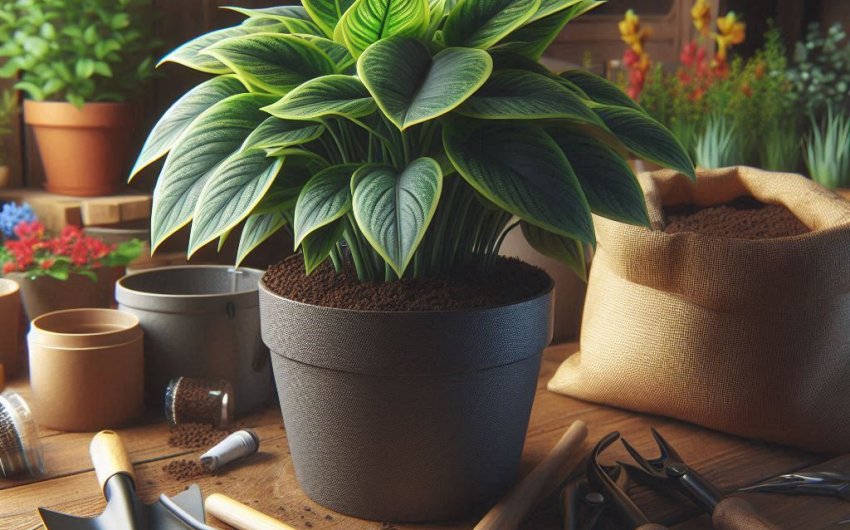
Choosing the best type of soil for indoor plants is a fundamental decision that directly impacts their health, vitality, and longevity within your home environment. Unlike outdoor garden soil, which benefits from natural aeration and nutrient cycling, containerized plants require a specialized medium that provides optimal drainage, adequate aeration, and sufficient moisture retention. Understanding the specific characteristics of different potting mixes and how to tailor them to your plants' needs is crucial for successful indoor gardening.
Why Can't I Just Use Garden Soil for Indoor Plants?
It's a common misconception that regular garden soil can be used for houseplants. However, garden soil is simply not suitable for indoor container environments. Its properties are vastly different from what containerized plants need, and using it can lead to a multitude of problems that hinder growth and even kill your beloved indoor plants.
What's Wrong with Garden Soil for Containers?
Garden soil, while perfect for outdoor beds, has several characteristics that make it detrimental for indoor plants in pots.
- Poor Drainage: Outdoor soil often contains heavy clay particles that compact easily in a confined space. This leads to very poor drainage, causing water to sit stagnant around the roots.
- Lack of Aeration: When garden soil compacts, the air pockets within it are eliminated. Plant roots need oxygen to "breathe" and absorb nutrients. Without sufficient air, roots can suffocate and rot.
- Contains Pests and Diseases: Outdoor soil is teeming with insects, fungi, bacteria, and weed seeds that are harmless or even beneficial in an outdoor environment but can wreak havoc indoors. These can introduce gnats, molds, or plant diseases into your home.
- Too Heavy: The density of garden soil makes pots extremely heavy and difficult to move, especially larger ones.
- Inconsistent Nutrient Levels: Nutrient levels in garden soil can vary wildly, making it hard to control feeding for indoor plants.
What Are the Key Qualities of Good Indoor Plant Soil?
The best type of soil for indoor plants isn't actually "soil" in the traditional sense, but rather a specialized potting mix or potting medium. This blend is engineered to provide the perfect balance of properties that are crucial for container-grown plants.
The Importance of Drainage
Drainage is arguably the most critical quality of good indoor plant soil. Without proper drainage, water sits in the pot, creating anaerobic (oxygen-deprived) conditions that lead to root rot, the most common killer of indoor plants.
- Prevents Waterlogging: Allows excess water to quickly flow out of the bottom of the pot, preventing the roots from sitting in stagnant water.
- Promotes Oxygen Flow: When water drains, it pulls fresh air into the soil, ensuring roots have access to the oxygen they need to respire.
The Role of Aeration (Porosity)
Closely linked to drainage, aeration refers to the amount of air space within the potting mix. Roots need oxygen not just from water but from the air within the soil structure itself.
- Provides Oxygen to Roots: Ensures roots can "breathe" and carry out essential metabolic processes.
- Discourages Anaerobic Bacteria: Prevents the growth of harmful bacteria that thrive in oxygen-deprived environments and cause root rot.
How Much Moisture Retention is Ideal?
While good drainage is paramount, indoor plant soil also needs to retain enough moisture to keep the plant hydrated between waterings. It's a delicate balance.
- Available Water: The mix should hold water that is easily accessible to the plant's roots.
- Even Distribution: It should distribute moisture evenly throughout the root zone.
- Balance with Drainage: The goal is to hold moisture without becoming waterlogged.
What Nutrients Do Indoor Plants Need from Soil?
While the potting mix provides some initial nutrients, indoor plants will primarily get their long-term nourishment from regular fertilization. The potting mix's role is more about nutrient retention and providing a stable medium.
- Initial Nutrient Supply: Many commercial potting mixes come with a small amount of fertilizer to give plants a head start.
- Nutrient Holding Capacity (Cation Exchange Capacity): The mix should be able to hold onto nutrients from fertilizers so they aren't immediately washed away. Organic matter components excel at this.
pH Level: Why It Matters for Indoor Plants
The pH level of the potting mix affects how easily plants can absorb nutrients. Most indoor plants prefer a slightly acidic to neutral pH, typically between 6.0 and 7.0.
- Nutrient Availability: At the optimal pH range, essential nutrients are more readily available for plant uptake. If the pH is too high or too low, some nutrients can become "locked up," even if they are present in the soil.
- Testing pH: You can use a simple soil pH test kit to check the pH of your potting mix if you suspect an issue.
What are the Main Components of a Good Potting Mix?
A quality potting mix is a carefully balanced blend of various ingredients, each contributing to the desired characteristics of drainage, aeration, moisture retention, and nutrient holding capacity. Understanding these components will help you choose or create the best type of soil for indoor plants.
Peat Moss or Coco Coir (Base Material)
These materials form the bulk of most potting mixes and provide the primary structure for water and nutrient retention.
- Peat Moss:
- Pros: Excellent at holding water and nutrients, lightweight, sterile, and widely available. It also has a slightly acidic pH, which many plants prefer.
- Cons: Non-renewable resource, and its harvesting can raise environmental concerns. Can become hydrophobic (repel water) when completely dry, making rewetting difficult.
- Coco Coir:
- Pros: Sustainable alternative to peat moss (made from coconut husks), excellent water retention, good aeration, and rewetting is easier when dry. Often has a neutral pH.
- Cons: Can be more expensive than peat moss. Some cheaper varieties may have high salt content, so look for "washed" or "low salt" coco coir. You can buy compressed coco coir bricks that expand with water.
Perlite or Pumice (Aeration and Drainage)
These lightweight, inert materials are crucial for improving drainage and increasing aeration in the mix.
- Perlite:
- Description: White, lightweight, porous volcanic glass. Looks like tiny white styrofoam balls.
- Function: Creates air pockets, improves drainage, and prevents compaction. Does not absorb water itself but holds it on its surface.
- Pros: Readily available, inexpensive.
- Cons: Very lightweight, so it can float to the top of the pot after watering. Dusty when dry.
- You can buy perlite for plants in various bag sizes.
- Pumice:
- Description: Porous, lightweight volcanic rock. Heavier than perlite but still much lighter than soil.
- Function: Similar to perlite – improves drainage and aeration. Its irregular shape helps prevent compaction.
- Pros: Doesn't float like perlite, more durable, retains some moisture within its pores.
- Cons: Can be harder to find and more expensive than perlite.
Vermiculite (Moisture Retention and Aeration)
Vermiculite is a mineral that expands when heated, creating lightweight, absorbent flakes.
- Function: It's unique because it can hold a significant amount of water and nutrients within its layers, while also improving aeration. It helps both retain moisture and prevent compaction.
- Pros: Good for seed starting and moisture-loving plants. Releases magnesium and potassium.
- Cons: Can break down over time, reducing its effectiveness, and can become compacted itself if overwatered.
- Find vermiculite for plants at garden stores.
Composted Bark or Horticultural Charcoal (Drainage and Structure)
These ingredients add bulk, improve drainage, and provide a stable structure.
- Composted Bark (Pine Bark Fines, Orchid Bark):
- Function: Adds coarse structure for aeration, improves drainage, and resists compaction. It breaks down slowly, providing long-lasting porosity.
- Pros: Excellent for orchids, aroids, and other plants that need very sharp drainage.
- Cons: Can be slightly more acidic.
- Horticultural Charcoal:
- Function: Improves drainage, adsorbs impurities and odors, and can help prevent bacterial and fungal growth.
- Pros: Good for terrariums and plants sensitive to stagnant conditions.
- Cons: Can be expensive, and its benefits in standard potting mixes are sometimes debated. Make sure it's horticultural charcoal, not BBQ charcoal.
Other Additives (Optional)
Some mixes may include other beneficial components.
- Worm Castings: Add natural, slow-release nutrients and beneficial microbes.
- Dolomitic Lime: Can be added to peat-based mixes to raise the pH if needed, as peat is naturally acidic.
- Slow-Release Fertilizers: Many commercial mixes include these to provide initial nutrients.
How Do I Choose the Right Potting Mix for My Indoor Plant?
Selecting the best type of soil for indoor plants is not a one-size-fits-all situation. Different plants have unique needs, especially concerning moisture and drainage. Matching the potting mix to your plant's specific requirements is key to its success.
General Purpose Potting Mixes
- Description: These are the most common and widely available potting mixes. They usually contain a blend of peat moss or coco coir, perlite or vermiculite, and sometimes a small amount of compost or slow-release fertilizer.
- Best For: Most common indoor plants like Pothos, Philodendrons, Peace Lilies, Spider Plants, and many leafy houseplants.
- Considerations: While a good starting point, even general purpose mixes might need adjustments depending on your plant and watering habits. If it seems to retain too much water, you might need to add more perlite. A good brand to consider is FoxFarm Ocean Forest Potting Soil.
Specialty Potting Mixes for Specific Plant Types
Many plants thrive in specialized mixes that mimic their native growing conditions.
- Cactus and Succulent Mix:
- Key Characteristics: Very fast-draining and well-aerated. Typically contains a high percentage of sand, perlite, pumice, or gravel, with less organic matter.
- Best For: Cacti, succulents (e.g., Echeveria, Haworthia, Aloe), and other plants that prefer very dry conditions between waterings and are prone to root rot in moist soil.
- A good example is Espoma Organic Cactus Mix.
- Orchid Mix:
- Key Characteristics: Extremely coarse and fast-draining, almost entirely composed of bark, charcoal, or lava rock. It's designed to mimic the epiphytic (tree-dwelling) nature of many orchids, allowing air to circulate freely around the roots.
- Best For: Phalaenopsis, Cattleya, Dendrobium, and other epiphytic orchids.
- Look for orchid bark mix.
- African Violet Mix:
- Key Characteristics: A lightweight mix that retains a good amount of moisture but still drains well. Often contains peat moss, vermiculite, and perlite in higher proportions to balance moisture and aeration.
- Best For: African Violets and other plants that prefer consistently moist but not soggy conditions.
- Aroid Mix (for Philodendrons, Monsteras, Pothos, etc.):
- Key Characteristics: While Pothos and Philodendrons can often tolerate general-purpose mix, they thrive in a chunkier, more aerated mix. This often includes components like orchid bark, perlite, and coco coir in higher proportions to provide excellent drainage and prevent compaction, mimicking their epiphytic or semi-epiphytic growth in nature.
- Best For: Monsteras, Philodendrons, Pothos, Syngoniums, Anthuriums, and other popular aroids.
- You might need to make your own or find a specialized aroid potting mix.
Considerations When Choosing
- Your Watering Habits: If you tend to overwater, choose a faster-draining mix. If you forget to water, a mix with higher moisture retention might be better.
- Pot Material: Terracotta pots wick away moisture faster than plastic pots, so you might need a mix with slightly higher moisture retention in terracotta.
- Light Levels: Plants in brighter light typically dry out faster and might benefit from a mix with more moisture retention, or simply more frequent watering in a fast-draining mix.
- Drainage Holes: Always use pots with drainage holes! No amount of good soil can compensate for lack of drainage.
Can I Mix My Own Indoor Plant Soil?
Absolutely! Blending your own indoor plant soil is an excellent way to customize the potting mix to the exact needs of your plants and save money in the long run. It also gives you full control over the quality and type of ingredients.
Benefits of Mixing Your Own Potting Soil
- Customization: Tailor the mix precisely to the needs of specific plants (e.g., a very chunky mix for a Monstera, a super fast-draining mix for a succulent).
- Cost-Effective: Buying individual components in bulk can often be cheaper than purchasing many different pre-made specialty mixes.
- Quality Control: You know exactly what's in your mix, avoiding fillers or low-quality ingredients.
- Sterility: You can ensure your mix is sterile (free of pests and diseases) by using sterile components or baking/sterilizing certain ingredients.
Basic Recipe for a General-Purpose Potting Mix
This recipe provides a good starting point for many common indoor plants.
- 2 parts Peat Moss or Coco Coir: For moisture retention and a base. (e.g., 2 gallons)
- 1 part Perlite: For aeration and drainage. (e.g., 1 gallon)
- 1 part Vermiculite: For moisture retention and some aeration. (e.g., 1 gallon)
- Optional: A small amount of worm castings for initial nutrients.
Instructions:
- In a large tub or on a tarp, thoroughly mix all ingredients until they are uniformly combined.
- Add a small amount of water to pre-moisten the mix. It should be damp, not soggy. This helps prevent dust and makes it easier to work with.
Specialized Mix Recipes for Different Plant Needs
Adjust the ratios of the base recipe to cater to specific plant types.
1. Fast-Draining Mix for Cacti & Succulents
- 1 part Peat Moss or Coco Coir
- 1 part Perlite
- 1 part Coarse Sand or Pumice (use horticultural sand, not play sand)
- Optional: A small amount of small lava rock for extra drainage.
2. Chunky Aroid Mix (for Monsteras, Philodendrons, etc.)
- 1 part Coco Coir (or a mix of peat moss and coco coir)
- 1 part Large Chunk Perlite or Pumice
- 1 part Orchid Bark Fines (smaller pieces of orchid bark)
- Optional: A small amount of horticultural charcoal for purification.
3. Moisture-Retentive Mix (for African Violets, Ferns)
- 2 parts Peat Moss or Coco Coir
- 1 part Vermiculite
- 0.5 parts Perlite (just enough for some aeration)
Tips for Mixing Your Own Soil
- Use Quality Ingredients: The final mix is only as good as its components.
- Mix Thoroughly: Ensure all ingredients are evenly distributed for consistent results.
- Store Properly: Store unused mix in an airtight container to keep it fresh and prevent pests.
- Sterilize if Necessary: If using garden compost or un-sterilized ingredients, you might want to sterilize them (e.g., by baking in the oven for an hour at 180°F (82°C)) to kill weed seeds, pests, and pathogens, though most purchased components are already sterile.
What Other Factors Impact Indoor Plant Soil Health?
Beyond the initial choice of potting mix, several other ongoing factors significantly influence the health and longevity of your indoor plant soil. Understanding these elements will help you maintain an optimal environment for your plants.
Watering Practices
How you water your plants is just as important as the potting mix itself. Improper watering can negate the benefits of even the best type of soil for indoor plants.
- Water Deeply and Infrequently: Water until water drains out of the bottom of the pot. This encourages deeper root growth. Then, allow the top inch or two of soil to dry out before watering again (adjust based on plant type – succulents need more drying time, ferns less).
- Avoid Overwatering: This is the most common mistake. Constantly wet soil leads to root rot due to lack of oxygen.
- Avoid Underwatering: If the soil becomes bone dry, especially peat-based mixes, it can become hydrophobic and repel water, making it difficult to rehydrate the plant. If this happens, try bottom-watering by placing the pot in a tray of water for 30 minutes to an hour.
- Consider Water Quality: Tap water with high levels of chlorine or salts can sometimes cause issues over time. Letting water sit out overnight can help dissipate chlorine.
Fertilization
Even the best type of soil for indoor plants will eventually run out of nutrients. Regular fertilization is necessary to replenish these.
- Feed During Growing Season: Most indoor plants need fertilization during their active growing season (spring and summer). Reduce or stop feeding in fall and winter when growth slows.
- Follow Directions: Always follow the dilution and frequency instructions on your indoor plant fertilizer package. Over-fertilizing can burn roots and lead to salt buildup in the soil.
- Flush the Soil: Periodically (e.g., every few months), thoroughly flush the soil by watering deeply until water drains freely for several minutes. This helps remove accumulated salts from fertilizer buildup.
Repotting and Soil Replenishment
Potting mixes are not permanent. They break down over time, losing their structure, drainage, and aeration.
- When to Repot:
- Root-bound: Roots are circling the bottom of the pot or growing out of drainage holes.
- Stunted Growth: Plant seems healthy but isn't growing.
- Soil Degradation: The potting mix has broken down, compacting and holding too much water, or draining too quickly.
- Salt Buildup: White crust on the soil surface or pot rim.
- How Often: Most indoor plants benefit from repotting every 1-2 years, into a slightly larger pot (1-2 inches wider) with fresh potting mix.
- Replacing Soil: Even if the plant isn't ready for a larger pot, you can "refresh" the soil by carefully removing some of the old top layer and replacing it with fresh potting mix.
Container Choice
The type of pot you use also interacts with your chosen potting mix.
- Drainage Holes: Always use pots with drainage holes! Without them, water will sit and cause root rot, regardless of how well-draining your soil is.
- Material:
- Terracotta/Unglazed Ceramic: Porous, wicks away moisture, which is good for plants that prefer drier conditions or if you tend to overwater.
- Plastic/Glazed Ceramic: Less porous, retains moisture longer, which is good for moisture-loving plants or if you tend to underwater.
- Size: Don't put a small plant in a huge pot, as the excess soil will hold too much moisture, leading to root rot. Incrementally increase pot size as the plant grows.
By carefully considering and managing these factors in conjunction with choosing the best type of soil for indoor plants, you can provide an optimal environment for your green companions to thrive and flourish indoors.