
How Can I Grow Herbs Indoors?
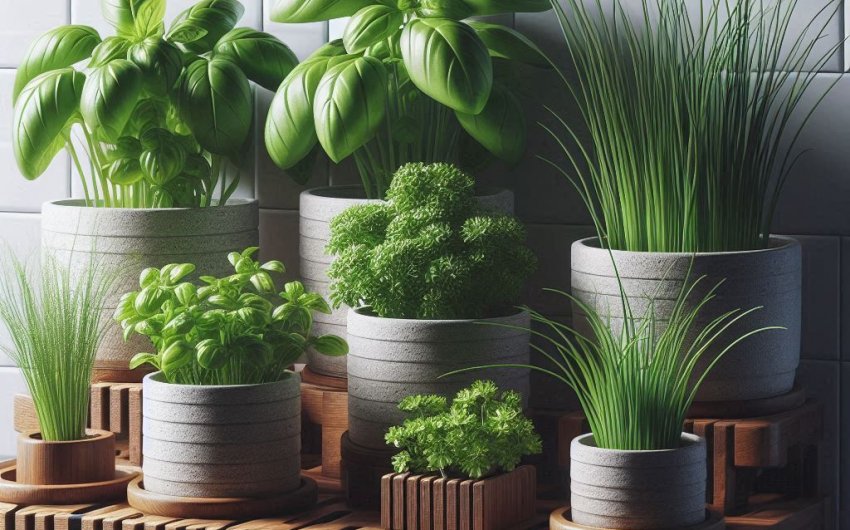
Cultivating fresh, aromatic plants within your living space is a delightful endeavor that brings flavor to your cooking and greenery to your home. This comprehensive guide will walk you through every step of growing herbs indoors, ensuring a thriving miniature garden even without a backyard.
Why Grow Herbs Indoors?
Bringing the garden indoors provides a continuous supply of fresh ingredients, enhances your home's aesthetics, and offers a rewarding connection to nature, regardless of the season or outdoor space limitations. It allows for year-round access to your favorite flavors.
What are the Benefits of Indoor Herb Gardening?
Beyond the simple joy of growing, growing herbs indoors offers several practical and personal advantages.
- Year-Round Freshness: No more relying on dried herbs or seasonal availability. With an indoor herb garden, you have access to fresh basil for pesto in winter or mint for iced tea in autumn. This consistency is a major culinary benefit.
- Convenience: Your herbs are just steps away from your kitchen counter. This ease of access encourages more frequent use in cooking, leading to more flavorful meals.
- Cost Savings: While the initial setup might involve some investment, over time, growing herbs indoors saves money compared to continuously buying fresh herbs from the grocery store.
- Enhanced Flavor: Freshly picked herbs have a more vibrant and intense flavor than their dried or store-bought counterparts, elevating your culinary creations.
- Pest Control (Natural): Many herbs, like basil, mint, and rosemary, have strong scents that can naturally deter common household pests like flies and mosquitoes, acting as a natural air freshener.
- Air Purification: Like other houseplants, herbs contribute to better indoor air quality by absorbing carbon dioxide and releasing oxygen. Some herbs, such as mint, are known to absorb harmful volatile organic compounds (VOCs).
- Aesthetic Appeal: A collection of lush green herbs adds beauty, texture, and a touch of nature to any indoor space, improving the ambiance of your home.
- Therapeutic Benefits: Gardening, even on a small scale, can be a calming and stress-reducing activity. Tending to your indoor herbs provides a peaceful escape and a sense of accomplishment.
Which Herbs Are Best for Indoor Growing?
Not all herbs are equally suited for indoor environments. Selecting varieties that naturally thrive in conditions commonly found inside a home—such as limited light and fluctuating temperatures—is crucial for a successful indoor herb garden. Focus on those known for their adaptability.
What are Easy Herbs to Grow Indoors?
Some herbs are more forgiving and adaptable to indoor conditions, making them excellent choices for beginners or those with less-than-ideal light situations.
- Mint (Mentha spp.): Mint is incredibly vigorous and can easily take over outdoor gardens, making it an ideal candidate for container growing indoors. There are many varieties, including peppermint, spearmint, and chocolate mint. Mint needs consistently moist soil and bright, indirect light. It's best to give it its own pot to prevent it from outcompeting other herbs.
- Chives (Allium schoenoprasum): Chives are similar to onions and garlic in flavor but milder. They grow in clumps and can be harvested by snipping the tops. Chives prefer bright light and well-draining soil. They are relatively low maintenance and regrow quickly after harvesting.
- Oregano (Origanum vulgare): Oregano is a hardy Mediterranean herb that thrives on neglect. It prefers plenty of sunlight but can tolerate less ideal conditions. Allow the soil to dry out slightly between waterings. Its robust flavor is excellent in Italian and Greek dishes.
- Thyme (Thymus vulgaris): Thyme is another Mediterranean herb that loves sunlight and well-drained soil. It's quite resilient and comes in many varieties, including lemon thyme and creeping thyme. Thyme tolerates drier conditions better than some other herbs, making it suitable for windowsills.
- Lemon Balm (Melissa officinalis): A member of the mint family, lemon balm has a delightful citrusy scent and flavor. It's easy to grow, preferring bright, indirect light and consistently moist soil. Its leaves can be used in teas, desserts, or as a garnish.
- Parsley (Petroselinum crispum): Both curly and flat-leaf parsley can be grown indoors. They need consistently moist soil and bright, indirect light. Parsley can be a bit slower to germinate from seed but once established, provides a continuous supply of fresh greens.
- Cilantro (Coriandrum sativum): Cilantro can be a bit finicky indoors as it tends to "bolt" (go to seed) quickly in warm temperatures. However, with cooler indoor temperatures and consistent moisture, you can get a good harvest. Plant seeds every few weeks for a continuous supply. It prefers bright light.
- Bay Laurel (Laurus nobilis): While technically a small tree, a young bay laurel plant can be grown indoors in a pot for years. It requires bright light and moderate watering, allowing the soil to dry slightly between waterings. Its leaves are essential for soups, stews, and sauces.
What Herbs Need More Specific Care Indoors?
Some herbs, while popular, require more precise conditions to truly flourish indoors, often needing more light or specific temperature ranges.
- Basil (Ocimum basilicum): Basil loves warmth and plenty of bright light, preferably 6-8 hours a day. It's sensitive to cold drafts and needs consistently moist soil. Pinching off the top leaves encourages bushier growth and prevents flowering. A grow light is often beneficial for basil indoors.
- Rosemary (Rosmarinus officinalis): Rosemary thrives in full sun and well-drained soil, making it challenging indoors if light is limited. It prefers cooler temperatures (around 60-70°F or 15-21°C) and good air circulation. Allow the soil to dry out between waterings.
- Sage (Salvia officinalis): Sage prefers bright light and well-drained soil that's allowed to dry out between waterings. It can be prone to powdery mildew if humidity is too high or air circulation is poor.
- Dill (Anethum graveolens): Dill needs plenty of light and consistent moisture. It tends to grow tall and leggy indoors if light is insufficient and can bolt quickly. It's often best grown from seed for a continuous supply.
What Do Herbs Need to Grow Indoors?
Successful indoor herb cultivation hinges on providing the right environmental conditions. Just like any living plant, herbs have fundamental needs that, when met, lead to vigorous growth and abundant harvests. The basic requirements are light, water, proper soil, and suitable containers.
How Much Light Do Indoor Herbs Need?
Light is arguably the most critical factor for growing herbs indoors. Most herbs, especially those used for their flavorful leaves, are sun-loving plants.
- South-Facing Windows: A south-facing window typically offers the most intense and prolonged sunlight, making it ideal for sun-loving herbs like basil, rosemary, and thyme. These windows provide direct light for several hours a day.
- East or West-Facing Windows: East-facing windows receive morning sun, which is less intense, while west-facing windows get hotter afternoon sun. These are generally suitable for herbs that prefer bright, indirect light or those that can tolerate slightly less intense sun, like mint, chives, and parsley.
- North-Facing Windows: These windows offer the least amount of direct sunlight and are often insufficient for most herbs. If this is your only option, you will almost certainly need a supplemental grow light.
- Supplemental Lighting (Grow Lights): When natural light is insufficient, a grow light becomes essential. Look for full-spectrum LED grow lights, as they provide the necessary light wavelengths for plant growth without excessive heat. A LED grow light can be placed a few inches above your herbs for 12-16 hours a day, effectively mimicking sunlight. Some lights even come with built-in timers, like a grow light with timer.
- Signs of Insufficient Light: Leggy growth (stretching towards the light), pale leaves, and poor flavor are common indicators that your herbs aren't getting enough light.
How Much Water Do Indoor Herbs Need?
Proper watering is crucial for healthy herbs. Too much or too little water can be detrimental. The key is to water when the soil needs it, not on a strict schedule.
- Finger Test: The best way to determine if your herbs need water is to stick your finger about an inch or two into the soil. If it feels dry, it's time to water.
- Thorough Watering: When you do water, water thoroughly until you see water draining from the bottom of the pot. This ensures that the entire root ball is moistened.
- Drainage is Key: Never let your pots sit in standing water, as this can lead to root rot. Always use pots with drainage holes and a saucer to catch excess water. A plant watering can with a long spout helps direct water precisely.
- Herb-Specific Needs:
- Consistently Moist: Herbs like mint and basil prefer consistently moist soil.
- Dry Slightly Between Waterings: Herbs like rosemary, thyme, and oregano prefer their soil to dry out slightly between waterings, mimicking their Mediterranean origins.
- Seasonal Adjustment: Water less frequently in winter when plant growth slows down and evaporation is lower.
- Signs of Improper Watering: Wilting leaves can indicate both underwatering (leaves are limp and dry) and overwatering (leaves are yellowing and limp). Check the soil moisture to diagnose correctly.
What Kind of Soil is Best for Indoor Herbs?
The right soil provides nutrients, anchors the roots, and allows for proper drainage and aeration.
- Potting Mix: Always use a high-quality, sterile potting mix specifically formulated for containers. Garden soil is too heavy, compacts easily, and can introduce pests and diseases indoors.
- Well-Draining: The potting mix should be well-draining to prevent waterlogging. Many good mixes contain ingredients like perlite or vermiculite, which improve drainage and aeration.
- Nutrient Content: While a good potting mix provides initial nutrients, indoor herbs will eventually deplete these. You may need to supplement with a diluted liquid fertilizer.
What are the Best Containers for Indoor Herbs?
The container you choose plays a significant role in your herb's health and your watering routine.
- Drainage Holes: This is non-negotiable. Every pot must have drainage holes to prevent root rot. If a decorative pot lacks holes, use it as a cachepot (a larger pot to hide a functional pot with drainage).
- Material:
- Terracotta Pots: Terracotta pots are porous, allowing air and moisture to pass through, which helps prevent overwatering. They dry out faster, so you might need to water more frequently.
- Plastic Pots: Plastic pots retain moisture longer, which can be beneficial for herbs that like consistently moist soil. They are lighter and less expensive.
- Glazed Ceramic Pots: These also retain moisture well, similar to plastic, but are heavier and often more decorative.
- Size: Choose a pot that's appropriately sized for the herb's root system. Starting too small can restrict growth, while too large a pot can hold too much moisture, leading to root rot. As your herbs grow, they will need to be repotted into larger containers. A plant pot set with various sizes is a good investment.
How to Start Your Indoor Herb Garden?
Embarking on your indoor herb garden journey can begin in a few different ways, each with its own advantages and considerations. Whether you prefer the immediacy of established plants or the satisfaction of growing from scratch, preparation is key.
Should I Start Herbs from Seed, Cuttings, or Young Plants?
The method you choose for starting your herbs will influence the time to harvest and the initial effort required.
- Starting from Seeds:
- Pros: Most economical option, widest variety of herbs available, rewarding experience.
- Cons: Requires more patience, specific temperature and light conditions for germination, slower to produce a harvest.
- Process: Fill seed starting trays or small pots with a seed starting mix. Plant seeds according to package directions (depth and spacing). Keep the soil consistently moist and warm (using a heat mat can help). Once seedlings emerge, provide bright light.
- Best for: Cilantro, dill, chives, parsley, basil (if you want many plants cheaply).
- Starting from Cuttings:
- Pros: Free if you have an existing plant or a friend does, relatively quick way to get new plants.
- Cons: Not all herbs root easily from cuttings.
- Process: Take a 4-6 inch cutting from a healthy, non-flowering stem. Remove the bottom leaves. Place the cutting in a glass of water, ensuring the nodes (where leaves were attached) are submerged. Place in a bright, indirect light spot. Change water every few days. Once roots are 1-2 inches long, plant in potting mix. Rooting hormone can increase success rates for more challenging herbs.
- Best for: Mint, basil, rosemary, sage, oregano, thyme.
- Starting from Young Plants (Nursery Starts):
- Pros: Instant gratification, immediate harvest, higher success rate, especially for beginners.
- Cons: More expensive than seeds, limited variety, potential for bringing pests indoors.
- Process: Purchase healthy, vigorous plants from a local nursery or garden center. Choose plants with green leaves, no signs of pests or disease, and sturdy stems. Repot them into their permanent containers with fresh potting mix as soon as you get them home. A small trowel is useful for this.
- Best for: Any herb, especially if you want a quick start.
How to Pot Your Indoor Herbs?
Proper potting ensures your herbs have a healthy environment to grow in.
- Gather Materials: You'll need your chosen pots with drainage holes, fresh potting mix, and your herbs (seeds, cuttings, or young plants).
- Add Drainage Layer (Optional): Some people add a layer of gravel or broken pottery at the bottom of the pot for drainage, but this is often unnecessary if your potting mix is well-draining and can even hinder proper drainage. Focus on the quality of your potting mix.
- Fill with Potting Mix: Fill your pot about two-thirds full with fresh potting mix. Create a small well in the center for the plant's root ball.
- Place the Plant: Gently remove the herb from its nursery container. Loosen any compacted roots at the bottom. Place the plant in the well, ensuring the top of the root ball is at the same level as, or slightly below, the rim of the new pot.
- Fill and Settle: Fill around the root ball with more potting mix, gently tamping it down to remove large air pockets. Leave about an inch of space from the rim of the pot to prevent soil from washing out during watering.
- Water Thoroughly: Water the newly potted herb thoroughly until water drains from the bottom.
How Do You Care for Indoor Herbs?
Consistent care is essential for maintaining healthy, productive indoor herbs. This includes regular feeding, thoughtful pruning, and vigilance against potential problems. A little attention goes a long way in ensuring a bountiful harvest.
Should I Fertilize My Indoor Herbs?
While fresh potting mix provides initial nutrients, these will eventually be depleted, especially with regular watering.
- When to Fertilize: Begin fertilizing about 4-6 weeks after potting. Herbs grown indoors in containers need supplemental nutrients because their root systems are confined and cannot seek out new sources of food like outdoor plants can.
- Type of Fertilizer: Use a balanced, liquid all-purpose fertilizer formulated for edibles or a specific herb fertilizer.
- Dilution: Always dilute the fertilizer to half or quarter strength. Over-fertilizing can burn the roots and harm your plants.
- Frequency: Fertilize every 2-4 weeks during the active growing season (spring and summer). Reduce frequency or stop entirely during fall and winter when growth naturally slows.
- Signs of Nutrient Deficiency: Yellowing leaves, stunted growth, and pale foliage can indicate a need for fertilizer.
How to Prune and Harvest Indoor Herbs?
Regular pruning and proper harvesting techniques encourage bushier growth, prolong the plant's life, and ensure a continuous supply of fresh leaves.
- Pinching and Pruning:
- Encourage Bushiness: For herbs like basil, mint, and oregano, regularly pinch off the top set of leaves just above a leaf node (where leaves branch off the stem). This encourages the plant to produce two new stems from that point, leading to a bushier plant rather than a tall, leggy one.
- Prevent Flowering: For most leafy herbs, like basil and cilantro, flowering signals the end of their life cycle and causes the leaves to lose flavor. Pinch off any flower buds as soon as they appear.
- Remove Dead or Yellowing Leaves: Trim away any discolored or dead leaves to direct the plant's energy towards healthy growth. A small pruning snip or clean scissors is ideal.
- Harvesting:
- General Rule: Harvest outer leaves or the top few inches of new growth. Never remove more than one-third of the plant at a time to allow for regrowth.
- Basil: Pinch off leaves from the top, just above a pair of leaves, to encourage branching.
- Mint: Snip stems just above a set of leaves.
- Rosemary, Thyme, Oregano, Sage: Snip off sprigs as needed.
- Chives, Parsley, Cilantro: Snip leaves from the outer parts of the plant, close to the base.
- Frequency: Harvest frequently to keep your herbs productive. The more you harvest (correctly), the more they will produce.
How to Deal with Pests and Diseases Indoors?
Even indoors, herbs can sometimes encounter pests or diseases. Early detection and natural remedies are key to keeping your plants healthy.
- Common Pests:
- Aphids: Small, pear-shaped insects, often green, black, or brown, that cluster on new growth. They suck plant sap, causing distorted leaves.
- Spider Mites: Tiny, almost microscopic pests that create fine webbing on the undersides of leaves. Leaves may appear stippled or speckled.
- Fungus Gnats: Small, dark flies that hover around the soil surface, often an indication of overwatering. Their larvae feed on roots.
- Detection: Regularly inspect your herbs, especially the undersides of leaves and new growth. A small magnifying glass can help with tiny pests.
- Treatment (Natural Methods):
- Isolate Affected Plants: Immediately move any infested plants away from healthy ones to prevent spread.
- Physical Removal: For aphids, a strong spray of water can dislodge them. You can also wipe them off with a damp cloth or cotton swab.
- Insecticidal Soap: A natural insecticidal soap is effective against most soft-bodied insects. Follow label directions.
- Neem Oil: A neem oil spray is an organic pesticide and fungicide that disrupts the life cycle of many pests.
- Sticky Traps: Yellow sticky traps can help monitor and trap flying pests like fungus gnats.
- Prevention:
- Good Air Circulation: Ensure your herbs have good airflow to prevent fungal diseases. A small fan can help.
- Proper Watering: Avoid overwatering, which creates a humid environment favored by pests and fungal issues.
- Quarantine New Plants: Before introducing new plants to your indoor garden, keep them separate for a week or two to ensure they are pest-free.
What are Advanced Tips for Indoor Herb Growing?
Once you've mastered the basics of growing herbs indoors, you might want to explore more advanced techniques to maximize your yield, expand your collection, and create a more sophisticated indoor herb garden. These tips can elevate your growing game and provide even more fresh herbs.
How Can I Optimize Growth with Hydroponics or Aquaponics?
For those looking to move beyond traditional soil-based growing, hydroponics and aquaponics offer exciting possibilities for faster growth and potentially higher yields indoors.
- Hydroponics:
- What it is: Hydroponics is a method of growing plants without soil, using mineral nutrient solutions dissolved in water. The plant roots are directly exposed to this nutrient-rich water.
- Benefits: Faster growth rates, higher yields, no soil-borne pests or diseases, less water waste.
- Setup: You can start with a simple passive system, like a Kratky method container (where roots sit in a nutrient solution), or invest in an active system with pumps and reservoirs, like a small hydroponic system. Many indoor herb garden kits, such as an AeroGarden, are hydroponic.
- Suitable Herbs: Basil, mint, lettuce, and chives thrive particularly well in hydroponic systems.
- Aquaponics:
- What it is: Aquaponics combines aquaculture (raising aquatic animals like fish) with hydroponics. Fish waste provides nutrients for the plants, and the plants filter the water for the fish, creating a symbiotic ecosystem.
- Benefits: Sustainable, produces both herbs and edible fish, highly efficient.
- Setup: More complex than pure hydroponics, requiring a fish tank, grow beds, pumps, and a filtration system. A desktop aquaponics system can be a good starting point for herbs.
- Suitable Herbs: Similar to hydroponics, leafy greens and herbs like basil, mint, and oregano are excellent choices.
What are Vertical Gardens and Living Walls?
When space is at a premium, vertical gardens and living walls offer innovative solutions to grow more herbs in a compact footprint.
- Vertical Garden Planters: These are structures designed to hold multiple plants in a stacked or tiered arrangement. They can be freestanding or wall-mounted. A vertical garden planter is perfect for a sunny wall or corner.
- Benefits: Maximizes growing space, creates a visually stunning display, improves air quality.
- Considerations: Ensure adequate light reaches all levels of the vertical garden. Watering can be more challenging, as water tends to drain quickly through the layers; some systems have built-in irrigation.
- Living Walls: More elaborate and typically custom-built structures that integrate plants directly into a wall, often with automated watering systems. These are truly a statement piece.
How Can I Propagate Herbs for Continuous Supply?
Propagating your herbs means creating new plants from existing ones, ensuring a continuous supply without buying new plants or seeds.
- Stem Cuttings: As mentioned in the "Starting from Cuttings" section, this is a highly effective method for many herbs. Take healthy non-flowering stems, remove lower leaves, and place them in water or a moist potting mix until roots form.
- Herbs that root well from cuttings: Basil, mint, rosemary, sage, oregano, thyme, lemon balm.
- Layering: This is a simple method where you encourage a stem to root while still attached to the parent plant.
- Process: Gently bend a lower stem of the herb plant down to touch the soil surface in an adjacent pot. Lightly wound the part of the stem touching the soil (scraping off a bit of bark) and pin it down with a wire or paperclip. Cover the wounded section with soil, leaving the tip of the stem exposed. Once roots form (check by gently tugging), snip the new plant from the parent.
- Herbs suitable for layering: Mint, thyme, oregano.
- Division: For herbs that grow in clumps, like chives, you can divide the plant.
- Process: Gently unpot the plant and carefully separate the root ball into smaller sections, ensuring each section has roots and some foliage. Repot these divisions into new containers.
- Herbs suitable for division: Chives, lemon balm, mint (if grown in a large clump).
- Seed Saving: For annual herbs like cilantro and dill, you can let some plants go to seed at the end of their life cycle and collect the seeds for future planting. Ensure the seeds are fully mature and dry before storing them in a cool, dark place.
Nurturing your selected herbs indoors enriches your culinary endeavors and transforms your living space into a vibrant, aromatic sanctuary. By providing consistent light, proper watering, and attentive care, you can relish the satisfaction of a continuous harvest of fresh, homegrown herbs, regardless of the season outside.