
What Are the Best Pots for Indoor Plants?
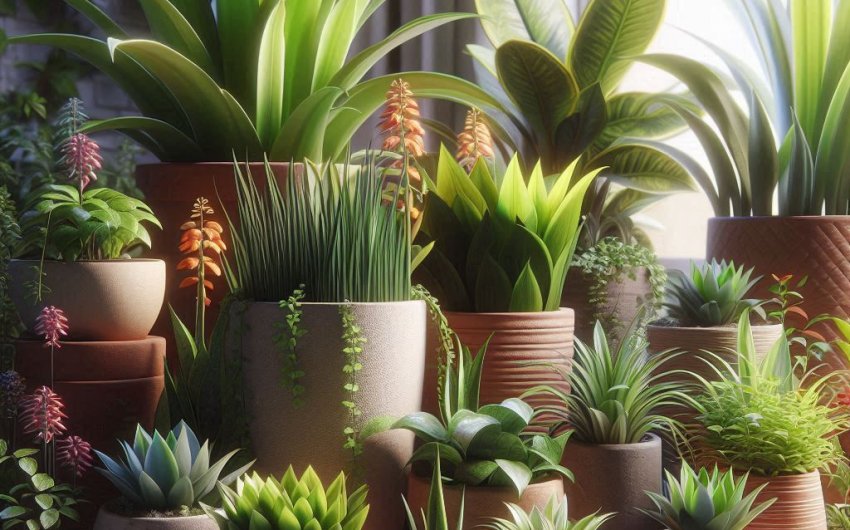
Choosing the best pots for indoor plants is a crucial decision that goes far beyond aesthetics. The right container directly influences a plant's health, affecting everything from drainage and aeration to root development and moisture retention. Understanding the various materials, their pros and cons, and how they interact with different plant needs is essential for cultivating thriving indoor greenery.
Why Does Pot Choice Matter for Indoor Plants?
The container you choose for your indoor plants is far more than just a decorative holder; it's a critical component of the plant's immediate environment. The pot's material, size, and design directly impact the root system, influencing water absorption, oxygen availability, and overall plant vitality.
How Does Drainage Affect Plant Health?
Drainage is arguably the most critical factor influenced by pot choice. Most indoor plants, especially those typically grown in pots, require excellent drainage to prevent root rot. Root rot occurs when roots sit in stagnant, waterlogged soil, depriving them of oxygen and making them susceptible to fungal diseases. A pot with adequate drainage holes allows excess water to escape, preventing the soil from becoming saturated and ensuring healthy root respiration. Without proper drainage, even the most diligent watering schedule can lead to plant demise.
Why Are Drainage Holes Essential?
Drainage holes at the bottom of the pot are absolutely essential for the health of almost all indoor plants. These holes serve as an exit point for excess water, preventing it from pooling around the roots. While some decorative pots may lack drainage holes, it is strongly recommended to use a nursery pot with holes inside such a planter, or to drill holes if the material allows. Attempting to grow a plant in a pot without drainage holes drastically increases the risk of overwatering and root rot, even for plants that prefer moist conditions.
How Do Materials Influence Watering Needs?
The material of the pot significantly impacts how quickly the potting mix dries out, thereby influencing your watering frequency.
- Porous Materials (e.g., Terracotta): These materials absorb moisture from the soil and allow it to evaporate through their walls. This means the potting mix dries out faster, which is beneficial for plants that prefer drier conditions or are prone to overwatering. However, it also means you'll need to water more frequently.
- Non-Porous Materials (e.g., Plastic, Ceramic, Glazed Pots): These materials do not absorb moisture from the soil or allow water to evaporate through their walls. The potting mix therefore retains moisture for longer. This is ideal for plants that prefer consistently moist conditions or for gardeners who tend to under-water. It also means less frequent watering is typically needed.
Why Is Pot Size Important?
The size of the pot directly affects root growth and moisture levels.
- Too Small: A pot that is too small will restrict root growth, causing the plant to become root-bound. This can stunt growth, make the plant dry out very quickly, and lead to nutrient deficiencies.
- Too Large: A pot that is too large holds too much potting mix relative to the plant's root system. The excess soil remains wet for too long, increasing the risk of root rot because the plant's roots cannot absorb all the moisture before it becomes stagnant. As a general rule, repot into a pot that is only 1-2 inches larger in diameter than the previous one.
Understanding these fundamental impacts of pot choice underscores its importance in creating a flourishing environment for your indoor plants.
What Are the Pros and Cons of Terracotta Pots?
Terracotta pots, instantly recognizable by their earthy, unglazed reddish-brown appearance, are a classic choice for indoor plants. Their natural, porous material offers distinct advantages and disadvantages that make them suitable for certain plants and care styles.
What are the Benefits of Terracotta?
Terracotta's inherent properties provide several advantages for indoor plants:
- Excellent Breathability and Aeration: Terracotta is a porous material, meaning its walls allow air to pass through. This provides superior aeration to the root system, which is crucial for root health and preventing anaerobic conditions that lead to rot.
- Promotes Faster Drying: The porosity of terracotta also allows moisture to evaporate through the pot's walls. This means the potting mix dries out more quickly than in non-porous pots. This feature is a significant benefit for plants that prefer drier soil conditions, are susceptible to root rot, or for gardeners who tend to overwater.
- Prevents Overwatering: Because they dry out faster, terracotta pots act as a natural safeguard against accidental overwatering, making them a forgiving choice for beginners learning proper watering habits.
- Natural Aesthetics: Their rustic, earthy look complements most plant types and blends well with various interior design styles, from bohemian to traditional.
- Weight and Stability: Terracotta pots are heavier than plastic, providing good stability for top-heavy plants and reducing the risk of tipping.
What are the Drawbacks of Terracotta?
Despite their benefits, terracotta pots also have some downsides:
- Requires More Frequent Watering: Due to their evaporative properties, plants in terracotta pots will dry out faster and require more frequent watering, especially during warmer months or in dry indoor environments. This can be a drawback for plants that prefer consistently moist soil or for gardeners who travel frequently.
- Salt Buildup: Minerals and salts from tap water can leach out through the porous walls and accumulate on the outside of the pot, forming unsightly white crusty deposits. While not directly harmful to the plant, it can affect aesthetics.
- Fragility: Terracotta is ceramic and can easily chip or break if dropped or knocked over.
- Heavier: Their weight can be a disadvantage when repotting larger plants or moving them around.
- Temperature Fluctuation: While beneficial for cooling, in very cold environments, the rapid evaporation can also cause the soil to cool down faster, which might not be ideal for some heat-loving plants.
What Plants Thrive in Terracotta?
Terracotta pots are particularly well-suited for indoor plants that prefer drier conditions or are highly susceptible to root rot. This includes:
- Cacti and Succulents: Their need for excellent drainage and dry soil makes terracotta an ideal choice. An Amazon Basics Terracotta Pot is a good example.
- Snake Plants (Sansevieria): These hardy plants are very prone to rot if overwatered.
- ZZ Plants (Zamioculcas zamiifolia): Similar to snake plants, they store water in their rhizomes and prefer drier conditions.
- Orchids (some varieties): Many epiphytic orchids benefit from the rapid drainage and aeration.
For gardeners who err on the side of overwatering, or for plants with specific needs for excellent drainage, terracotta pots are often considered among the best pots for indoor plants.
What Are the Pros and Cons of Plastic Pots?
Plastic pots are ubiquitous in the plant world, from nursery containers to decorative options. Their affordability, lightweight nature, and diverse designs make them a popular choice for indoor plants, but their non-porous nature presents a different set of considerations compared to terracotta.
What are the Benefits of Plastic?
Plastic pots offer numerous practical advantages for indoor plants:
- Affordability: They are generally the least expensive option, making them budget-friendly for collecting many plants or for large-scale propagation.
- Lightweight: Plastic pots are very light, which makes them easy to move, especially for larger plants that would be unwieldy in heavier materials. This also reduces shipping costs for online plant purchases.
- Moisture Retention: Unlike terracotta, plastic is non-porous, meaning it does not absorb or release moisture through its walls. This keeps the potting mix moist for a longer period, reducing the frequency of watering. This is beneficial for plants that prefer consistently moist soil and for gardeners who tend to under-water or travel frequently.
- Durability: While they can become brittle with age or extreme temperatures, plastic pots are generally resistant to breaking if dropped, making them a more forgiving option than ceramic or terracotta.
- Variety: Plastic pots come in an endless array of colors, shapes, and sizes, allowing for significant decorative versatility. Many also come with integrated saucers. You can easily find plastic plant pots with drainage in various sizes.
What are the Drawbacks of Plastic?
Despite their popularity, plastic pots have some notable disadvantages:
- Increased Risk of Overwatering: Because they retain moisture for longer, there's a higher risk of overwatering and subsequent root rot, especially for plants that prefer drier conditions. Gardeners must be vigilant about checking soil moisture levels before watering.
- Poor Aeration: The non-porous nature of plastic means there's less air exchange at the root level compared to terracotta, which can sometimes lead to less oxygen availability for roots if the soil remains waterlogged.
- Less Aesthetic Appeal: While decorative plastic pots exist, many standard nursery pots are not considered as aesthetically pleasing as natural materials like terracotta or ceramic.
- Degradation Over Time: Plastic can become brittle, crack, and degrade over time, especially when exposed to UV light (though less of an issue indoors).
- Environmental Concerns: The environmental impact of plastic production and disposal is a growing concern for many gardeners.
What Plants Thrive in Plastic?
Plastic pots are an excellent choice for indoor plants that prefer consistently moist soil or those that are heavy drinkers. This includes:
- Ferns: Many ferns thrive in constantly moist conditions and high humidity.
- Peace Lilies: These plants prefer consistently damp soil and are sensitive to drying out.
- Calatheas/Prayer Plants: Known for their need for high humidity and consistently moist soil.
- Pothos/Philodendrons: While adaptable, they often do well in plastic, as it helps maintain moisture.
- Many Tropical Foliage Plants: Generally, any plant that would naturally grow in a consistently damp, tropical environment will appreciate the moisture retention of plastic.
For gardeners who tend to under-water or have plants that are moisture-loving, plastic pots can be among the best pots for indoor plants.
What Are the Pros and Cons of Ceramic/Glazed Pots?
Ceramic and glazed pots are a popular choice for indoor plants primarily due to their aesthetic appeal and ability to retain moisture. They come in an enormous variety of colors, finishes, and designs, making them highly versatile for interior decoration. However, their non-porous nature impacts watering and root health.
What are the Benefits of Ceramic/Glazed Pots?
Ceramic and glazed pots offer several advantages for indoor plants:
- High Aesthetic Appeal: This is perhaps their strongest selling point. They are available in an endless array of colors, patterns, and glazes, allowing them to complement any interior design style. They can truly act as decorative pieces themselves. You can find stylish ceramic plant pots with saucers in many designs.
- Moisture Retention: Like plastic, ceramic pots are non-porous. This means they do not absorb water from the potting mix, leading to slower evaporation and the soil remaining moist for longer periods. This reduces the frequency of watering.
- Weight and Stability: They are heavier than plastic pots, which provides excellent stability for taller or top-heavy plants, reducing the risk of them tipping over.
- Durability (when intact): While they can break, glazed ceramic pots are generally quite durable and resistant to chipping from minor bumps compared to unglazed terracotta.
- No Salt Buildup: Since they are non-porous, mineral salts from water do not leach through the sides, so you won't get the white crusty buildup seen on terracotta.
What are the Drawbacks of Ceramic/Glazed Pots?
Despite their beauty, ceramic and glazed pots also have some disadvantages:
- Increased Risk of Overwatering/Root Rot: Their non-porous nature means the potting mix dries out slowly. This significantly increases the risk of overwatering and root rot, especially for plants that prefer drier conditions or for gardeners who are heavy-handed with water. Careful monitoring of soil moisture is essential.
- Lack of Aeration: Compared to porous materials like terracotta, there is less air exchange through the pot walls, which can sometimes reduce oxygen availability to the roots.
- Heavier: Their weight can be a significant drawback when trying to move or repot larger plants.
- Fragility: While more durable than terracotta against minor impacts, they are still ceramic and will shatter if dropped from a height or knocked over forcefully.
- Cost: Ceramic and glazed pots are often more expensive than plastic or even basic terracotta pots, especially for larger or artisan-made pieces.
What Plants Thrive in Ceramic/Glazed Pots?
Ceramic and glazed pots are best suited for indoor plants that prefer consistently moist soil and can tolerate less air exchange at the root level, provided they have excellent drainage holes. This includes:
- Ferns: Many types of ferns, which prefer high humidity and consistently moist soil.
- Peace Lilies: Known for thriving in consistently damp conditions.
- Calatheas and Marantas: These tropical plants appreciate steady moisture and humidity.
- Pothos and Philodendrons: While adaptable, they often do well in ceramic pots, as the material helps maintain moisture levels.
For gardeners who prioritize aesthetics and have a good understanding of their plant's watering needs, ceramic and glazed pots can be among the best pots for indoor plants. Using a moisture meter for plants can be particularly helpful with these pots.
What Are Some Specialty Pot Options?
Beyond the common terracotta, plastic, and ceramic, several specialty pot options offer unique benefits and cater to specific plant needs or aesthetic preferences for indoor plants. These can provide tailored solutions for challenging growing conditions or add an extra touch of design flair.
Are Self-Watering Pots Effective?
Self-watering pots are designed to reduce watering frequency by providing a reservoir of water that the plant can draw from as needed. They typically consist of an inner pot with a wicking system (or passive hydroponic design) and an outer reservoir.
- Benefits:
- Convenience: Great for busy gardeners, those who travel frequently, or anyone prone to forgetting to water.
- Consistent Moisture: Provides a steady supply of moisture to the roots, which is excellent for plants that prefer consistently damp conditions.
- Reduces Overwatering (in some cases): While it sounds counter-intuitive, the plant takes what it needs, reducing the risk of a flood from a single manual overwatering.
- Drawbacks:
- Not for All Plants: Not suitable for plants that prefer their soil to dry out completely between waterings (like cacti or succulents).
- Potential for Stagnation: If the reservoir isn't occasionally flushed or cleaned, stagnant water can develop.
- Salt Buildup: Mineral salts can still accumulate, especially if using hard tap water.
- Best for: Moisture-loving plants like African violets, ferns, peace lilies, and herbs. A common type is the LECA self-watering pot.
What About Fabric Grow Bags?
Fabric grow bags are made from breathable, felt-like fabric, typically recycled PET plastic. While more commonly used outdoors, smaller versions are increasingly popular for indoor plants due to their unique properties.
- Benefits:
- Excellent Aeration & Drainage: The fabric walls allow air and water to pass through freely, providing superb aeration to the roots and preventing overwatering and root rot. This also encourages "air pruning" of roots, preventing circling roots.
- Lightweight & Flexible: Easy to move, store, and transport.
- Temperature Regulation: The breathable fabric helps dissipate heat, keeping roots cooler in warmer conditions.
- Drawbacks:
- Rapid Drying: Soil dries out very quickly, requiring frequent watering, which can be a chore for some.
- Aesthetics: The utilitarian appearance isn't for everyone, though they can be placed inside decorative cachepots.
- Water Management: Can be messy if placed directly on surfaces without a tray, as water can seep through the bottom and sides.
- Best for: Plants prone to root rot, plants that need excellent aeration, or for temporary indoor setups. Consider a VIVOSUN Fabric Grow Bag for this.
Are There Any Other Unique Pot Materials?
Several other materials offer specialized uses or unique aesthetics for indoor plants:
- Concrete/Cement Pots: Offer a modern, industrial aesthetic. They are very heavy and durable, and relatively non-porous. Good for stability of large plants but can be difficult to move.
- Metal Pots: Usually made of galvanized steel, copper, or brass. They are decorative and generally non-porous. However, metal can heat up quickly in direct sun (less an issue indoors) and should always be paired with a plastic nursery pot inside to prevent rust and potential chemical leaching.
- Resin/Fiberglass Pots: Lightweight, durable, and can mimic the look of terracotta, stone, or ceramic at a fraction of the weight and cost. They are non-porous and often come with good drainage.
- Wood Pots: Offer a natural, rustic look. Durability depends on the type of wood and whether it's treated. They are somewhat porous and can decompose over time. Lining with plastic is often recommended to prolong life and prevent water damage.
These specialty pot options allow gardeners to fine-tune their approach to indoor plant care, providing tailored environments or unique decorative elements.