
How Can I Prevent Pests on My Indoor Plants?
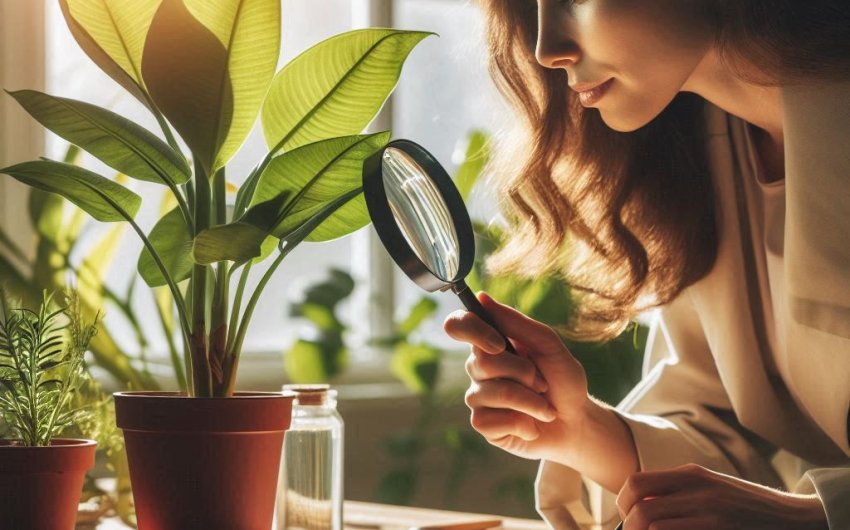
Effectively learning how can I prevent pests on my indoor plants is a cornerstone of successful indoor gardening. While it's nearly impossible to eliminate the risk of pests entirely, proactive strategies and consistent vigilance can significantly reduce the chances of infestations. This comprehensive guide explores various preventative measures, from careful plant selection to environmental control, empowering you to create a thriving, pest-resistant indoor jungle.
Why Do Indoor Plants Get Pests?
Even though your indoor plants are kept inside, away from outdoor bugs, they can still get pests. Understanding why this happens is the first step in learning how can I prevent pests on my indoor plants.
- New Plant Arrivals: The most common way pests enter your home is by hitchhiking on new plants, soil, or even cuttings you bring indoors.
- Contaminated Potting Mix: Sometimes, potting soil can contain insect eggs or larvae, especially if it's not a sterile, high-quality mix.
- Open Windows/Doors: Tiny flying pests like fungus gnats or even aphids can sometimes fly in through open windows or doors, especially if there are outdoor plants nearby.
- Transference from Outdoors: If you move your indoor plants outside for a "summer vacation" or even just bring a bouquet of flowers inside, pests can transfer from the outdoor environment.
- Stress Makes Them Vulnerable: Plants that are stressed from too much or too little water, not enough light, or poor nutrition are weaker and more attractive to pests, as they're easier targets.
- Pests Are Resourceful: Insects are incredibly small and resourceful. They can hide in tiny cracks, under leaves, or in the soil, making them hard to spot until a population grows.
What Steps Should I Take When Bringing New Plants Home?
Bringing new plants into your home is exciting, but it's also the most common way pests are introduced. A rigorous inspection and quarantine process are crucial first steps in how can I prevent pests on my indoor plants.
Inspect Thoroughly at the Store
Before you even buy a plant, take a few minutes to check it carefully for any signs of unwanted hitchhikers.
- Check Leaves (Top and Bottom): Look for tiny insects, sticky residue (honeydew), white cottony masses, fine webbing, or distorted leaves. Pay extra attention to the undersides of leaves, along stems, and in leaf axils (where the leaf meets the stem).
- Inspect Stems and Soil Surface: Look for small bumps (scale), tiny moving specks, or anything unusual on the stems. Check the top layer of the soil for any visible bugs, larvae, or excessive fungus gnats flying around.
- Lift the Pot and Check Drainage Holes: Sometimes pests can be found around the rim of the pot or crawling out of the drainage holes. If you see roots coming out, check them too.
- Avoid Plants with Visible Signs of Pests: If you see obvious signs of pests, it's best to choose another plant, even if it's a great deal. It's often not worth the risk of bringing an infestation home.
Implement a Quarantine Period
Even if a new plant looks perfectly clean at the store, some pests are too small to see or are in an egg stage. A quarantine period is your best defense.
- Separate Location: Place the new plant in a separate room or area, away from your existing plant collection, for at least 2-4 weeks. A spare bedroom, a bathroom, or even a laundry room can work. Ensure it still gets appropriate light and care during this time.
- Regular Inspection During Quarantine: During the quarantine period, inspect the plant every day or every other day. Look for any new spots, sticky residue, or tiny insects. The goal is to catch any emerging pests before they can spread.
- Proactive Treatment (Optional): For extra precaution, you can proactively treat the new plant during quarantine.
- Wipe Leaves: Wipe down all leaves (top and bottom) with a damp cloth or a very diluted Neem oil solution.
- Spray: Lightly spray the plant with a diluted solution of insecticidal soap. Follow product directions carefully.
- Inspect Soil: If you suspect soil pests, you could try a preventative soil drench with diluted Neem oil or hydrogen peroxide solution (1 part 3% hydrogen peroxide to 4 parts water) to kill larvae.
- No Signs? Integrate: If, after the quarantine period, you've seen no signs of pests, you can safely integrate the new plant into your collection.
Repot If Necessary
The original potting mix can sometimes harbor pest eggs or larvae. Repotting can reduce this risk.
- Fresh Potting Mix: When you bring a new plant home, consider repotting it into fresh, sterile potting mix specifically designed for indoor plants.
- Rinse Roots (Optional): If you're particularly concerned about soil pests or root mealybugs, you can gently rinse the old soil off the roots before repotting into new mix. Be very careful not to damage the roots during this process.
- Sterile Mix is Key: Purchase reputable, pre-packaged indoor potting mix from a garden center. Avoid using garden soil or soil from unknown sources, as it can contain outdoor pests, weed seeds, and disease pathogens.
By strictly following these initial steps, you've established a strong first line of defense in how can I prevent pests on my indoor plants, significantly reducing the risk of infestations from the start.
How Can Proper Plant Care Prevent Pests?
Healthy plants are naturally more resilient to pest infestations. When a plant is thriving, it can better withstand minor attacks and even deter pests. Conversely, stressed plants are like open invitations.
Maintain Optimal Watering
Both overwatering and underwatering stress plants and can create conditions favorable for different types of pests.
- Avoid Overwatering: Continuously soggy soil suffocates roots, leading to a weakened plant susceptible to root rot and attracting fungus gnats. Fungus gnats thrive in moist soil and lay their eggs there. Learn to check soil moisture before watering. A moisture meter can help.
- Avoid Underwatering: Extremely dry soil stresses plants, making them weak and more vulnerable. Underwatering can also be a signal for pests like spider mites, which sometimes prefer dry, dusty conditions.
- Proper Drainage: Always ensure your pots have drainage holes. Never let a plant sit in standing water. This prevents root rot, which severely weakens a plant's defenses. If your decorative pot doesn't have a hole, use a plastic nursery pot inside it.
Provide Adequate Light
Light is crucial for photosynthesis, which powers plant growth and health. Incorrect light levels lead to stress.
- Match Light Needs: Research your plant's specific light requirements and place it accordingly. Plants getting too little light will grow weak, leggy, and be more susceptible to pests. Too much direct sun can also stress plants, leading to sunburn and weakened defenses.
- Rotate Plants: Regularly rotate your plants to ensure all sides receive adequate light. This promotes even growth and allows you to inspect all parts of the plant more easily.
Ensure Proper Humidity and Airflow
Indoor environments, especially in winter, can become very dry, which favors some pests. Air circulation is also important.
- Increase Humidity for Tropicals: Many common houseplants are tropical and prefer higher humidity. Low humidity can stress them, making them more prone to spider mites. Use a plant humidifier, pebble trays, or group plants to increase local humidity.
- Good Airflow: Stagnant air can encourage fungal issues and some pests. Ensure good air circulation around your plants. Avoid overcrowding. A small fan can help gently circulate air in a dense plant collection, but don't blast plants with direct strong airflow.
Fertilize Appropriately
While essential for growth, improper fertilization can harm plants and make them pest magnets.
- Don't Over-Fertilize: Too much fertilizer, especially nitrogen, can lead to soft, lush new growth that is particularly attractive to sap-sucking pests like aphids and mealybugs. Always follow the instructions on your plant fertilizer and err on the side of under-fertilizing rather than over-fertilizing.
- Fertilize During Growing Season: Only fertilize when your plant is actively growing (typically spring and summer). Do not fertilize dormant plants in fall and winter.
- Use Balanced Fertilizer: Provide a balanced fertilizer that gives your plant all the nutrients it needs to build strong cell walls and a healthy immune system.
Maintain Cleanliness and Hygiene
A clean growing environment makes it harder for pests to thrive and easier for you to spot them early.
- Remove Dead Leaves/Debris: Regularly remove any yellowing, dead, or fallen leaves and debris from the plant and the soil surface. Decaying matter can attract pests and harbor fungal spores.
- Clean Tools and Pots: Sterilize your pruning shears or other plant tools with rubbing alcohol between uses, especially if you've been working with a potentially infested plant. Always use clean pots when repotting.
- Clean Leaves: Dust or wipe down plant leaves regularly with a damp cloth. Dust can block pores (stomata) and hinder photosynthesis, stressing the plant. It also makes it harder to spot tiny pests like spider mites. You can use a diluted Neem oil spray for this as well.
- Clean Up Spills: Promptly clean up any spilled soil or water to prevent attracting pests or creating overly moist conditions.
By implementing these proper plant care techniques, you're not just helping your plants thrive, you're actively practicing how can I prevent pests on my indoor plants by making your green friends naturally pest-resistant.
What Are the Best Monitoring and Early Detection Strategies?
Even with the best preventative care, pests can still sometimes find their way onto your plants. Early detection is absolutely critical for effective pest management and preventing widespread infestations.
Regular Visual Inspection
Make plant inspection a part of your routine. The more often you look closely, the faster you'll spot problems.
- Weekly Check-ups: Set aside a specific time each week to thoroughly inspect all your indoor plants. Choose a day when you're likely to be watering.
- Examine All Parts:
- Top and Bottom of Leaves: Pay special attention to the undersides of leaves, which are common hiding spots for spider mites, mealybugs, and aphids.
- Stems and Junctures: Look along stems, in leaf axils (where leaves meet the stem), and new growth points for tiny bumps (scale), cottony masses (mealybugs), or sticky residue (honeydew, a sign of sap-sucking pests).
- Soil Surface and Pot Rim: Check for small flying insects (fungus gnats), tiny crawling bugs (springtails), or white mold.
- Look for Subtle Signs: Don't just look for bugs themselves. Also look for:
- Sticky Residue (Honeydew): A clear, sticky substance on leaves or surfaces below the plant, often a sign of aphids, mealybugs, or scale.
- Tiny Webbing: Fine, delicate webbing, especially in leaf axils or on new growth, is a strong indicator of spider mites.
- Distorted or Stunted New Growth: Pests feeding on new leaves can cause them to grow malformed or yellow.
- Small Bumps or Discoloration: Could be scale insects or other feeding damage.
Use Yellow Sticky Traps
Yellow sticky traps are an excellent passive monitoring tool, particularly for flying pests.
- Placement: Place a few yellow sticky traps near your plants or directly in the soil.
- Target Pests: They are very effective at catching fungus gnats, whiteflies, and winged aphids. While they won't eliminate a large infestation, they will quickly alert you to the presence of these pests.
- Regular Checks: Check the traps regularly. The number and type of insects caught will give you an early indication of a pest problem.
- Replace When Full: Replace the traps once they are covered with insects or lose their stickiness.
Clean Leaves Regularly
Cleaning leaves not only helps your plant photosynthesize better but also gives you a chance for close inspection.
- Wipe Down Leaves: Use a soft, damp cloth (or a cloth dampened with diluted Neem oil solution) to gently wipe the top and bottom of each leaf.
- Early Detection: As you wipe, you're physically removing dust and also getting a close-up look at the leaf surface, making it easier to spot tiny pests or their eggs.
- Deterrence: Regular wiping also helps deter some pests, as it removes their feeding grounds or dislodges them.
Be Mindful of Any Changes
A healthy plant will typically look consistent. Any sudden or gradual changes in its appearance should prompt an investigation.
- Changes in Leaf Color or Texture: Unexplained yellowing, browning, or crispy leaves.
- Drooping or Wilting: When the soil moisture is adequate.
- Unusual Spots or Bumps: Any new marks on leaves or stems.
- Stunted Growth: If a plant suddenly stops growing or new growth is distorted.
By making diligent monitoring a regular part of your plant care routine, you are taking a proactive approach to how can I prevent pests on my indoor plants, catching problems when they are small and manageable.
What Are Some Common Indoor Plant Pests and How Do I Prevent Them?
Understanding the common culprits and their preferred conditions is key to prevention. While complete prevention isn't always possible, minimizing favorable conditions can drastically reduce pest problems.
Fungus Gnats
Tiny, dark, mosquito-like flies that hover around plants and soil. Their larvae live in the soil and feed on fungi and sometimes plant roots. They are mostly annoying but can damage seedlings or weak plants.
- Prevention:
- Don't Overwater: This is the most crucial step. Fungus gnat larvae thrive in consistently moist or soggy soil. Let the top 1-2 inches of soil dry out completely between waterings.
- Good Drainage: Ensure pots have drainage holes and don't sit in standing water.
- Sterile Potting Mix: Use high-quality, sterile potting mix. Avoid garden soil indoors.
- Top Dressing: A 1-inch layer of decorative gravel, sand, or diatomaceous earth (food grade) on top of the soil can create a dry barrier that prevents adult gnats from laying eggs and larvae from emerging.
- Yellow Sticky Traps: Use yellow sticky traps to catch adult gnats, which helps break their breeding cycle and monitors their presence.
- Watering Habits: Water from the bottom (bottom-watering) can keep the top layer of soil dry, deterring egg-laying.
Spider Mites
Tiny arachnids (not insects) that are almost microscopic. They cause stippling (tiny dots) on leaves, discoloration, and fine webbing, especially on the undersides of leaves or in leaf axils. They thrive in hot, dry conditions.
- Prevention:
- Increase Humidity: Spider mites hate high humidity. Group plants together, use a plant humidifier or pebble trays.
- Regular Misting (for some plants): For plants that tolerate it, regular misting can help deter spider mites by increasing leaf surface humidity. Avoid misting fuzzy-leaved plants.
- Clean Leaves: Regularly wipe down leaves (top and bottom) with a damp cloth. This physically removes mites and their eggs and disrupts their preferred dry, dusty environment. A diluted Neem oil spray can be used during wiping.
- Quarantine New Plants: Spider mites are often brought in on new plants. Always quarantine.
Mealybugs
Soft-bodied, oval insects covered in a white, cottony, waxy substance. They cluster in leaf axils, on stems, and under leaves, sucking plant sap. They leave behind sticky honeydew.
- Prevention:
- Inspect New Plants Thoroughly: Mealybugs are masters of hiding. Check all crevices of new plants before bringing them home.
- Isolate New Plants: Always quarantine new plants for several weeks.
- Regular Visual Inspection: During your weekly check-ins, actively look into leaf axils and crevices.
- Avoid Over-Fertilizing: Excessive nitrogen can lead to soft, succulent growth that is very attractive to mealybugs.
- Cleanliness: Remove any dead or decaying plant material where mealybugs might hide.
- Proactive Wiping: Wiping leaves with a dilute Neem oil solution can help deter them.
Aphids
Small, pear-shaped insects, often green, black, yellow, or pink, that cluster on new growth, buds, and the undersides of leaves. They suck sap, causing distorted new growth and producing sticky honeydew.
- Prevention:
- Inspect New Plants: Aphids are notorious hitchhikers. Check new plants carefully, especially new shoots.
- Isolate New Plants: Quarantine is essential.
- Avoid Over-Fertilizing: Like mealybugs, aphids are drawn to tender, rapid new growth caused by excessive nitrogen.
- Good Airflow: Ensure good air circulation around plants.
- Proactive Sprays: For outdoor plants brought inside, or if you suspect aphids, a preventative spray of insecticidal soap or Neem oil can be applied before bringing them in or to vulnerable new growth.
Scale Insects
Small, oval-shaped insects that appear as hard, brown, or black bumps on stems and leaves. They are immobile once mature, covered by a waxy protective shell. They also suck sap and produce honeydew.
- Prevention:
- Thorough Inspection: Scale can be hard to spot as they look like part of the plant. Carefully examine stems and the undersides of leaves of any new plant.
- Quarantine Strictly: They spread slowly but are persistent. A long quarantine period is advisable.
- Cleanliness: Regularly wipe stems and leaves, which can dislodge young crawlers before they settle.
- Avoid Over-Fertilizing: Soft, lush growth makes it easier for scale to attach.
By understanding the specific preferences of these common indoor plant pests and implementing targeted preventative measures, you are effectively learning how can I prevent pests on my indoor plants and safeguarding your green companions.
What Are Some Natural and Organic Prevention Methods?
Beyond good plant care, several natural and organic methods can act as deterrents or early intervention tools, keeping your plants healthy without resorting to harsh chemicals. These methods are key to understanding how can I prevent pests on my indoor plants organically.
Neem Oil
Neem oil is a natural, biodegradable oil extracted from the neem tree. It acts as an insect repellent and growth regulator, disrupting the life cycle of many pests.
- As a Preventative Spray: Mix pure, cold-pressed Neem oil with a few drops of mild liquid soap (as an emulsifier) and water according to package directions.
- Application: Spray all surfaces of the plant (top and bottom of leaves, stems) until dripping, once every 2-4 weeks. Do this as a preventative measure, especially during the growing season or if you've recently acquired new plants.
- Benefits: It deters pests from feeding, interferes with their growth and reproduction, and can make plants less attractive. It's safe for pets and humans once dry.
- Caution: Avoid spraying in direct sunlight, as it can cause leaf burn. Test on a small area first.
Insecticidal Soap
Insecticidal soap is a gentle, contact insecticide that suffocates soft-bodied insects like aphids, mealybugs, spider mites, and whiteflies.
- As a Preventative Wash: Use a commercial insecticidal soap spray or make your own by mixing 1-2 teaspoons of mild liquid dish soap (avoid degreasers) per gallon of water.
- Application: Lightly spray plant leaves (top and bottom) and stems periodically, especially if you notice early signs of pests or as part of a general cleaning routine.
- Benefits: It works by disrupting insect cell membranes, but only when wet. It has no residual effect once dry, making it safe for beneficial insects (if you were outdoors).
- Caution: Always test on a small area first to ensure no plant damage. Rinse after 15-20 minutes for very sensitive plants.
Diatomaceous Earth (DE)
Food-grade diatomaceous earth (DE) is a fine powder made from fossilized diatoms. It works by scratching the waxy outer layer of insects, causing them to dehydrate.
- Application: Lightly sprinkle DE on the top layer of soil. This is particularly effective for soil-dwelling pests like fungus gnat larvae.
- How it Works: When insects crawl through it, the microscopic sharp edges cut their exoskeletons, leading to dehydration.
- Benefits: It's non-toxic to humans and pets (when food-grade).
- Caution: DE is only effective when dry. Once wet, it loses its abrasive properties. Wear a mask when applying to avoid inhaling the fine dust.
Horticultural Oil
Similar to Neem oil, horticultural oils (often mineral oil or vegetable oil based) work by suffocating soft-bodied pests and their eggs.
- Application: Mix a commercial horticultural oil with water according to label directions. Spray thoroughly, ensuring complete coverage of pests.
- Benefits: Effective against eggs, nymphs, and adults of many pests, especially spider mites, aphids, mealybugs, and scale.
- Caution: Can cause leaf burn if applied in direct sunlight or on very hot days. Test on a small area first. Some plants are sensitive to oil sprays (e.g., ferns, blue spruce, succulent varieties).
Companion Planting (Less Common Indoors)
While more common in outdoor gardens, the principle of companion planting can sometimes be applied on a very small scale indoors.
- Deterrent Plants: Certain herbs like basil, mint, or rosemary are thought to have scents that deter some common pests. Placing these nearby might offer some minimal deterrent effect.
- Draw Away Pests (Sacrificial Plants): Sometimes, a particularly attractive plant can be used to draw pests away from more valuable ones, but this requires active monitoring and removal of the "sacrificial" plant once it's infested. This is generally not a practical long-term strategy for indoor prevention.
By incorporating these natural and organic methods into your routine, you gain additional layers of defense in how can I prevent pests on my indoor plants, maintaining a healthy and chemical-free indoor environment.
What Should I Do If I Find Pests on My Indoor Plants?
Despite all preventative measures, sometimes pests still appear. Don't panic! Early intervention is key. If you find pests, act quickly but calmly.
- Isolate the Plant: Immediately move the infested plant away from your other plants. This is crucial to prevent the spread of pests throughout your collection. Place it in a separate room, away from windows where pests might jump or fly to other plants.
- Assess the Infestation: Take a closer look. What kind of pests are they? How severe is the infestation? Are they only on one plant or have they spread to nearby ones? This assessment will help you choose the best treatment.
- Initial Physical Removal: For most pests, manual removal is the first and often most effective step.
- Wipe: Use a damp cloth, cotton swab dipped in rubbing alcohol, or a soft brush to physically wipe off visible pests (mealybugs, scale, aphids).
- Rinse: For small, light infestations, take the plant to a sink or shower and gently spray the leaves (top and bottom) with a strong stream of water to dislodge pests. Protect the soil if possible to prevent soil from washing out.
- Prune: For severely infested leaves or branches, prune them off and dispose of them in a sealed bag outside your home.
- Apply Targeted Treatment: Choose a treatment method based on the pest type and severity, opting for the least toxic option first.
- Insecticidal Soap: Excellent for soft-bodied pests like aphids, mealybugs, whiteflies, and spider mites. Spray all plant surfaces thoroughly, ensuring contact with the pests. Reapply every 5-7 days for several weeks to break the pest life cycle.
- Neem Oil: Works as an insecticide and repellent. Mix and apply as described in the prevention section. Requires consistent application (every 7-10 days) for several weeks.
- Rubbing Alcohol: For direct spot treatment of mealybugs and scale. Dip a cotton swab in 70% isopropyl rubbing alcohol and dab directly onto the pests. The alcohol dissolves their waxy coating.
- Horticultural Oil: Effective against a range of soft-bodied pests and their eggs. Use as per product instructions.
- Systemic Granules (Last Resort): For persistent or difficult-to-treat pests (like severe scale or mealybug infestations), systemic insecticides (like Bonide Systemic Houseplant Insect Control) are absorbed by the plant and kill pests that feed on it. Use with caution, read labels carefully, and avoid on edible plants.
- Repeat Treatments: Most pest treatments require repeated applications (e.g., weekly for 3-4 weeks) because they don't kill eggs. You need to catch subsequent generations as they hatch.
- Clean the Area: After treating the plant, thoroughly clean the area where it was located (shelf, windowsill, floor) to remove any lingering pests or eggs.
- Monitor Nearby Plants: Keep a very close eye on any plants that were near the infested one. They might have already been exposed and could develop an infestation.
- Don't Give Up: Pest control can be a battle of persistence. Don't get discouraged if you don't see immediate results. Consistency is key.
Remember, while prevention is the primary goal of learning how can I prevent pests on my indoor plants, knowing how to react effectively when pests do appear is equally important for maintaining a healthy and happy plant collection.