
What Are Perennial Flowers and How Do They Differ from Annuals?
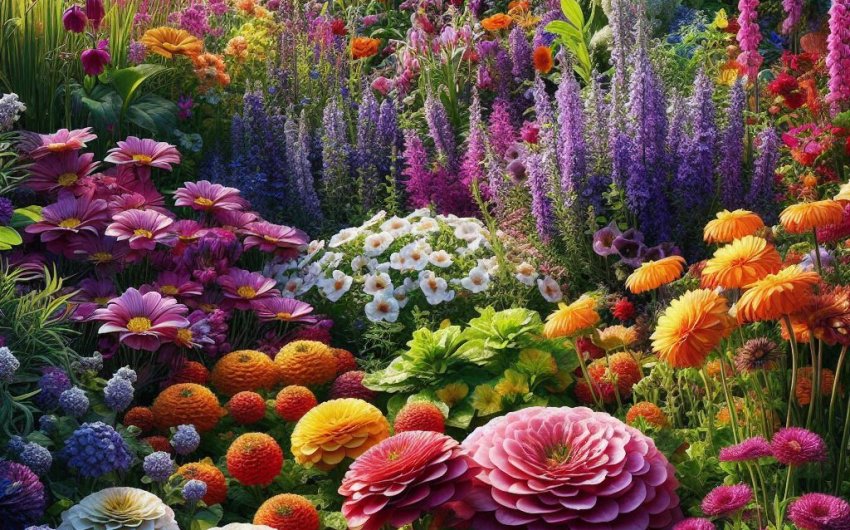
Gardeners often wonder about the different types of plants they can cultivate. Two common classifications you'll hear are perennials and annuals. Understanding the fundamental differences between these plant types is key to planning a vibrant and successful garden, whether you're a seasoned green thumb or just starting out. These terms define how long a plant lives and how it behaves over the seasons. Knowing this helps you make informed choices for a colorful and manageable outdoor space.
What Exactly Are Perennial Flowers?
Perennial flowers are plants that live for more than two years. Unlike their short-lived counterparts, they return year after year, often growing larger and more established over time. Think of them as the long-term residents of your garden. After their first year of growth, they typically enter a dormant period during colder months, then spring back to life when the weather warms up again. This characteristic makes them a favorite for many gardeners looking for a low-maintenance, lasting display.
How Do Perennials Survive Winter?
Perennials have several clever strategies to survive the cold. Many store energy in their roots, bulbs, or tubers underground. This stored energy helps them regrow new stems and leaves in the spring. For example, a hosta stores energy in its crown and roots, allowing it to re-emerge each spring. Other perennials, especially those in warmer climates, might stay evergreen, keeping their leaves through the winter but slowing down their growth. This ability to endure harsh conditions is a defining feature.
What Are Some Common Types of Perennials?
There's a huge variety of perennial plants to choose from, offering diverse colors, sizes, and textures. Some popular choices include daylilies, known for their wide range of colors and ability to thrive in many conditions. Peonies are beloved for their large, fragrant blooms and long lifespan. Lavender offers beautiful purple flowers and a calming scent, attracting beneficial insects. For shade gardens, hostas are a staple with their varied leaf patterns. Other favorites include coneflowers (Echinacea) that attract butterflies, and rudbeckia (black-eyed Susan) with their cheerful yellow petals. Each of these brings unique qualities to a garden space.
Do Perennials Bloom All Season Long?
While perennials come back every year, most do not bloom continuously throughout the entire growing season. Instead, they typically have a specific blooming period, which can range from a few weeks to several months. For example, iris might bloom in late spring, while sedum often shows its color in the fall. To have continuous color in your garden, you need to plant a variety of perennials with different bloom times. This creates a succession of flowers from spring to fall. Planning your garden with this in mind ensures there's always something in bloom.
Are Perennials Low Maintenance?
Many perennials are considered low maintenance once they are established. After their initial planting and a period of growth, they require less work than annuals because you don't have to replant them every year. However, "low maintenance" doesn't mean "no maintenance." Perennials still benefit from occasional tasks like deadheading (removing spent flowers to encourage more blooms), dividing overgrown clumps, and sometimes light fertilization. For instance, removing faded blooms from a delphinium can encourage a second flush of flowers. You might also need to prune back foliage in the fall or spring to keep them tidy and healthy.
How Do Perennial Flowers Differ from Annuals?
The most significant difference between perennials and annuals lies in their life cycle. This fundamental distinction impacts everything from how you plant your garden to how much time and money you spend on it each year. Understanding this core difference is crucial for effective garden planning.
What is an Annual Flower's Life Cycle?
Annual flowers complete their entire life cycle, from seed to flower to seed, all within a single growing season. Once they have produced seeds, the plant dies. This means you need to replant them every year if you want to enjoy their beauty again. Think of petunias or marigolds; they burst with color all summer but won't return next spring. Their entire purpose is to grow, bloom, and set seed quickly before the first frost.
Why Do People Plant Annuals if They Don't Come Back?
Despite their short lifespan, annuals offer several advantages that make them very popular. First, they provide continuous bloom for the entire growing season, from spring until the first hard frost. This is a big plus if you want a constant splash of color. Second, annuals allow for flexibility and experimentation in your garden design. You can change your color scheme and plant choices every year without being committed to a long-term layout. They are also often less expensive to buy as young plants, making it easier to fill large areas with vibrant color. For example, a flat of impatiens can quickly brighten up a shady spot. Many people also enjoy the process of replanting and redesigning their annual displays each season.
How Do Annuals and Perennials Compare in Cost?
In the short term, individual annual plants often cost less than individual perennial plants. You can buy a pack of zinnia seeds or a tray of pansy seedlings for a relatively low price. However, because you have to buy and replant annuals every year, the cumulative cost over several years can be higher. Perennials, while possibly more expensive upfront, are a one-time investment for many years of enjoyment. Over time, a hydrangea or a lavender plant that returns for decades can be more cost-effective than repeatedly purchasing geraniums every spring. It's important to consider both the immediate cost and the long-term value when making your plant selections.
What are the Different Needs for Planting Annuals vs. Perennials?
When planting, annuals are generally more forgiving. They often don't need as much specialized soil preparation because their root systems are not meant to last for years. You can simply dig a hole and plant them. Perennials, however, benefit greatly from well-prepared soil with good drainage and added organic matter, as they will be in the ground for a long time. They also need careful consideration of their mature size and spacing, as they will grow and spread over the years. An azalea bush needs enough space to reach its full potential, while a snapdragon does not. Watering needs also differ; newly planted annuals might need consistent daily watering, while established perennials can often tolerate more varied conditions.
Do Annuals or Perennials Require More Effort?
Generally speaking, annuals often require more ongoing effort during the growing season. You'll spend more time deadheading annuals to keep them blooming, and they usually need consistent watering, especially in hot weather, to perform their best. Because they are designed to produce a lot of flowers quickly, they often use a lot of energy and nutrients, meaning you might fertilize them more frequently. Perennials, once established, tend to be more self-sufficient. While they still benefit from care, they usually don't demand the constant attention that annuals do. You don't have to buy or plant them every year, which saves a lot of time and labor.
Can You Mix Annuals and Perennials in a Garden?
Absolutely! Combining annuals and perennials is a common and highly effective gardening strategy. Many successful and beautiful gardens use a blend of both plant types to maximize color, texture, and interest throughout the seasons. This approach offers the best of both worlds.
What Are the Benefits of Combining Them?
Mixing annuals and perennials provides several significant advantages. Perennials create the backbone and structure of your garden, offering reliable color and form year after year. They can serve as focal points or create defined borders. Annuals then come in to fill the gaps, providing continuous pops of color in between perennial bloom times. For instance, while your daylilies are resting, you can plant vibrant impatiens around them for summer-long color. This layered approach ensures that your garden always looks lively. It also allows for seasonal flexibility; you can change out the annuals to refresh your garden's look each year without disturbing the established perennial framework. It's like having permanent furniture (perennials) and then changing the throw pillows and decorations (annuals) each season.
How Do You Plan a Mixed Garden Bed?
Planning a mixed garden bed involves considering the mature size, light requirements, and bloom times of both your annuals and perennials. Start by placing your perennials first. Think about their ultimate height and spread. Taller perennials, like delphiniums, should generally go in the back of a border, while shorter ones, such as creeping phlox, go towards the front. Once the perennials are in place, you can then strategically add your annuals. Use annuals to fill in any empty spaces, to provide immediate color where perennials might be slow to establish, or to highlight specific areas. For example, you could plant a border of bright snapdragons in front of a newly planted group of peonies that won't bloom as much in their first year. Always check the sun requirements for all your chosen plants to ensure they will thrive together in the same spot.
What About Soil and Water Needs in a Mixed Bed?
When combining annuals and perennials, you generally want to aim for a well-draining soil that is rich in organic matter. Most garden plants, whether annual or perennial, prefer these conditions. For watering, you'll need to be attentive to the needs of the annuals, especially when they are first planted and during hot, dry spells. Perennials, once established, may need less frequent watering but will still benefit from consistent moisture during their blooming periods. A good strategy is to water deeply when you do water, encouraging both annuals and perennials to develop strong root systems. Using a soaker hose can be very efficient for both types of plants, delivering water directly to the roots and minimizing evaporation.
Can Mixed Beds Attract More Wildlife?
Yes, a diverse garden bed containing both annuals and perennials can be highly attractive to pollinators and other beneficial wildlife. By selecting a variety of plants with different bloom times, you provide a continuous food source for bees, butterflies, and hummingbirds throughout the growing season. For instance, early blooming perennials like hellebores provide nectar when other flowers are scarce, while late-season annuals like cosmos can extend the buffet into the fall. Including a mix of flower shapes and colors will also appeal to a wider range of pollinators. Consider planting lavender or bee balm (perennials) alongside zinnias or marigolds (annuals) to create a vibrant and buzzing habitat. A varied garden is often a healthy and lively garden.
How Do You Care for Perennial Flowers?
Caring for perennial flowers is generally less demanding than caring for annuals over the long run, but they still need proper attention to thrive and return year after year. Good care ensures they stay healthy, produce abundant blooms, and resist diseases.
What is the Best Way to Plant Perennials?
When planting perennials, preparation is key. First, choose a location with the right amount of sunlight for your specific plant. Most perennials prefer full sun (at least 6 hours of direct sun daily), but some, like hostas, need shade. Prepare the soil by digging a hole that is twice as wide as the root ball and just as deep. Amend the soil with compost or other organic matter to improve drainage and add nutrients. Gently remove the plant from its container, loosen any circling roots, and place it in the hole so that the top of the root ball is level with the surrounding soil. Backfill with soil, gently firming it around the plant, and then water thoroughly. Watering is crucial immediately after planting to help settle the soil and reduce transplant shock. A watering can or a garden hose with a gentle spray nozzle can be helpful.
How Much Water Do Perennials Need?
Newly planted perennials need consistent watering to establish their root systems. Water them deeply every few days, especially during dry spells, until they show signs of new growth. Once established, most perennials are quite drought-tolerant, but they will still perform best with regular watering, especially during prolonged dry periods or when they are in bloom. It's often better to water deeply and less frequently than to water lightly every day. This encourages roots to grow deeper into the soil, making the plant more resilient. Check the soil moisture by sticking your finger about an inch or two into the ground; if it feels dry, it's time to water. Mulching around the plants with a layer of wood chips or shredded bark can also help retain soil moisture and reduce the need for frequent watering.
Do Perennials Need Fertilizing?
Most established perennials do not require heavy fertilizing. If your soil is healthy and rich in organic matter, they may not need any extra food at all. However, a light application of a balanced granular fertilizer in the spring, as new growth emerges, can give them a boost. Alternatively, top-dressing with a layer of compost each spring provides slow-release nutrients and improves soil structure. Avoid over-fertilizing, as this can lead to lush foliage but fewer flowers. Some specific perennials, especially heavy bloomers or those grown in poor soil, might benefit from an additional light feeding during their peak blooming period. Always follow the instructions on the fertilizer packaging to avoid burning the plants.
What is Deadheading and Why Do Perennials Need It?
Deadheading is the practice of removing spent or faded flowers from a plant. This is important for many perennials for several reasons. First, it encourages the plant to produce more blooms instead of putting energy into making seeds. For example, deadheading a coreopsis can lead to a longer flowering period. Second, it can improve the plant's appearance, making the garden look tidier and more vibrant. Third, for some perennials, deadheading can prevent unwanted self-seeding, which can lead to too many new plants in your garden. While not all perennials require deadheading, it's a good practice for many to maximize their blooming potential. Use sharp pruning shears or snips for clean cuts.
When and How Do You Divide Perennials?
Over time, many perennials grow into large clumps and can become less vigorous or stop blooming as well. This is a sign they need to be divided. Dividing perennials involves digging up the plant and splitting it into smaller sections, which can then be replanted. This rejuvenates the plant and also gives you new plants to put elsewhere in your garden or share with friends. Most perennials are best divided in the spring or fall, when the weather is cooler and less stressful for the plants. For instance, daylilies and hostas are often divided every few years. To divide, carefully dig around the clump, lift it out of the ground, and then use a sharp spade or a garden fork to gently pry or cut the clump into smaller sections, making sure each section has roots and some new growth. Replant the divisions immediately and water them well.
How Do You Prepare Perennials for Winter?
Winter preparation for perennials, often called winterizing, helps ensure they survive the cold and return strong in the spring. For most perennials in cold climates, this involves cutting back the foliage after the first hard frost. This helps prevent diseases and makes the garden look tidier. However, some perennials, like sedum, have attractive seed heads that can be left for winter interest or to provide food for birds. Applying a layer of mulch around the base of the plants, after the ground has frozen, helps to insulate the roots and prevent frost heave (when plants are pushed out of the ground by freezing and thawing cycles). This mulch also helps protect them from harsh winter winds and temperature swings. Remember to remove heavy mulch in the spring so new growth can emerge easily.
What Are Some Popular Perennials and Their Features?
Exploring the world of perennial flowers reveals a vast array of choices, each with unique characteristics that can enhance your garden. Knowing some popular options and their features helps you select the best plants for your specific needs and desires.
All About Hostas
Hostas are beloved perennials, particularly for shade gardens. They are primarily grown for their incredible foliage, which comes in an astonishing variety of sizes, shapes, and colors. You can find hostas with large, heart-shaped leaves, narrow, strap-like leaves, or deeply ribbed textures. Their colors range from deep greens to vibrant blues, chartreuse yellows, and variegated patterns with white or gold edges. While their flowers are often less showy than their leaves, they do produce spikes of lavender or white blooms in summer, which are attractive to hummingbirds. Hostas are incredibly versatile and relatively low maintenance, making them a staple in many shade and woodland gardens. They do best in moist, well-draining soil and typically grow larger and more impressive each year. You can find a wide selection of hostas for your garden.
The Beauty of Daylilies
Daylilies (Hemerocallis) are incredibly popular for their ease of care and spectacular blooms. While each individual flower only lasts for one day (hence the name), a single plant produces many flower stalks, leading to a continuous display over several weeks, or even months for reblooming varieties. They come in an almost endless array of colors, from soft pastels to vibrant reds, yellows, oranges, and even near-blacks, often with intricate patterns and ruffled edges. Daylilies are highly adaptable to various soil types and tolerate a range of conditions, from full sun to partial shade. They are robust, drought-tolerant once established, and generally pest-free, making them an excellent choice for beginner gardeners or those looking for reliable color. Consider planting a collection of different daylilies to enjoy their diverse forms.
Coneflowers for Pollinators
Coneflowers (Echinacea) are native to North America and are a must-have for pollinator gardens. They feature distinctive daisy-like flowers with a prominent central cone, surrounded by petals that come in shades of purple, pink, white, yellow, and even orange. These flowers are a magnet for bees, butterflies, and other beneficial insects. Coneflowers are very hardy and drought-tolerant once established, thriving in full sun and well-drained soil. They have a long blooming season, typically from summer into fall, providing continuous color and nectar. Leaving the dried seed heads on the plant in winter can provide food for birds, especially finches, and add architectural interest to the winter landscape. A group of coneflowers can truly transform a garden into a vibrant ecosystem.
The Charm of Peonies
Peonies are classic garden favorites, cherished for their large, often fragrant, and exceptionally beautiful blooms. They are long-lived perennials, sometimes surviving for decades or even longer in the same spot. Peonies typically bloom in late spring to early summer, depending on the variety, offering spectacular flowers in shades of pink, white, red, and yellow. There are different types, including herbaceous peonies (which die back to the ground in winter) and tree peonies (which form woody stems). They prefer full sun and well-drained soil and, once established, are relatively low maintenance. It's important not to plant them too deeply, as this can prevent them from flowering. A well-placed peony plant can become a cherished centerpiece in any garden for generations.
Lavender for Scent and Beauty
Lavender (Lavandula) is a wonderful perennial known for its beautiful purple flowers and its incredibly aromatic foliage. It's a fantastic plant for sensory gardens and attracts many pollinators, especially bees. Lavender typically blooms in late spring and summer, creating a haze of purple that adds a touch of the Mediterranean to your garden. It thrives in full sun and very well-drained soil, as it does not like wet feet. In fact, it prefers slightly poorer, stony soils. There are several types of lavender, including English lavender (known for its strong scent and cold hardiness) and French lavender (with unique "bunny ear" petals). Beyond its beauty, lavender is also used in culinary applications and for its calming scent in sachets or essential oils. Planting a few lavender plants can add both beauty and fragrance to your outdoor space.
What Are Some Popular Annuals and Their Features?
While perennials form the backbone of a garden, annuals are the superstars for immediate, season-long color and flexibility. They offer an incredible array of choices to fill your garden with vibrant hues from spring to the first frost. Understanding some popular annuals and their features can help you select the perfect ones for your seasonal display.
The Versatility of Petunias
Petunias are perhaps one of the most widely grown annuals, and for good reason. They are incredibly versatile, coming in a vast array of colors, including white, pink, purple, red, yellow, and many bicolors. There are different types of petunias, from compact, mounding varieties perfect for borders to cascading "supertunias" that spill beautifully from hanging baskets or containers. Petunias are prolific bloomers, providing continuous color from spring until frost, especially if deadheaded regularly. They thrive in full sun and well-drained soil and appreciate consistent watering and occasional feeding to fuel their abundant flowers. Their long blooming season and adaptability make them a go-to choice for adding instant, vibrant color to any part of the garden. You can find many different petunia varieties to suit your style.
Marigolds for Bright Color and Pest Control
Marigolds (Tagetes) are cheerful annuals known for their bright yellow, orange, and reddish-brown flowers. They are incredibly easy to grow from marigold seeds or seedlings and are highly adaptable, making them a fantastic choice for beginner gardeners. Marigolds bloom continuously throughout the summer and fall, adding a sunny disposition to flower beds, borders, and containers. Beyond their vibrant color, marigolds are also popular for their reported ability to deter certain garden pests, such as nematodes, when planted near vegetables. They prefer full sun and can tolerate a range of soil conditions, though they do best in well-drained soil. Pinching back young plants can encourage bushier growth and more flowers.
Impatiens for Shade
For shady spots where other flowers struggle, impatiens (Impatiens walleriana) are often the perfect solution. They produce a profusion of delicate, five-petaled flowers in shades of white, pink, red, orange, and purple. Impatiens offer vibrant, continuous color even in deep shade, making them invaluable for brightening up dimly lit areas under trees or along north-facing walls. While they love shade, they also appreciate consistent moisture and well-drained soil. They are relatively low maintenance, though they do benefit from regular watering, especially in dry periods. Unfortunately, some impatiens varieties have been affected by downy mildew in recent years, but new disease-resistant varieties and New Guinea impatiens (which are naturally more resistant) offer excellent alternatives. Consider planting impatiens to bring life to your shady corners.
Zinnias for Cutting Gardens and Pollinators
Zinnias are fantastic annuals for their vibrant, long-lasting blooms and their appeal to butterflies and other pollinators. They come in an incredible range of sizes, shapes, and colors, from small, single-flowered varieties to large, dahlia-flowered types, and every color imaginable except blue. Zinnias are excellent cut flowers, making them a favorite for bringing bouquets indoors. The more you cut them, the more they bloom! They are easy to grow from zinnia seeds and thrive in full sun and well-drained soil. Zinnias are generally heat and drought-tolerant once established. Pinching back young zinnia plants helps them grow bushier and produce more flowers. These reliable bloomers are a cheerful addition to any sunny garden bed or container.
Geraniums for Containers and Window Boxes
When people refer to "geraniums" in annual gardens, they are usually talking about Pelargoniums, not true geraniums (which are often perennials). These popular annuals are renowned for their round clusters of vibrant flowers and distinctively scented foliage. They come in shades of red, pink, white, and orange, often with interesting patterns or darker zones on their leaves. Geraniums are incredibly popular for containers, window boxes, and borders because they provide consistent color from spring until frost. They prefer full sun and well-drained soil and are quite drought-tolerant, making them a good choice for those who might forget to water occasionally. Deadheading spent flower clusters encourages more blooms and keeps the plants looking tidy. A classic red geranium can add a timeless charm to any porch or patio.
Maximizing Your Garden with Both Perennials and Annuals
Creating a beautiful and dynamic garden often involves thoughtfully combining both perennials and annuals. This approach allows you to harness the strengths of each type of plant, leading to a garden that offers continuous interest, vibrant color, and structural integrity throughout the growing seasons. It's a strategy that caters to both long-term vision and immediate gratification.
How Do You Create Seasonal Interest with Both?
The key to a captivating garden is ensuring something is always blooming or providing visual appeal. Perennials are excellent for creating seasonal succession. For example, early spring might feature hellebores and bleeding hearts, followed by peonies and iris in late spring. Summer could showcase daylilies, coneflowers, and phlox. Fall brings the beauty of sedum and chrysanthemums. To fill any gaps in between these perennial bloom times, annuals are invaluable. While your spring perennials are fading and your summer ones are just gearing up, you can plant a cheerful border of marigolds or petunias to keep the color flowing. This layering of bloom times ensures your garden remains alive and engaging from the first thaw to the first hard frost.
What Role Do Perennials Play in Garden Structure?
Perennials are essential for providing the permanent structure and backbone of your garden. Because they return year after year and often grow larger over time, they define the garden's shape, provide consistent height, and establish key focal points. Shrubs like hydrangeas or azaleas (which are woody perennials) can form significant anchors. Herbaceous perennials such as tall delphiniums or spreading hostas can create layers and define pathways. By carefully placing your perennials, you create a framework around which you can then add the flexible, ever-changing elements of annuals. This gives your garden a sense of permanence and maturity. Think of your perennial plantings as the strong bones of your garden design.
How Do Annuals Offer Flexibility in Design?
Annuals provide an unparalleled level of flexibility and experimentation in garden design. Because they only last for one season, you can completely change your garden's color scheme, theme, or even the types of flowers you use year after year without a long-term commitment. Want a hot-colored garden with reds, oranges, and yellows one year? Fill it with zinnias, marigolds, and coleus. The next year, you might prefer a cool palette of blues, purples, and whites using lobelia, impatiens, and petunias. This freedom allows you to respond to new trends, try out new ideas, or simply enjoy a different look each season. Annuals are also perfect for filling in empty spots where perennials haven't yet filled out, or for quickly adding a splash of color to new garden beds. Their temporary nature allows for endless creative possibilities.
Combining for Container Gardens
Container gardening truly shines when you combine the strengths of both annuals and perennials. Perennials can serve as the "thriller" or "filler" in a large container, providing a lasting element. For example, a dwarf hosta or a compact heuchera could be the anchor. Then, annuals can be added for "spiller" effects or continuous color. A cascading petunia or a trailing verbena can spill over the sides, while upright impatiens or geraniums provide vertical interest and consistent bloom. This combination allows you to create stunning, layered container arrangements that last for the entire growing season. For larger containers, you can even plant smaller perennial shrubs that can be overwintered or moved into the ground later. The "thriller, filler, spiller" design principle works beautifully with this mixed approach, allowing you to create miniature, vibrant ecosystems in pots. A high-quality potting mix is essential for success in containers.
Creating a Sustainable and Evolving Garden
A garden that blends both perennials and annuals can also be more sustainable and evolving. Perennials reduce the need for annual replanting, saving time, effort, and resources over the long term. They contribute to soil health by establishing deeper root systems and can offer food and shelter for beneficial insects and wildlife for multiple seasons. Annuals, while requiring yearly replanting, allow for crop rotation and the introduction of new plant varieties that can attract a wider range of pollinators or address specific pest issues. This dynamic interplay means your garden is not static; it grows and changes, offering new discoveries and challenges each year. It fosters a garden that is both resilient and continuously surprising. Embracing both plant types creates a truly diverse and engaging outdoor space.