
Which Perennial Flowers Are Best for Beginners?
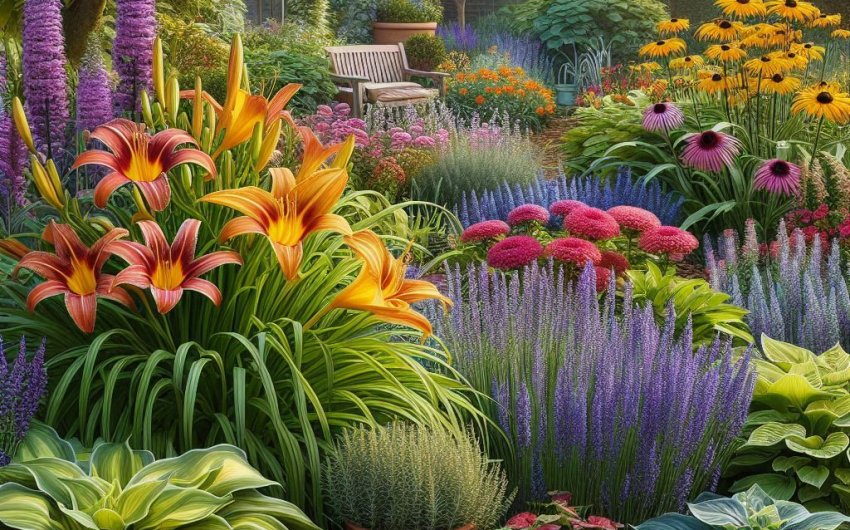
Stepping into the world of gardening can be an exciting adventure, and for many, the allure of a vibrant, colorful flower bed is a powerful draw. While annuals provide instant gratification with their season-long blooms, perennial flowers offer a unique advantage: they return year after year, saving you time and money on replanting. For beginner gardeners, choosing the right perennials is key to building confidence and achieving lasting beauty without overwhelming maintenance. This guide will introduce you to some of the most reliable, easy-care perennial flowers that are perfect for those just starting their gardening journey, ensuring a beautiful display with minimal fuss.
Why Choose Perennial Flowers as a Beginner?
Before we dive into specific plant recommendations, let's understand why perennials are such a smart choice for new gardeners, despite sometimes costing a bit more upfront than annuals.
What Makes Perennials Ideal for New Gardeners?
Perennials offer several advantages that contribute to a less stressful and more rewarding gardening experience.
- Long-Term Investment: Unlike annuals that complete their life cycle in one growing season, perennials live for multiple years. This means you plant them once, and they come back, often bigger and better, each spring. This saves you the effort and expense of replanting every year.
- Reduced Workload Over Time: While there's initial effort in planting and establishing perennials, once they're settled, they generally require less intensive care than annuals. No need to clear out and replant entire beds each spring.
- Naturalization and Spreading: Many perennials slowly spread or naturalize over time, filling out your garden beds and reducing the need to buy as many plants in subsequent years. This creates a fuller, more established look.
- Deeper Root Systems: Perennials typically develop deeper root systems than annuals, making them more resilient to drought once established. This means they often need less frequent watering compared to thirsty annuals.
- Habitat for Wildlife: Many perennials provide valuable nectar and pollen for pollinators like bees and butterflies, contributing to a healthier ecosystem in your backyard.
- Season-Long Interest: By choosing a variety of perennials with different bloom times, you can ensure your garden has continuous color and interest from spring through fall.
- Learning Opportunity: Working with perennials allows beginners to learn about plant life cycles, dormancy, and basic plant care techniques in a forgiving environment.
Sun-Loving Perennials for Beginners
Most flowers thrive in sunlight. If you have a spot that gets at least 6 hours of direct sun per day, these perennials are fantastic, easy-care choices.
Which Perennials Thrive in Full Sun?
These flowers are tough, beautiful, and love the sun's embrace.
- Coneflower (Echinacea purpurea):
- Why it's great for beginners: Coneflowers are incredibly hardy, drought-tolerant once established, and generally pest and disease-free. They are true garden workhorses.
- Appearance: Features daisy-like flowers with raised, often spiky central cones, ranging from the classic purple to white, pink, yellow, orange, and even green.
- Bloom Time: Mid-summer to fall.
- Height: 2-4 feet.
- Care Tips: Plant in full sun and well-draining soil. Deadhead spent blooms to encourage more flowers, though leaving some seed heads can provide winter interest and food for birds. Available as purple coneflower seeds or coneflower plants.
- Daylily (Hemerocallis):
- Why it's great for beginners: Daylilies are famously tough, adaptable to a wide range of soil conditions, and relatively pest-resistant. They offer a massive variety of colors and forms.
- Appearance: Large, trumpet-shaped flowers on tall stalks. Available in almost every color imaginable except true blue, often with intricate patterns and ruffles. Each flower lasts only one day, but the plant produces many buds.
- Bloom Time: Early summer to late summer, depending on the variety. Some are re-blooming.
- Height: 1-4 feet, depending on the cultivar.
- Care Tips: Plant in full sun to partial sun (they will bloom best in full sun). Tolerant of many soil types but prefer well-drained soil. They can benefit from dividing every few years when clumps become too dense. You can find bare root daylilies.
- Sedum (Stonecrop, Hylotelephium spectabile):
- Why it's great for beginners: Sedum are incredibly drought-tolerant, requiring very little water once established. They thrive on neglect and add great texture to the garden.
- Appearance: Succulent-like foliage, often blue-green or burgundy. Flowers form in dense clusters that resemble broccoli florets, opening to pink, red, or white. The most popular is 'Autumn Joy'.
- Bloom Time: Late summer to fall, providing crucial late-season color.
- Height: 1-2 feet.
- Care Tips: Needs full sun and very well-draining soil. Avoid overwatering. Cut back spent flower heads in late winter or early spring. Look for live sedum plants.
- Lavender (Lavandula):
- Why it's great for beginners: Fragrant, beautiful, and low-maintenance once established. It's a natural pest deterrent and attracts pollinators.
- Appearance: Bushy, aromatic plants with slender spikes of purple, blue, pink, or white flowers. English Lavender (Lavandula angustifolia) is most common for gardens.
- Bloom Time: Late spring to late summer, depending on the variety.
- Height: 1-3 feet.
- Care Tips: Requires full sun and excellent drainage. Does not like wet feet. Prune after flowering to maintain shape and encourage bushier growth. Available as lavender plants or lavender seeds.
- Catmint (Nepeta x faassenii):
- Why it's great for beginners: Extremely drought-tolerant, deer-resistant, and blooms for a very long period. Bees and butterflies love it.
- Appearance: Mounds of silvery-gray foliage covered in spikes of delicate lavender-blue flowers. 'Walker's Low' is a popular, robust cultivar.
- Bloom Time: Late spring through fall with deadheading.
- Height: 1-3 feet.
- Care Tips: Full sun and well-draining soil. Shear back by about a third after the first flush of flowers to encourage re-bloom. Find catmint plants.
- Coreopsis (Tickseed):
- Why it's great for beginners: Cheerful, long-blooming, and adaptable to various soil conditions. Many varieties are drought-tolerant.
- Appearance: Daisy-like flowers, most commonly yellow, but also pink, red, and bicolored. Can have finely textured foliage.
- Bloom Time: Early summer to fall.
- Height: 1-2 feet.
- Care Tips: Full sun and well-draining soil. Deadhead regularly to promote continuous blooming. Look for coreopsis seeds.
- Yarrow (Achillea millefolium):
- Why it's great for beginners: Extremely drought-tolerant, low-maintenance, and provides sturdy flat-topped flower clusters.
- Appearance: Flat-topped clusters of tiny flowers, typically yellow, but also white, pink, and red, atop feathery green foliage.
- Bloom Time: Early summer to fall.
- Height: 1-3 feet.
- Care Tips: Full sun and well-draining soil. Tolerant of poor soil. Can be deadheaded to encourage a second flush of blooms. Find yarrow seeds.
Shade-Tolerant Perennials for Beginners
Even shady spots can burst with life and color. These perennials are perfect for areas that receive less direct sunlight.
Which Perennials Prefer Shade or Partial Shade?
These plants bring beauty to the quieter corners of your garden.
- Hosta:
- Why it's great for beginners: Famous for being easy to grow and incredibly versatile. While primarily grown for their foliage, some also have attractive flowers.
- Appearance: Grown for their diverse foliage, which comes in shades of green, blue, yellow, and variegations of white or cream. Leaf shapes and textures vary greatly, from smooth to heavily ribbed or puckered. Spikes of lavender or white flowers emerge in summer.
- Bloom Time: Primarily foliage interest; flowers in summer.
- Height: 6 inches to 3 feet, depending on variety.
- Care Tips: Prefers partial to full shade. Needs consistently moist, well-draining soil. Protect from slugs and snails. You can find bare root hosta plants.
- Astilbe:
- Why it's great for beginners: Provides stunning feathery plumes of color in shadier spots and is relatively low-maintenance.
- Appearance: Fern-like foliage from which rise feathery, upright plumes of flowers in shades of pink, red, purple, and white.
- Bloom Time: Late spring to late summer, depending on variety.
- Height: 1-4 feet.
- Care Tips: Prefers partial shade to full shade (especially in hot climates). Requires consistently moist soil; does not tolerate dry conditions well. Find astilbe plants.
- Bleeding Heart (Dicentra spectabilis):
- Why it's great for beginners: Its unique heart-shaped flowers are instantly recognizable and easy to grow.
- Appearance: Arching stems adorned with dangling, heart-shaped flowers in pink and white or pure white. Delicate, fern-like foliage.
- Bloom Time: Spring.
- Height: 2-3 feet.
- Care Tips: Prefers partial shade and consistently moist, well-draining soil. It often goes dormant (disappears) in summer, especially in hot climates, so plant it among later-emerging perennials. You can find bleeding heart bare roots.
- Coral Bells (Heuchera):
- Why it's great for beginners: Primarily grown for its incredible variety of colorful foliage, ranging from lime green to deep purple, peach, and variegated forms. Easy care and attractive all season.
- Appearance: Mounds of ruffled, lobed leaves in an astonishing array of colors. Delicate spires of tiny white, pink, or red flowers emerge in late spring/early summer.
- Bloom Time: Primarily foliage interest; flowers in late spring/early summer.
- Height: Foliage typically 6-12 inches; flower stalks 1-2 feet.
- Care Tips: Prefers partial shade but some newer varieties can tolerate more sun if kept moist. Needs well-draining soil. You can find live coral bells plants.
- Foamflower (Tiarella cordifolia):
- Why it's great for beginners: A wonderful native groundcover for shade, providing delicate texture and early spring blooms.
- Appearance: Mounds of lobed, often evergreen or semi-evergreen foliage, which can be green, bronzy, or patterned. Produces airy spikes of foamy white or pale pink flowers.
- Bloom Time: Spring.
- Height: 6-12 inches.
- Care Tips: Prefers partial to full shade and consistently moist, well-draining soil rich in organic matter. Look for foamflower plants.
General Care Tips for Beginner Perennials
While the specific needs vary, these general practices will help ensure your newly planted perennials thrive.
What are the Basic Care Steps for Perennial Flowers?
A little consistent care goes a long way in establishing a healthy perennial garden.
- Understand Your USDA Hardiness Zone: Before buying any perennial, know your USDA Hardiness Zone. This tells you which plants are likely to survive winter in your region. You can find this by entering your zip code online.
- Site Preparation is Key:
- Soil: Ensure your planting site has well-draining soil. If you have heavy clay or very sandy soil, amend it with plenty of garden compost to improve its structure.
- Weeding: Clear the area of all weeds before planting. Weeds compete with your new perennials for water and nutrients.
- Planting Properly:
- Dig the Right Size Hole: Dig a hole that is twice as wide as the plant's root ball and just as deep.
- Loosen Roots: Gently tease apart any circling roots on potted plants.
- Plant at Correct Depth: Place the plant in the hole so that the top of the root ball is level with the surrounding soil. Do not bury the crown (where stems meet roots).
- Water Thoroughly: Water deeply immediately after planting to settle the soil around the roots.
- Watering (Especially When New):
- Establishment Period: For the first growing season (or two, depending on the plant), new perennials need consistent watering. Don't let the soil dry out completely.
- Deep and Infrequent: Once established, most perennials prefer deep, infrequent watering. This encourages roots to grow deeper, making them more drought-tolerant. Check the soil moisture by sticking your finger into the soil.
- Mulching:
- Apply a Layer of Organic Mulch: After planting, apply a 2-4 inch layer of organic mulch (like wood chips, shredded bark, or straw) around your plants. Keep it a few inches away from the stems.
- Benefits: Mulch helps suppress weeds, retain soil moisture, regulate soil temperature, and adds nutrients as it breaks down. Find various garden mulches.
- Fertilizing:
- Moderation is Key: Perennials generally don't need as much fertilizer as annuals. If your soil is healthy and amended with compost, you might not need much at all.
- Slow-Release or Balanced: If you choose to fertilize, use a balanced, slow-release granular fertilizer in early spring, or a liquid feed diluted to half strength during the growing season. Avoid over-fertilizing.
- Deadheading (Removing Spent Blooms):
- Encourages More Blooms: For many perennials, removing faded flowers encourages the plant to produce more blooms instead of putting energy into seed production.
- Tidiness: Also helps maintain a neat appearance.
- Not Always Necessary: Some perennials (like Sedum 'Autumn Joy') look good with dried seed heads left for winter interest.
- Pruning and Division:
- Spring Cutback: Most herbaceous perennials (non-woody stems) are cut back to the ground in late fall or early spring.
- Division: Over time, perennial clumps can become too large, dense, or lose vigor in the center. Dividing them (typically every 3-5 years) rejuvenates the plant and gives you new plants to share. This is usually done in spring or fall.
- Pest and Disease Monitoring:
- Regular Checks: Inspect your plants regularly for any signs of pests (like aphids or slugs) or diseases.
- Early Intervention: Addressing issues early is easier. Many minor pest problems can be solved with a strong spray of water or insecticidal soap for plants.
- Winter Protection (if needed): In colder climates, some less hardy perennials may benefit from a layer of straw or evergreen boughs over their crown after the ground freezes to insulate them.
By starting with these reliable, easy-care perennial flowers, beginner gardeners can confidently build a beautiful, sustainable garden that provides season after season of enjoyment and color. Remember, gardening is a learning process, and every plant teaches you something new.