
How to Plant and Care for Perennial Flowers?
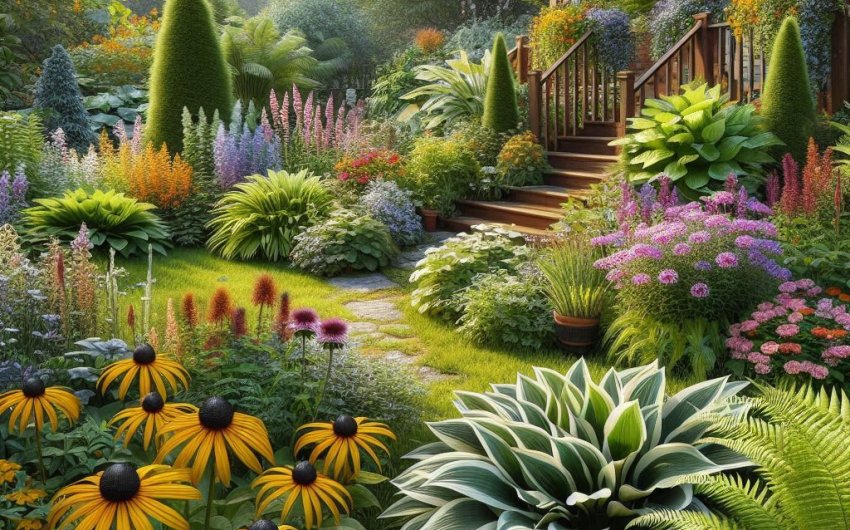
Learning how to plant and care for perennial flowers is a rewarding endeavor for any gardener, as these long-lived plants grace your garden with beauty year after year, often requiring less effort than annuals once established. Unlike annuals that complete their life cycle in a single growing season, perennials return each spring, providing continuous color, texture, and structure. Understanding the fundamentals of their installation and ongoing maintenance is key to cultivating a vibrant and thriving perennial garden that flourishes season after season.
What Are Perennial Flowers and Why Grow Them?
Understanding the nature of perennials and their benefits is the first step in appreciating their value in your garden. They offer a unique set of advantages over their annual counterparts.
Defining Perennial Flowers
Perennial flowers are plants that live for more than two years, typically returning to bloom each growing season. While their top growth (stems and leaves) may die back to the ground in colder climates during winter, their roots remain alive underground, allowing them to regrow in the spring. In milder climates, some perennials may even retain their foliage year-round. This contrasts with annuals, which complete their entire life cycle (germination, growth, flowering, seeding, and death) within a single growing season, and biennials, which grow foliage in their first year and flower, set seed, and die in their second year.
Common examples of beloved perennial flowers include hostas, peonies, daylilies, lavender, and coneflowers.
Advantages of Growing Perennial Flowers
Choosing to incorporate perennials into your garden offers several compelling benefits:
Low Maintenance (Once Established)
One of the biggest advantages of perennials is their low maintenance nature once they are established. After their first year, they generally require less watering, fertilizing, and replanting compared to annuals. You won't need to purchase and plant new flowers every spring, saving both time and money. While they still need occasional care, such as division or deadheading, the ongoing effort is significantly reduced.
Cost-Effective Over Time
Although the initial cost of a perennial plant might be higher than an annual, they are incredibly cost-effective over time. Since they return year after year, you don't incur the expense of buying new plants annually. Furthermore, many perennials can be divided every few years, providing you with free new plants to expand your garden or share with friends. This long-term saving makes them a smart investment for any garden budget.
Established Root Systems Promote Resilience
Perennials develop deep, established root systems. This makes them more resilient to adverse weather conditions like short dry spells or strong winds, as their roots can access water deeper in the soil and anchor the plant firmly. This robust root structure also helps them better withstand pest and disease pressures compared to the more delicate root systems of annuals. Their established nature also means they get a head start in spring, often blooming earlier than annuals.
Provide Permanent Garden Structure and Interest
Perennials contribute to the permanent structure and interest of your garden. Their returning presence helps define garden beds, provide consistent texture, and create a sense of maturity. Even when not in bloom, many perennials offer attractive foliage that provides visual appeal throughout the growing season. This reliable framework allows you to easily incorporate seasonal annuals for pops of changing color without re-designing your entire bed each year.
Attract Pollinators and Wildlife
Many perennial flowers are excellent for attracting pollinators like bees, butterflies, and hummingbirds, as well as other beneficial wildlife. Their consistent presence and varied bloom times provide a reliable food source and habitat. By choosing a diverse range of perennials, you can support local ecosystems and create a lively, buzzing garden environment that contributes to biodiversity.
What is the Best Way to Plan Your Perennial Garden?
Careful planning is the foundation of a successful perennial garden. Taking the time to consider various factors before you dig will save you effort and disappointment later on.
Understanding Your Garden's Conditions
Before you buy a single plant, take stock of your garden's specific conditions. This will help you select perennials that will truly thrive in your environment.
Sunlight Exposure: The Most Critical Factor
Sunlight exposure is arguably the most critical factor for perennial success. Different plants have different needs, and mismatching a plant to its light requirement is a common cause of failure.
- Full Sun: At least 6 hours of direct sunlight per day. Many flowering perennials, like coneflowers, daylilies, and most sedum, prefer full sun.
- Partial Sun/Partial Shade: 3-6 hours of direct sunlight per day, often with protection from the intense afternoon sun. This is ideal for plants like hostas (some varieties), astilbe, and some phlox.
- Full Shade: Less than 3 hours of direct sunlight, or dappled light throughout the day. Only a few flowering perennials tolerate true full shade, though many foliage plants do. Examples include lungwort and some epimediums.
Observe your garden throughout the day, in different seasons, to accurately determine sun patterns. Remember that trees grow, and buildings can cast new shadows.
Soil Type and Drainage
The soil type and drainage in your garden greatly influence moisture retention and nutrient availability.
- Soil Texture: Is your soil sandy (drains quickly), clay (holds water, can be heavy), or loamy (a balanced mix, ideal)? Most perennials prefer well-drained soil, as soggy conditions can lead to root rot.
- Soil pH: This measures how acidic or alkaline your soil is. Most perennials prefer a neutral to slightly acidic pH (6.0-7.0), but some have specific preferences (e.g., lavender prefers slightly alkaline). You can test your soil's pH with a Soil Test Kit from a garden center or send a sample to your local agricultural extension office.
- Drainage Test: To check drainage, dig a hole about 1 foot deep and fill it with water. If the water drains away within an hour, you have good drainage. If it takes several hours or longer, your soil is poorly drained and will need amending.
Hardiness Zone: Surviving Winter
Your USDA Hardiness Zone (or equivalent local system) indicates which plants are likely to survive winter temperatures in your area. This is a crucial piece of information for selecting perennials. A plant listed as hardy to Zone 5, for example, will typically survive winter in Zone 5 or warmer zones, but not consistently in Zone 4 or colder. Knowing your zone helps you choose plants that are truly perennial for your region. You can find your hardiness zone online.
Designing Your Perennial Garden
Once you understand your site, you can begin to design your garden with perennials in mind.
Consider Plant Height and Spread
When arranging your perennials, always consider their mature height and spread. Plant taller varieties towards the back of the border or in the center of an island bed. Medium-height plants go in the middle, and shorter, mounding plants or groundcovers are best for the front edge. Give each plant enough space to reach its full size without crowding its neighbors. This prevents overcrowding, ensures good air circulation, and allows each plant to be seen and appreciated. A common mistake is planting too close together, leading to plants competing for resources and looking messy.
Plan for Continuous Bloom
To enjoy color throughout the growing season, select a variety of perennials with different bloom times.
- Spring Bloomers: Think early bulbs, Bleeding Heart, Peonies.
- Early Summer Bloomers: Daylilies, Delphiniums, Iris.
- Mid-to-Late Summer Bloomers: Coneflowers, Phlox, Bee Balm, Garden Mums.
- Fall Bloomers: Asters, Sedum 'Autumn Joy'.
By mixing and matching, you can ensure there's always something beautiful in flower from spring until frost.
Color and Texture Combinations
Experiment with color combinations that appeal to you. Consider complementary colors (opposites on the color wheel, like purple and yellow) for vibrant contrast, or analogous colors (next to each other on the color wheel, like blue, purple, and pink) for a harmonious blend. Also, pay attention to foliage texture and shape. Combine fine-leaved plants with broad-leaved ones, or spiky forms with mounding ones, to create visual interest even when plants aren't blooming. For example, the bold leaves of a Hosta provide a great contrast to the delicate fern-like foliage of a Bleeding Heart.
Repeat Plants for Cohesion
To create a sense of unity and flow in your garden, repeat certain plants or groups of plants throughout the border. This creates a visual rhythm and makes the garden feel more cohesive and intentionally designed, rather than a random collection of individual plants. Repetition can be done with the same species, or with plants that share a similar color or form.
Factor in Maintenance Access
Design your garden with maintenance access in mind. Ensure you can reach all parts of the bed for weeding, deadheading, and dividing without trampling plants. Pathways or strategically placed stepping stones can be very helpful in larger beds.
How Do You Plant Perennial Flowers?
Proper planting techniques are vital for establishing a healthy root system, which is key to a perennial's long-term success. Whether you're planting bare roots or potted plants, a few simple steps make a big difference.
Preparing the Soil: The Foundation of Success
Before you even think about putting a plant in the ground, proper soil preparation is paramount. Perennials will live in this spot for many years, so investing time upfront pays dividends.
- Clear the Area: Remove all weeds, grass, and debris from the planting bed. For stubborn weeds, solarization (covering the area with clear plastic for several weeks in hot sun) or repeated hand-weeding can be effective.
- Loosen the Soil: Dig down at least 12-18 inches, or even deeper for larger perennials, to loosen compacted soil. This allows roots to spread easily.
- Amend the Soil: Incorporate plenty of organic matter, such as well-rotted compost, aged manure, or leaf mold. This improves soil structure, aeration, drainage, and water-holding capacity, and provides slow-release nutrients. A general rule of thumb is to add a 2-4 inch layer of organic matter over the bed and mix it into the top 6-12 inches of existing soil.
- Adjust pH (If Necessary): If your soil test indicates your pH is significantly off for the plants you plan to grow, now is the time to adjust it. Add garden lime to raise pH (make it more alkaline) or elemental sulfur or peat moss to lower pH (make it more acidic). Follow specific product recommendations for application rates.
Planting from Containers
Most perennials are purchased in containers from nurseries.
- Dig the Hole: Dig a hole that is slightly wider than the plant's root ball and roughly the same depth.
- Remove from Container: Gently remove the plant from its container. If it's difficult to slide out, gently squeeze the sides of the pot or tap the bottom. Never pull the plant out by its stem.
- Loosen Root Ball: If the roots are tightly circling the bottom of the pot (root-bound), gently loosen them with your fingers or make a few vertical slits in the root ball with a knife. This encourages roots to grow outwards into the new soil.
- Position the Plant: Place the plant in the hole so that the top of the root ball is level with the surrounding soil. Avoid planting too deep or too shallow. The crown of the plant (where stems meet roots) should be at or just slightly above the soil surface.
- Backfill and Water: Backfill the hole with the amended soil, gently firming it around the root ball to remove any large air pockets. Create a small soil berm or "moat" around the edge of the hole to help hold water. Water thoroughly immediately after planting until the soil is saturated.
Planting Bare-Root Perennials
Some perennials, especially peonies, hostas, and certain daylilies, are often sold as bare-root plants (dormant roots without soil).
- Soak Roots: Before planting, soak the bare roots in a bucket of lukewarm water for a few hours to rehydrate them.
- Prepare the Hole: Dig a hole wide enough to spread out the roots without bending them, and deep enough so the crown (where old stems were cut) will be at the correct depth as recommended for the specific plant (e.g., peony eyes just below the surface, hosta crowns at soil level).
- Build a Mound: Create a small mound of soil in the center of the hole.
- Position Plant: Spread the roots evenly over the mound. Ensure the crown is at the correct depth.
- Backfill and Water: Backfill with amended soil, gently firming it. Water well to settle the soil around the roots.
Spacing Your Plants
Always follow the recommended spacing for each perennial's mature size. While it might look sparse initially, proper spacing ensures good air circulation (reducing disease risk) and prevents plants from competing for light, water, and nutrients as they grow. Refer to plant tags or reliable gardening resources for specific spacing recommendations.
Mulching After Planting
After planting, apply a 2-4 inch layer of organic mulch (like shredded bark, compost, or straw) around your new perennials. Keep the mulch a few inches away from the plant stems to prevent rot.
- Benefits of Mulch: Mulch helps suppress weeds, conserves soil moisture (reducing watering needs), moderates soil temperature (keeping roots cooler in summer and warmer in winter), and adds organic matter to the soil as it decomposes.
What is the Ongoing Care for Perennial Flowers?
Once planted, perennials need ongoing care to thrive. This typically involves watering, feeding, deadheading, and occasional division.
Watering: The Most Crucial Initial Care
Consistent watering is critical for newly planted perennials to establish their root systems.
- First Season: For the first growing season, especially during dry spells, water deeply and regularly. Aim for about 1 inch of water per week from rain or irrigation. Deep watering encourages roots to grow downwards, making the plant more drought-tolerant once established.
- Established Plants: Once established (usually after the first year), perennials are more tolerant of varying moisture levels. However, during prolonged dry periods, especially during flowering, supplemental watering will still be necessary. Always check the soil moisture by sticking your finger 2-3 inches deep; if it feels dry, it's time to water.
- Watering Methods: Water at the base of the plant using a soaker hose or by hand watering to minimize water loss to evaporation and keep foliage dry, which reduces disease risk. A Gilmour Flat Soaker Hose can be very efficient.
Fertilizing: Moderate and Timely
Most perennials are not heavy feeders, especially if your soil was well-amended with organic matter at planting time.
- Spring Boost: A light application of a balanced, slow-release granular fertilizer or a top dressing of compost in early spring, as new growth emerges, is often sufficient. Avoid high-nitrogen fertilizers that promote leafy growth at the expense of flowers.
- Mid-Season (Optional): For very heavy bloomers or in poor soils, a diluted liquid feed during the blooming period might be beneficial, but it's often not necessary.
- Avoid Late-Season Nitrogen: Do not fertilize with nitrogen late in the season (late summer/fall) as this can promote tender new growth that will be damaged by winter cold.
Deadheading: Encouraging More Blooms
Deadheading is the practice of removing spent or faded flowers from a plant.
- Promotes Reblooming: For many perennials, deadheading redirects the plant's energy from seed production back into producing more flowers, leading to a longer blooming season. Examples include Shasta Daisies, Delphiniums, and some Phlox.
- Prevents Self-Seeding: If you don't want a plant to self-seed and spread (e.g., poppies, some columbine), deadhead before the seeds ripen.
- Improves Appearance: Deadheading keeps the plant looking tidy and prevents unsightly spent blooms from detracting from the garden's beauty.
- How to Deadhead: Snip the spent flower stem back to a healthy leaf or side shoot. Use sharp Fiskars Bypass Pruners for clean cuts.
Pruning and Cutting Back: Shaping and Rejuvenating
Pruning perennials involves cutting back foliage or stems for various reasons.
- Spring Cleanup: In early spring, remove any dead or damaged stems and foliage that remained over winter. This tidies up the plant and makes way for new growth.
- Mid-Season Cutbacks ("The Chelsea Chop"): Some taller, sprawling perennials (like certain varieties of Asters, Sedum, or Phlox) can benefit from a mid-season cutback (often around late May/early June, around the time of the Chelsea Flower Show, hence the name). Cutting back about one-third to one-half of the stems encourages bushier growth, more blooms, and can delay flowering slightly, making them less likely to flop later in the season.
- Fall Cutback: Some gardeners prefer to cut back all perennial foliage to the ground in late fall after a hard frost. This can help prevent diseases from overwintering and tidies the garden. However, leaving some stems standing can provide winter interest, food/shelter for wildlife, and protection for the crown of the plant. Consider the plant species: some benefit from fall cutting, while others prefer to be left until spring (e.g., leaving ornamental grasses or coneflower seed heads for birds).
Dividing Perennials: Rejuvenation and Propagation
Many perennials benefit from division every 3-5 years, or when they start to show signs of decline.
- Signs They Need Dividing: Overcrowding, reduced flowering, a "doughnut" effect where the center of the clump dies out, or a general lack of vigor.
- Benefits of Dividing: Division rejuvenates the plant, improves flowering, controls size, and provides free new plants to expand your garden.
- Timing: The best time to divide most perennials is in the early spring as new growth emerges, or in the early fall after flowering, giving the roots time to establish before winter.
- How to Divide: Dig up the entire clump. Using a sharp spade, garden fork, or a Hori Hori Knife, carefully split the clump into smaller sections, each with healthy roots and some new shoots. Replant the healthy divisions in prepared soil and water them well. Discard any old, woody, or unhealthy parts of the original clump.
Pest and Disease Management: Prevention is Key
Healthy perennials are generally more resistant to pests and diseases.
- Good Cultural Practices: Ensure proper spacing for good air circulation, avoid overhead watering (especially in the evening), and provide the right light and soil conditions. These are your best lines of defense.
- Monitor Regularly: Inspect your plants regularly for any signs of trouble. Early detection makes control easier.
- Identify the Problem: Learn to identify common pests (aphids, slugs, spider mites) and diseases (powdery mildew, rust).
- Least Toxic Solutions First: Start with the least toxic solutions, such as hand-picking slugs, blasting aphids with a strong stream of water, or using insecticidal soap for infestations. For fungal issues, ensuring good air circulation and removing affected foliage can help. Only resort to stronger pesticides as a last resort, and always choose products labeled for garden use, following instructions carefully.
By carefully considering how to plant and care for perennial flowers, you'll ensure these garden mainstays not only survive but truly thrive, offering years of reliable beauty and enjoyment.