
When Is the Best Time to Plant Perennial Flowers?
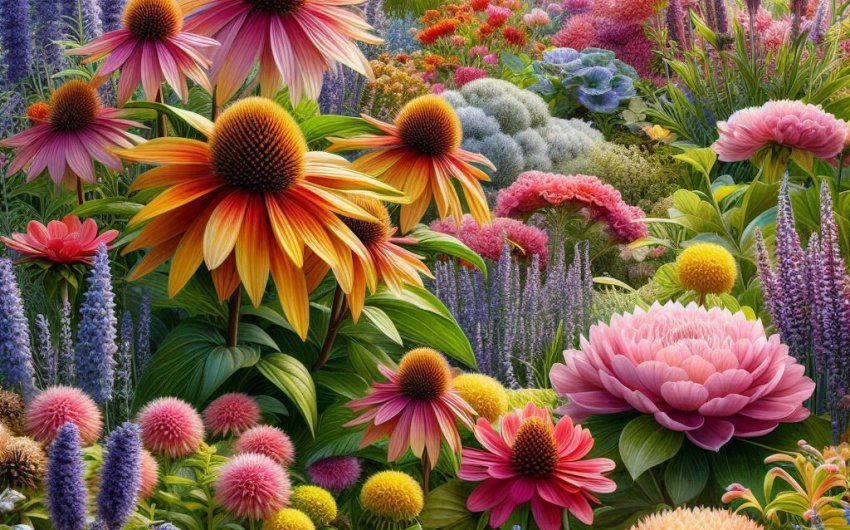
Determining when is the best time to plant perennial flowers is a crucial decision that significantly impacts their long-term health and establishment. Unlike annuals, which complete their life cycle in one season, perennials return year after year, making their initial planting success even more vital. Optimal timing allows these enduring beauties to develop robust root systems before facing environmental stressors, ensuring they thrive for many years in your garden.
What Are Perennial Flowers?
Before delving into planting times, it's helpful to understand the nature of perennial flowers. These plants are distinct from annuals and biennials in their life cycle, offering different gardening benefits and requiring specific planting considerations.
How Do Perennials Differ from Annuals and Biennials?
The key difference lies in their lifespan.
- Perennial Flowers: These plants live for more than two years. They typically die back to the ground in fall or winter (in cold climates) and then regrow from their rootstock in spring. Examples include hostas, daylilies, and coneflowers.
- Annual Flowers: These complete their entire life cycle (germinate, grow, flower, set seed, and die) within a single growing season. Examples include impatiens, petunias, and marigolds. They need to be replanted every year.
- Biennial Flowers: These plants live for two years. They typically form foliage in their first year and then flower, set seed, and die in their second year. Examples include foxgloves and hollyhocks.
What are the Benefits of Planting Perennials?
Perennial flowers offer numerous advantages for gardeners:
- Reduced Work: Once established, they generally require less work than annuals as you don't need to replant them every year. This saves time and effort.
- Established Gardens: They create a sense of permanence and maturity in the garden, forming the backbone of your landscape design.
- Cost-Effective: While the initial cost might be higher than a packet of annual seeds, perennials are a one-time investment that pays off year after year.
- Environmental Benefits: Many perennials are excellent for supporting pollinators, providing continuous food sources for bees, butterflies, and hummingbirds.
What Do Perennials Need to Thrive?
To truly thrive, perennial flowers require several fundamental conditions:
- Proper Planting Time: This is paramount, as it allows them to establish a strong root system before facing extreme weather.
- Suitable Site Selection: Matching the plant's light (full sun, partial shade, full shade) and soil preferences to its location is critical.
- Well-Draining Soil: Most perennials detest "wet feet," meaning they need soil that drains well to prevent root rot. Amending with compost often helps.
- Adequate Water: Especially during establishment, consistent moisture is vital. Once established, many become quite drought-tolerant.
- Appropriate Nutrients: While not heavy feeders, perennials benefit from good soil fertility. A soil test kit can help determine specific nutrient needs.
Understanding the nature and basic needs of perennial flowers sets the stage for comprehending the optimal windows for planting, ensuring their long-term success in your garden.
When is Fall the Best Time to Plant Perennials?
For many regions and perennial flowers, fall stands out as the absolute best time for planting. This season offers a unique combination of environmental factors that are highly conducive to root establishment and overall plant health, setting perennials up for robust growth in the following spring.
Why is Fall Optimal for Root Growth?
Fall planting is often considered ideal because it provides the perfect conditions for root growth while minimizing stress on the plant's upper foliage.
- Cooler Air Temperatures: The ambient air temperatures are dropping, which signals to the plant to slow down its top growth (leaves and flowers). This directs the plant's energy primarily towards developing a strong, extensive root system underground.
- Warm Soil Temperatures: Unlike the air, the soil retains heat from the summer for much longer into the fall. This warmth encourages active root growth, allowing the roots to spread and anchor themselves firmly before the ground freezes.
- Consistent Moisture: Fall often brings more consistent and gentle rainfall compared to the intense downpours or dry spells of summer. This regular moisture is perfect for new roots without the risk of overwatering or drought stress.
What Are the Benefits for Next Season's Bloom?
Planting perennial flowers in the fall gives them a significant head start for the next growing season.
- Established Roots: By spring, the fall-planted perennials will have well-developed root systems that are ready to efficiently absorb water and nutrients as soon as growth resumes.
- Stronger Plants: This robust root base leads to healthier, more vigorous plants that are better equipped to withstand summer heat and drought.
- Earlier, More Abundant Blooms: Because they are already well-established, fall-planted perennials often produce earlier and more prolific blooms in their first full growing season compared to those planted in spring. They don't need to spend energy on root establishment during the peak growing period.
What is the "Sweet Spot" for Fall Planting?
The "sweet spot" for fall perennial planting typically occurs 6 to 8 weeks before the first hard frost in your region. This window allows enough time for the roots to establish before the ground freezes solid.
- Mild Temperatures: The ideal is mild daytime temperatures (around 50-60°F or 10-15°C) and cool (but not freezing) nights.
- Regional Variation: This timing will vary significantly by USDA Hardiness Zone. For example, in colder zones (3-5), this might be late August to September. In warmer zones (6-8), it could extend into late October or even November.
- Monitor Forecasts: Always keep an eye on your local weather forecast to ensure you have enough frost-free days for establishment.
What Perennials Thrive with Fall Planting?
Many perennial flowers benefit greatly from fall planting.
- Most Container-Grown Perennials: Any perennial purchased in a pot can typically be planted in the fall.
- Bare-Root Perennials: Fall is an excellent time to plant bare-root perennials like peonies, hostas, daylilies, and bleeding hearts. Their dormant state makes them well-suited for immediate root establishment.
- Spring Bloomers: Planting spring-blooming perennials in the fall allows them to settle in and store energy for their display next year.
- Tougher Varieties: Generally, the hardier the perennial, the better it will fare with fall planting, as it can withstand cooler temperatures.
By taking advantage of the natural conditions that fall offers, you are setting your perennial flowers up for optimal success, leading to a more resilient and vibrant garden in the long run.
When is Spring the Best Time to Plant Perennials?
While fall is often ideal, spring remains a perfectly viable and sometimes preferred time to plant perennial flowers, especially for certain types of plants or in specific climates. Spring offers its own set of advantages, particularly for gardeners eager to see immediate growth or those dealing with harsh winters.
Why is Spring a Good Option?
Spring planting aligns with the natural awakening of the garden, providing several benefits for perennial establishment.
- Active Growth: Plants are emerging from dormancy and actively putting on new foliage and root growth. This natural vigor helps them settle into their new home quickly.
- Long Growing Season Ahead: Planting in spring gives perennials a full growing season to establish their roots and foliage before facing the challenges of winter dormancy.
- Nursery Availability: Nurseries are typically fully stocked with a wide variety of perennial flowers in spring, offering the greatest selection.
- Immediate Enjoyment: You can see your plants grow and sometimes even bloom in their first year, providing instant gratification.
What is the "Sweet Spot" for Spring Planting?
The optimal time for spring perennial planting is generally after the last hard frost has passed in your region, but before the scorching heat of summer sets in.
- Soil Temperature: Wait until the soil has warmed up sufficiently, usually when it's workable and no longer frozen or overly saturated.
- Avoid Late Frosts: Be mindful of unexpected late spring frosts, which can damage tender new growth.
- Early vs. Late Spring:
- Early Spring (as soon as soil is workable): Ideal for hardy perennials and bare-root plants that need a long cool period to establish roots.
- Mid to Late Spring: Good for most container-grown perennials once the danger of frost has passed.
- Regional Differences: This window varies significantly. In colder zones, it might be May or early June. In warmer zones, it could be as early as March or April.
What Perennials Thrive with Spring Planting?
Some perennial flowers are particularly well-suited for spring planting:
- Tender Perennials: Varieties that are borderline hardy in your zone or are sensitive to cold, wet winter conditions often establish better with spring planting. This allows them to build strength before winter.
- Warm-Season Perennials: Those that thrive in heat, like many varieties of Salvia or Gaillardia, can benefit from spring planting to establish before the summer heat.
- Plants Prone to Winter Heaving: In areas with freeze-thaw cycles, new fall plantings can sometimes "heave" out of the ground. Spring planting avoids this risk.
- Bare-Root Plants: While many bare-root perennials can go in the fall, some are specifically suited for spring, such as many herbaceous peonies or daylilies. You can find bare root daylilies for spring planting.
Are There Any Disadvantages to Spring Planting?
While viable, spring planting does come with a few potential drawbacks:
- Summer Stress: Plants must establish their root systems rapidly to cope with the heat and potential drought of summer, which can be stressful.
- More Watering: You'll likely need to water spring-planted perennials more frequently and diligently during their first summer to ensure proper establishment.
- Delayed Bloom: Some perennials might put their energy into root growth rather than flowering in their first spring/summer, potentially delaying their first bloom until the following year.
Despite these considerations, planting perennial flowers in the spring remains a popular and effective choice, particularly for gardeners who prefer to work with actively growing plants or those in regions with severe winters.
What Factors Influence the Best Planting Time?
Deciding when is the best time to plant perennial flowers isn't a one-size-fits-all answer. Several interconnected factors influence the optimal window, requiring gardeners to consider their specific environment and plant type for the most successful establishment.
How Does Your Climate Zone Affect Timing?
Your USDA Plant Hardiness Zone (or equivalent regional climate zone) is the single most important factor.
- Colder Zones (e.g., Zones 3-5): Fall planting windows are shorter. You must plant early enough in the fall (late August to early September) for roots to establish before a deep freeze. Spring planting, after the danger of hard frost, becomes more common and sometimes safer, especially for less hardy perennials.
- Moderate Zones (e.g., Zones 6-7): Both fall (late September to October) and spring (April to May) offer excellent windows for planting most perennials. Fall is often preferred due to warmer soil.
- Warmer Zones (e.g., Zones 8-10): Fall (October to November/early December) is often the best time, as it allows plants to establish during cooler, milder weather, avoiding the stress of hot summers. Winter planting is even possible for some very hardy perennials. Spring can be too short before summer heat sets in.
What About the Type of Perennial?
Different perennial flowers have varying tolerances and growth habits that influence their ideal planting time.
- Bare-Root Perennials: Many (like peonies, hostas, asparagus) are typically planted in the fall when dormant. Some, like strawberries, are often planted bare-root in early spring.
- Container-Grown Perennials: These are generally more flexible and can be planted successfully in either spring or fall, provided conditions are suitable. They have an established root ball, which aids transplanting.
- Heat-Loving Perennials: Varieties that truly thrive in hot summers (e.g., Gaillardia, some salvias) can benefit from spring planting, allowing them to establish fully before peak heat.
- Cold-Sensitive Perennials: If a perennial is borderline hardy in your zone, planting it in spring gives it a full growing season to develop a robust root system, increasing its chances of surviving its first winter.
How Does Your Soil Type Matter?
The characteristics of your soil impact how quickly roots establish and how well plants cope with temperature and moisture.
- Heavy Clay Soil: This soil drains slowly and can remain cold and wet longer in spring, or become waterlogged in fall. Spring planting might be preferred to avoid winter rot. It also benefits from amendments like compost for gardening to improve drainage.
- Sandy Soil: Drains quickly and warms up faster in spring. It can be planted earlier in spring. In fall, sandy soil cools down faster, potentially shortening the root establishment window. It might also require more consistent watering during establishment.
- Well-Draining Loam: Ideal soil, offering flexibility for both spring and fall planting, as it provides a good balance of moisture retention and aeration.
What Role Does Plant Size Play?
The size of the perennial flowers you're planting can also be a factor.
- Small Plugs or Liners: These tiny plants have limited root systems and are more susceptible to extreme conditions. Spring planting often gives them a better chance to bulk up before winter.
- Larger, Established Plants (from containers): These have more robust root balls and are generally more tolerant of transplanting in either spring or fall, provided care is given.
Considering these multifaceted factors allows you to tailor your planting schedule to your unique garden environment, ensuring the success of your perennial flowers regardless of when you put them in the ground.
What Are Best Practices for Planting Perennials?
Regardless of when is the best time to plant perennial flowers, proper planting techniques are crucial for their successful establishment and long-term health. Following these best practices will give your new additions the strongest start possible.
How Do I Prepare the Planting Site?
Proper site preparation is foundational for perennial success.
- Site Selection: Ensure the chosen site meets the perennial's specific light requirements (full sun, partial shade, full shade).
- Clear Weeds: Thoroughly remove all weeds from the planting area. Weeds compete with new plants for water, nutrients, and light. Use a hand weeding tool for precision.
- Soil Amendments: Dig the planting area to a depth of at least 12-18 inches. Incorporate a generous amount of organic matter, such as compost, well-rotted manure, or leaf mold, into the existing soil. This improves drainage, aeration, and fertility, which are vital for healthy root development.
What is the Proper Planting Technique?
Once the site is ready, the actual planting process should be done carefully.
- Dig the Hole: Dig a hole that is at least twice as wide as the plant's root ball, and just as deep. The top of the root ball should be level with, or slightly above, the surrounding soil once planted.
- Prepare the Plant: Gently remove the perennial from its container. If the roots are tightly matted or circling the pot (root-bound), gently tease them apart or make a few vertical cuts down the sides of the root ball with a knife to encourage outward growth. For bare-root plants, spread the roots out in the hole.
- Place the Plant: Center the plant in the hole. Ensure the crown (where the stems meet the roots) is at or slightly above the soil line. Planting too deep can lead to stem rot.
- Backfill: Gently backfill the hole with the amended soil, lightly firming it around the root ball to remove large air pockets. Avoid compacting the soil too much.
- Water Thoroughly: Immediately after planting, water the perennial deeply and slowly. This settles the soil around the roots and eliminates any remaining air pockets.
How Important is Post-Planting Care?
The first few weeks after planting are critical for perennial establishment.
- Consistent Watering: New perennials need consistent moisture, especially during their first growing season (whether planted in spring or fall). Water regularly, ensuring the soil remains moist but not soggy. Reduce watering in fall as temperatures drop, but ensure plants are well-hydrated before winter.
- Mulching: Apply a 2-3 inch layer of organic mulch (such as shredded bark, compost, or straw) around the base of the plant, keeping it a few inches away from the crown. Mulch helps retain soil moisture, suppress weeds, and moderate soil temperatures. In colder climates, mulch can provide extra insulation for fall-planted perennials.
- Fertilizing (Lightly): If your soil was well-amended with compost, immediate fertilization might not be necessary. If you do fertilize, use a balanced, slow-release granular fertilizer or a diluted liquid fertilizer, being careful not to over-fertilize, which can burn new roots.
- Staking (If Needed): For taller perennials, consider providing support with garden stakes if they are prone to flopping, especially if planted in areas with strong winds.
- Pest and Disease Monitoring: Keep an eye out for any signs of pests or diseases and address them promptly. New plants can be more susceptible to stress.
By meticulously applying these best practices, you empower your perennial flowers to establish strong, healthy root systems, setting the stage for years of vibrant growth and beautiful blooms, regardless of when is the best time to plant perennial flowers.