
What Are the Longest Blooming Perennial Flowers?
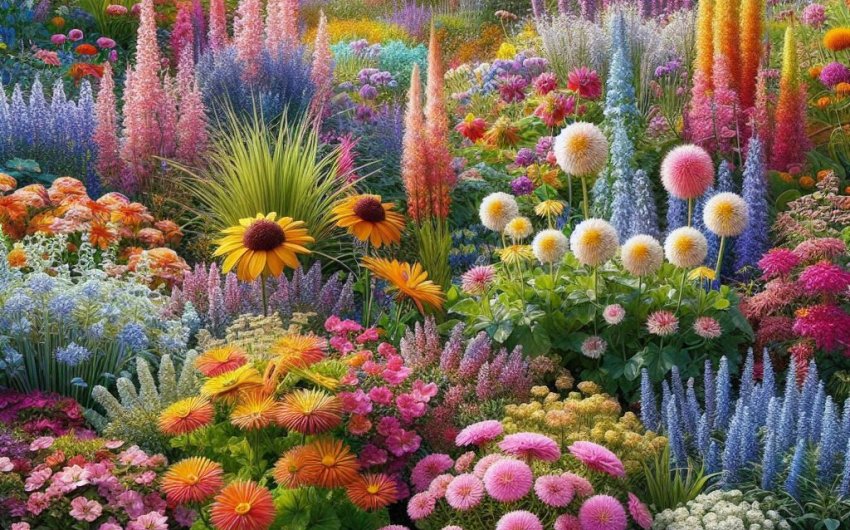
Do you dream of a garden that explodes with continuous color for months on end? Discovering what are the longest blooming perennial flowers can transform your landscape into a vibrant, ever-changing tapestry of blossoms. This guide will introduce you to a selection of remarkable plants that offer extended flowering periods, ensuring your garden remains captivating from spring through fall.
What Makes a Perennial Flower Bloom for a Long Time?
Not all perennials are created equal when it comes to bloom duration. Several characteristics and environmental factors contribute to a plant's ability to produce flowers for an extended period. Understanding these can help you choose the best plants for continuous color.
What is the Plant's Natural Bloom Cycle?
Every plant has an inherent genetic programming that dictates its flowering period. Some perennials are naturally bred or evolved to have a short, intense burst of bloom, while others are designed for endurance.
- Determinate Bloomers: These plants typically produce all their flowers at once on a main stem, and once those flowers fade, the blooming season is over. Examples might include certain types of peonies or irises.
- Indeterminate Bloomers: These are the stars of long-lasting color. They continuously produce new flower buds throughout their growing season, often on new growth or side shoots. This allows for a succession of blooms rather than a single flush. Many modern hybrids are bred for this characteristic.
How Does Deadheading Affect Bloom Time?
Deadheading is the practice of removing spent or faded flowers from a plant. This simple gardening task can significantly extend the bloom period for many perennials.
- Redirecting Energy: When a flower fades, the plant's natural inclination is to produce seeds. By removing the spent flower, you prevent the plant from putting energy into seed production. This energy is then redirected into producing more flowers, essentially tricking the plant into blooming again.
- Stimulating New Growth: Deadheading often encourages the plant to produce new shoots, and these new shoots can bear additional flower buds, further extending the display.
What Role Do Sunlight and Soil Play?
Optimal growing conditions are paramount for maximizing a perennial's bloom potential. Even the longest-blooming varieties will struggle if their basic needs for light and nutrients are not met.
Sunlight Requirements
Most long-blooming perennials are full-sun plants, meaning they require at least six hours of direct sunlight per day to flower profusely. Insufficient light can lead to fewer blooms, weaker stems, and an overall lack of vigor.
- Sun-loving examples: Many coneflowers, coreopsis, and salvias thrive in abundant sunshine.
- Shade considerations: While fewer, some perennials, like certain heucheras, can offer extended foliage interest and some bloom in partial shade.
Soil Quality and Drainage
Well-draining soil is crucial for perennial health. Roots need access to oxygen, and soggy conditions can lead to root rot, which severely impacts a plant's ability to absorb water and nutrients, thus reducing flowering.
- Drainage: Sandy loam is often ideal, providing both drainage and nutrient retention. For heavy clay soils, amending with compost or other organic matter can greatly improve structure.
- Nutrients: A balanced supply of nutrients supports strong growth and abundant flowering. While some perennials are not heavy feeders, an annual application of a balanced slow-release fertilizer can be beneficial.
Does Proper Watering and Fertilizing Matter?
Consistent care, including appropriate watering and feeding, contributes significantly to a perennial's sustained bloom.
Watering Practices
While established perennials are often drought-tolerant, consistent moisture during dry spells, especially when they are actively blooming, can prevent stress and encourage continuous flower production.
- Deep and Infrequent: Water deeply to encourage root growth, allowing the soil to dry out slightly between waterings.
- Mulching: Applying a layer of garden mulch around plants helps retain soil moisture, suppress weeds, and regulate soil temperature.
Fertilization
Over-fertilizing, especially with high-nitrogen fertilizers, can promote lush leafy growth at the expense of flowers. A balanced approach is best.
- Balanced Nutrients: Use a fertilizer that has a good balance of nitrogen (N), phosphorus (P), and potassium (K), or one specifically formulated for flowering plants, which will have a higher P number.
- Timing: Fertilize in early spring as new growth emerges, and possibly again in mid-summer for re-blooming varieties.
What About Pest and Disease Management?
Healthy plants are happy plants, and happy plants bloom more. Keeping pests and diseases at bay ensures the plant can dedicate its energy to flowering rather than fighting off invaders.
- Regular Inspection: Regularly check your plants for signs of pests (like aphids or spider mites) or diseases (like powdery mildew).
- Early Intervention: Address problems quickly with appropriate organic pest control methods or fungicides. Stressed plants are more susceptible to problems, which in turn reduces their bloom potential.
Which Perennials Offer the Longest Bloom Times?
Many perennials are celebrated for their extended flowering seasons, providing months of vibrant color in the garden. Here's a look at some of the top contenders that truly earn their place as long-blooming stars.
Coneflower (Echinacea)
Echinacea varieties are perhaps one of the most iconic long-blooming perennials, gracing gardens from early summer well into fall. Known for their daisy-like flowers with prominent central cones, they are pollinator magnets.
- Bloom Period: Typically June to October, depending on the variety and climate.
- Key Features:
- Attracts bees, butterflies, and hummingbirds.
- Drought-tolerant once established.
- Many colors available: purple, pink, white, yellow, orange, red.
- Good for cut flowers.
- Varieties like 'Magnus' Echinacea 'Magnus' seeds are classic, while newer hybrids offer exciting color variations.
- Care Tips:
- Prefers full sun.
- Tolerant of various soil types but prefers well-drained soil.
- Deadhead spent blooms to encourage re-blooming, though leaving some seed heads can provide winter interest and food for birds.
Coreopsis (Tickseed)
Coreopsis, often called tickseed, is a cheerful, low-maintenance perennial that delivers a profusion of bright, often yellow, daisy-like flowers from early summer until the first hard frost.
- Bloom Period: Usually June to October.
- Key Features:
- Reliable and vigorous bloomer.
- Excellent for borders, mass plantings, and containers.
- Attracts beneficial insects.
- Many cultivars, including threadleaf (finer foliage) and grandiflora (larger flowers) types. 'Moonbeam' Coreopsis 'Moonbeam' plants is a popular soft yellow variety.
- Care Tips:
- Requires full sun for best flowering.
- Prefers well-drained soil.
- Deadheading is crucial for extended bloom, especially for larger-flowered varieties. A "shearing" (cutting back the entire plant by about one-third) can refresh plants and encourage a new flush of blooms.
Salvia (Perennial Sage)
Salvia species offer an incredible diversity of forms, colors, and sizes, but many perennial salvias are renowned for their exceptionally long blooming periods, often from late spring to fall. Their spiky flower stalks are a favorite of hummingbirds and butterflies.
- Bloom Period: May to October, depending on the variety.
- Key Features:
- Highly attractive to pollinators.
- Drought-tolerant once established.
- Available in vibrant blues, purples, pinks, whites, and reds.
- Some varieties are fragrant.
- Popular options include Salvia nemorosa 'Caradonna' Salvia 'Caradonna' plants (dark purple) and 'May Night' Salvia 'May Night' plants (indigo blue).
- Care Tips:
- Needs full sun for prolific flowering.
- Prefers well-drained soil.
- Deadhead spent flower spikes to encourage continuous blooming. A hard prune after the first flush of flowers can promote a strong second bloom.
Geranium (Cranesbill)
Not to be confused with annual pelargoniums, true perennial geraniums (cranesbills) are fantastic groundcovers and border plants, offering an abundance of delicate yet vibrant flowers for months.
- Bloom Period: Varies by species, but many bloom from late spring to late summer or even fall.
- Key Features:
- Versatile: suitable for borders, rock gardens, and groundcover.
- Attractive foliage, some with lovely autumn color.
- Generally low-maintenance and deer-resistant.
- Popular varieties include 'Rozanne' Geranium 'Rozanne' plants (violet-blue, exceptionally long-blooming) and 'Max Frei' (magenta).
- Care Tips:
- Most prefer full sun to partial shade.
- Tolerant of a range of soils, but good drainage is key.
- 'Rozanne' is sterile, so it doesn't need deadheading to prevent seed set, but trimming back spent flower stalks can keep it looking tidy and encourage more blooms. Other varieties benefit from deadheading.
Shasta Daisy (Leucanthemum)
The classic Shasta Daisy brings cheerful white, yellow-centered blooms to the garden, reminiscent of traditional daisies. Modern cultivars have extended bloom times, making them garden mainstays.
- Bloom Period: June to September/October.
- Key Features:
- Excellent for cottage gardens and cutting gardens.
- Reliable and robust growers.
- Varieties like 'Becky' Shasta Daisy 'Becky' plants are known for their strong stems and long bloom.
- Care Tips:
- Thrives in full sun.
- Prefers well-drained soil.
- Consistent deadheading is essential for continuous flowering. Divide clumps every few years to maintain vigor.
Catmint (Nepeta)
Catmint is a wonderfully aromatic and tough perennial that produces airy spikes of lavender-blue flowers for a remarkably long season. It's a favorite of bees and butterflies and is typically deer and rabbit resistant.
- Bloom Period: Late spring to fall.
- Key Features:
- Drought-tolerant and low-maintenance.
- Provides a soft, billowy texture to the garden.
- Great for borders, pathways, and mass plantings.
- Nepeta x faassenii 'Walker's Low' Nepeta 'Walker%27s Low' plants is a widely popular cultivar known for its continuous bloom and tidy habit.
- Care Tips:
- Prefers full sun, but can tolerate some partial shade (though flowering may be reduced).
- Thrives in average to poor, well-drained soil.
- Shearing back by about a third after the first flush of flowers will encourage a robust second bloom and maintain a neater appearance.
Daylily (Hemerocallis)
While individual daylily flowers last only a single day, the plants themselves produce an abundance of flower stalks with numerous buds, leading to a long season of continuous bloom, especially with re-blooming varieties.
- Bloom Period: Late spring to fall, with re-blooming types offering multiple flushes.
- Key Features:
- Extremely diverse in color, size, and form.
- Tough, adaptable, and generally pest-free.
- Excellent for mass plantings, borders, and erosion control.
- Look for cultivars labeled as "re-blooming" or "extended bloom" like 'Stella de Oro' Daylily 'Stella de Oro' plants (yellow) or 'Happy Returns' (lemon yellow).
- Care Tips:
- Prefers full sun for best flowering, though some varieties tolerate partial shade.
- Adaptable to many soil types but prefers well-drained soil.
- Deadheading spent flower stalks (scapes) can encourage more re-blooming.
Tickseed (Coreopsis)
While already mentioned, it's worth reiterating the power of certain Coreopsis varieties for sheer blooming prowess. Newer cultivars, especially those in the "Big Bang" series or similar, offer even longer bloom times and new color palettes.
- Bloom Period: June to October.
- Key Features:
- Consistent, prolific flowering.
- Often sterile, meaning no seed production, so all energy goes to flowers.
- Care Tips:
- Full sun is essential.
- Well-drained soil prevents rot.
- Shearing back regularly encourages continuous flushes of flowers.
Yarrow (Achillea)
Yarrow is a rugged and drought-tolerant perennial known for its flattened clusters of tiny flowers that last for ages, making it excellent for hot, dry spots and cut flower arrangements.
- Bloom Period: June to September.
- Key Features:
- Tolerant of poor soils and drought once established.
- Feathery, aromatic foliage.
- Comes in shades of yellow, pink, red, orange, and white.
- Achillea 'Paprika' Achillea 'Paprika' plants offers vibrant red and yellow tones.
- Care Tips:
- Requires full sun.
- Thrives in well-drained to dry soil; avoid rich, wet soils which can lead to flopping.
- Deadhead spent blooms to encourage re-flowering. Shearing back can also rejuvenate the plant.
Veronica (Speedwell)
Many species of Veronica offer upright spikes of small, densely packed flowers over a long period, providing vertical interest in the garden.
- Bloom Period: Late spring to late summer/early fall.
- Key Features:
- Good for borders, rock gardens, and mass plantings.
- Attracts pollinators.
- Colors include blue, purple, pink, and white.
- Veronica spicata 'Royal Candles' Veronica 'Royal Candles' plants is a popular, compact variety with deep violet-blue flowers.
- Care Tips:
- Prefers full sun to partial shade.
- Needs well-drained soil.
- Deadhead spent flower spikes to encourage a second flush of blooms.
How Can You Maximize the Bloom Time of Perennials?
Beyond choosing inherently long-blooming varieties, there are several key practices you can employ to ensure your perennials flower for as long and as profusely as possible.
Consistent Deadheading
As discussed, this is perhaps the single most effective way to extend bloom time for many perennials. Make it a regular garden chore throughout the blooming season.
- Technique: Remove the spent flower stalk down to a leaf, side shoot, or the ground, depending on the plant and where new buds are likely to form.
- Tools: Use clean, sharp pruning shears for best results.
Proper Watering
Even drought-tolerant plants benefit from consistent moisture during their active blooming periods.
- Deep Watering: Water deeply and less frequently to encourage a strong, deep root system.
- Monitor Soil: Feel the soil before watering; if it's still moist an inch or two down, wait.
Strategic Fertilization
Feeding your plants correctly can fuel more blooms, but overdoing it can be counterproductive.
- Balanced Fertilizer: Use a balanced slow-release fertilizer in early spring.
- Phosphorus for Blooms: If your soil is deficient in phosphorus, a bloom-boosting fertilizer with a higher middle number (e.g., 5-10-5) can encourage more flowers.
- Avoid Excess Nitrogen: Too much nitrogen leads to leafy growth at the expense of flowers.
Appropriate Sunlight
Ensure your chosen perennials are planted in a location that meets their specific light requirements.
- Full Sun Lovers: Most long-blooming perennials need at least 6 hours of direct sun.
- Observational Adjustment: If a plant isn't flowering well despite other good care, assess its light exposure. Is it getting enough, or perhaps too much intense afternoon sun?
Good Air Circulation
Proper spacing between plants helps prevent fungal diseases and allows for better light penetration, both contributing to plant health and continuous blooming.
- Spacing: Follow spacing recommendations for mature plant size.
- Pruning: Occasionally prune out dense inner growth if air circulation is poor, especially for larger, bushier perennials.
Dividing Overgrown Clumps
Many perennials, after a few years, can become overcrowded, leading to reduced flowering and vigor.
- Signs of Overcrowding: Fewer blooms, smaller flowers, yellowing centers, or plants dying out in the middle.
- Timing: Divide plants in early spring or fall when they are not actively blooming.
- Technique: Dig up the plant, separate it into smaller sections with healthy roots and shoots, and replant. Use a garden fork or spade for easier division.
Pest and Disease Management
A healthy plant is naturally more resilient and can dedicate its energy to flowering.
- Integrated Pest Management: Focus on preventative measures, promoting beneficial insects, and using organic solutions first.
- Fungicides/Insecticides: Use targeted treatments only when necessary and always follow product instructions carefully.
What Are Some Excellent Combinations with Long-Blooming Perennials?
Creating a garden that offers continuous interest means thoughtfully combining plants that bloom at different times, or, even better, pairing your longest-blooming stars with others that complement them throughout the seasons.
Pairing for Continuous Color
By selecting a variety of perennials that have different peak bloom times but include long-bloomers as your backbone, you can create a seamless display.
- Early Season Interest: Combine your long-blooming Echinacea or Salvia with spring-flowering bulbs like tulips or daffodils, or early perennials like bleeding heart (Dicentra spectabilis).
- Mid-Season Staples: Your core Coreopsis, Daylilies, and Shasta Daisies will shine here.
- Late Season Extenders: Many salvias, yarrows, and certain coneflowers will carry the bloom into fall, along with plants like Sedum 'Autumn Joy' or ornamental grasses like Little Bluestem.
Complementing with Foliage and Texture
Flowers aren't the only way to add interest. Using plants with varied foliage colors, shapes, and textures can create a dynamic backdrop and keep the garden interesting even when blooms are scarce.
- Heuchera (Coral Bells): Offers a stunning array of foliage colors (purple, lime green, bronze, silver) and also produces delicate flower spikes. Many varieties are long-blooming foliage plants. Heuchera 'Palace Purple' plants is a classic.
- Hostas: While primarily foliage plants, many hostas produce attractive lavender or white flower spikes. They are excellent for shade gardens.
- Ornamental Grasses: Provide movement, texture, and often beautiful fall and winter interest. Varieties like Karl Foerster Feather Reed Grass or Shenandoah Switchgrass add vertical accents.
Attracting Pollinators
Many long-blooming perennials are fantastic for pollinators. Designing your garden with their needs in mind can create a thriving ecosystem.
- Nectar and Pollen Sources: Focus on plants like Echinacea, Salvia, and Catmint, which are rich in nectar and pollen, attracting bees, butterflies, and hummingbirds.
- Layered Bloom Times: Ensure you have flowers blooming from early spring to late fall to provide a continuous food source for pollinators.
- Water Source: Consider adding a shallow bird bath or a bee bath with pebbles for safe drinking.
Using Companion Planting
Some plants benefit each other, whether by deterring pests, attracting beneficial insects, or improving soil conditions.
- Marigolds: Planting marigolds near certain vegetables or flowers can deter nematodes and other pests.
- Herbs: Many culinary herbs like lavender or rosemary are also long-blooming perennials and can attract beneficial insects while deterring some pests.
To sum up, knowing what are the longest blooming perennial flowers allows you to design a landscape that offers continuous vibrant color from one season to the next, making your garden a constant source of beauty and life.