
How Do You Divide and Transplant Perennial Flowers?
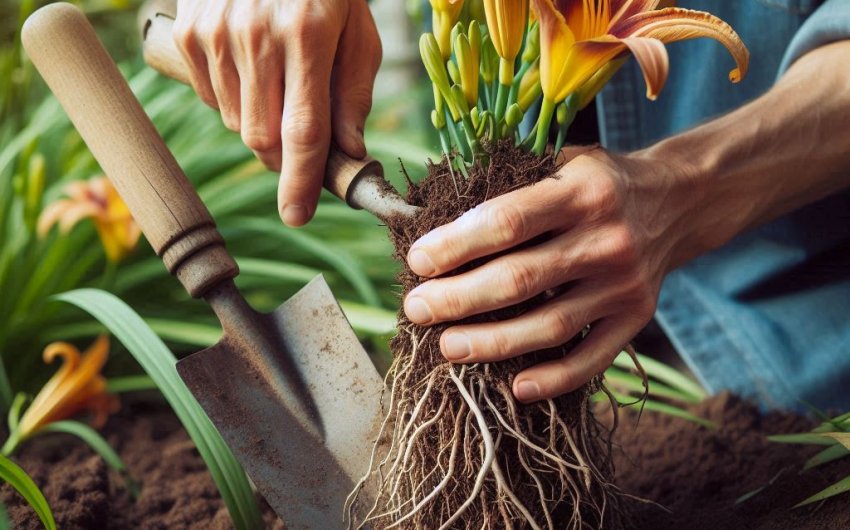
Enriching your garden's vigor and expanding your plant collection can be achieved by learning how to divide and transplant perennial flowers. This essential gardening technique revitalizes overcrowded plants, promotes healthier growth, and offers a cost-effective way to multiply your favorite blooms. Successfully dividing perennials ensures continued vibrancy in your flower beds, transforming tired clumps into flourishing new additions or rejuvenated specimens.
Why should I divide perennial flowers?
Understanding why to divide perennial flowers is crucial for maintaining the health, vigor, and aesthetic appeal of your garden. Division isn't just about getting more plants for free; it's a vital aspect of long-term garden care that directly impacts the performance of your blooms.
Here are the key reasons why you should divide perennial flowers:
1. Rejuvenate Overcrowded Plants
- Decline in Vigor: Over time, many perennials grow into large, dense clumps. The center of these clumps can become woody, depleted of nutrients, and stop producing as many flowers or as vigorous foliage. This results in a "doughnut" effect, where the plant is healthy on the outside but weak or bare in the middle.
- Solution: Dividing the plant rejuvenates it by removing the old, woody core and giving the younger, more vigorous outer sections room to grow and access to fresh soil and nutrients. This invigorates the plant and restores its youthful vigor.
2. Promote Healthier Growth
- Improved Air Circulation: Overcrowded clumps can have poor air circulation within their dense foliage. This creates a humid, stagnant environment that is highly conducive to fungal diseases (like powdery mildew or rust) and pest infestations.
- Reduced Competition: Dividing reduces competition for essential resources like water, nutrients, and sunlight among individual stems. Each division gets more space, leading to healthier, stronger growth and better overall plant performance.
- Pest and Disease Management: By opening up the plant and promoting healthier growth, division makes the plant less attractive to pests and more resistant to diseases.
3. Increase Flower Production and Quality
- More Blooms: When perennials become overcrowded and stressed, their flowering often diminishes. The blooms might be smaller, less abundant, or of poorer quality.
- Solution: By dividing and rejuvenating the plant, you encourage it to put energy back into flowering, resulting in more numerous and higher-quality blooms. This is often the most noticeable reward for dividing.
4. Control Plant Size and Spread
- Managing Aggressive Spreaders: Some perennials, like mint or certain daylilies, are enthusiastic spreaders. Division is an effective way to control their spread and prevent them from overwhelming neighboring plants or garden beds.
- Maintaining Desired Form: For clumping perennials, division helps maintain a tidy, attractive form, preventing them from becoming messy or sprawling.
5. Expand Your Garden (Free Plants!)
- Cost-Effective Propagation: This is a major benefit for many gardeners. Division is a simple, cost-free way to create new plants from existing ones. You can fill empty spots in your garden, create new beds, or share with friends and family.
- True to Type: Plants propagated by division are genetically identical to the parent plant, ensuring they retain the desired characteristics of the original.
6. Fill Gaps in Your Garden
- Redistribution: If you have areas in your garden that are sparse or new beds that need filling, divisions from existing plants provide a perfect, budget-friendly solution for propagation and garden expansion.
By understanding these multifaceted benefits, you'll see that learning how to divide and transplant perennial flowers is not just an optional task, but a valuable and often necessary component of effective perennial garden maintenance.
When is the best time to divide perennial flowers?
Choosing the best time to divide perennial flowers is crucial for their survival and successful establishment after transplanting. While there are general rules, the ideal timing often depends on the specific perennial's blooming season and your local climate. Proper timing minimizes stress on the plant and maximizes its chances of recovery.
Here’s a breakdown of when to divide perennials:
1. The General Rule: Divide Opposite Their Bloom Season
This is the easiest rule of thumb to remember:
- Spring Bloomers (Divide in Fall): Perennials that bloom in early spring or late spring (e.g., Peonies, Irises, Bleeding Hearts, Creeping Phlox) should generally be divided in the fall, after their flowering has finished and they've had time to recover from the summer heat, but before the ground freezes solid. This allows them to put energy into root establishment over winter.
- Summer/Fall Bloomers (Divide in Spring): Perennials that bloom in summer or fall (e.g., Hostas, Daylilies, Bee Balm, Garden Phlox, Shasta Daisies, Coreopsis, Black-Eyed Susans, Astilbe) should typically be divided in the spring, just as new growth is emerging but before the heat of summer. This gives them the entire growing season to establish new roots before flowering.
2. Why This Rule Works
- Energy Reserves: When you divide a perennial, it puts a significant amount of energy into regrowing roots to establish itself. By dividing opposite its bloom season, you ensure the plant isn't simultaneously trying to put energy into flowering and regrowing roots, which can be too stressful and reduce its chances of survival.
- Cooler Temperatures: Both spring and fall offer cooler temperatures and often more consistent rainfall than summer. These conditions are less stressful for newly transplanted divisions, reducing the risk of dehydration and transplant shock.
3. Exceptions to the Rule (When to Divide Differently)
- Evergreen Perennials: Some evergreen perennials (like Hellebores or ornamental grasses) are best divided in early spring, just as new growth begins, or late fall in milder climates.
- Aggressive Spreaders: Very vigorous spreaders like mint, bee balm, or certain sedum varieties can often be divided successfully almost any time during the growing season, provided you keep them well-watered after transplanting. However, spring or fall is still safest.
- Specific Plants: Some perennials have unique preferences:
- Irises (Bearded): Best divided in late summer (July/August) after flowering, to allow the rhizomes to set roots before winter.
- Peonies: Very particular! Best divided and transplanted only in the fall, and only if absolutely necessary, as they resent disturbance and may take years to rebloom. Plant them at the correct depth (no more than 1-2 inches of soil over the "eyes").
- Bleeding Hearts: Can be tricky due to their delicate roots. Best done in late summer/early fall after they've gone dormant or yellowed.
- Hostas: Very tolerant; can be divided in early spring or early fall.
4. Signs a Perennial Needs Division
Even if you know the general timing, look for these signs that a plant needs dividing:
- Reduced Flowering: Fewer blooms or smaller flowers than usual.
- Decline in Vigor: The plant looks less robust overall, with smaller leaves or weaker stems.
- Bare Center: The center of the clump is sparse, woody, or dead, with growth concentrated around the edges (the "doughnut" effect).
- Overcrowding: The plant has outgrown its space, encroaching on neighboring plants or paths.
By observing your plants and understanding these timing guidelines, you'll successfully know how to divide and transplant perennial flowers at the optimal moment for their health and continued beautiful display.
What tools and supplies do I need to divide perennials?
Having the right tools and supplies makes the process of dividing and transplanting perennial flowers much easier and more successful. Using clean, sharp instruments minimizes stress on the plants and makes your work more efficient.
Here's a list of essential tools and supplies you'll need:
1. Digging Tools
- Garden Fork: A sturdy garden fork (digging fork) is often the best tool for gently lifting perennial clumps from the ground. Its tines allow you to loosen the soil around the roots without severing too many.
- Spade or Shovel: A sharp garden spade or shovel is useful for digging around the plant, especially for larger, more established clumps, and for cutting through dense root balls.
2. Division Tools (for separating the plant)
- Sharp Knife: A sturdy, sharp garden knife (like a Hori Hori knife) or a serrated kitchen knife is excellent for cutting through fibrous or woody root masses.
- Pruning Shears/Bypass Pruners: Sharp bypass pruners are essential for trimming back foliage before or after division, and for removing dead or damaged roots.
- Two Garden Forks (Optional, for large clumps): For very large, dense clumps, two garden forks can be inserted back-to-back into the center of the plant. By pulling the handles apart, you can often "lever" the plant apart into two or more sections.
- Root Saw (for very woody plants): For extremely tough or woody root balls (like some ornamental grasses or mature hostas), a small root saw might be necessary.
3. Transport and Holding Supplies
- Wheelbarrow or Tarp: A garden wheelbarrow or a sturdy garden tarp is essential for moving the dug-up plant clump, soil, and divisions around the garden.
- Buckets or Trays: Use buckets, trays, or even empty nursery pots to temporarily hold the divisions and keep their roots moist while you prepare the new planting sites.
4. Soil Amendments and Planting Supplies
- Compost: Have plenty of finished compost on hand. It's crucial for enriching the soil in the new planting locations and for mixing with the soil around the remaining parent plant.
- Bone Meal or Root Stimulator (Optional): Some gardeners like to add a handful of bone meal (for phosphorus to encourage root growth) or a liquid root stimulator to the new planting holes to help the divisions establish.
- Potting Mix (if potting divisions): If you plan to pot up some divisions for later planting or sharing, have a good quality potting mix and appropriate-sized pots ready.
5. Personal Protective Equipment (PPE)
- Garden Gloves: Protect your hands from dirt, blisters, and potential skin irritants. Choose sturdy, comfortable garden gloves.
- Kneeling Pad (Optional but Recommended): A gardening kneeling pad or kneeler bench saves your knees!
6. Watering Supplies
- Watering Can or Hose with Gentle Nozzle: For thoroughly watering the newly planted divisions immediately after transplanting. A gentle shower setting is ideal to avoid displacing soil.
7. Other Helpful Items
- Labels/Markers: To keep track of what you've planted where.
- Cleaning Supplies: A bucket of water and a rag for cleaning tools. Sterilize your tools (e.g., with rubbing alcohol or a bleach solution) between dividing different plants, especially if you suspect any disease, to prevent spreading pathogens.
By having these tools and supplies ready, you'll be well-prepared to successfully divide and transplant perennial flowers, making the process smoother and more enjoyable.
What is the step-by-step process for dividing and transplanting perennials?
Once you've determined the best time and gathered your tools, the actual process of dividing and transplanting perennial flowers involves a series of straightforward steps. Following these instructions carefully will maximize your success rate and ensure your rejuvenated plants thrive in their new locations.
Here's a step-by-step guide:
Step 1: Prepare the New Planting Site(s)
- Pre-Dig Holes: Before you even dig up the parent plant, prepare the holes where you intend to transplant the divisions. This minimizes the time the divisions' roots are exposed to air, which reduces transplant shock.
- Size: Dig holes that are two to three times wider than the expected size of your divisions' root balls, and roughly the same depth.
- Amend Soil: Incorporate a generous amount of finished compost into the bottom and sides of the hole. This provides nutrients and improves drainage and soil structure for the new roots. If desired, mix in a handful of bone meal or a root stimulator.
Step 2: Prepare the Parent Plant
- Water Thoroughly: Water the perennial plant deeply a day or two before you plan to divide it. Moist soil is easier to work with, and a well-hydrated plant experiences less stress.
- Cut Back Foliage (Optional but Recommended): For large, leafy perennials (like Hostas or Daylilies), cut back the foliage by about one-half to two-thirds. This reduces moisture loss through transpiration (evaporation from leaves) after division, allowing the plant to focus its energy on root establishment. For plants with delicate foliage, you might skip this or just trim slightly.
Step 3: Dig Up the Parent Plant
- Dig Wide Circle: Using a garden fork or spade, dig a wide circle around the entire clump, about 6-12 inches away from the base of the plant (depending on its size) to avoid damaging too many roots.
- Loosen and Lift: Gently work your fork or spade under the root ball, prying it up slowly and carefully. Try to lift the entire clump intact, shaking off excess soil.
- Move to Work Surface: Carefully move the lifted clump to a sturdy surface like a tarp, a piece of plywood, or a wheelbarrow.
Step 4: Divide the Plant
- Examine Root Ball: Shake off more loose soil to expose the roots and crowns. Identify natural divisions or "clumps" of growth. Each division needs a healthy portion of roots and at least 2-3 "eyes" or growth buds (visible shoots or bumps at the crown).
- Methods of Division (depending on plant type):
- Hand Pulling: For loosely knit, fibrous roots (e.g., Hostas, Daylilies, Astilbe, Coral Bells), you may be able to gently pull the clump apart with your hands.
- Cutting: For tougher, denser, or woody root balls, use a sharp garden knife, spade, or even two garden forks back-to-back (levering them apart). Cut through the crown and roots, ensuring each section has roots and growth buds.
- Trim Excess: Remove any dead, diseased, or woody sections from the center of the original clump. Discard these.
- Aim for Healthy Divisions: Aim for divisions that are a manageable size for transplanting, not too small (which can struggle) and not too large (which can experience more shock).
Step 5: Prepare Divisions for Transplanting
- Trim Damaged Roots: Using clean pruning shears, trim off any broken, mushy, or excessively long roots from the divisions. Make clean cuts.
- Keep Moist: Place the divisions in buckets or trays with a little moist soil or damp newspaper to prevent their roots from drying out while you work.
Step 6: Transplant the Divisions
- Place in Hole: Position each division in its prepared hole, ensuring the crown (where stems meet roots) is at the same level as it was in the original planting, or slightly higher (some plants, like Irises, need to be at or just above the soil line).
- Backfill: Gently backfill the hole with the amended soil, firming it lightly around the roots to remove large air pockets. Don't pack too tightly; roots need air.
- Water Thoroughly: Water each newly planted division deeply and immediately. This helps settle the soil around the roots and eliminates any remaining air pockets.
Step 7: Post-Transplant Care
- Consistent Watering: Keep the newly transplanted divisions consistently moist for the first 2-4 weeks. This is crucial for establishment. Do not let them dry out.
- Mulch (Optional but Recommended): Apply a thin layer of mulch (e.g., shredded leaves, straw) around the base of the divisions. This helps retain soil moisture, suppress weeds, and moderate soil temperature.
- Monitor: Keep a close eye on the divisions for signs of wilting or stress. If they look droopy, ensure they are adequately watered.
- No Fertilizing (Immediately): Avoid fertilizing newly transplanted divisions immediately. Wait until they show signs of new growth (typically 4-6 weeks) before applying a dilute, balanced fertilizer.
By following these steps, you'll gain confidence in how to divide and transplant perennial flowers, successfully multiplying your garden's beauty and vigor.
What are the common mistakes to avoid when dividing perennials?
While dividing and transplanting perennial flowers is a rewarding skill, several common mistakes can lead to plant stress or failure. Being aware of these pitfalls will help you ensure a successful outcome and promote healthy growth in your garden.
Here are the common mistakes to avoid:
1. Dividing at the Wrong Time
- Mistake: Dividing perennials during their active bloom cycle or during extreme weather (hot summer, freezing winter).
- Consequence: The plant is under immense stress trying to produce flowers while also healing from division. Hot weather leads to rapid moisture loss and severe transplant shock. Freezing weather prevents root establishment.
- Solution: Follow the "divide opposite their bloom season" rule: spring bloomers in fall, summer/fall bloomers in spring. Aim for cool, overcast days with moderate temperatures.
2. Not Preparing the New Site First
- Mistake: Digging up the parent plant and then scrambling to prepare the new planting holes.
- Consequence: The divisions' roots are exposed to air for too long, drying out and leading to significant transplant shock or death.
- Solution: Always prepare the new planting holes before you dig up the parent plant. Have them dug, amended with compost, and ready for immediate planting. Keep prepared divisions in a bucket with moist soil or water temporarily.
3. Leaving Roots Exposed to Air
- Mistake: Allowing the delicate root systems of the parent plant or new divisions to dry out in the sun or wind.
- Consequence: Roots quickly dehydrate and die, severely impacting the plant's ability to absorb water and nutrients after transplanting.
- Solution: Work quickly. Keep root balls covered with a damp cloth, burlap, or plastic. Place divisions in buckets or trays with a little moist soil or damp newspaper until ready to plant.
4. Making Divisions Too Small or Too Large
- Mistake:
- Too Small: Dividing into tiny pieces with insufficient roots or growth buds ("eyes").
- Too Large: Leaving the divisions too big, still suffering from the overcrowded center problem or being too cumbersome to transplant effectively.
- Consequence: Too-small divisions may lack the energy to establish and could die. Too-large divisions experience more transplant shock and may not fully rejuvenate.
- Solution: Aim for divisions with a healthy, balanced ratio of roots and at least 2-3 viable growth buds or shoots. The size should be manageable for planting and appropriate for the plant's mature size.
5. Not Watering Thoroughly After Transplanting
- Mistake: Giving newly transplanted divisions only a light sprinkle of water.
- Consequence: The roots don't get enough moisture, and air pockets remain around the root ball, leading to dehydration and poor establishment.
- Solution: Water immediately and deeply after planting until water drains from the bottom of the hole. Continue to water consistently for the first 2-4 weeks, ensuring the soil remains moist (but not soggy) around the root zone.
6. Not Sterilizing Tools
- Mistake: Using dirty or unsterilized knives, shovels, or pruners between different plants.
- Consequence: Spreading plant diseases (fungi, bacteria, viruses) from an infected plant to healthy ones.
- Solution: Always clean and sterilize your tools with rubbing alcohol or a 10% bleach solution after dividing each different type of plant, or if you suspect any disease.
7. Planting at the Wrong Depth
- Mistake: Planting too deep or too shallow.
- Consequence: Planting too deep can suffocate the crown or rhizome, leading to rot. Planting too shallow can expose roots to drying out or frost damage.
- Solution: Plant divisions at the same depth they were originally growing. For specific plants like bearded irises, ensure the rhizome is exposed or just at the soil line. Research specific plant requirements if unsure.
By being mindful of these common mistakes and adopting the correct techniques, you'll significantly increase your success rate in dividing and transplanting perennial flowers, ensuring a thriving and vibrant garden.