
What are some natural fertilizers for a lush lawn?
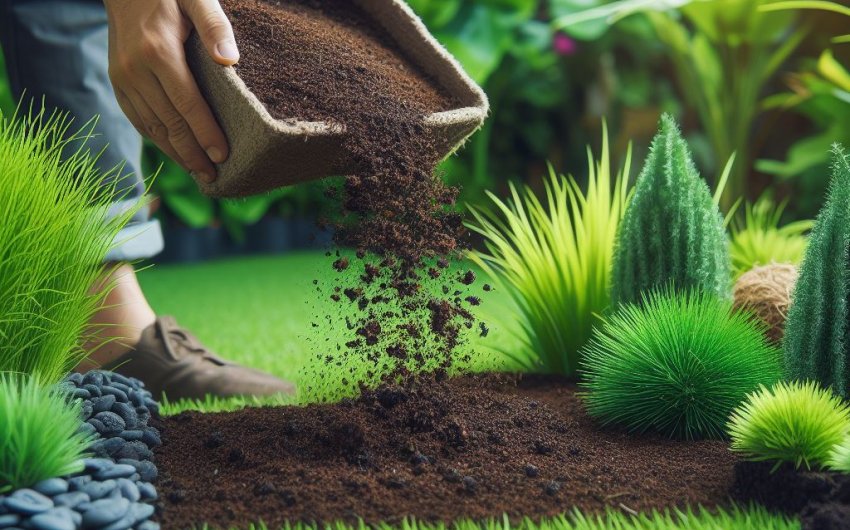
Achieving a vibrant, healthy lawn doesn't always require synthetic chemicals. Many natural materials can nourish your grass, helping it grow strong and green without the concerns associated with artificial products. Opting for organic methods not only benefits your lawn but also supports a healthier environment for your family, pets, and local wildlife. Let's explore some of the best natural options to give your lawn the nutrients it craves, helping it flourish with natural vitality.
What's the Big Deal About Natural Fertilizers?
You might hear a lot about natural or organic fertilizers these days. But what makes them different from the usual chemical stuff, and why should you consider using them for your lawn? It boils down to how they feed your grass and what they do for the soil beneath it.
How Do Natural Fertilizers Work?
Traditional chemical fertilizers often provide a quick burst of nutrients, like a shot of energy drinks for your grass. They're usually salts that dissolve fast and are immediately available to the plants. This can make your lawn look great quickly, but it might not be a long-term solution for soil health.
Natural fertilizers, on the other hand, are like a slow-release meal. They are made from once-living materials, like plants or animals. Instead of dissolving instantly, these materials need to be broken down by tiny living things in the soil, like bacteria and fungi. This process slowly releases nutrients over time. It’s a more gentle and steady way to feed your lawn. This method improves the soil structure, making it more airy and better at holding water and nutrients.
Why Choose Natural Over Chemical?
There are several good reasons to lean towards natural options for your lawn.
Better for Soil Health
Chemical fertilizers can sometimes hurt the helpful microorganisms in your soil over time. These tiny helpers are super important for breaking down stuff, cycling nutrients, and keeping the soil healthy. Natural fertilizers actually feed these microorganisms, making the soil a more vibrant and living place. A healthy soil means a healthy root system, which leads to stronger, more resilient grass.
Safer for Everyone
When you use natural fertilizers, you don't have to worry as much about harmful chemicals washing into storm drains and local water sources. This means less pollution in rivers and lakes. Also, they are generally safer for your kids and pets who might play on the lawn. You don't have to wait a certain number of hours or days before letting them back on the grass, which is often the case with chemical treatments. You can usually apply them and let everyone enjoy the yard.
Sustainable and Renewable
Many natural fertilizers use waste products from other industries, like farming or food processing. This helps reduce waste and makes use of resources that might otherwise be thrown away. It’s a more sustainable approach to lawn care, meaning it’s better for the planet in the long run.
Less Risk of "Burning" Your Lawn
Chemical fertilizers can sometimes "burn" your lawn if you apply too much or if the grass is stressed. This happens because the high concentration of salts can draw moisture out of the grass blades. Natural fertilizers are much gentler. Since they release nutrients slowly, the risk of over-fertilizing and damaging your lawn is greatly reduced.
Stronger, More Resilient Grass
Because natural fertilizers focus on building healthy soil, your grass develops a deeper, stronger root system. This makes your lawn more resistant to drought, diseases, and pests. It means less stress for your grass when conditions aren't perfect.
What Are the Key Nutrients Your Lawn Needs?
Just like us, plants need certain foods to grow strong and healthy. For grass, there are three main nutrients, often called macronutrients, that are super important. You’ll usually see these listed as N-P-K numbers on fertilizer bags.
Nitrogen (N) - For Green Growth
Nitrogen is the superstar nutrient for lush, green growth. It’s what helps your grass produce chlorophyll, the stuff that makes plants green and allows them to make their own food from sunlight. If your lawn looks pale or yellowish, it might be lacking nitrogen. Too much nitrogen, however, can make your grass grow too fast and make it weak, so balance is key.
Phosphorus (P) - For Root and Seed Growth
Phosphorus is crucial for strong root development, flowering, and seed production. For a lawn, this means it helps build a robust root system that can reach water and nutrients deep in the soil. It’s especially important for new lawns or when you’re overseeding.
Potassium (K) - For Overall Plant Health
Potassium (also called potash) is like a general health booster for your grass. It helps plants handle stress, like drought, disease, and cold weather. It strengthens the cell walls of the grass, making it more resilient. A lawn with enough potassium will be tougher and healthier overall.
Micronutrients and Organic Matter
Besides N-P-K, grass also needs smaller amounts of other nutrients, called micronutrients, like iron, zinc, and manganese. Natural fertilizers often provide a wider range of these micronutrients that chemical fertilizers might miss. Plus, they add organic matter to the soil. Organic matter is like the superfood for soil; it improves its structure, helps it hold water and nutrients, and encourages those beneficial microorganisms we talked about.
What Natural Fertilizers Can You Use?
There's a whole pantry of natural options to feed your lawn. Many of these might already be in your home or easy to get!
Compost
Compost is one of the best natural fertilizers you can use. It's simply decayed organic material, like food scraps, leaves, and yard trimmings, that has broken down into a rich, dark, crumbly substance. It's packed with a balanced mix of nutrients, including N-P-K, and a host of micronutrients.
How to Use It
Compost is fantastic for improving soil structure and adding organic matter. You can top-dress your lawn with compost. This means spreading a thin layer (about ¼ to ½ inch) evenly over your grass. You can do this by hand or use a compost spreader. After spreading, gently rake it in so it settles between the grass blades. It's best to do this when the grass is dry. Water it in well afterwards. Compost works slowly, feeding your lawn over time. You can apply compost once or twice a year, usually in spring and fall.
Benefits
Compost not only feeds your lawn but also improves drainage in clay soils and helps sandy soils hold more water. It introduces beneficial microorganisms, boosting overall soil health. Plus, making your own compost reduces waste!
Composted Manure
Composted manure comes from animals like cows, chickens, horses, or even worms (worm castings). It’s similar to compost but richer in certain nutrients. The key here is "composted" – fresh manure is too strong and can burn your lawn. Composting breaks it down and makes it safe to use.
How to Use It
Like regular compost, composted manure can be spread as a top-dressing over your lawn. A thin layer of ¼ inch is usually enough. Rake it in and water well. You can find bags of composted cow manure or chicken manure at garden centers.
Benefits
Composted manure is rich in nitrogen, which is great for greening up your lawn. It also adds a lot of organic matter and beneficial microbes. Different types of manure have slightly different nutrient profiles. For example, chicken manure tends to be higher in nitrogen.
Grass Clippings
This is probably the easiest and most overlooked natural fertilizer! When you mow your lawn, instead of bagging the clippings, leave them on the grass. This is called grasscycling.
How to Use It
Simply remove the bag from your lawnmower. Make sure your mower blades are sharp to get a clean cut. For best results, don't let your grass get too long between mows. If the clippings are too heavy and clumped, they can smother the grass. Aim to remove no more than one-third of the grass blade length at a time. This ensures the clippings are small and can easily fall between the grass blades.
Benefits
Grass clippings are mostly water, but they also contain about 4% nitrogen, 0.5% phosphorus, and 2% potassium. As they break down, they return these nutrients to your lawn, reducing the need for other fertilizers. They also add organic matter, improve soil moisture, and can help suppress weeds. It's basically free fertilizer!
Leaves
Like grass clippings, fallen leaves from trees are a fantastic source of organic matter and nutrients.
How to Use It
Instead of raking and bagging all your leaves, consider shredding them and leaving them on your lawn. You can use a lawnmower to chop them into small pieces. This is similar to grasscycling. If you have a lot of leaves, you might want to shred them and then add them to your compost pile to use later. A thick layer of whole leaves can smother your grass, so shredding them is important. Aim for a thin, even layer of shredded leaves.
Benefits
Shredded leaves add valuable carbon and other nutrients to your soil, improving its structure and feeding the soil microbes. They also help insulate the soil in winter and retain moisture.
Alfalfa Meal
Alfalfa meal is made from ground alfalfa plants, often used as animal feed. It's a popular choice for organic gardeners.
How to Use It
Alfalfa meal is a good source of nitrogen and also contains some phosphorus and potassium, along with other micronutrients. You can spread alfalfa meal over your lawn using a spreader at a rate of about 10-20 pounds per 1,000 square feet. It's best to apply it when the grass is dry, then water it in afterwards. The nutrients are released slowly as the meal breaks down.
Benefits
Alfalfa meal not only feeds your lawn but also acts as a soil conditioner, improving soil structure. It also contains a natural growth hormone that can stimulate healthy plant development.
Corn Gluten Meal
Corn gluten meal is a byproduct of corn processing. It's known for having a dual purpose for lawns.
How to Use It
Corn gluten meal works as both a natural fertilizer and a pre-emergent weed killer. This means it helps prevent weed seeds from sprouting. It's relatively high in nitrogen (around 10%), so it provides a good green-up for your lawn. Apply corn gluten meal in early spring (before weeds emerge) at a rate of about 20 pounds per 1,000 square feet. Water it in lightly after application.
Benefits
This is a fantastic option if you want to fertilize your lawn and get some natural weed control at the same time. Remember, it prevents seeds from sprouting, so don't use it if you plan to overseed your lawn right away.
Bone Meal
Bone meal is made from steamed and ground animal bones. It’s particularly rich in one key nutrient.
How to Use It
Bone meal is an excellent source of phosphorus (around 10-15%) and also provides calcium. It's slower to release its nutrients but provides a steady supply. It's especially useful for promoting strong root growth, so it's great for new lawns or when overseeding. You can apply bone meal by broadcasting it over the lawn, typically at a rate of 5-10 pounds per 1,000 square feet, and then watering it in well.
Benefits
Good for strong root development and overall plant vigor. Since it's high in phosphorus, it's great if your soil test shows a phosphorus deficiency.
Blood Meal
Blood meal is a byproduct from slaughterhouses. It’s a very quick-acting natural fertilizer.
How to Use It
Blood meal is very high in nitrogen (around 12-13%), making it excellent for quick greening of the lawn. Because it's potent, it should be used sparingly. Apply blood meal at a rate of 2-5 pounds per 1,000 square feet. Spread it evenly and water it in immediately to prevent odors and make sure it reaches the soil.
Benefits
Provides a fast nitrogen boost for lush, green growth. It can also act as a repellent for some pests like deer.
Fish Emulsion
Fish emulsion is a liquid fertilizer made from fish parts. It's a popular choice for all kinds of plants, including lawns.
How to Use It
Fish emulsion is a good all-around fertilizer, usually with an N-P-K ratio around 5-1-1 or similar. It provides a quick burst of nutrients. You'll need to dilute it with water according to the package directions (often 1-2 tablespoons per gallon of water) and apply it using a sprayer or watering can. Apply to your lawn every 2-4 weeks during the growing season.
Benefits
Provides a rapid nutrient boost and feeds beneficial soil microbes. It's easy to apply in liquid form. Be aware that it can have a strong, fishy smell that usually disappears after a day or two.
Liquid Seaweed/Kelp Meal
Liquid seaweed or kelp meal is derived from ocean plants. It's not primarily for N-P-K but provides a wealth of other benefits.
How to Use It
Liquid seaweed is packed with micronutrients, hormones, and enzymes that boost plant health and stress tolerance. It can be diluted and sprayed onto your lawn. Liquid kelp fertilizer is often used as a soil drench or a foliar spray (sprayed directly on the grass blades). Kelp meal is a granular form that can be spread like other dry fertilizers.
Benefits
While not a primary source of N-P-K, seaweed and kelp improve overall plant vigor, drought resistance, and nutrient uptake. It's like a vitamin shot for your lawn.
Epsom Salts (Magnesium Sulfate)
While not a true "fertilizer" in the N-P-K sense, Epsom salts provide two important minerals.
How to Use It
Epsom salts are magnesium sulfate. They supply magnesium and sulfur, which are vital for healthy plant growth, particularly for chlorophyll production. If your lawn looks dull green or has yellowing between veins, it might be magnesium deficient. You can dissolve Epsom salts in water (about 1 cup per 5 gallons) and spray it on your lawn, or spread the dry granules (about 1 pound per 300 square feet) and water it in.
Benefits
Boosts green color and aids in photosynthesis. Best used if a soil test shows a magnesium deficiency.
How to Apply Natural Fertilizers for Best Results?
Applying natural fertilizers effectively means understanding a few simple techniques.
Soil Testing is Key
Before you apply any fertilizer, natural or otherwise, consider doing a soil test. This is the best way to know exactly what nutrients your lawn is missing. You can get a soil test kit from garden centers, or send a sample to your local extension office. This takes the guesswork out of fertilizing and helps you choose the best natural products for your specific lawn.
When to Apply
The best time to fertilize your lawn depends on your grass type.
Cool-Season Grasses
If you have cool-season grasses like Kentucky Bluegrass, Fescue, or Ryegrass, the best times to fertilize are in the fall (September-November) and early spring (March-April). A light feeding in late spring might also be beneficial. Fall is often considered the most important time for cool-season grasses, as it helps them store energy for winter and encourages strong root growth.
Warm-Season Grasses
For warm-season grasses like Bermuda, Zoysia, St. Augustine, or Centipede, the prime fertilizing period is in the late spring (April-May) through summer (June-August) when they are actively growing. Avoid fertilizing warm-season grasses in the fall, as this can stimulate new growth that is easily damaged by winter cold.
How Much to Apply
Always follow the package directions for any specific natural fertilizer you buy. For homemade options like compost or shredded leaves, aim for a thin, even layer. Over-applying, even with natural fertilizers, isn't beneficial and can sometimes lead to issues.
Spreading Techniques
For granular natural fertilizers (like alfalfa meal, bone meal, or blood meal), a spreader makes application easy and even. A broadcast spreader is good for large areas, while a drop spreader offers more precision. For top-dressing with compost, you can use a shovel and rake, or a compost spreader for larger lawns. For liquid fertilizers, use a garden sprayer that attaches to your hose or a pump sprayer.
Watering After Application
It’s generally a good idea to water your lawn after applying dry natural fertilizers. This helps wash the product off the grass blades and down into the soil where the nutrients can begin to break down and become available to the roots. It also helps prevent any odor from some of the animal-based products.
Mowing Practices
Remember the power of grasscycling! Leaving grass clippings on your lawn every time you mow is a continuous, gentle way to fertilize. Mow regularly and ensure your mower blades are sharp for a clean cut.
Aeration
Occasionally, your lawn soil can become compacted, making it hard for nutrients, water, and air to reach the roots. Aeration (making small holes in the lawn) can help. You can rent an aerator or hire a service. After aerating, it's an excellent time to apply compost or other granular natural fertilizers, as they can more easily penetrate the soil.
Integrated Approach
A truly lush lawn comes from an integrated approach that includes not just fertilizing, but also proper mowing, watering, and pest management. Natural fertilizers are a fantastic piece of this puzzle, but they work best when combined with other good lawn care practices. For instance, watering deeply and infrequently encourages deeper root growth, which allows your grass to better utilize the nutrients you provide.
Using natural fertilizers for your lawn is a commitment to creating a healthier, more vibrant outdoor space. It’s a process that builds soil health over time, leading to a resilient, beautiful lawn that you can feel good about. While it might require a bit more patience than quick-fix chemical solutions, the long-term benefits for your lawn, your family, and the environment are truly worth it.