
When is the best time to aerate my lawn?
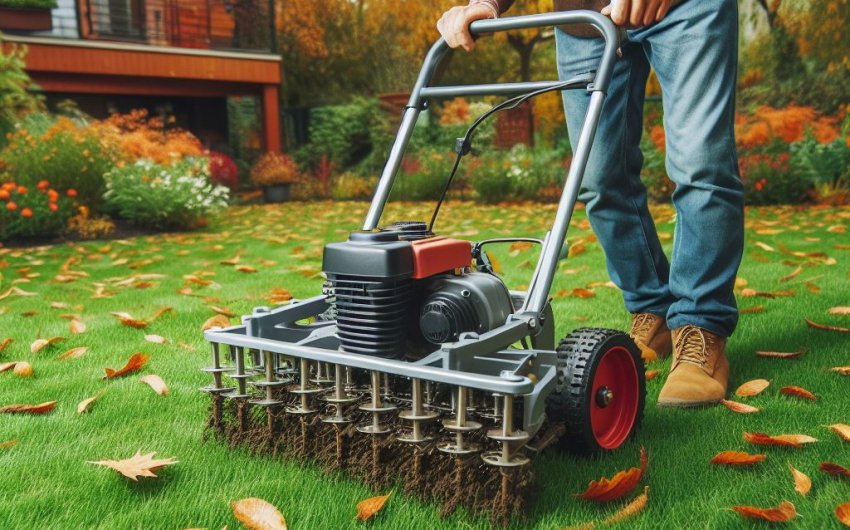
A lush, green lawn is a homeowner's pride, but sometimes, even with regular watering and feeding, your grass just doesn't seem to thrive. It might look thin, struggle with drainage, or feel unusually hard underfoot. These are often signs that your lawn could benefit from aeration. This vital lawn care practice, though often overlooked, can dramatically improve the health and appearance of your turf. It helps the grass breathe, drink, and eat more effectively.
But knowing when is the best time to aerate my lawn is crucial. Aerating at the wrong time can actually stress your grass and do more harm than good. The ideal timing depends primarily on the type of grass you have and your local climate. This guide will walk you through the importance of aeration, how to determine if your lawn needs it, and pinpoint the perfect windows for this essential task, ensuring your lawn gets the most benefit from every effort you put in.
Why Should I Aerate My Lawn? What Are the Benefits?
Aeration is more than just poking holes in your lawn; it's a fundamental practice that promotes deeper root growth and overall turf vitality.
What is Soil Compaction and Why Is It Bad for My Lawn?
Soil compaction happens when soil particles are pressed tightly together. This reduces the tiny spaces (pores) in the soil that normally hold air and water. Think of healthy soil as a sponge with lots of tiny holes. When it's compacted, it becomes dense like a brick.
- Root Suffocation: Grass roots need oxygen to breathe and absorb nutrients. In compacted soil, air pockets disappear, and roots effectively "suffocate."
- Poor Water Penetration: Water struggles to soak into compacted soil, leading to runoff and wasted water. The grass doesn't get enough to drink.
- Nutrient Lock-up: Even if you fertilize, compacted soil prevents nutrients from reaching the roots.
- Weak Growth: All these factors lead to weak, shallow-rooted grass that is more prone to disease, pests, and stress from drought or heat.
How Does Aeration Help My Lawn?
Aeration is the process of creating small holes or removing small plugs of soil from your lawn. This immediately addresses compaction and offers several significant benefits:
- Improved Air Circulation: Creates pathways for oxygen to reach the grass roots, allowing them to breathe.
- Better Water Penetration: Water can now soak deeply into the soil, reaching the root zone and reducing runoff. This means your watering efforts are much more effective.
- Enhanced Nutrient Uptake: Fertilizers and other soil amendments can penetrate deeper, becoming more accessible to the roots.
- Stronger Root Growth: With easier access to oxygen, water, and nutrients, roots grow deeper and stronger, making the grass more resilient to drought and environmental stress.
- Reduced Thatch Build-up: Aeration helps break down the thatch layer (a layer of dead and living organic matter that builds up between the grass blades and the soil surface). A thick thatch layer can block water and nutrients and harbor pests/diseases.
- Better Seed Germination: When you aerate before overseeding (spreading new grass seed), the seeds fall into the holes created by aeration. This provides excellent seed-to-soil contact, which is crucial for successful germination and new grass growth.
In essence, aeration makes your soil a healthier place for your grass to grow, leading to a thicker, greener, and more resilient lawn.
How Do I Know if My Lawn Needs Aeration?
Not every lawn needs aeration every year. Look for these signs to determine if it's time to aerate.
The Screwdriver Test
This is a simple, effective way to check for compaction.
- How to do it: Wait until your lawn has been recently watered or after a rain (soil should be moist, not soggy). Take a regular screwdriver and try to push it into the lawn.
- What it tells you:
- If you can easily push the screwdriver 4-6 inches into the soil with little resistance, your soil compaction is likely low, and aeration might not be needed this year.
- If it's difficult to push the screwdriver in more than 2-3 inches, your soil is likely compacted and could benefit from aeration.
Visual Clues
Your lawn itself will often tell you it's struggling due to compaction.
- Thinning or Patchy Grass: Compacted areas often have weak, sparse grass growth.
- Stunted Growth: Even with proper watering and fertilizing, the grass might not grow as vigorously as it should.
- Water Pooling: If puddles form on your lawn after a light rain and remain for several hours, it's a strong sign of poor drainage due to compaction.
- Spongy Feel (Excess Thatch): If your lawn feels excessively spongy when you walk on it, it might have a thick thatch layer (more than 1/2 inch) that aeration can help break down.
- Heavy Use Areas: Lawns with high foot traffic, children's play areas, or where vehicles are parked frequently are highly susceptible to compaction.
- Construction: If your home was recently built or underwent significant landscaping work, the soil has likely been compacted by heavy machinery.
Soil Type
- Clay Soils: Lawns on heavy clay soils are naturally more prone to compaction and often benefit from annual aeration.
- Sandy Soils: Lawns on very sandy soils drain quickly and are less prone to compaction, so they may need aeration less often, perhaps every few years.
If you observe several of these signs, it's a good indication that your lawn is ready for aeration.
When Is the Best Time to Aerate My Lawn by Grass Type?
The "best time" for aeration depends on your type of grass, specifically when it is actively growing and can quickly recover from the process.
Aerating Cool-Season Grasses
Cool-season grasses are varieties like Kentucky bluegrass, tall fescue, fine fescue, and perennial ryegrass. They thrive in cooler temperatures (60-75°F or 15-24°C) and are common in northern climates, transition zones, and some elevated southern regions.
- Best Time: Early Fall (Late August to October)
- This is the ideal window. Temperatures are starting to cool down, but the soil is still warm enough for active root growth.
- Aerating in fall gives the grass plenty of time to recover before winter sets in.
- It's also the perfect time to overseed after aeration, as the new grass seedlings will benefit from the improved soil contact and have time to establish before spring weeds emerge.
- Second Best Time: Early Spring (March to May)
- If you missed the fall window, early spring can also work, before summer heat stresses the grass.
- However, aerating in spring can sometimes bring up dormant weed seeds, and you might compete with aggressive spring weeds as your grass recovers.
- Avoid: Never aerate cool-season grasses in the heat of summer. The stress of aeration combined with high temperatures can severely damage the grass.
Aerating Warm-Season Grasses
Warm-season grasses are varieties like Bermuda grass, zoysia grass, St. Augustine grass, centipede grass, and Bahia grass. They thrive in warmer temperatures (75-90°F or 24-32°C) and are common in southern climates.
- Best Time: Late Spring to Early Summer (May to July)
- This is the ideal time, as warm-season grasses are actively growing and spreading rapidly.
- They will quickly recover from the aeration process.
- The warm soil and active growth allow for rapid repair of the turf.
- Avoid: Never aerate warm-season grasses in late fall or winter. This is their dormant period, and aerating would leave them exposed and unable to recover, causing significant damage.
Aerating Mixed Lawns
If your lawn is a mix of cool-season and warm-season grasses (common in transition zones), it can be tricky.
- Focus on the Dominant Grass: Try to time aeration for when the dominant grass type is actively growing.
- Consider Twice: Some people in transition zones might choose to aerate lightly twice a year: once in early fall for cool-season components and once in late spring for warm-season components. However, this depends on the specific blend and the severity of compaction.
Always check your local climate and extension office recommendations, as specific timing can vary by region.
What Tools Can I Use for Lawn Aeration?
There are several types of aerators available, ranging from simple hand tools to heavy machinery.
Spike Aerators
- How they work: These tools have solid spikes that poke holes in the ground. They can be hand-held (like aerator sandals or a rolling aerator) or attachments for mowers.
- Pros: Easy to use for small areas, relatively inexpensive.
- Cons: They don't remove soil; instead, they push soil particles aside, which can actually increase compaction around the holes. Not as effective for severely compacted soil.
- Tools: Lawn aerator shoes or a hand push lawn aerator.
Core Aerators (Plug Aerators)
- How they work: These machines (or manual tools) have hollow tines that pull out small plugs or "cores" of soil and deposit them on the lawn surface.
- Pros: By removing soil, they truly alleviate compaction and create channels for air, water, and nutrients. Much more effective than spike aerators, especially for heavy compaction.
- Cons: Can be expensive to buy (though rentals are common), requires more effort or professional help.
- Tools:
- Manual Core Aerator: A foot-powered tool for small areas or spot treatments. A manual core aerator works for targeted spots.
- Walk-Behind Aerator: A gas-powered machine (looks like a lawnmower) that you walk behind. These are often available for rent at equipment rental stores.
- Tow-Behind Aerator: Attaches to a riding lawnmower or ATV for larger properties.
Recommendation: For significant compaction or larger lawns, a core aerator is always the better choice. The small soil plugs left on the lawn will break down naturally over a few weeks, returning nutrients to the soil.
What Are Important Steps Before and After Aeration?
Proper preparation and follow-up care will maximize the benefits of aeration.
Before Aerating
- Mark Sprinkler Heads/Utilities: Before you start, clearly mark any sprinkler heads, buried dog fences, or other underground utility lines to avoid damaging them.
- Mow Your Lawn: Mow your lawn to its normal height a day or two before aerating. Shorter grass allows the aerator tines to penetrate the soil more easily.
- Water Your Lawn: The soil should be moist, not bone-dry or soaking wet. Water your lawn thoroughly a day or two before aerating. This makes it easier for the aerator to penetrate the soil and pull out clean plugs.
After Aerating
- Leave the Plugs: The small soil plugs left on your lawn are beneficial. They contain soil microbes and nutrients. Let them dry out and naturally break down (you can speed this up by lightly raking them or running a mower over them). They will return organic matter to the soil.
- Water Your Lawn: Water your lawn immediately after aeration. The open holes allow water to penetrate deeply, providing a much-needed drink to your roots.
- Overseed (Optional but Recommended): This is the ideal time to overseed your lawn. The aerator holes provide excellent seed-to-soil contact, which is crucial for germination. Choose a grass seed variety suitable for your climate. A good lawn seed spreader will help with even distribution.
- Fertilize: After overseeding (or if you're not overseeding), apply a lawn fertilizer. Nutrients will now reach the roots more easily. If overseeding, use a "starter" fertilizer that is higher in phosphorus to help new seedlings establish. A lawn starter fertilizer is designed for this.
- Continue Proper Care: Maintain consistent watering and mowing practices to help the grass recover and grow stronger.
How Often Should I Aerate My Lawn?
The frequency of aeration depends on your lawn's specific needs and conditions.
- Heavily Used Lawns: Lawns with heavy foot traffic, clay soils, or frequent equipment use may benefit from annual aeration.
- Moderately Used Lawns: Most residential lawns in decent condition might only need aeration every 2-3 years.
- Sandy Soils/Minimal Compaction: Lawns on very sandy soils or those that show no signs of compaction may need aeration less frequently, perhaps every 3-5 years or only when problems arise.
Always perform the screwdriver test and look for visual clues to guide your decision. Don't aerate just for the sake of it if your lawn doesn't show signs of compaction.
Understanding when is the best time to aerate my lawn and applying the proper techniques can make a significant difference in the long-term health and beauty of your turf. By alleviating compaction and improving soil conditions, you'll be giving your grass the best possible environment to thrive, resulting in a greener, thicker, and more resilient lawn that you can enjoy for years to come.