
How do I repair patches in my lawn?
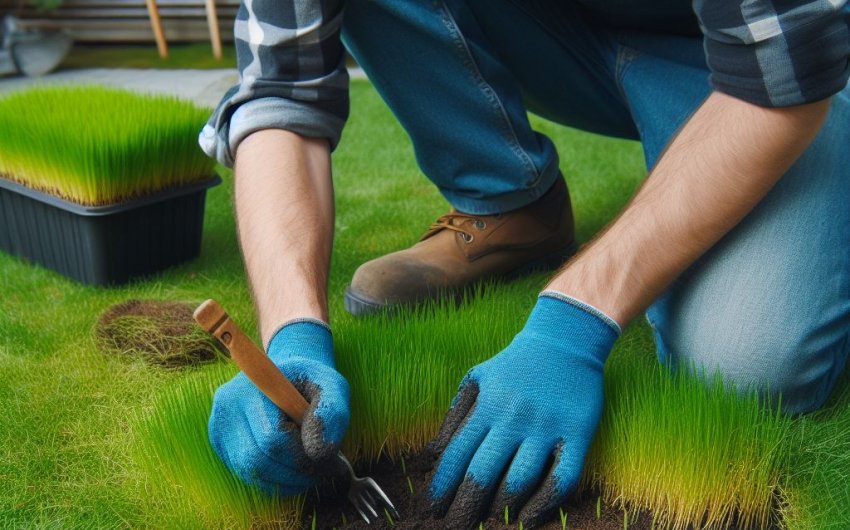
You step out onto your lawn, hoping to see a uniform carpet of green, but instead, your eyes land on an unwelcome sight: bare spots, thin areas, or patches of dead grass. These unsightly gaps can mar the beauty of an otherwise healthy lawn, making it look neglected or uneven. Whether caused by pet urine, heavy foot traffic, disease, or just general wear and tear, these patches are a common challenge for homeowners.
The good news is that repairing patches in your lawn is a very achievable DIY project. You don't need to be a lawn care expert to bring those bare spots back to life. With a little understanding of why the patches formed and a few straightforward steps, you can restore your lawn to its lush, even glory. It's about giving your grass the best chance to grow back strong and healthy.
Why Do Patches Appear in Lawns?
Before you can effectively repair a patch in your lawn, it's crucial to understand why it appeared in the first place. Addressing the root cause will prevent the same problem from recurring, saving you time and effort in the long run. Different causes require slightly different approaches to treatment and prevention.
Think of your lawn as a living thing; when it gets sick or stressed, it shows symptoms like bare spots. Uncovering the reason behind those patches is the first step toward a lasting solution.
Pet Urine Damage
One of the most common and frustrating causes of lawn patches is pet urine damage, especially from dogs. You'll recognize these spots by their distinct appearance: a brown, dead center surrounded by a ring of unusually dark green, sometimes thicker grass.
- Why it Happens: Dog urine is very high in nitrogen salts. In small, diluted amounts, nitrogen is a fantastic fertilizer. However, when concentrated, like in a dog's urine stream, it acts like an overdose, essentially burning the grass roots and killing the grass in the center of the spot. The surrounding dark green ring is where the nitrogen has spread and diluted to a beneficial level, acting as a potent fertilizer.
- Factors Affecting Severity:
- Dog Size and Sex: Larger dogs produce more urine. Female dogs often empty their bladder in one spot, leading to more concentrated damage, whereas male dogs tend to mark in smaller amounts in many places.
- Grass Type: Some grass types are more tolerant of nitrogen than others.
- Watering Habits: If the area is well-watered, the urine can be diluted more quickly, reducing damage.
- Prevention:
- Dilution: Immediately douse the spot with a generous amount of water (e.g., from a watering can or hose) after your dog urinates. This dilutes the nitrogen before it can burn the grass.
- Designated Potty Area: Train your dog to use a specific, non-lawn area for urination.
- Dog Rocks/Supplements: Some pet owners use products like Dog Rocks in their dog's water, or specific dog foods/supplements designed to alter urine composition, though their effectiveness varies.
Repairing pet urine damage often involves removing the dead grass and reseeding, ensuring the underlying soil is neutralized or leached of excess salts before planting new grass.
Foot Traffic and Compaction
Heavy foot traffic is another significant cause of lawn patches, especially in high-activity areas like paths to sheds, play areas, or frequently used shortcuts across the lawn. This problem is often linked to soil compaction.
- Why it Happens:
- Physical Wear and Tear: Constant walking, playing, or driving over the same spots wears down the grass blades, eventually killing the grass plants themselves.
- Soil Compaction: More importantly, repeated pressure from foot traffic (or vehicles) presses the soil particles closer together. This reduces the pore space (tiny air pockets) in the soil that grass roots need for oxygen and water absorption.
- Root Suffocation: When soil is compacted, roots essentially suffocate due to lack of oxygen. They also struggle to penetrate the hard soil to find water and nutrients. This leads to stunted growth, weakened grass, and eventually, dead patches.
- Appearance: These patches often appear as worn-down pathways, bald spots in play areas, or areas where the grass simply looks thin and unhealthy.
- Prevention:
- Create Pathways: If an area receives constant traffic, consider installing a formal path with stepping stones, gravel, or pavers to direct traffic away from the grass.
- Aerate Regularly: For compacted areas, regular aeration (using a lawn aerator tool or machine) helps break up the soil and restore air pockets.
- Divert Traffic: Use temporary fencing or garden decor to discourage people from cutting across sensitive lawn areas.
- Choose Durable Grass: In areas prone to high traffic, consider planting more drought-tolerant and traffic-tolerant grass varieties (like certain fescues or tough ryegrasses).
Repairing patches from foot traffic almost always involves addressing soil compaction through aeration and adding organic matter before reseeding.
Lawn Diseases
Lawn diseases are often caused by fungi and can result in various types of patches in your lawn. These diseases thrive in specific environmental conditions, often linked to moisture, temperature, or nutrient imbalances.
- Common Signs: Disease patches can appear in various shapes and sizes:
- Brown Patch: Circular brown areas that can expand rapidly, often with a darker ring on the outer edge, common in hot, humid weather.
- Dollar Spot: Small, circular, straw-colored spots (the size of a silver dollar) that can merge to form larger irregular patches. You might see cobweb-like fungal growth in early morning dew.
- Red Thread: Irregular reddish-brown patches that, upon closer inspection, reveal tiny, red, thread-like fungal structures on the grass blades.
- Rust: Orange or yellowish powdery spores on grass blades that can rub off onto shoes or clothes.
- Contributing Factors:
- Excess Moisture: Prolonged leaf wetness from overwatering, poor drainage, or heavy dew.
- High Humidity: Warm, humid conditions create ideal environments for many fungi.
- Poor Air Circulation: Dense grass or too many trees/shrubs blocking airflow.
- Nutrient Imbalance: Too much or too little nitrogen can make grass more susceptible to certain diseases.
- Mowing Practices: Mowing too short or with dull blades can stress grass.
- Prevention and Treatment:
- Water Correctly: Water deeply and infrequently, in the early morning to allow grass to dry.
- Improve Drainage and Airflow: Aerate compacted soil, reduce thatch, and prune nearby shrubs for better air circulation.
- Proper Fertilization: Follow a balanced fertilization schedule for your grass type.
- Fungicides (last resort): For severe or recurring disease, an organic or chemical fungicide may be needed, but always try cultural methods first. A garden fungicide spray should be used carefully.
Identifying the specific lawn disease (if possible) helps in choosing the right cultural practices or treatment to prevent its return after you repair the patches.
Insect Pests
Certain insect pests can cause significant damage to lawns, resulting in brown, dead patches. These pests feed on different parts of the grass plant, from roots to blades.
- Common Lawn Pests:
- Grubs: These are the larvae of various beetles (like Japanese beetles or June bugs). They live in the soil and feed on grass roots.
- Signs: Irregularly shaped brown patches that often feel spongy underfoot. The grass can sometimes be easily pulled back like a rug because the roots are eaten away. You might also see increased bird or animal activity (skunks, raccoons) digging for them.
- How to check: Dig up a small square of affected turf and look for C-shaped white grubs.
- Chinch Bugs: Tiny insects that suck juices from grass blades, injecting a toxin that kills the grass.
- Signs: Irregularly shaped, yellowing, then browning patches that expand, often in hot, dry areas of the lawn. They are very small and hard to see.
- Sod Webworms: Larvae of certain moths that feed on grass blades near the soil surface.
- Signs: Small, irregular brown patches, often with webbing visible in the grass.
- Grubs: These are the larvae of various beetles (like Japanese beetles or June bugs). They live in the soil and feed on grass roots.
- Contributing Factors: Pest infestations can be worse in stressed lawns (e.g., from drought or poor fertilization).
- Prevention and Treatment:
- Healthy Lawn: A strong, healthy lawn is more resistant to pest damage.
- Proper Watering and Mowing: Reduces stress on grass.
- Beneficial Nematodes: For grubs, beneficial nematodes (microscopic roundworms that prey on pests) are an eco-friendly and effective organic control. You can buy grub control nematodes online.
- Insecticides (last resort): For severe infestations, a targeted lawn insecticide may be necessary, but always identify the pest first and choose the least toxic option.
Identifying the specific insect pest is crucial for effective treatment. Once the pest is controlled, you can proceed with repairing the damaged patches.
Drought or Underwatering
One of the simplest yet most widespread reasons for lawn patches is a lack of water, whether due to a drought or consistent underwatering. Grass needs consistent moisture to thrive.
- Why it Happens:
- Water Scarcity: When grass doesn't receive enough water, its cells begin to dehydrate, leading to wilting, yellowing, and eventually, the death of the grass blades and roots.
- Stressed Grass: Prolonged dryness stresses the grass, making it more vulnerable to diseases and pests.
- Shallow Watering: Frequent, shallow watering encourages grass roots to stay near the surface. When conditions get dry, these shallow roots quickly lose access to moisture, leading to rapid browning.
- Appearance: Drought patches are often irregularly shaped, widespread, and appear as dull green, then straw-colored or brown grass. The grass feels crunchy underfoot.
- Prevention:
- Water Deeply and Infrequently: This encourages grass roots to grow deeper into the soil, where they can access more moisture, making the grass more drought-tolerant. Aim for 1 inch of water per week (either from rain or irrigation), applied in one or two sessions, rather than daily sprinkles.
- Monitor Rainfall: Use a rain gauge to track natural precipitation.
- Amend Soil: Incorporate organic matter (like compost) into your soil. It acts like a sponge, improving the soil's ability to retain moisture.
- Mow Higher: Taller grass blades provide shade for the soil, reducing water evaporation.
- Treatment: For existing drought patches, deep and consistent watering (once water restrictions are lifted, if applicable) can sometimes revive dormant grass, but severely dead areas will need to be reseeded.
Understanding your lawn's water needs and adapting your watering schedule to weather conditions is paramount to preventing drought-induced patches.
How to Prepare a Patch for Repair?
Once you've identified the cause of your lawn patch and addressed it (e.g., treated a disease, controlled pests, stopped overwatering), the next crucial step is to properly prepare the area for repair. This foundational work is essential for the success of your new grass. Skipping these steps can lead to poor germination and the patch reappearing.
Preparation involves clearing out the dead stuff, loosening the soil, and ensuring a healthy base for new grass to take root.
Remove Dead Grass and Debris
Before you can plant new grass, you need to clear out the old. Removing dead grass and debris is essential for giving new grass seeds or sod a clean slate to grow in.
- Why it's Important:
- Competition: Dead grass can still compete with new seedlings for space, water, and nutrients.
- Disease/Pest Harbor: If the original problem was disease or pests, old dead grass can harbor lingering spores or eggs.
- Poor Seed-to-Soil Contact: Seeds need direct contact with soil to germinate. A layer of dead grass or thatch will prevent this.
- Obstruction: Debris can simply get in the way of proper planting.
- How to Do It:
- Rake Vigorously: Use a sturdy garden rake or a thatch rake to vigorously rake the affected area. Scrape away all dead grass blades, thatch (the layer of dead and living organic matter between the soil surface and the green grass blades), and any other debris like leaves or twigs.
- Loosen Surface: Don't just remove the top layer; try to lightly scratch and loosen the top inch or so of the soil surface while you're raking.
- Dispose Properly: Collect all the removed material and dispose of it. If the patch was due to disease or a severe pest infestation, it's best not to compost the removed material, especially if your compost pile doesn't reach high temperatures, as you might spread the problem.
A clean, clear surface is the ideal starting point for a successful lawn repair.
Loosen the Soil
After removing the dead stuff, the next vital step is to loosen the soil in the patch. This is particularly important if the patch was caused by soil compaction from foot traffic. Even if not, loose soil is always better for new grass.
- Why it's Important:
- Root Penetration: New grass seeds need a soft, loose bed to sprout and for their delicate young roots to penetrate and establish deeply. Compacted soil is too hard for them.
- Water and Nutrient Absorption: Loose soil allows for better infiltration of water and air (essential for root respiration) and easier absorption of nutrients.
- Improved Drainage: Breaking up compacted soil improves drainage, which helps prevent future root rot issues for your new grass.
- How to Do It:
- Small Patches: For small patches, use a hand trowel or a garden fork to break up the top 2-4 inches of soil.
- Larger Patches/Compaction: For larger areas or areas with significant compaction (like pathways), you might need a full-sized garden fork or even a manual lawn aerator to loosen the soil to a depth of 4-6 inches.
- Break Up Clumps: As you loosen, break up any large clumps of soil to create a fine, crumbly texture.
- Add Amendments (Optional but Recommended): This is a great time to mix in a thin layer (1-2 inches) of compost or a good quality topsoil. This adds organic matter, which further improves soil structure, drainage, and provides nutrients for your new grass. A bag of organic garden compost is always a good investment.
Taking the time to properly loosen the soil will significantly increase the success rate of your lawn repair efforts.
Level the Area
After loosening the soil and adding any amendments, the patch might look uneven. Leveling the area is important for aesthetic reasons and for ensuring even germination and growth of your new grass.
- Why it's Important:
- Even Water Distribution: If the area is bumpy or has low spots, water will pool in those depressions, leading to uneven germination and potentially soggy spots that can cause root rot for new seedlings. High spots will dry out too quickly.
- Uniform Appearance: A level surface ensures that your newly repaired patch will blend seamlessly with the rest of your lawn, creating that desired uniform look.
- Easier Mowing: An even surface is also easier and safer to mow.
- How to Do It:
- Spread and Smooth: Use the back of your garden rake or a flat board to gently spread the loosened soil and any added compost or topsoil evenly across the patch.
- Fill Low Spots: If there are noticeable depressions, carefully add more soil mixture to fill them.
- Scrape Down High Spots: If there are high spots, gently scrape away excess soil to achieve a consistent level.
- Match Surrounding Grade: Aim to make the repaired area level with the surrounding healthy lawn, or just slightly below if you plan to add a layer of grass seed and then topsoil.
- Tamp Lightly (Optional): For very small patches, you can gently tamp down the leveled soil with the back of a shovel or your foot to create a firm, yet still loose, seedbed. Avoid heavy compaction.
A smoothly leveled area provides the perfect foundation for your new grass seeds or sod to establish evenly and blend beautifully with your existing lawn.
What Are the Best Methods for Patch Repair?
Once your lawn patch is prepped, you have a few excellent options for bringing it back to life. The best method depends on the size of the patch, your budget, and how quickly you need results. Each method has its own benefits and steps, but all aim to create a strong, new stand of grass.
Whether you're sprinkling seeds or rolling out instant green, choosing the right repair method is key to a successful comeback for your lawn.
Overseeding Small Patches
Overseeding is the most common and often easiest method for repairing small patches in your lawn. It involves sprinkling grass seed directly onto the prepared bare soil.
- When to Use It: Ideal for patches up to a few square feet in size. It's also great for thinning areas where the grass isn't completely gone but needs a boost.
- Pros:
- Cost-Effective: Generally the least expensive method.
- Easy to Do: Requires minimal tools and expertise.
- Blends Well: When done correctly, the new grass will blend seamlessly with the existing lawn.
- Cons:
- Takes Time: Germination and establishment take several weeks to months.
- Requires Consistent Watering: New seeds need constant moisture to sprout.
- Vulnerable to Pests/Elements: Seeds can be washed away by rain, eaten by birds, or suffer in extreme temperatures.
- How to Do It:
- Prepare the Patch: Follow the steps in the "How to Prepare a Patch for Repair" section (remove dead grass, loosen soil, level).
- Choose the Right Seed: Select grass seed that matches your existing lawn type (e.g., Kentucky bluegrass seed, fescue grass seed, ryegrass seed) or is suitable for your climate and sun conditions.
- Spread Seed: Sprinkle the grass seed evenly over the prepared area. Read the seed package for recommended application rates. It's often better to apply a bit more generously than sparsely for small patches.
- Lightly Rake In: Gently rake the seeds into the top 1/4 inch of soil. This helps ensure good seed-to-soil contact and protects seeds from washing away or being eaten.
- Cover with Top Dressing (Optional but Recommended): Apply a very thin layer (1/8 to 1/4 inch) of seed starting mix, compost, or peat moss over the seeds. This helps retain moisture, protects seeds, and prevents them from drying out. A small bag of seed starter soil works well.
- Water Gently: Water the area very lightly and frequently (2-3 times a day for short periods) to keep the seeds consistently moist until they germinate and are established. Use a gentle spray nozzle.
Overseeding is ideal for minor repairs and an easy way to thicken up a thinning lawn.
Using a Patch Repair Mix
A patch repair mix is a convenient all-in-one product designed specifically for fixing lawn patches. It typically combines grass seed, a small amount of seed starting fertilizer, and a moisture-retaining material like coir or recycled paper pellets.
- When to Use It: Perfect for quick fixes on small to medium-sized patches when you want simplicity and don't want to buy separate components.
- Pros:
- Convenient: Everything you need is in one bag.
- Easy Application: Simple to spread directly from the bag.
- Improved Germination: The moisture-retaining material helps keep seeds consistently moist, aiding germination.
- Cons:
- More Expensive: Can be pricier per square foot than buying separate seed and soil amendments.
- Limited Customization: You can't choose a specific grass seed blend or amend the soil as precisely.
- How to Do It:
- Prepare the Patch: Follow the steps in the "How to Prepare a Patch for Repair" section (remove dead grass, loosen soil, level).
- Spread Mix: Shake the bag and spread the patch repair mix evenly over the prepared bare spot according to the package directions.
- Lightly Rake/Smooth: Gently rake or smooth the mix to ensure even distribution and good contact with the underlying soil.
- Water Gently and Consistently: Water very lightly and frequently to keep the area continuously moist until the grass germinates and is established. The moisture-retaining component will help, but consistent watering is still key.
Patch repair mixes like Scotts EZ Seed offer a quick and easy solution for minor lawn patches, especially for those who prefer a less hands-on approach.
Laying Sod for Large Patches
For larger patches, or if you need immediate results, laying sod is the fastest way to repair your lawn. Sod consists of rolls of pre-grown grass, including the roots, held together by a thin layer of soil.
- When to Use It: Ideal for patches that are several square feet or larger, or when you need instant green results (e.g., before an event).
- Pros:
- Instant Green: Provides an immediate, mature-looking lawn.
- Faster Establishment: Sod is already rooted, so it establishes much faster than seed.
- Less Vulnerable: Less prone to washouts or bird damage than seed.
- Cons:
- Most Expensive: Significantly pricier than seeding.
- More Labor-Intensive: Requires more physical effort for preparation and installation.
- Requires Immediate Laying: Sod is perishable and must be laid almost immediately after delivery.
- How to Do It:
- Prepare the Patch: Follow the steps in the "How to Prepare a Patch for Repair" section, but ensure the soil is loosened to a depth of at least 4-6 inches and well-leveled. The prepared bed should be slightly below the level of the surrounding lawn to account for the thickness of the sod.
- Measure and Order Sod: Measure the area precisely and order sod rolls from a local nursery or sod farm.
- Lay Sod: Start laying the sod rolls edge-to-edge, pressing them firmly against each other. Avoid overlapping. Stagger seams like bricks.
- Cut to Fit: Use a sharp utility knife or sod cutter to cut the sod to fit the shape of the patch.
- Roll or Tamp: Lightly roll the newly laid sod with a lawn roller or walk on it firmly to ensure good contact between the sod's roots and the new soil.
- Water Heavily: Water sod immediately and thoroughly after laying, making sure the soil underneath is saturated. Continue to water heavily every day (or even twice a day in hot weather) for the first 1-2 weeks to encourage rooting. Lift a corner of the sod to ensure the soil beneath is wet.
Laying sod offers instant gratification and is a robust solution for significant lawn patches, providing quick and beautiful results.
Plugging for Warm-Season Grasses
Plugging is a less common but effective method primarily used for repairing patches in warm-season grasses (like Zoysia, Bermuda, St. Augustine, or Centipede). These grasses spread aggressively through stolons (above-ground runners) and rhizomes (underground runners), allowing plugs to quickly fill in bare areas.
- When to Use It: Best for repairing patches in warm-season lawns, especially if you have a healthy section of the same grass type nearby to harvest plugs from, or if you purchase grass plugs from a nursery.
- Pros:
- Uses Existing Grass: If harvesting from your own lawn, you're guaranteed a perfect match.
- Spreads Rapidly: Warm-season grasses fill in quickly from plugs.
- Good for Difficult Areas: Can work well in small, awkward spots.
- Cons:
- Initial Appearance: The lawn won't look uniform immediately; you'll have bare spots where the plugs were harvested and small plugs in the patch.
- Can Be Labor-Intensive: Digging and planting many plugs can be time-consuming.
- Limited to Warm Season: Not suitable for cool-season grasses that don't spread by runners.
- How to Do It:
- Prepare the Patch: Remove dead grass, loosen soil, and level the area in the patch.
- Harvest or Purchase Plugs: Use a lawn plugging tool to remove plugs from a healthy, discreet area of your lawn, or purchase them. Plugs are typically 2-4 inches in diameter.
- Prepare Plug Holes: Use the same plugging tool (or a hand trowel) to create holes in the prepared patch, spacing them 6-12 inches apart (closer spacing means faster fill-in).
- Insert Plugs: Place a grass plug firmly into each hole. The top of the plug should be level with the surrounding soil.
- Water Thoroughly: Water the newly planted plugs immediately and deeply. Continue to water consistently to keep the soil around the plugs moist until they establish and begin to spread.
Plugging is a unique and effective strategy for repairing patches in spreading warm-season lawns, offering a sustainable way to regenerate damaged areas.
Important Aftercare for Repaired Patches
Once you've done the hard work of preparing and repairing your lawn patches, the work isn't quite over. Proper aftercare is absolutely crucial to ensure your new grass seeds, sod, or plugs successfully establish and blend seamlessly with your existing lawn. Neglecting these steps can lead to failure and the patch reappearing.
Think of it as nurturing new life; consistent attention during the critical establishment phase will pay off with a healthy, uniform lawn.
Consistent Watering
This is, without a doubt, the most critical aspect of aftercare for any newly repaired lawn patch, especially when seeding. New grass seed, sod, and plugs need consistent moisture to germinate, root, and establish.
- For Seeded Patches:
- Frequent and Light: Water lightly but frequently, 2-3 times a day for short durations, for the first 2-3 weeks (or until seeds germinate). The goal is to keep the top 1 inch of soil consistently moist, but not soggy.
- Gentle Spray: Use a gentle spray nozzle on your hose or a very fine sprinkler to avoid washing away seeds. A oscillating sprinkler with gentle spray can work for larger areas.
- As Grass Grows: Once the grass reaches 1-2 inches tall, you can gradually reduce watering frequency but increase the depth of watering to encourage deeper root growth.
- For Sodded Patches:
- Immediate and Deep: Water immediately after laying sod, saturating the sod and the soil beneath.
- Daily (or Twice Daily) Watering: For the first 1-2 weeks, water heavily every day, or even twice a day in hot weather. You should be able to lift a corner of the sod and see that the soil beneath is wet.
- Gradual Reduction: After 2 weeks, begin to taper off watering frequency, encouraging the roots to grow down into your native soil.
- For Plugged Patches:
- Keep Moist: Keep the plugs and the surrounding soil consistently moist for several weeks, especially during hot, dry periods.
- Encourage Spreading: As the plugs start to grow, less frequent, deeper watering will encourage the runners to spread.
Consistent watering is the number one factor for success. Don't let your newly repaired patches dry out during their establishment phase.
Limit Foot Traffic
New grass seed, sod, and plugs are extremely fragile. Limiting foot traffic on the repaired patch is absolutely essential for its success.
- Why it's Crucial:
- Damaged Seeds/Seedlings: Even light walking can dislodge seeds, crush delicate seedlings, or prevent new roots from taking hold.
- Compaction: Any pressure on newly tilled soil can lead to compaction again, negating all your preparation efforts and hindering root growth.
- Disruption: Sod and plugs need time for their roots to knit with the underlying soil. Walking on them can break these connections.
- How to Limit Traffic:
- Rope Off the Area: Use string, stakes, or small temporary fencing to clearly mark off the repaired patch and prevent accidental walking. You can use simple garden stakes and twine for this.
- Inform Family/Pets: Make sure everyone in your household knows the area is off-limits. Keep pets away from the area.
- Duration:
- Seeded Patches: Avoid all traffic until the new grass is at least 3-4 inches tall and has been mowed a few times. This can take several weeks.
- Sodded/Plugged Patches: Limit traffic for at least 2-3 weeks, or until the sod/plugs are firmly rooted and resist being pulled up.
Patience is a virtue here. Resisting the urge to walk on your newly repaired patch will greatly increase its chances of successful establishment.
First Mowing and Fertilization
Once your new grass is established, you can introduce it to its first mowing and consider its initial fertilization. Timing these steps correctly is important.
- First Mowing:
- When: Wait until the new grass in the patch is tall enough to be mowed at your regular lawn height (typically 3-4 inches). Don't mow when it's too short.
- Method: Ensure your mower blades are sharp. Dull blades can tear and damage tender new grass. Set your mower height to the highest setting initially. Avoid making sharp turns on the newly repaired area.
- Frequency: After the first mowing, you can gradually integrate the patch into your regular lawn mowing schedule.
- First Fertilization:
- Timing:
- Seeded Patches: If you didn't use a starter fertilizer during preparation, wait until the new grass has been mowed 2-3 times (or is about 2 inches tall) before applying a starter fertilizer or a very light application of your regular lawn fertilizer.
- Sodded/Plugged Patches: Wait 2-4 weeks after installation, or until the sod/plugs show clear signs of rooting and new growth, before applying a starter fertilizer.
- Type: Use a starter fertilizer (high in phosphorus, the middle number, like 10-20-10 or 12-24-8) specifically designed for new grass. Alternatively, a balanced granular fertilizer can be used sparingly. You can find many lawn starter fertilizers at garden stores.
- Application: Apply evenly according to package directions. Water thoroughly after fertilizing to help the nutrients soak into the soil and prevent burning the new grass.
- Timing:
Proper first mowing and gentle fertilization will help your newly repaired patch mature into a strong, healthy part of your lawn.