
What are the best natural fertilizers for houseplants?
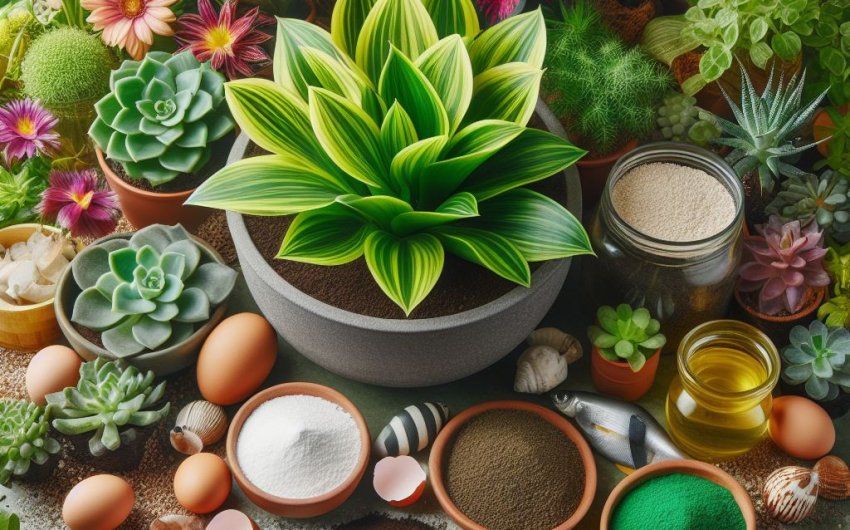
Bringing the beauty of nature indoors with houseplants transforms any living space into a vibrant, breathable sanctuary. These green companions not only enhance decor but also contribute to a healthier environment, cleaning the air and boosting our mood. Just like their outdoor counterparts, houseplants thrive on proper nutrition, but within the confines of a pot, their access to vital elements is limited. While synthetic fertilizers offer a quick fix, many plant parents are increasingly seeking more holistic and eco-friendly approaches to feeding their beloved indoor jungle. This growing interest often leads to the question: what are the best natural fertilizers for houseplants?
Embracing natural fertilizers aligns perfectly with the desire for a healthier home, free from harsh chemicals, and provides a gentler, more sustained feeding for your plants. These organic options work with the soil's natural biology, fostering a thriving microcosm within each pot that benefits plant health from the roots up. From readily available kitchen scraps to specially formulated organic blends, the possibilities are diverse and surprisingly effective. This comprehensive guide will explore the top choices, offering practical tips and insights to help you nurture your houseplants with the power of nature, ensuring they remain lush, vibrant, and a true delight.
Why Choose Natural Fertilizers for Houseplants?
When it comes to feeding your beloved houseplants, you have choices. While synthetic fertilizers offer a quick boost, more and more plant parents are leaning towards natural fertilizers. There are compelling reasons for this shift, stemming from benefits for both your plants and your home environment.
What are the Benefits of Natural Fertilizers?
Choosing natural fertilizers for your houseplants offers several significant advantages:
- Improved Soil Health: Unlike synthetic fertilizers, which mostly feed the plant directly, natural fertilizers feed the soil's microscopic life. They build up organic matter in the soil over time, which improves soil structure, drainage, and aeration. Healthy soil leads to healthy roots and stronger plants.
- Sustained Nutrient Release: Natural fertilizers break down slowly, releasing nutrients gradually as needed by the plant. This creates a steady, consistent food supply, mimicking nature's cycles. It reduces the risk of fertilizer burn (damage from too much concentrated fertilizer) that can happen with synthetic types.
- Environmentally Friendly: Natural options reduce your home's chemical footprint. They are renewable, often derived from waste products, and less likely to cause nutrient runoff into waterways (though this is less of a concern for indoor plants).
- Reduced Salt Buildup: Synthetic fertilizers can lead to a buildup of mineral salts in the soil over time, which can harm roots and show up as white crusts on the pot or browning leaf tips. Natural fertilizers minimize this problem.
- Safer for Pets and Kids: While no fertilizer should be ingested, many natural options (especially kitchen scraps) pose less immediate harm than chemical fertilizers if accidentally encountered by curious pets or small children. However, always exercise caution with any gardening product.
These benefits combine to create a more holistic and sustainable approach to houseplant care, contributing to overall plant vitality.
What are the Potential Drawbacks of Natural Fertilizers?
While there are many pros, it's fair to consider potential downsides to using natural fertilizers:
- Slower Results: Because nutrients are released slowly, you won't see an immediate "green-up" like you might with a quick-release synthetic fertilizer. Patience is required.
- Nutrient Imbalance: It can be harder to know the exact NPK ratio (Nitrogen, Phosphorus, Potassium) of homemade natural fertilizers. This means you might not be precisely tailoring nutrients to your plant's specific needs without a soil test, which is less common for potted plants.
- Odor: Some natural fertilizers, especially those derived from animal products (like fish emulsion or manure tea), can have a noticeable odor, which might be undesirable indoors.
- Pests: In rare cases, some uncomposted organic materials (like fresh food scraps buried directly in a pot) can attract fungus gnats or other unwanted pests. Proper composting and application methods minimize this risk.
- Storage: Some homemade liquid fertilizers might not store well and should be used immediately. Despite these minor drawbacks, the long-term benefits for plant health and soil quality often outweigh the challenges for many houseplant enthusiasts.
Can I Stop Using Synthetic Fertilizers Entirely?
For many houseplants, yes, you can absolutely rely solely on natural fertilizers for their nutritional needs.
- Healthy Soil: If you consistently use natural methods like compost or compost tea, you will build a rich, biologically active potting mix that provides a steady supply of nutrients.
- Observation is Key: The most important thing is to observe your houseplants. If they are showing healthy, consistent growth, vibrant green leaves (unless naturally variegated), and good flowering (if applicable), then your natural feeding regimen is likely sufficient.
- Supplementation: In some cases, for very heavy feeders or plants with specific needs, you might occasionally supplement with a specialized organic liquid fertilizer if homemade options aren't providing everything. The goal is to provide balanced nutrition in a way that supports the plant's natural processes, and natural fertilizers are excellent for this.
What are the Best Natural Fertilizers Made from Kitchen Scraps?
One of the most convenient and eco-friendly ways to fertilize your houseplants naturally is by using common kitchen scraps. These items, often destined for the compost bin, can be repurposed to provide valuable nutrients, making your plant care routine both sustainable and effective.
How Can Coffee Grounds Benefit My Houseplants?
Coffee grounds are a popular and readily available natural fertilizer for houseplants.
- Nutrient Content: They contain nitrogen, phosphorus, potassium, and micronutrients. They are also slightly acidic, which many houseplants appreciate (though not all).
- Application:
- Dry Them Out: It's best to dry used coffee grounds completely before applying them to your houseplants. Spreading them thinly on a tray for a day or two helps. Wet grounds can mold or attract fungus gnats.
- Mix into Soil: Gently scratch a small amount (about 1-2 tablespoons for an average pot) into the top inch or two of the potting mix, being careful not to disturb the roots.
- Frequency: Apply every 2-4 weeks during the growing season.
- Benefits: Provide a slow-release source of nutrients. Improve soil structure and aeration.
- Caution: Don't over-apply, as too much can make the soil too acidic for some plants (e.g., succulents, ferns that prefer neutral soil). Observe your plant for signs of stress if using frequently. Consider using a coffee ground compost caddy to store them before use.
Are Banana Peels Good for Houseplants?
Banana peels are an excellent source of potassium, a key nutrient for flowering and overall plant vigor.
- Nutrient Content: Rich in potassium (K), which supports strong root growth, disease resistance, and fruit/flower development. They also contain small amounts of phosphorus and calcium.
- Application Methods:
- Chop and Bury: Chop the peels into small pieces (about ( 1/2 ) inch) and bury them an inch or two deep in the soil around the base of the plant. This helps them break down faster and avoids attracting pests on the surface.
- Banana Peel Tea: Chop a peel into small pieces, put them in a jar with water, and let it sit for a few days (up to a week). Strain the liquid and use it to water your plants. The solids can be added to your outdoor compost.
- Dried and Powdered: Dry banana peels in the sun or a low oven until crispy, then grind them into a powder. Store in an airtight container and sprinkle a small amount into the topsoil.
- Frequency: Apply every 4-6 weeks during the growing season.
- Caution: Avoid burying large, fresh pieces of peel directly, as they can attract fungus gnats or ferment, producing odors. Chopping finely or making tea is usually preferred for indoor use.
Can Eggshells Provide Nutrients?
Eggshells are primarily a source of calcium carbonate, which is important for cell wall formation and overall plant structure.
- Nutrient Content: High in calcium (Ca), which helps prevent blossom end rot in fruiting plants (though less common in non-fruiting houseplants).
- Application:
- Wash and Dry: Always wash eggshells thoroughly to remove any egg residue. Let them air dry completely.
- Crush into Powder: Crush them into a very fine powder. The finer the powder, the faster the calcium will become available to the plant (it breaks down slowly). You can use a mortar and pestle or a coffee grinder.
- Mix into Soil: Mix a small amount of powdered eggshells (about a teaspoon for an average pot) into the top layer of the potting mix, or add to your potting mix when repotting.
- Frequency: Apply once every few months during the growing season, as calcium is a slow-release nutrient.
- Caution: Eggshells do not significantly change soil pH quickly, but a large amount could slightly raise it over time. Most houseplants are unlikely to show immediate deficiency symptoms corrected by eggshells alone, but they contribute to overall soil health.
What About Other Kitchen Scraps?
Several other kitchen scraps can be used, though often best as a "tea" or in an outdoor compost before indoor application:
- Used Tea Bags/Leaves: Similar to coffee grounds, they contain nitrogen and other nutrients. Open the bag, dry the leaves, and mix into the soil.
- Vegetable Cooking Water: The water left over from boiling or steaming vegetables contains nutrients that have leached from the veggies. Let it cool completely and use it to water your plants. Avoid heavily salted water.
- Molasses (Unsulfured): A very dilute solution can provide carbohydrates for beneficial soil microbes, boosting microbial activity. Use only unsulfured blackstrap molasses. Mix 1 tablespoon per gallon of water and apply every few weeks. A small kitchen scale can help measure.
These kitchen scrap methods are excellent for a sustainable and natural approach to houseplant fertilization.
What Are Commercial Natural Fertilizers for Houseplants?
While kitchen scraps are fantastic for a DIY approach, sometimes you need a more concentrated or balanced natural fertilizer. Commercial natural fertilizers come in various forms and can provide a comprehensive nutrient profile for your houseplants without the chemical additives found in synthetic products.
What is Fish Emulsion?
Fish emulsion is a popular organic liquid fertilizer derived from the byproduct of fish processing.
- Nutrient Content: It's typically higher in nitrogen (N), making it excellent for promoting lush, green, leafy growth. It also contains trace amounts of phosphorus and potassium, along with micronutrients. The NPK ratio varies but is often around 5-1-1 or 2-4-0.
- Application: Dilute with water according to label instructions. Use it to water your houseplants during their growing season.
- Benefits: Provides quick-acting (for an organic fertilizer) nitrogen for strong foliage. Improves soil biology.
- Drawbacks: Can have a noticeable "fishy" odor, especially when first applied, which can be undesirable indoors. This odor usually dissipates within a few hours to a day.
- Frequency: Apply every 2-4 weeks during the growing season. A fish emulsion fertilizer is a go-to for many organic growers.
How Does Worm Castings Benefit Houseplants?
Worm castings, also known as vermicompost, are the nutrient-rich excrement of earthworms. They are essentially worm "poop" and are considered one of the best natural soil amendments.
- Nutrient Content: They contain a broad spectrum of readily available nutrients, including nitrogen, phosphorus, potassium, calcium, magnesium, and numerous micronutrients, all in a form easily absorbed by plants. They also contain beneficial microbes. The NPK is typically low (e.g., 1-0-0) but don't let the numbers fool you; the value is in their complete nutrient profile and microbial benefits.
- Application:
- Top Dressing: Sprinkle a layer (about 1/2 to 1 inch) of worm castings on top of the soil in your pots. As you water, the nutrients will slowly leach into the soil.
- Mix into Potting Mix: Add 10-20% worm castings to your potting mix when repotting.
- Compost Tea: Brew a "worm tea" by soaking a handful of castings in water for 24-48 hours. Strain and use the liquid to water your plants.
- Benefits: Slow-release, comprehensive nutrition. Improves soil structure, aeration, and water retention. Boosts microbial activity. Odorless indoors. Will not cause fertilizer burn.
- Frequency: Top-dress every 1-2 months during the growing season.
What is Kelp Meal (Seaweed Extract)?
Kelp meal or seaweed extract is derived from ocean plants and is a powerhouse of micronutrients, growth hormones, and beneficial compounds.
- Nutrient Content: Low NPK numbers (e.g., 1-0-2) but incredibly rich in trace minerals (like magnesium, calcium, iron, zinc) and natural plant growth hormones (auxins, gibberellins, cytokinins).
- Application: Available as a granular meal (to be mixed into soil or top-dressed) or as a liquid extract (to be diluted and used as a foliar spray or soil drench).
- Benefits: Promotes stronger root growth, improves stress resistance (heat, cold, drought), enhances overall plant vigor, and boosts flowering and fruiting. Very beneficial for overall plant health.
- Drawbacks: Granular form can have a mild "sea" smell, but usually not strong. Liquid forms are generally odorless.
- Frequency: Use monthly or bi-monthly during the growing season. A liquid kelp fertilizer is easy to use.
Are Alfalfa Meal and Bone Meal Good Choices?
- Alfalfa Meal:
- Nutrient Content: Contains nitrogen (N), phosphorus (P), potassium (K), and trace minerals. It also contains triacontanol, a natural growth stimulant. NPK is usually around 2-1-2.
- Application: Mix into soil or top-dress a small amount.
- Benefits: Provides balanced, slow-release nutrition. Promotes vigorous growth.
- Frequency: Every 1-2 months during the growing season.
- Bone Meal:
- Nutrient Content: High in phosphorus (P) and calcium (Ca). NPK is typically around 3-15-0.
- Application: Mix into potting mix when repotting, or scratch a small amount into the topsoil.
- Benefits: Excellent for promoting strong root development and boosting flowering in blooming plants.
- Drawbacks: Slow to release nutrients. Can have a slight odor and attract animals if used outdoors (less an issue indoors).
- Frequency: Apply every 2-3 months during the growing season, or when repotting.
Both alfalfa meal and bone meal for plants are good slow-release options for specific nutrient boosts.
How Do I Safely and Effectively Use Natural Fertilizers?
Using natural fertilizers effectively means understanding how to apply them correctly and how to observe your plants' responses. While generally safer than synthetics, proper use ensures maximum benefit and avoids potential issues.
What are General Application Guidelines?
- Know Your Plant's Needs: Not all houseplants need the same amount of fertilizer. Heavy feeders (like blooming plants or large, fast growers) will need more frequent feeding than slow growers or succulents.
- Only During Growing Season: Fertilize primarily during your houseplant's active growing season (usually spring and summer). Reduce or stop feeding entirely during fall and winter when growth naturally slows down.
- Dilution is Key: When using liquid natural fertilizers (like fish emulsion or kelp extract), always dilute them according to the label directions. It's always better to under-fertilize slightly than to over-fertilize, especially with new products.
- Apply to Moist Soil: Always water your plant first with plain water, then apply the diluted fertilizer solution. Never fertilize a bone-dry plant, as this can cause root burn.
- Avoid Foliage Burn: While less common with natural fertilizers, try to avoid getting concentrated solutions directly on leaves. If you use a foliar spray, do it in the early morning or late evening when direct sun isn't strong.
- Don't Overdo It: Even with natural fertilizers, too much can be detrimental. Stick to recommended rates and frequencies.
A good indoor plant watering can can help with precise application of liquid fertilizers.
How Can I Monitor for Nutrient Deficiencies or Over-fertilization?
Your houseplants will tell you if they're happy or if something is wrong with their nutrition.
- Signs of Nutrient Deficiency (Under-fertilization):
- Slow or Stunted Growth: Not putting out new leaves or branches.
- Pale or Yellowing Leaves: Especially older, lower leaves turning yellow can indicate a nitrogen deficiency.
- Lack of Blooms: If a blooming plant isn't flowering well despite adequate light.
- Signs of Over-fertilization:
- Crispy, Brown Leaf Tips/Edges: A common sign of fertilizer burn from too much salt buildup.
- White Crust on Soil Surface: Accumulation of mineral salts.
- Sudden Wilting (even with moist soil): Can indicate root damage.
- Stunted Growth or Dark Green but Burnt Tips: Paradoxically, over-fertilization can also stunt growth. If you see these signs, first check your watering (the most common problem), then consider your fertilization schedule and rates. If you suspect over-fertilization, flush the soil by watering thoroughly with plain water several times until water drains freely from the bottom, to wash out excess salts.
What About Repotting and Soil Replenishment?
Even with regular fertilization, the nutrients and structure of potting mix degrade over time.
- Repotting: Repot your houseplants every 1-2 years into fresh, well-draining potting mix. This provides a fresh supply of nutrients and reinvigorates the plant. This is also a great opportunity to mix in some slow-release natural amendments like worm castings or alfalfa meal.
- Top Dressing: Between repottings, you can occasionally "top-dress" your plants. This means removing the top inch or two of old soil from the pot and replacing it with fresh compost or worm castings. As you water, nutrients will slowly leach down into the root zone.
- Healthy Soil Microbes: Natural fertilizers encourage a thriving community of beneficial microbes in the soil. These microbes break down organic matter, making nutrients available to plants, and also help protect roots from disease. Avoid using strong chemical fungicides in your pots, as they can kill these beneficial microbes.
By understanding how and when to use these natural fertilizers, you can create a sustainable and thriving environment for your houseplants, ensuring they remain lush and vibrant for years to come.