
How do I revive a dying houseplant?
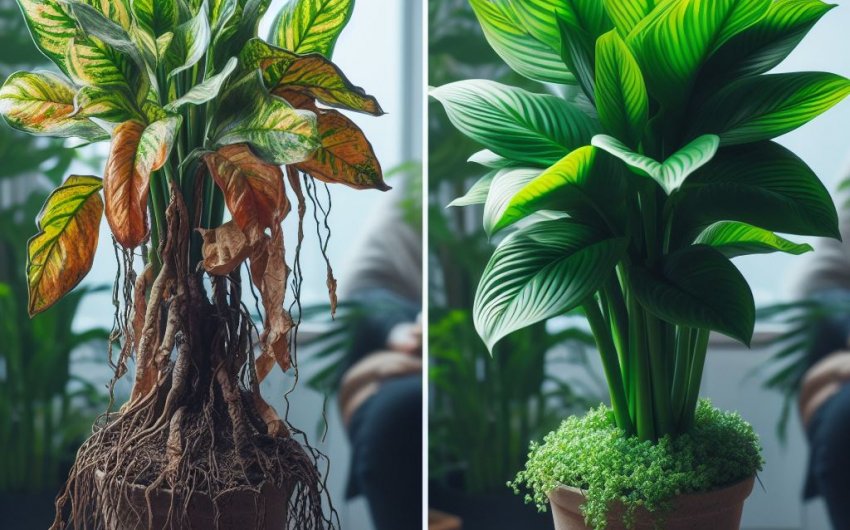
The sight of a houseplant wilting, yellowing, or dropping its leaves can be truly disheartening. What was once a vibrant touch of green in your home now looks limp and lifeless, signaling that something is deeply wrong. It's a common experience for even the most dedicated plant parents – a thriving plant suddenly seems to be on the brink of collapse. But don't despair! A dying houseplant often isn't beyond saving. With a bit of detective work, understanding of basic plant needs, and timely intervention, many plants can make a remarkable comeback.
Bringing a dying houseplant back to life is a rewarding challenge that teaches you a lot about the specific needs of your green companions. It requires patience, observation, and a willingness to adjust your care routine. This guide will walk you through a systematic approach to diagnose the most common problems leading to a plant's decline and provide actionable steps to revive your struggling leafy friend. Let's delve into the process of rescuing your beloved indoor greenery.
Why Is My Houseplant Dying? (Diagnosing the Problem)
Am I Overwatering My Houseplant?
Overwatering is, by far, the most common reason houseplants decline and die. It's a classic case of too much love leading to unintended harm.
- How it happens: When you overwater, the potting mix stays constantly soggy. This starves the roots of oxygen, causing them to literally "drown" and rot.
- Signs:
- Yellowing leaves (often older, lower leaves): The most common symptom.
- Wilting, limp foliage despite moist soil: This is a key indicator. The plant is wilting because its rotting roots can't absorb water, even if it's abundant.
- Mushy stems or leaves: A soft, squishy texture at the base of the stem or on the leaves indicates rot.
- Foul smell from the soil: A musty or rotten odor coming from the pot.
- Fungus gnats: Tiny, dark flies hovering around the plant, attracted to moist soil.
- Mold on soil surface: White or green mold indicates excessive moisture.
- How to check: Stick your finger 2-3 inches into the potting mix. If it feels wet and soggy, even days after watering, then overwatering is highly likely. Also, check the drainage hole for any standing water.
Overwatering can be insidious because its symptoms (wilting, yellowing) can mimic those of underwatering, leading people to water even more, exacerbating the problem.
Is My Houseplant Underwatering?
While overwatering is more common, underwatering can also lead to a dying houseplant, though it's often easier to fix.
- How it happens: The plant doesn't receive enough moisture, causing its cells to dehydrate.
- Signs:
- Wilting foliage: Leaves will droop and look limp.
- Crispy, dry leaves (often starting from edges or tips): The leaves will feel brittle and often turn brown at the edges.
- Curled leaves: Some plants curl their leaves to conserve moisture.
- Slowed growth: The plant isn't putting out new leaves.
- Shrinking, shriveling stems: Succulents, in particular, will look deflated.
- Dry, hard soil: The potting mix will be bone dry and often pull away from the sides of the pot.
- How to check: The "finger test" will show dry soil. The pot might also feel unusually light.
The key difference from overwatering is the dry soil.
Is There a Problem with Light Exposure?
Light exposure is paramount for houseplant health. Too much or too little light can cause stress and decline.
- Too Little Light:
- Signs: Leggy growth (long, stretched stems with sparse leaves as the plant reaches for light), smaller new leaves, pale green or yellowing leaves (especially lower ones), no new growth, plant leaning towards a window.
- Impact: Insufficient light means poor photosynthesis, leading to lack of energy.
- Too Much Light (Sunburn):
- Signs: Yellow or white patches on leaves (often scorched areas), crispy brown spots, faded color, leaves looking bleached. This is particularly common for plants that prefer indirect light but are moved to direct, intense sun.
- Impact: Intense light can damage chlorophyll, leading to burn and inability to produce food.
- How to check: Observe your plant's typical light requirements (check plant tags or do a quick search). Compare that to its current location. Consider light intensity throughout the day and seasonal changes. A Plant Light Meter can help measure light levels precisely.
Matching your plant to its light needs is fundamental.
What About Nutrient Deficiencies or Over-Fertilization?
Nutrient imbalances can significantly impact a houseplant's health, leading to a dying appearance.
- Nutrient Deficiency (Under-fertilization):
- Signs: Slowed or stunted growth, pale green or yellowing leaves (often uniform yellowing, or specific patterns depending on the missing nutrient, e.g., yellowing between veins for iron deficiency), older leaves dying off.
- Impact: The plant lacks the building blocks for healthy growth. Potting mix nutrients get depleted over time, usually after 6-12 months.
- Over-Fertilization (Fertilizer Burn):
- Signs: Brown leaf tips or edges, crispy leaves, wilting despite adequate watering, white crust (salt buildup) on the soil surface or pot rim.
- Impact: Excess salts from fertilizer draw water out of the roots, essentially dehydrating them.
- How to check: Recall your last fertilizing schedule. Have you been feeding regularly or too often? Has it been a very long time? Also, check for the white crust on the soil.
Always follow fertilizer instructions carefully, and remember that more is not better.
Could It Be Pests or Diseases?
Pests and diseases can certainly contribute to a dying houseplant, though they are often visible if you look closely.
- Common Pests:
- Spider mites: Tiny, often red or brown, causing stippling (tiny yellow dots) on leaves and fine webbing, especially on undersides.
- Aphids: Small, soft-bodied insects clustering on new growth, causing sticky honeydew.
- Mealybugs: White, cottony masses in leaf axils or on stems.
- Scale: Small, immobile bumps on stems or leaves, sucking sap.
- Fungus gnats: Tiny flying insects indicating overwatering.
- Common Diseases:
- Root rot: (As discussed with overwatering).
- Fungal spots: Circular or irregular spots (brown, black, yellow) on leaves.
- Powdery mildew: White, powdery coating on leaves.
- Signs: Discolored spots, holes, sticky residue, webbing, physical presence of insects, distorted growth specific to pest feeding patterns.
- How to check: Inspect all parts of the plant thoroughly, including undersides of leaves, stems, and the potting mix. Look for tiny moving specks, webs, or discolored spots. A Magnifying Glass for Plants can help spot tiny pests.
If pests or diseases are identified, targeted treatment is necessary.
Is My Houseplant Root-Bound or in a Poor Potting Mix?
The pot and its contents play a huge role in houseplant health.
- Root-Bound:
- How it happens: The root system grows too large for its container, becoming a dense, tangled mass with little potting mix left.
- Signs: Roots growing out of drainage holes, water running straight through the pot quickly, stunted growth, plant becoming top-heavy, general signs of stress (yellowing, wilting).
- Poor Potting Mix:
- How it happens: The potting mix might be too old (broken down and compacted), too heavy (poor drainage), or not suited to the plant's needs.
- Signs: Soil stays soggy or dries out too fast, compacted soil, plant not thriving despite good care.
- How to check: Gently slide the plant out of its pot to inspect the root ball. If roots are circling densely, it's root-bound. Feel the potting mix – is it hard, mushy, or completely fallen apart?
Addressing pot size and potting mix quality is often a simple fix.
How Do I Revive an Overwatered Houseplant?
What Are the First Steps to Save an Overwatered Plant?
Saving an overwatered plant requires immediate action to dry out the roots and prevent further rot.
- Stop Watering Immediately: Do not give it any more water. This is the most crucial step.
- Improve Drainage: If the pot sits in a saucer, remove any standing water. Elevate the pot slightly on pot feet or blocks to allow for better airflow around the drainage hole.
- Increase Air Circulation: Move the plant to an area with good air circulation. A gentle fan can help, but don't blast it directly.
- Remove Excess Water from Soil: If the soil is extremely soggy, you can carefully remove the plant from its pot (if the root ball is still intact enough) and gently wrap the root ball in a few layers of newspaper or paper towels to wick away excess moisture. Replace the paper towels as they get saturated. This is especially helpful for small plants.
These immediate actions aim to dry out the potting mix and provide oxygen to the suffocating roots.
When Should I Repot an Overwatered Plant?
Repotting an overwatered plant is often necessary, but it should be done carefully and only after assessing the root damage.
- Assess Root Rot: Gently slide the plant out of its pot. Inspect the root ball.
- Healthy roots: Firm, white or light tan.
- Rotted roots: Mushy, black or brown, soft, possibly smelly.
- Trim Rotted Roots: Using clean, sharp scissors or pruning shears, cut away all the rotted, mushy roots. You should cut back to healthy, firm tissue. If you remove a lot of roots, you might need to prune back some of the foliage as well to balance the top growth with the reduced root system.
- Use Fresh, Dry Potting Mix: Repot the plant into a clean pot (you can use the same pot if disinfected, or a new one) filled with fresh, dry, well-draining potting mix. Often, you'll use a pot of the same size or even slightly smaller if a significant portion of the roots was removed.
- Do NOT Water Immediately: After repotting into dry soil, do not water for several days to a week. This allows any damaged roots to "scab over" and heal before they are exposed to moisture again, preventing further rot.
- Monitor Closely: Once you resume watering, be extremely careful. Allow the soil to dry out more between waterings than you normally would, until the plant shows signs of recovery.
A Small Hand Pruning Shears is essential for clean cuts.
What Care Is Needed During Recovery?
During the recovery phase for an overwatered plant, patience and gentle care are vital.
- Reduced Watering: This is the most important care adjustment. Only water when the top 2-3 inches of soil are dry to the touch. This could mean waiting a week or more between waterings. Use a moisture meter if unsure.
- Bright, Indirect Light: Place the recovering plant in a location with bright, indirect light. Avoid direct, harsh sunlight, as the stressed plant is more susceptible to scorch.
- Avoid Fertilizing: Do not fertilize a stressed or recovering plant. The damaged roots cannot properly absorb nutrients, and added fertilizer salts can cause further burn. Wait until the plant shows clear signs of new, healthy growth (new leaves emerging) before resuming a very diluted fertilizer schedule.
- Patience: It can take weeks or even months for an overwatered plant to fully recover. Don't expect immediate results. Continue to monitor for signs of recovery (new green growth) and avoid the temptation to overwater again.
A Plant Moisture Meter can be your best friend during this period.
How to Revive an Underwatered Houseplant?
What Is the Immediate Rescue for an Underwatered Plant?
Reviving an underwatered houseplant is often much simpler and quicker than dealing with overwatering.
- Thorough Watering: The immediate rescue is to water thoroughly. If the soil has pulled away from the sides of the pot (common with bone-dry soil), water slowly to allow it to expand and rehydrate. You might need to water in stages, letting the water soak in for a few minutes before adding more.
- Bottom Watering (for very dry plants): For extremely dry plants where the soil has become hydrophobic (repels water), bottom watering is highly effective.
- Place the pot in a larger container (sink, bucket) filled with a few inches of water.
- Allow the pot to sit in the water for 30 minutes to an hour (or until the top of the soil feels moist). The potting mix will slowly wick water up through the drainage holes.
- Once the topsoil is moist, remove the pot and let any excess water drain away completely.
- Mist if necessary: For plants that appreciate humidity, a light misting of the leaves can provide immediate relief.
The plant should start to perk up within a few hours to a day after a good drink.
What Long-Term Care Prevents Underwatering?
To prevent underwatering from happening again, establish a consistent and mindful watering routine.
- Regular Finger Test: Continue to use the "finger test" regularly. Get to know how quickly your specific plant in its current pot and location dries out.
- Group Thirsty Plants: If you have many plants, group those with similar watering needs together.
- Consider Pot Material: If your plants are constantly drying out, especially in hot conditions, consider repotting into plastic or glazed ceramic pots, which retain moisture longer than terracotta.
- Larger Pots: If a plant is becoming root-bound and drying out too quickly, repot it into a slightly larger pot.
- Self-Watering Planters: For very thirsty plants or if you travel frequently, consider using Self-Watering Planters. These have a reservoir that provides consistent moisture to the soil.
- Increase Humidity (for some plants): For tropical plants that like humidity, consider grouping them, placing them on a pebble tray with water, or using a humidifier.
Consistency and understanding your plant's needs are key.
General Revival Techniques for Dying Houseplants
How to Adjust Light for a Struggling Plant?
Adjusting light is crucial once you've diagnosed an issue with light exposure.
- For Too Little Light (Leggy, Pale):
- Move closer to a window: Gradually move the plant closer to a brighter window.
- Rotate regularly: Turn the pot every few days to ensure all sides of the plant get adequate light.
- Use a grow light: If natural light isn't enough, especially in winter, invest in an LED Grow Light for Indoor Plants. Place it 6-12 inches above the plant and run it for 10-14 hours a day.
- For Too Much Light (Sunburn):
- Move away from direct sun: Relocate the plant further from the window or to a room with less intense light.
- Filter light: Use sheer curtains or blinds to diffuse harsh direct sunlight.
- Check for reflection: Ensure no mirrors or reflective surfaces are bouncing intense light onto your plant.
Introduce changes gradually to avoid shocking the plant further.
When Is Repotting Necessary for Revival?
Repotting is necessary for revival in specific situations, primarily when the existing pot or potting mix is the problem.
- Root-bound: If roots are circling densely, growing out of drainage holes, or water runs straight through, it's time to repot into a pot 1-2 inches larger in diameter.
- Root rot: (As discussed) If you've identified root rot, repotting into fresh, dry soil after trimming rotted roots is essential. You might even go down a pot size if many roots were removed.
- Degraded potting mix: If the potting mix is old, compacted, or no longer draining well, repotting into fresh, well-draining soil is beneficial.
- Too large a pot: If the plant is in a pot that is disproportionately large, leading to overwatering issues, repot it into a smaller, more appropriately sized pot.
Always use fresh, high-quality potting mix and ensure the new pot has drainage holes.
How to Treat Pests on a Dying Houseplant?
Treating pests on a dying houseplant needs to be done gently but effectively to give the plant a chance to recover.
- Isolate the plant: Immediately move the infested plant away from other healthy plants to prevent spread.
- Identify the pest: Knowing the specific pest helps you choose the right treatment. Use a magnifying glass to look for tiny insects or webbing.
- Manual removal:
- Wipe/Pick off: For larger pests like mealybugs or scale, gently scrape them off with your fingernail or a dull knife. For mealybugs, use a cotton swab dipped in rubbing alcohol to dab them directly.
- Hose off: For aphids or spider mites, take the plant to a sink or shower and gently spray the leaves (especially undersides) with a strong stream of water.
- Organic treatments:
- Insecticidal soap: Mix according to instructions and spray thoroughly, ensuring contact with the pests. Repeat every 5-7 days.
- Neem oil: Mix and spray thoroughly. Acts as an antifeedant and growth disruptor. Repeat every 7-10 days.
- Systemic granules (as a last resort): For persistent pests on non-edible plants, systemic granules can be added to the soil. The plant absorbs the insecticide, killing feeding pests. These are stronger and should be used with caution. A Houseplant Insecticide Granules might be considered for non-edible plants.
Always follow product instructions and continue monitoring after treatment.
When Is Pruning Necessary for Revival?
Pruning is often a necessary step for reviving a dying houseplant, as it redirects the plant's energy and removes dead or diseased parts.
- Remove dead or dying leaves/stems: Snip off any completely yellow, brown, crispy, or mushy leaves and stems. This tidies up the plant, allows it to put energy into healthy growth, and removes potential hiding spots for pests or fungal spores.
- Trim diseased parts: If you identify specific fungal spots or rot, prune well beyond the infected area into healthy tissue. Disinfect your shears between cuts.
- Balance root loss: If you had to significantly prune away rotted roots, it's wise to prune back some of the top growth as well to balance the plant's reduced root system's ability to support the foliage. Aim to remove roughly the same proportion of foliage as you did roots.
- Encourage new growth: For very leggy plants, careful pruning (cutting stems back to a node) can stimulate bushier new growth once the underlying problem (e.g., lack of light) is corrected.
Always use clean, sharp pruning shears to make clean cuts that heal quickly.
What Is the Role of Humidity and Air Circulation?
Humidity and air circulation are often overlooked but can be vital for reviving and maintaining houseplant health. Many common houseplants originate from tropical climates and thrive in higher humidity than typical indoor environments.
- Humidity (too low):
- Signs: Brown, crispy leaf tips or edges, especially on plants like ferns, calatheas, or prayer plants. Leaves may curl inwards.
- Solution: Increase humidity by:
- Misting regularly: Use a Plant Mister Spray Bottle.
- Pebble trays: Place the pot on a saucer filled with pebbles and water (ensure the pot itself isn't sitting in water).
- Grouping plants: Plants release moisture, creating a microclimate.
- Humidifier: For very sensitive plants or dry homes.
- Air Circulation (too low):
- Signs: Stagnant, stuffy air, often exacerbating overwatering issues or promoting fungal diseases like powdery mildew or root rot.
- Solution: Ensure adequate spacing between plants. Open windows periodically (if temperatures allow). A small, oscillating fan can help, especially in plant-dense areas, but avoid directing strong drafts onto sensitive plants.
Addressing these environmental factors can significantly improve a dying houseplant's chances of revival.