
Are there any houseplants safe for pets?
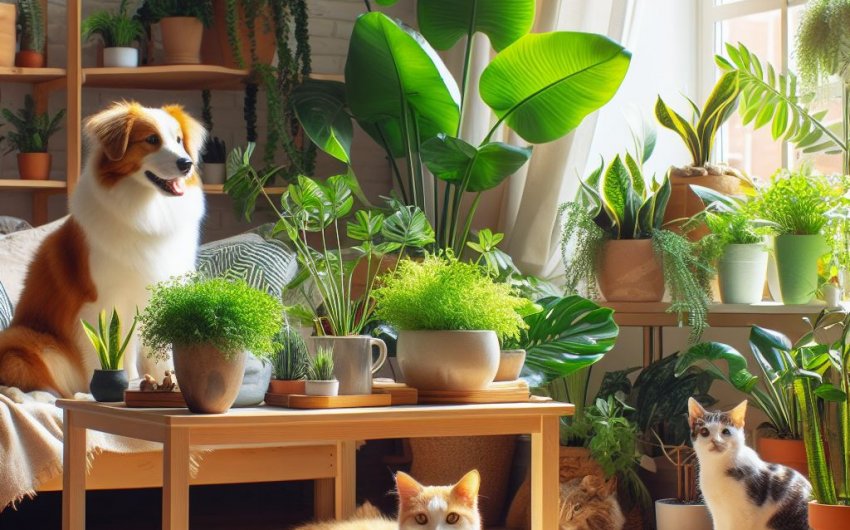
Bringing green life into our homes is wonderful. Houseplants clean the air, make spaces feel calm, and add beauty. But if you have furry friends, like cats or dogs, picking the right plants is super important. Many popular houseplants can be harmful, or even poisonous, if a curious pet decides to chew on them. It's a sad surprise when you find out your pretty plant could make your beloved pet sick.
As pet owners, we want to create a safe and happy home for everyone. This means checking what we bring indoors. Luckily, you don't have to choose between a green home and a pet-friendly one. There are many beautiful and easy-to-care-for houseplants that are completely safe for cats and dogs. Knowing which ones are safe means you can decorate with peace of mind. We'll explore some fantastic choices that let you have both a lush home and a happy, healthy pet.
Why Do Pets Chew on Plants?
It might seem strange that a cat or dog would eat a plant, especially when they have their regular food. But there are several reasons why pets, especially cats, might be drawn to nibble on houseplants. Understanding these reasons can sometimes help you keep them away from plants, even the safe ones.
Is it About Digestion?
One common belief, especially for cats, is that they eat plants to help with digestion.
- Hairballs: Cats groom themselves a lot. This means they swallow a lot of their own fur, which can form hairballs in their stomach. Eating grass or plants might help them throw up these hairballs, bringing them relief.
- Fiber: Plants provide fiber, which can help move things through their digestive system. If a pet's diet is lacking in fiber, they might seek it out from plants.
While this might be true for some pets, it's not the only reason.
Is it Boredom or Play?
Sometimes, a pet might chew on a plant simply because they are bored or want to play.
- Movement: Dangling leaves or fronds can be very tempting to a playful cat or puppy. The movement of the leaves might mimic prey, making them want to bat at or pounce on the plant.
- Texture: Pets explore the world with their mouths. The texture of a plant's leaves or stems might be interesting to them.
- Attention Seeking: If a pet knows that chewing on a plant gets a reaction from you (even a negative one), they might do it to get your attention.
Providing plenty of toys, playtime, and mental stimulation can help reduce plant chewing due to boredom.
Are They Exploring or Just Curious?
Especially for young animals, everything is new and interesting.
- Puppies and Kittens: Like human babies, puppies and kittens use their mouths to explore their surroundings. A new plant might simply be something they want to investigate.
- Smell and Taste: Plants have unique smells and sometimes tastes that might appeal to a pet's curious nature.
It’s always a good idea to supervise new plants around pets, even if they are known to be safe. It helps you understand their behavior.
What if They are Feeling Unwell?
While not common, sometimes a pet might eat plants if they are feeling unwell or have a nutritional deficiency. If your pet suddenly starts eating large amounts of plants or shows other signs of illness, it’s always best to consult with your veterinarian.
Because pets chew on plants for various reasons, it’s always best to assume they might, and choose pet-safe houseplants to avoid any risk.
What Makes a Houseplant Toxic to Pets?
The "toxic" label on a plant means it contains substances that can cause harm if eaten. These substances vary greatly, and so do the effects they have on pets. It's important to understand a bit about what makes a plant dangerous.
What are Calcium Oxalates?
This is one of the most common toxic compounds found in many popular houseplants.
- Mechanism: Plants like Pothos, Philodendron, Dieffenbachia (Dumb Cane), and Peace Lily contain microscopic, needle-shaped crystals called calcium oxalates. When a pet bites into the plant, these crystals are released.
- Symptoms: The tiny needles cause immediate and intense irritation to the mouth, tongue, throat, and digestive tract. Symptoms can include:
- Oral irritation (burning sensation, pawing at the mouth)
- Excessive drooling
- Vomiting
- Difficulty swallowing
- Swelling of the mouth or throat (in severe cases)
While rarely fatal, these plants can cause significant discomfort and require veterinary attention. Even a small nibble can cause a strong reaction.
What are Cardiac Glycosides?
These are much more dangerous and can affect the heart.
- Mechanism: Plants such as Foxglove (though rarely a houseplant), Oleander, and some Lilies (though true lilies are more toxic to cats for kidney failure) contain cardiac glycosides. These compounds directly affect the heart's function.
- Symptoms: Ingestion can lead to:
- Nausea and vomiting
- Diarrhea
- Weakness
- Lethargy
- Abnormal heart rate
- Collapse
- Death (in severe cases)
Even a small amount of these plants can be deadly, so absolute avoidance is critical.
What are Saponins?
Saponins are soapy compounds that can cause digestive upset.
- Mechanism: Plants like Snake Plant (Sansevieria) and Aloe Vera contain saponins. When ingested, they irritate the digestive system.
- Symptoms:
- Vomiting
- Diarrhea
- Lethargy
While generally not life-threatening, they can still make a pet quite sick.
What are Other Toxic Compounds?
Many other plants contain a variety of different toxins. For example:
- Lilies (true lilies, Lilium and Hemerocallis species): Extremely toxic to cats. Even a tiny amount of pollen, a few licks of water from a vase, or a nibble on a leaf can cause severe, irreversible kidney failure and death in cats. They are less toxic to dogs but still cause gastrointestinal upset. Easter Lily, Tiger Lily, Asiatic Lily, and Daylilies are examples.
- Autumn Crocus: Contains colchicine, which is highly toxic and can cause multi-organ damage.
- Cyclamen: Contains triterpenoid saponins in the tubers and roots, which can cause severe vomiting, diarrhea, and heart rhythm abnormalities.
- Tulips and Hyacinths: The bulbs are particularly toxic, containing allergenic lactones that can cause severe oral irritation, vomiting, and diarrhea.
It's impossible to list every single toxic compound, but this gives you an idea of the varied ways plants can cause harm. The key takeaway is to always check a plant's toxicity before bringing it into a home with pets. Websites like the ASPCA's toxic and non-toxic plant list are excellent resources.
What are the Best Pet-Safe Houseplants for Beginners?
If you're new to houseplants and have pets, starting with easy-to-care-for options is a great idea. These plants are forgiving if you forget to water them sometimes and generally don't require much fuss.
Are Spider Plants Safe?
Yes, Spider Plants (Chlorophytum comosum) are one of the most popular and safest houseplants for pets.
- Why they are safe: They are completely non-toxic to cats and dogs.
- Care Level: Super easy! They are very forgiving.
- Light: They prefer bright, indirect light but can tolerate lower light conditions.
- Water: Water when the top inch of soil feels dry. They don't like to sit in soggy soil.
- Growth: They grow quickly and produce "spiderettes" or "plantlets" that dangle from the mother plant, which can be propagated into new plants. These dangling plantlets might be tempting to cats, but they are safe to chew. You can find beautiful Spider Plant Starter Plants online.
How About Boston Ferns?
Boston Ferns (Nephrolepis exaltata 'Bostoniensis') are another excellent pet-safe choice.
- Why they are safe: Non-toxic to cats and dogs.
- Care Level: Moderate. They love humidity.
- Light: Bright, indirect light is best. Avoid direct sun, which can scorch their fronds.
- Water: Keep the soil consistently moist but not waterlogged. They will quickly tell you they need water by looking droopy.
- Growth: They grow into lush, bushy plants with arching fronds, making them great for hanging baskets or pedestals. A good Fern Plant Hanger can help keep it off the floor.
Are Money Trees Safe?
The Money Tree (Pachira aquatica) is a popular choice for its braided trunk and easy care, and it is pet-safe.
- Why they are safe: Non-toxic to cats and dogs.
- Care Level: Easy to moderate.
- Light: Bright, indirect light.
- Water: Water deeply when the top 2-4 inches of soil are dry. Let the soil dry out between waterings to prevent root rot.
- Growth: They can grow quite tall indoors, adding a lovely tropical vibe.
What About Christmas Cactus?
Many people love the colorful blooms of a Christmas Cactus (Schlumbergera bridgesii). Good news – it's safe for pets!
- Why they are safe: Non-toxic to cats and dogs.
- Care Level: Easy.
- Light: Bright, indirect light. They can tolerate some direct morning sun.
- Water: Water when the top inch or two of soil is dry. Less water is needed during their dormant period.
- Growth: They are unique succulents that produce beautiful flowers in shades of red, pink, purple, and white during the winter months. You can easily find Christmas Cactus Plants around the holidays.
Is an African Violet Safe?
African Violets (Saintpaulia) are beloved for their vibrant flowers and fuzzy leaves, and they are also pet-safe.
- Why they are safe: Non-toxic to cats and dogs.
- Care Level: Moderate. They are a bit fussier about watering and humidity.
- Light: Bright, indirect light is ideal. They thrive under LED Grow Lights if natural light is insufficient.
- Water: Water from the bottom or carefully water the soil without getting water on the leaves, as water spots can form. Use room temperature water.
- Growth: They are compact plants that produce continuous blooms in various shades of purple, pink, white, and blue.
These plants are great starting points for any pet owner wanting to add some greenery to their home without worry.
Which Succulents and Cacti are Pet-Friendly?
Succulents are very popular because they are easy to care for and have unique shapes. While some, like Aloe Vera, are toxic, many others are perfectly safe for your furry friends.
Are Echeveria Safe?
Yes, Echeveria are one of the most popular and pet-safe succulents.
- Why they are safe: Non-toxic to cats and dogs.
- Care Level: Easy. They are drought-tolerant.
- Light: Bright, direct light is best. They love sun!
- Water: Water thoroughly when the soil is completely dry. Less is more with these guys.
- Growth: They form beautiful rosette shapes and come in a wide array of colors and textures, from frosty blue-greens to vibrant reds. They are perfect for small pots and arrangements. You can find Echeveria Live Plants in many varieties.
How About Haworthia?
Haworthia are often mistaken for mini Aloe plants, but unlike Aloe, they are pet-safe.
- Why they are safe: Non-toxic to cats and dogs.
- Care Level: Easy.
- Light: Bright, indirect light. They can tolerate some direct sun but prefer a bit less than Echeveria.
- Water: Water when the soil is completely dry.
- Growth: They are compact and form striking patterns, some resembling "zebra plants" with white stripes. They are perfect for small spaces like windowsills.
Are "Burro's Tail" Sedum Safe?
The fun, trailing succulent known as Burro's Tail (Sedum morganianum) is also a pet-safe option.
- Why they are safe: Non-toxic to cats and dogs.
- Care Level: Easy.
- Light: Bright, direct to indirect light.
- Water: Water thoroughly when the soil is completely dry. Be careful not to overwater.
- Growth: Its long, pendulous stems are covered in plump, teardrop-shaped leaves, making it ideal for hanging baskets.
What About Christmas Cactus and Orchid Cactus?
As mentioned earlier, the Christmas Cactus (Schlumbergera) is safe. Its relatives, the Thanksgiving Cactus and Easter Cactus, are also safe.
- Why they are safe: Non-toxic to cats and dogs.
- Care Level: Easy to moderate.
- Light & Water: Similar to Christmas Cactus, bright indirect light and watering when the top soil is dry.
- Growth: They are epiphytic cacti (grow on other plants in nature) with flattened, segmented stems that produce beautiful, often vibrant flowers.
Are True Cacti Safe (like Opuntia or Cereus)?
Many true cacti are technically non-toxic, but their sharp spines are a clear deterrent and can cause physical injury to pets if they try to chew or play with them. While the plant material itself might not be poisonous, the spines can cause puncture wounds, pain, or get stuck in paws or mouths.
- Recommendation: While many cacti are non-toxic, it's generally best to keep them out of reach of curious pets due to the risk of injury from their spines. If you have a cat that likes to swat or a dog that might try to bite, choose spineless pet-safe succulents instead.
Always use caution and observe your pet's behavior around any new plant, even those known to be safe.
What Are Some Beautiful Trailing Pet-Safe Houseplants?
Trailing plants are fantastic for adding lushness and dimension to a room. They can spill gracefully from shelves, hang in baskets, or climb. Many popular trailing plants are toxic, but there are some gorgeous pet-safe options.
Is the Pilea Glauca Safe?
Yes, Pilea Glauca (Pilea involucrata 'Moon Valley' or 'Silver Tree' and its similar varieties like Pilea libanensis 'Baby Tears') is a charming and pet-safe trailing plant.
- Why they are safe: Non-toxic to cats and dogs.
- Care Level: Easy to moderate.
- Light: Bright, indirect light. Avoid direct sun.
- Water: Keep the soil consistently moist but not soggy. They don't like to dry out completely.
- Growth: It features tiny, often silvery-green leaves with a delicate, trailing habit. Perfect for a small pot on a shelf or in a terrarium.
How About "Prayer Plant" Varieties?
Many plants in the Marantaceae family, commonly called Prayer Plants, are beautiful and entirely pet-safe.
- Why they are safe: Non-toxic to cats and dogs.
- Care Level: Moderate. They love humidity.
- Light: Bright, indirect light. Direct sun will scorch their leaves.
- Water: Keep the soil consistently moist. Use filtered or distilled water if your tap water is hard, as they can be sensitive.
- Growth: Famous for their striking leaf patterns (often with red, pink, or purple veins) and for folding their leaves up at night, resembling hands in prayer. Popular varieties include Maranta Leuconeura (Red Vein Prayer Plant), Calathea (though some debate on slight skin irritation for sensitive animals, most sources list as safe), and Stromanthe Triostar. You can find stunning Calathea Plants that add vibrant color.
Are Goldfish Plants Safe?
Yes, the adorable Goldfish Plant (Nematanthus gregarius or Columnea gloriosa) is pet-safe and known for its unique, fish-shaped flowers.
- Why they are safe: Non-toxic to cats and dogs.
- Care Level: Moderate.
- Light: Bright, indirect light.
- Water: Water when the top inch of soil feels dry. They prefer high humidity.
- Growth: It has small, waxy leaves and produces bright orange or red flowers that truly resemble little goldfish. Excellent for hanging baskets.
What About Hoyas (Wax Plants)?
Most Hoya species, also known as Wax Plants, are considered pet-safe.
- Why they are safe: Generally non-toxic to cats and dogs.
- Care Level: Easy to moderate. They are succulents and tolerate some neglect.
- Light: Bright, indirect light. They can tolerate some direct sun but may bleach.
- Water: Water when the soil is completely dry. They don't like soggy feet.
- Growth: Hoyas are popular for their thick, waxy leaves and clusters of star-shaped, often fragrant flowers. They have a lovely trailing or climbing habit. Popular ones include Hoya Carnosa (standard wax plant) and Hoya Kerrii (Sweetheart Hoya).
Is String of Hearts Safe?
Yes, String of Hearts (Ceropegia woodii) is a delicate and beautiful pet-safe trailing plant.
- Why they are safe: Non-toxic to cats and dogs.
- Care Level: Easy. It's a succulent.
- Light: Bright, indirect light with some direct sun.
- Water: Water thoroughly when the soil is completely dry. It is sensitive to overwatering.
- Growth: It features long, slender stems adorned with tiny, heart-shaped leaves, often mottled with silver or pink. Perfect for hanging.
These trailing plants allow you to create beautiful cascades of greenery without worrying about your pet's safety.
What Are Some Large and Statement Pet-Safe Houseplants?
Want to make a statement with a bigger plant but still keep your pets safe? Good news, there are several impressive pet-safe houseplants that can become the focal point of a room.
Is a Money Tree a Good Large Pet-Safe Plant?
Yes, as mentioned before, the Money Tree (Pachira aquatica) can grow quite large indoors and is entirely pet-safe.
- Why it's safe: Non-toxic to cats and dogs.
- Growth: With proper care, they can reach several feet tall, making them excellent floor plants. Their braided trunks add a unique decorative element.
What About Majesty Palms?
For a lush, tropical feel, the Majesty Palm (Ravenea rivularis) is a fantastic pet-safe choice.
- Why it's safe: Non-toxic to cats and dogs.
- Care Level: Moderate. They need consistent moisture and humidity.
- Light: Bright, indirect light.
- Water: Keep the soil consistently moist, but not soggy. They are prone to brown tips if the air is too dry or watering is inconsistent.
- Growth: They can grow quite large, developing graceful, arching fronds that add a majestic touch to any room. You might find a large Majesty Palm Plant for sale at your local nursery.
Are Areca Palms Safe?
Yes, the Areca Palm (Dypsis lutescens) is another popular and very reliable pet-safe palm.
- Why it's safe: Non-toxic to cats and dogs.
- Care Level: Easy to moderate.
- Light: Bright, indirect light. They tolerate some lower light but will be less full.
- Water: Water when the top inch or two of soil is dry. They like consistent moisture.
- Growth: Known for its feathery, arching fronds and multiple stems, it grows into a dense, attractive bush, making it a wonderful floor plant to fill a corner. It's also known for its air-purifying qualities.
Is the Bird of Paradise Plant Safe?
No, the Bird of Paradise (Strelitzia reginae or Strelitzia nicolai), while beautiful, is not considered entirely pet-safe. It contains hydrocyanic acid, which can cause mild to moderate gastrointestinal upset if ingested. While typically not life-threatening in small amounts, it's best to avoid or keep out of reach.
How About Banana Plants?
The Banana Plant (Musa species) grown as an indoor plant is generally considered pet-safe.
- Why it's safe: Non-toxic to cats and dogs.
- Care Level: Moderate to high. They are fast growers and need lots of light and water.
- Light: Very bright, direct light. A sunny window is a must.
- Water: They are thirsty plants and need consistent watering, especially during active growth.
- Growth: They have large, dramatic leaves that bring a bold, tropical feel to a space. They can grow quite tall indoors.
These larger pet-safe plants allow you to create stunning green focal points in your home, providing that beautiful indoor jungle feel without any worry for your curious companions.
What Are Some Lesser-Known Pet-Safe Houseplants?
Beyond the popular choices, there are many unique and beautiful houseplants that are also safe for pets. These can add variety and intrigue to your collection.
Are Peperomia Varieties Safe?
Yes, almost all Peperomia species are excellent pet-safe choices, and there are hundreds of them!
- Why they are safe: Non-toxic to cats and dogs.
- Care Level: Easy to moderate, depending on the variety. Many are quite forgiving.
- Light: Bright, indirect light.
- Water: Allow the top soil to dry out between waterings. They are prone to rot if overwatered.
- Growth: They come in an incredible variety of leaf shapes, textures, and colors, from the crinkly leaves of Peperomia caperata (Ripple Peperomia) to the round, succulent-like leaves of Peperomia obtusifolia (Baby Rubber Plant). Their compact size makes them perfect for shelves and desktops. You can find Peperomia Plant Assortments offering a range of looks.
How About Polka Dot Plants?
The charming Polka Dot Plant (Hypoestes phyllostachya) is a colorful and pet-safe option.
- Why they are safe: Non-toxic to cats and dogs.
- Care Level: Easy to moderate.
- Light: Bright, indirect light to maintain their vibrant colors. Too little light, and they will turn green.
- Water: Keep the soil consistently moist. They can be a bit dramatic and wilt when thirsty, but usually perk up quickly after watering.
- Growth: They have striking leaves speckled with pink, white, or red, adding a playful splash of color to any arrangement.
Are Friendship Plants Safe?
The Friendship Plant (Pilea involucrata 'Moon Valley' is sometimes called this, or Pilea mollis) is a lovely, textural plant that is pet-safe.
- Why they are safe: Non-toxic to cats and dogs.
- Care Level: Easy to moderate. They like humidity.
- Light: Bright, indirect light.
- Water: Keep soil consistently moist but not soggy.
- Growth: Known for its deeply textured, crinkly leaves, often with dark veins and a reddish underside. It's a beautiful groundcover-style plant perfect for terrariums or small pots.
What About Orchid Varieties?
Most common Orchid varieties grown as houseplants, such as Phalaenopsis (Moth Orchids), are considered pet-safe.
- Why they are safe: Non-toxic to cats and dogs.
- Care Level: Moderate to high, specific to orchids.
- Light: Bright, indirect light.
- Water: Water when the growing medium is almost dry. They prefer high humidity.
- Growth: Famous for their stunning, long-lasting flowers in a vast array of colors and patterns. An Orchid Plant can add an elegant touch to your home.
Are Bromeliads Safe?
Yes, most Bromeliad species, known for their vibrant, long-lasting blooms and unique foliage, are pet-safe.
- Why they are safe: Non-toxic to cats and dogs.
- Care Level: Easy. They are epiphytic (grow on other plants), so they get water from their central cup.
- Light: Bright, indirect light.
- Water: Keep the central "cup" filled with water, and flush it regularly to prevent stagnation. Water the soil sparingly.
- Growth: Their colorful "flowers" are actually modified leaves called bracts, which can last for months. The plant will eventually produce "pups" (offsets) before the mother plant dies.
These lesser-known options prove that having pet-safe houseplants doesn't mean sacrificing variety or beauty in your collection.
What Should You Do If Your Pet Eats a Toxic Plant?
Even with the best intentions, accidents can happen. If you suspect your pet has eaten a toxic plant, knowing what to do quickly can make a big difference.
What are the First Steps?
- Remove Any Remaining Plant Material: First, calmly remove any plant material from your pet's mouth, fur, or immediate surroundings.
- Identify the Plant: If possible, try to identify the plant your pet ingested. Take a sample of the plant with you to the vet, or take clear photos of the plant (leaves, stems, flowers, any berries) to help with identification. Knowing the plant species is crucial for proper treatment.
- Call Your Vet or Pet Poison Helpline: This is the most important step. Do not wait for symptoms to appear.
- Your Veterinarian: Call your regular vet immediately. Describe what happened, what plant you suspect, and any symptoms your pet is showing.
- Pet Poison Helpline or ASPCA Animal Poison Control Center: These services have veterinarians and toxicologists on staff who can provide immediate guidance. There is usually a fee for their services, but it's well worth it for their expertise.
- ASPCA Animal Poison Control Center: (888) 426-4435
- Pet Poison Helpline: (855) 764-7661
- Do NOT Induce Vomiting Unless Instructed: Never try to make your pet vomit unless specifically told to do so by a vet or poison control expert. Some toxins can cause more damage if they come back up, or your pet could choke.
- Observe Your Pet: Pay close attention to your pet's behavior and any symptoms. Note the time of ingestion (if known) and the approximate amount of plant material eaten.
What Symptoms Should You Look For?
Symptoms can vary widely depending on the plant and the amount ingested. They can appear immediately or be delayed for several hours.
- Gastrointestinal (GI) Upset: Vomiting, diarrhea, drooling, pawing at the mouth, decreased appetite. This is the most common symptom of plant ingestion.
- Oral Irritation: Redness, swelling of the mouth, tongue, or lips; difficulty swallowing; vocalization due to pain. (Common with calcium oxalate plants).
- Neurological Signs: Lethargy, weakness, stumbling, disorientation, tremors, seizures.
- Cardiovascular Signs: Abnormal heart rate, collapse.
- Kidney or Liver Issues: Increased thirst, increased urination (or lack thereof), jaundice (yellowing of skin/eyes), dark urine. These might be delayed symptoms.
- Skin or Eye Irritation: If sap gets on the skin or in the eyes.
What to Expect at the Vet?
If your vet recommends bringing your pet in, they may:
- Induce Vomiting: If appropriate and safe, they might administer medication to make your pet vomit.
- Administer Activated Charcoal: This can help absorb toxins in the digestive tract, preventing them from being absorbed into the bloodstream.
- Provide Supportive Care: This might include intravenous (IV) fluids to prevent dehydration and support organ function, medications to control vomiting or diarrhea, pain relievers, or other treatments based on the specific toxin and symptoms.
- Monitor: In some cases, pets may need to be hospitalized for observation.
The faster you act, the better the outcome usually is. Always prioritize getting professional veterinary advice if you suspect your pet has eaten a toxic plant. Prevention is truly the best medicine. By choosing pet-safe houseplants, you can avoid this stressful situation altogether.