
How can I create a stylish indoor garden with houseplants?
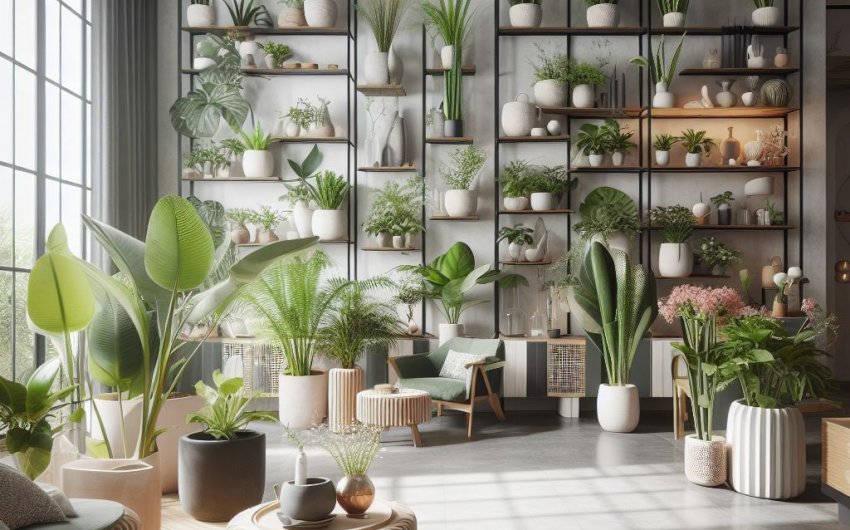
Bringing the beauty of nature indoors can transform any living space. Houseplants add life, vibrancy, and a calming presence, making rooms feel fresher and more inviting. But having a collection of plants isn't just about lining them up on a windowsill; it's about creating a cohesive, eye-catching, and truly stylish indoor garden. This means thinking about design, how plants interact with your home's decor, and how to make every green corner look intentional and beautiful.
Creating a stylish indoor garden isn't just for expert decorators or those with huge, sun-filled rooms. Even in a small apartment or a dimly lit corner, with a few thoughtful choices, you can design a plant display that looks like it stepped out of a magazine. It's about combining form and function, picking the right plants for the right spots, and choosing pots and accessories that tie everything together. Let's explore how to turn your collection of houseplants into a stunning and serene indoor oasis.
What Defines a Stylish Indoor Garden?
A stylish indoor garden is more than just having a lot of plants. It's about intentional design, creating a harmonious look, and making your houseplants feel like an integrated part of your home's decor.
What are the Key Elements of Stylish Indoor Plant Design?
- Intentional Placement: Plants aren't just randomly placed; they are part of a thought-out design plan. This means considering how they fit into a room's layout, where they draw the eye, and how they contribute to the overall atmosphere.
- Variety in Form and Texture: A visually interesting indoor garden uses a mix of plant shapes, leaf sizes, and textures. Think tall, upright plants next to sprawling, trailing ones, or broad, smooth leaves next to delicate, feathery foliage.
- Cohesive Color Palette (of foliage and pots): While most houseplants are green, the shades of green vary (lime, emerald, deep forest green, blue-green). Also, consider variegated leaves (with white, pink, or yellow). The colors of your pots and accessories should also complement each other and your room's decor.
- Layering and Levels: Instead of placing all plants on one surface, use different heights to create depth and visual interest. This can involve plant stands, hanging planters, shelves, and floor plants.
- Quality Over Quantity: A few healthy, well-placed, and beautifully potted plants can be far more stylish than dozens of struggling or poorly presented ones.
- Integration with Decor: The indoor garden should feel like a natural extension of your home's interior design, not an afterthought. The style of your pots, stands, and plant choices should match your home's aesthetic (e.g., modern, bohemian, minimalist, classic).
What are Common Mistakes to Avoid?
- Random Placement: Scattering plants haphazardly without considering light or visual balance.
- Monotonous Look: All plants are the same height, type, or in identical pots, leading to a flat, uninteresting display.
- Neglecting Plant Health: Stylish plants are healthy plants! Yellowing leaves, leggy growth, or dying plants will detract from any design.
- Ignoring Light Needs: Trying to force a sun-loving plant into a dark corner, leading to a struggling plant.
- Clutter: Too many plants crammed into a small space without organization can look messy, not stylish.
A stylish indoor garden feels curated, lively, and adds a natural elegance to your home, reflecting your personal taste and creating a serene oasis.
How Do You Choose the Right Plants for a Stylish Indoor Garden?
Selecting the perfect houseplants for your stylish indoor garden involves more than just their looks. You need to consider their care needs, size, and how they fit into your overall design vision.
What is the Most Important Factor: Light?
Understanding the light conditions in your home is paramount. No amount of styling can make a sun-loving plant thrive in a dark corner.
- Assess Your Light: Identify areas of bright direct light, bright indirect light, medium light, and low light.
- Match Plants to Light: Choose plants that are suited to your available light conditions. For instance:
- Bright Direct: Succulents, cacti, Fiddle Leaf Fig (though often does well in bright indirect too).
- Bright Indirect: Many popular plants like Pothos, Philodendron, Ficus varieties, Money Trees, Monstera.
- Medium to Low Light: Snake Plant, ZZ Plant, Peace Lily, Chinese Evergreen, Cast Iron Plant. You can find Low Light Houseplants specifically.
How to Choose Plants for Variety in Form and Texture?
To create visual interest, pick plants with diverse characteristics:
- Tall & Upright: Add vertical height and a strong focal point.
- Examples: Snake Plant, ZZ Plant, Fiddle Leaf Fig, Rubber Plant, Majesty Palm, Areca Palm.
- Bushy & Mounding: Fill out space and add lushness.
- Examples: Chinese Evergreen, Prayer Plant, Peperomia, Boston Fern, Bird's Nest Fern.
- Trailing & Vining: Perfect for shelves, hanging baskets, or spilling from tall planters.
- Examples: Pothos, Philodendron, String of Pearls, Spider Plant, English Ivy.
- Bold & Broad-Leaved: Create a dramatic statement.
- Examples: Monstera deliciosa, Alocasia, Elephant Ear (Colocasia).
- Delicate & Lacy: Add fine texture and airiness.
- Examples: Maidenhair Fern, Asparagus Fern.
- Unique Shapes & Textures: Add intriguing detail.
- Examples: Cactus varieties (with caution for pets/kids), unique succulents (Echeveria, Haworthia).
What About Foliage Color and Pattern?
Go beyond basic green! Foliage can add significant color and visual pop.
- Dark Green: Creates a rich, lush backdrop. (Snake Plant, ZZ Plant, most Ficus)
- Light Green/Chartreuse: Adds brightness and contrast. (Lemon Lime Dracaena, Golden Pothos)
- Variegated: Leaves with patterns of white, cream, yellow, pink, or red. These are eye-catching.
- Examples: Many Pothos varieties, Chinese Evergreen (Aglaonema), Stromanthe Triostar, Prayer Plants, Croton. You can find Variegated Houseplants.
- Burgundy/Purple: Adds dramatic, deep tones.
- Examples: Rubber Plant 'Burgundy', Tradescantia varieties, Cordyline.
What About Size and Growth Habit?
- Mature Size: Always research the plant's mature size before buying. A small plant can quickly outgrow a space if you don't plan for it.
- Growth Rate: Consider how fast it grows. Fast growers (like Pothos) will need more frequent pruning; slow growers (like ZZ Plant) are truly low-maintenance.
- Pet-Friendliness: If you have pets, check if the plant is safe for them. Many common houseplants are toxic. You can find lists of Pet Safe Houseplants for easy searching.
By carefully selecting plants based on these criteria, you can build a collection that is both beautiful and well-suited to your home and lifestyle, forming the living foundation of your stylish indoor garden.
How Do You Choose Stylish Pots and Accessories?
The pots and accessories you choose are just as important as the plants themselves in creating a cohesive and stylish indoor garden. They are the "outfits" for your plants, reflecting your home's aesthetic.
What Kind of Potting Material is Best for Style and Function?
- Terracotta: Classic, earthy, porous (allows air and moisture exchange, great for plants that like to dry out like succulents or snake plants). Offers a rustic, natural, or bohemian vibe. Unsealed terracotta will show water marks over time, which can be part of its charm. You can find many Terracotta Planters.
- Ceramic/Glazed Pottery: Wide variety of colors, textures, and finishes (matte, glossy). Often very decorative and can match any interior design style. Retains moisture better than terracotta. Ensure good drainage holes.
- Plastic/Resin: Lightweight, affordable, very durable, retains moisture well. Comes in countless shapes, sizes, and colors, including designs that mimic stone or terracotta. Good for larger plants where weight is a concern.
- Metal (Brass, Copper, Enamel, Powder-Coated Steel): Adds a modern, industrial, or bohemian touch. Can develop a beautiful patina. Often used as decorative cachepots (outer pots without drainage holes).
- Woven (Rattan, Wicker, Jute): Brings warmth, natural texture, and a bohemian or coastal feel. Usually used as decorative cachepots, as they are not waterproof or have drainage. A Woven Basket Planter can instantly elevate a look.
How to Choose Colors and Textures for Pots?
- Match Your Decor: Choose pot colors that complement your room's existing color palette.
- Neutrals: White, black, gray, cream, or natural terracotta provide a timeless backdrop that lets the plants shine.
- Accent Colors: Use a pop of color in a pot to draw attention, or pick a color that matches an accent color in your room.
- Vary Textures: Mix smooth, glossy pots with matte, textured ones (e.g., ribbed ceramic, terracotta, woven). This adds visual interest.
- Consistency vs. Eclectic:
- Consistent: Using pots from the same material or color family creates a harmonious, minimalist, or cohesive look.
- Eclectic: Mixing different styles, materials, and colors can create a bohemian or maximalist look, but needs careful curation to avoid looking messy.
What About Plant Stands and Shelves?
These are crucial for creating levels and optimizing space.
- Plant Stands: Come in various heights, materials (wood, metal), and styles. Use them to elevate plants, bringing them closer to light or creating vertical interest. A Mid Century Plant Stand is a popular stylish choice.
- Shelving: Wall-mounted shelves or freestanding bookshelves can be used to display multiple smaller plants, creating a "plant wall."
- Hanging Planters: Ideal for trailing plants, freeing up surface space and adding greenery at eye level. Use macrame hangers, ceramic hanging pots, or metal hangers. A Macrame Plant Hanger adds a boho touch.
What Other Accessories Can Enhance the Look?
- Watering Cans: Choose a sleek, stylish Watering Can that can be displayed as part of your decor.
- Misters: A beautiful Plant Mister is both functional and decorative.
- Pebble Trays: Place pots on a tray of pebbles with a little water to increase humidity and add a decorative touch.
- Decorative Trays: Use a stylish tray to group several smaller plants together, creating a unified display on a table.
- Grow Lights (Stylish Options): If you need supplemental light, look for modern, aesthetically pleasing Grow Lights for Indoor Plants that blend into your decor rather than stand out.
By thoughtfully selecting pots and accessories, you can frame your plants beautifully and transform your indoor garden into a truly stylish focal point in your home.
How to Arrange Plants for Maximum Style?
Arranging your houseplants isn't just about placing them; it's about composing a living still life. Strategic arrangement can make a small collection look lush and a large collection feel cohesive.
What is the "Rule of Three" (and Odd Numbers)?
- Visual Appeal: Groups of odd-numbered items (3, 5, 7) are generally more pleasing and dynamic to the human eye than even-numbered groups.
- Application: When grouping plants, aim for clusters of 3 or 5 plants together. This creates a focal point and looks more natural than placing plants in pairs.
- Vary Sizes/Heights: Within these odd-numbered groupings, ensure plants vary in height, size, or form to create interest.
How to Create Layers and Levels?
This is crucial for depth and visual interest.
- Tallest in Back, Shortest in Front: When arranging plants on a shelf, cabinet, or table, place your tallest, upright plants at the back, medium-sized plants in the middle, and smallest or trailing plants at the front or spilling over.
- Elevate: Use plant stands of varying heights to lift some plants off the floor or tabletop. This creates vertical layers.
- Hanging Plants: Utilize hanging planters or shelves to bring greenery up to eye level, adding a top layer to your display.
- Floor Plants: Large floor plants (like a Fiddle Leaf Fig or a tall Snake Plant) anchor a space and provide the lowest level.
How to Use Negative Space and Grouping?
- Negative Space: Don't cram every available surface with plants. Allow some "negative space" (empty areas) around your plant groupings. This gives the eye a place to rest and makes the plants that are present stand out more.
- Grouping Similar Needs: Cluster plants with similar light, water, and humidity needs together. This simplifies care and also often looks more natural as they might share similar native environments.
- Creating "Zones": Instead of scattering plants throughout a room, create distinct "plant zones" or vignettes. This could be a plant corner, a shelf display, or a plant-filled window area. Each zone tells a story.
What About Contrasting Forms and Textures?
- Bold vs. Delicate: Pair plants with bold, broad leaves (Monstera, Fiddle Leaf Fig) next to plants with fine, delicate, or lacy foliage (Ferns, Asparagus Fern).
- Smooth vs. Textured: Contrast smooth, glossy leaves (ZZ Plant, Rubber Plant) with textured leaves (Prayer Plant, some Peperomias).
- Upright vs. Trailing: Balance tall, rigid plants with soft, flowing trailing plants.
What About Color and Pot Harmony?
- Foliage Color Play: Mix different shades of green, or integrate variegated plants with plain green ones. The interplay of colors in the foliage itself adds richness.
- Pot Cohesion: As discussed earlier, choose pots that complement each other and your room's decor. You don't need all matching pots, but they should belong to the same "family" of style, material, or color palette.
By applying these arrangement principles, you can transform a simple collection of houseplants into a truly stylish indoor garden that adds beauty, life, and serene charm to your home.
How Do You Care for Plants in a Stylish Indoor Garden?
A truly stylish indoor garden is ultimately a healthy one. While design is crucial, consistent and proper plant care ensures your living decor thrives and looks its best.
What are the Key Watering Practices?
- "Feel the Soil" Rule: Never water on a fixed schedule. Always check the soil moisture first. Stick your finger 1-2 inches deep. If it feels dry, it's time to water. If it's still moist, wait. This prevents overwatering, the number one killer of houseplants.
- Water Thoroughly: When you water, do so until water drains from the bottom of the pot. This ensures all the roots get moisture.
- Drainage: Always ensure your pots have proper drainage holes. Discard any standing water in saucers after 15-30 minutes.
- Adjust for Season/Light: Plants in brighter light or warmer temperatures need more frequent watering. In winter or in low-light spots, they use less water and need less frequent watering.
Do Indoor Plants Need Fertilizing?
- During Growing Season: Fertilize actively growing houseplants during their spring and summer growing season. Reduce or stop fertilizing in fall and winter when growth slows.
- Diluted Strength: Use a balanced liquid houseplant fertilizer (e.g., Indoor Plant Fertilizer) diluted to half or quarter strength. Over-fertilizing can burn roots.
- Organic Options: Top-dressing with a thin layer of Worm Castings or Compost provides gentle, slow-release nutrients without the risk of chemical burn.
How to Maintain Proper Humidity and Temperature?
- Humidity: Most houseplants are tropical and appreciate higher humidity than typical indoor environments, especially in winter when heating systems dry the air.
- Signs of Low Humidity: Brown, crispy leaf tips or edges.
- Solutions: Group plants together (they create a humid microclimate), use a pebble tray (fill a tray with pebbles and water, place pot on top, ensuring pot doesn't sit in water), or use a Room Humidifier. Misting provides only a temporary boost.
- Temperature: Most houseplants prefer average room temperatures (65-80°F or 18-27°C). Avoid placing them in drafty areas, near heating/AC vents, or directly next to cold windows in winter, as sudden temperature changes can stress them.
What About Pruning and Cleaning?
- Pruning:
- Dead/Yellow Leaves: Regularly remove any dead, yellowing, or damaged leaves. This keeps the plant looking tidy and redirects energy to healthy growth.
- Shaping: Pinch back leggy growth or prune to maintain a desired shape and encourage bushiness. Use sharp Pruning Snips for Houseplants.
- Cleaning Leaves: Dust can accumulate on leaves, blocking light and hindering photosynthesis. Gently wipe down leaves periodically with a damp cloth or give your plants a gentle shower (if appropriate for the plant) to keep them clean and shiny.
How to Monitor for Pests?
- Regular Inspections: As you water, clean, or admire your plants, take a moment to inspect them closely for any signs of pests (tiny bugs, sticky residue, fine webbing, unusual spots). Check both the top and bottom of leaves.
- Common Pests: Aphids, spider mites, mealybugs, and fungus gnats.
- Early Intervention: If you spot pests, isolate the affected plant immediately. For mild infestations, a strong spray of water can dislodge them. For more persistent issues, use an Organic Insecticidal Soap or neem oil. For fungus gnats, let soil dry out more between waterings.
Consistent, mindful care ensures your houseplants remain healthy and vibrant, forming the living, breathing, and ever-evolving heart of your stylish indoor garden.