
How to grow roses in containers?
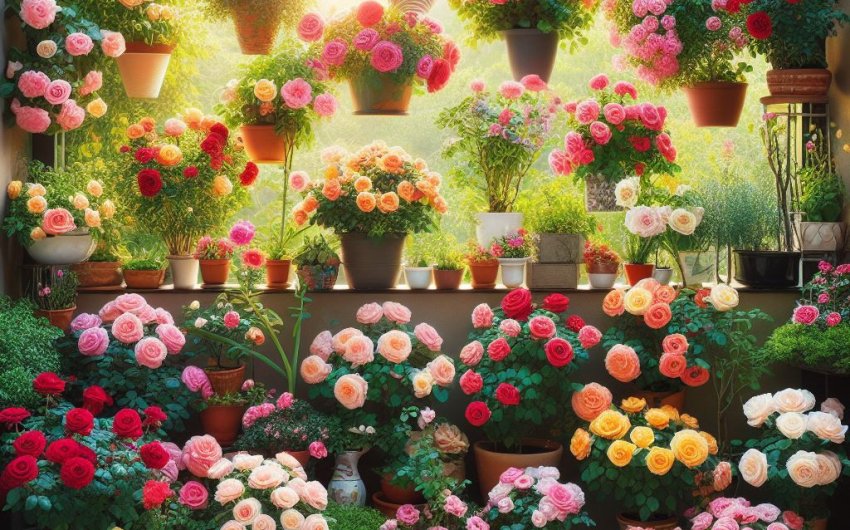
The allure of roses is timeless. Their exquisite blooms, often fragrant, bring romance, beauty, and a touch of classic elegance to any garden. Many people dream of growing these iconic flowers, but sometimes, having a large garden bed isn't an option. Perhaps you have a small patio, a balcony, or just want to add a movable splash of color to your entryway. The wonderful news is that you absolutely can grow beautiful, thriving roses in containers!
Growing roses in pots offers incredible flexibility. You can move them to catch the best sun, protect them from harsh weather, or simply rearrange your outdoor space as your mood changes. While it requires a bit more attention than growing roses in the ground, it's a deeply rewarding experience that brings their captivating charm right to your doorstep. We'll explore everything you need to know, from choosing the right rose varieties and containers to providing the perfect care, so you can enjoy the majestic beauty of roses even in a confined space.
What are the Benefits of Growing Roses in Containers?
Growing roses in pots offers unique advantages that make it an attractive option, especially for gardeners with limited space or specific needs.
What are the Advantages of Flexibility and Mobility?
- Ideal Sun Exposure: Roses need a lot of sun (at least 6-8 hours of direct sun daily). With roses in containers, you can easily move them around your patio, balcony, or garden to ensure they receive the optimal amount of sunlight throughout the day or as the seasons change.
- Protection from Weather: If unexpected frost, a severe hailstorm, or intense heat is coming, you can simply move your potted roses to a more protected location (like a covered patio, garage, or even indoors temporarily).
- Seasonal Placement: You can bring them to a prominent spot when they are blooming spectacularly and then move them to a less visible area when they are between flushes of bloom or looking less attractive.
- Winter Protection: For gardeners in colder climates (where ground-planted roses might struggle), growing roses in containers makes it much easier to provide winter protection by moving them to an unheated garage, shed, or basement.
- Easy Rearrangement: You can easily change the layout of your outdoor space, creating new focal points or adapting to different occasions.
What are the Advantages for Soil and Environment Control?
- Perfect Soil Conditions: You have complete control over the potting mix, ensuring it has ideal drainage, aeration, and nutrient content – often much easier than amending poor native garden soil.
- Disease and Pest Management:
- Isolation: If one rose develops a disease or pest issue, it's easier to isolate it from other plants.
- Specific Treatment: Targeted treatments are simpler to apply.
- Less Soil-Borne Disease: You can use fresh, sterile potting mix, reducing the risk of soil-borne diseases.
- Better Drainage: Containers inherently offer better drainage than many garden soils, which is crucial for roses that hate "wet feet."
What are the Advantages for Small Spaces?
- Balconies and Patios: Container roses are perfect for adding elegance and color to limited outdoor spaces where traditional garden beds aren't possible.
- Focal Points: A single, beautifully blooming rose in a pot can become a stunning focal point on a porch, by a doorway, or as a centerpiece on a patio table.
- Accessibility: For gardeners with mobility issues, containers bring the garden up to a more comfortable working height.
While growing roses in containers requires more attentive watering and feeding, the flexibility, control, and aesthetic appeal make it a highly rewarding endeavor for any rose lover.
What are the Best Rose Varieties for Containers?
Choosing the right rose variety is crucial for success when growing roses in containers. Not all roses are suited for pot life; you need varieties that thrive in confined spaces.
What are Good Dwarf and Miniature Roses?
These are excellent choices because their natural size is well-suited for pots.
- Miniature Roses: These are tiny versions of larger roses, typically growing 6-24 inches tall. They produce small, perfectly formed blooms and often repeat flower constantly.
- Pros: Perfect for small pots, window boxes, or as tabletop decor. Require less pruning.
- Cons: Can dry out quickly in small pots, might need more frequent watering.
- Examples: 'Baby Love' (yellow), 'Apricot Drift' (though Drift is usually classified as groundcover, it does well in containers), many unnamed varieties sold as "Miniature Rose."
- Dwarf or Patio Roses: These are slightly larger than miniatures but still compact, typically 1-3 feet tall. They often have larger blooms than miniatures.
- Pros: Good impact, manageable size.
- Examples: 'Sunblaze' series, 'Perfecta' series, 'Kardinal' mini-floribunda.
What About Floribunda Roses?
Floribunda roses are known for producing clusters of flowers, rather than single blooms, and often have a bushy, more compact growth habit than hybrid teas.
- Pros: Continuous blooming, lots of color impact, many varieties stay a manageable size (2-4 feet tall) suitable for large containers.
- Examples: 'Iceberg' (white, vigorous), 'Sunsprite' (yellow, fragrant), 'Angel Face' (lavender, fragrant), 'Easy Does It' (apricot-orange). A robust Floribunda Rose Plant can thrive in a pot.
Are Hybrid Tea Roses Good for Containers?
Hybrid Tea Roses produce classic, large, single blooms on long stems, often with strong fragrance.
- Pros: Stunning individual flowers, often very fragrant.
- Cons: Many varieties can get quite large (3-6 feet tall or more) and might become gangly in pots without aggressive pruning. They also tend to have fewer blooms overall compared to floribundas. They need larger containers.
- Consideration: Choose more compact hybrid tea varieties if growing in pots.
- Examples: 'Peace' (large, famous), 'Mr. Lincoln' (red, very fragrant), 'Double Delight' (red/white, fragrant).
What About Shrub Roses or Landscape Roses?
Certain shrub roses, particularly the more compact varieties, can also do well in very large containers.
- Pros: Often very hardy, disease-resistant, and continuous blooming.
- Cons: Can still get quite large, so pick carefully.
- Examples: Some of the Drift Rose series (e.g., 'Peach Drift', 'Sweet Drift' – excellent for spilling over edges), or compact Knock Out varieties (like 'Petite Knock Out' – very tough and disease resistant). A container-friendly Drift Rose Plant can add charm.
What Rose Varieties Should You AVOID for Containers?
- Climbing Roses: They get too large and need extensive support that a container cannot provide.
- Rambler Roses: Even larger and more vigorous than climbers, definitely not for pots.
- Very Large Shrub Roses: Unless you have an enormous planter (half-barrel or larger) and are committed to heavy pruning, avoid full-sized shrub roses.
When selecting your rose plant, always check the expected mature height and width on the plant tag. Choose varieties that naturally stay compact or can be easily managed with pruning in a pot.
What is the Best Container and Soil for Roses?
The container and the soil mix you choose are arguably the most critical factors for successful roses in containers. They make or break your rose's ability to thrive.
What Kind of Container is Best?
Size is Paramount: This is the most important consideration.
- Miniature Roses: Start with an 8-10 inch diameter pot.
- Patio/Dwarf Floribundas: A minimum of 15-inch diameter and 15-18 inches deep.
- Hybrid Teas / Larger Floribundas / Compact Shrubs: Aim for at least 18-24 inches in diameter and depth. The bigger the pot, the happier the rose will be (more consistent moisture and nutrients). A Large Planter Pot is key.
Drainage Holes: Absolutely non-negotiable! Roses hate "wet feet." Ensure the container has ample drainage holes at the bottom. If there are no holes, you must drill them yourself.
Material:
- Terracotta: Classic look, breathable (allows air to roots, helps prevent overwatering). However, it dries out quickly, requiring more frequent watering, and can crack in freezing temperatures.
- Plastic/Resin: Lightweight, affordable, retains moisture well. Come in many styles and colors. A good choice for most.
- Glazed Ceramic: Retains moisture well, often very decorative. Can be heavy. Ensure drainage.
- Fiberglass: Lightweight, durable, often looks like stone or terracotta but easier to move.
- Wood (e.g., Whiskey Barrels): Provide good insulation. Ensure they are treated for outdoor use and have drainage holes.
What is the Best Soil for Container Roses?
- NOT Garden Soil: Never use garden soil in containers. It compacts too much, drains poorly, and can contain weed seeds, pests, and diseases.
- High-Quality Potting Mix: Use a good quality Potting Mix for Roses or a general-purpose, peat-based (or coco coir-based) potting mix specifically formulated for containers.
- Good Drainage is Key: The potting mix must be well-draining. Look for mixes that contain ingredients like:
- Perlite or Pumice: For aeration and drainage.
- Pine Bark Fines or Aged Wood Chips: Improve drainage and provide some structure.
- Coco Coir or Peat Moss: For moisture retention while still allowing aeration.
- Nutrient-Rich: While a good mix provides initial nutrients, adding some amendments helps.
- Mix in a few handfuls of compost or Worm Castings for slow-release nutrients and beneficial microbes.
- A small amount of bone meal can provide phosphorus.
How to Prepare the Container and Soil:
- Clean Container: If reusing a container, scrub it thoroughly with hot, soapy water and a bit of bleach (1:9 ratio with water) to sterilize it. Rinse well.
- Add Drainage Layer (Optional and Debated): While some people add a layer of gravel or broken pot shards to the bottom for drainage, many experts now say this actually hinders drainage by creating a "perched water table." For best results, simply ensure good drainage holes and fill with a well-draining potting mix all the way down.
- Fill with Potting Mix: Fill the container with your prepared potting mix, leaving a few inches from the rim.
Choosing the right, adequately sized container with proper drainage and filling it with a high-quality, well-draining potting mix sets your roses in containers up for robust growth and beautiful blooms.
How Do You Plant Roses in Containers?
Once you have your container, soil, and chosen rose, the planting process is straightforward. Getting it right ensures your rose establishes well in its new potted home.
When is the Best Time to Plant?
- Spring: The ideal time is in early spring, after the danger of the last hard frost has passed. This gives the rose the entire growing season to establish its root system before winter.
- Fall (in mild climates): In USDA Zones 7 and warmer, you can also plant in early fall (about 6-8 weeks before the first hard frost) to allow roots to establish before winter dormancy.
How to Plant a Bare-Root Rose in a Container:
If you receive a bare-root rose (often common for ordering new varieties):
- Soak Roots: Before planting, soak the entire bare-root rose (including the stem) in a bucket of water for at least 6-12 hours, or overnight.
- Prepare Pot: Place a mound of moist potting mix in the bottom of your prepared container.
- Position Rose: Center the rose on top of the soil mound. For grafted roses (most modern varieties), the bud union (the knobby part where the rose was grafted onto rootstock) should be about 1-2 inches below the soil surface in cold climates (Zone 6 and colder) for winter protection, or at or slightly above soil level in warmer climates. For own-root roses, plant to the same depth it was previously growing.
- Spread Roots: Spread the roots out evenly over the mound.
- Backfill and Water: Carefully fill the container with potting mix, gently working it around the roots. Tamp lightly to remove large air pockets. Water deeply immediately until water drains from the bottom.
- Mound Soil (Optional, for bare root): For the first few weeks, you can mound extra potting mix or shredded bark around the exposed canes to help prevent them from drying out. Remove this mound after the rose starts actively growing.
How to Plant a Potted Rose (Container-Grown) in a Larger Container:
- Water Plant: Give the rose in its nursery pot a thorough watering an hour or two before you plan to plant.
- Prepare Hole: Add enough potting mix to your larger container so that when the rose is placed on top, its soil level is the same as the rim of the new pot.
- Remove from Pot: Gently tip the nursery pot sideways and slide the rose out. Support the base of the plant. Avoid pulling by the stems.
- Inspect Roots: If the roots are tightly circling the root ball (root-bound), gently loosen them with your fingers. You can also make a few small vertical cuts down the sides of the root ball to encourage outward growth.
- Place and Fill: Center the rose in the new container, ensuring the top of its original root ball is level with the surrounding potting mix. Fill the rest of the pot with fresh potting mix, leaving about 1-2 inches of space from the rim (this is called headroom and is needed for watering).
- Water Deeply: Water thoroughly until water drains from the bottom.
Where to Place Your Newly Potted Rose:
- Immediately place your newly planted rose in its sunniest permanent location.
- For newly transplanted roses, especially bare roots, keep a close eye on their moisture levels during the first few weeks.
Proper planting gives your roses in containers the best chance to establish quickly and start producing beautiful blooms.
How Do You Care for Roses in Containers Throughout the Season?
Caring for roses in containers is similar to caring for them in the ground, but with a few key differences, mainly due to the limited soil volume. Consistent attention to watering and feeding is essential.
What are the Watering Needs?
- More Frequent Watering: This is the most significant difference from in-ground roses. Containers dry out much faster. In hot, sunny weather, you might need to water daily, sometimes even twice a day.
- Check Soil Moisture: Don't water on a schedule. Stick your finger 2-3 inches into the potting mix. If it feels dry, it's time to water.
- Water Deeply: When you water, water until it drains from the bottom of the pot. This ensures all the roots get moisture.
- Avoid Wet Foliage: Try to water the soil at the base of the plant, rather than getting the leaves wet, especially in the evening. This helps prevent fungal diseases like black spot.
- Self-Watering Planters (Optional): Consider a Self Watering Planter for Roses to help maintain consistent moisture.
Do Container Roses Need More Fertilizing?
Yes, roses in containers generally need more frequent feeding than in-ground roses because nutrients leach out of the potting mix with each watering.
- Start After New Growth: Begin fertilizing once new growth emerges and the plant has settled into its new pot (a few weeks after planting).
- Frequency: Fertilize every 2-4 weeks during the active growing season (spring through late summer). Reduce or stop fertilizing in late summer/early fall to allow the plant to prepare for dormancy.
- Type of Fertilizer: Use a balanced Rose Fertilizer (e.g., 5-10-5, 10-10-10, or formulas specifically for roses, which might have higher phosphorus and potassium). You can use liquid, granular, or slow-release formulations.
- Liquid: Fast-acting, good for frequent feeding. Dilute according to package directions.
- Granular/Slow-Release: Mix into the top inch of soil. Release nutrients over a longer period.
- Organic Options: Fish Emulsion or Liquid Seaweed Extract are good organic liquid options. Top-dressing with Worm Castings provides gentle, slow-release nutrients.
How to Prune Container Roses?
Pruning roses in containers follows similar principles to in-ground roses, but it's even more important for managing size and encouraging continuous blooms.
- Deadheading: Regularly remove spent (faded) blooms. Snip the faded flower head just above the first healthy leaf (one with 5 leaflets). This encourages the rose to produce more flowers.
- Maintenance Pruning: Throughout the season, remove any weak, spindly, diseased, or crossing canes. Aim for good air circulation within the plant.
- Dormant Pruning (Late Winter/Early Spring): This is the major annual prune. Remove dead or damaged wood. Reduce the overall size of the plant to manage it for its container. Aim for an open, vase shape. Use sharp Rose Pruning Shears.
What About Pests and Diseases?
Container roses can be susceptible to the same issues as in-ground roses.
- Common Problems: Aphids (on new growth), spider mites (in dry conditions), black spot (fungal disease, dark spots on leaves), and powdery mildew (white powdery coating).
- Prevention:
- Good Air Circulation: Don't overcrowd plants.
- Proper Watering: Water the soil, not the leaves.
- Cleanliness: Promptly remove any diseased leaves or fallen debris.
- Treatment:
- Aphids/Spider Mites: A strong spray of water can dislodge them. For persistent issues, use Insecticidal Soap for Roses or neem oil.
- Fungal Diseases: Ensure good air circulation. Some gardeners use preventative organic sprays (like diluted milk or baking soda solutions) or specialized organic fungicides.
Consistent watering, regular feeding, and smart pruning are the keys to keeping your roses in containers healthy, vibrant, and continuously blooming throughout the season.
How Do You Provide Winter Care for Container Roses?
For gardeners in climates with freezing winters, providing proper winter care for roses in containers is essential. The roots of potted plants are much more exposed to cold than those in the ground.
What is the Goal of Winter Protection?
The goal is to protect the rose's roots from freezing and thawing cycles, which can damage or kill the plant. The canes (stems) also need some protection from drying winter winds.
What are the Best Methods for Winter Protection?
The best method depends on your climate zone and available space.
- Move to an Unheated, Sheltered Location (Ideal for Zone 5-7):
- Location: An unheated garage, shed, cool basement, or covered porch that stays just above freezing (around 30-40°F or -1 to 4°C).
- Preparation:
- In late fall, after a few hard frosts but before consistent freezing, prune the rose back to about 18-24 inches tall.
- Remove all remaining leaves to reduce disease issues.
- Water the pot deeply before moving.
- Wrap the container itself with burlap, bubble wrap, or place it inside a larger pot for extra insulation.
- Winter Care: Water sparingly once a month (or less) during winter, just enough to keep the potting mix from completely drying out. Do not fertilize.
- Spring Transition: In early spring, gradually reintroduce the rose to outdoor conditions (harden off) before placing it back in its sunny spot.
- Bury the Pot (for Hardy Roses in Cold Zones):
- Method: For hardy roses in Zones 5-6, you can dig a trench or hole in your garden large enough to bury the entire pot.
- Preparation: Prune the rose back, remove leaves. Dig the hole. Place the potted rose in the hole. Backfill around the pot with soil, mulch, or leaves.
- Benefits: The surrounding soil insulates the pot, similar to being planted in the ground.
- Spring: Unearth the pot in spring after danger of hard frost.
- Insulate in Place (for Mild Climates or Quick Fix):
- Method: In Zones 7-8, or for brief cold snaps, you can heavily insulate the pot where it sits.
- Preparation: Wrap the pot with several layers of burlap, bubble wrap, or an old blanket. Tie it securely. You can also mound straw or leaves around the base of the plant for extra insulation.
- Benefits: Offers some protection without moving the heavy pot.
- Limitations: Less effective for prolonged or severe freezes.
- No Protection (Warm Climates Only):
- In USDA Zones 9-11, roses in containers may not need significant winter protection, as long as temperatures consistently stay above freezing. However, be prepared to cover them or move them temporarily during unexpected cold snaps.
What About Dormancy and Growth Cycles?
- Natural Dormancy: Roses need a period of dormancy (rest) to bloom well in the following season. Don't try to keep them actively growing indoors in a warm, bright living room all winter if your goal is blooms. The cool, unheated storage method mimics their natural winter rest.
- Leaf Drop: It's normal for container roses to drop most, if not all, of their leaves during winter dormancy. Don't be alarmed; new leaves will emerge in spring.
Proper winter care is probably the most challenging aspect of growing roses in containers, but mastering it ensures your beautiful roses return year after year, ready to fill your space with their captivating blooms.