
What are the best perennial flowers for a beginner gardener?
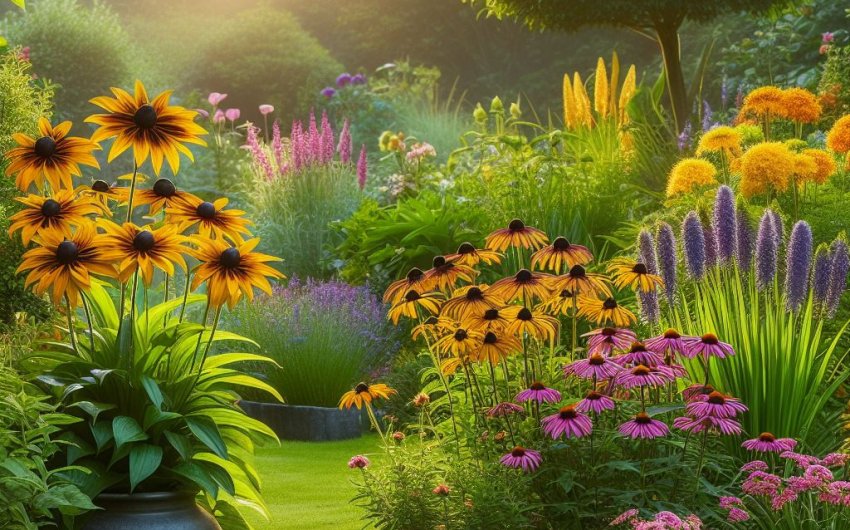
Embarking on the journey of gardening can be both exciting and a little overwhelming. Visions of vibrant flower beds dance in your head, but the sheer variety of plants and endless care instructions can feel daunting. While annuals offer immediate gratification with their season-long burst of color, they require replanting every year. For a more lasting and often less labor-intensive approach, perennial flowers are a fantastic choice, returning year after year to grace your garden with their enduring beauty. They build a foundation for your landscape, growing stronger and more abundant with each passing season.
For a beginner gardener, choosing the right perennials is key to building confidence and enjoying early successes. The best choices are those known for their resilience, ease of care, and consistent bloom. These are the plants that shrug off minor neglect, tolerate a range of conditions, and reliably put on a show without demanding constant attention. By focusing on these easy-care perennials, you can create stunning, low-maintenance flower beds that bring joy and color to your garden for years, proving that a beautiful garden is within everyone's reach.
Why Choose Perennials for a Beginner Garden?
Perennial flowers offer distinct advantages that make them a smart and satisfying choice for those just starting their gardening journey.
What is the "Return Factor" of Perennials?
The most significant advantage of perennials is that they are plants that live for more than two years, typically returning to bloom each spring.
- Comes Back Every Year: Unlike annuals, which complete their life cycle in one growing season and die, perennials go dormant in winter (in most climates) and then re-emerge from the same rootstock each spring. This saves you the time, effort, and cost of replanting every year.
- Establishes and Grows: Over time, perennials establish strong root systems, making them more resilient to drought and various weather conditions. Many will also increase in size each year, forming larger clumps and producing more flowers. A perennial plant marker can help you remember where they're planted over winter.
Do Perennials Save Money Over Time?
Yes, absolutely. While a single perennial plant might cost more upfront than a packet of annual seeds, the long-term savings are significant.
- One-Time Purchase: You buy them once, and they keep giving back for many years.
- Less Replenishment: No need to buy new flats of annuals every spring.
- Propagation: Many perennials can be easily divided every few years, providing "free" new plants to expand your garden or share with friends. This further amplifies the cost savings. For instance, a small garden trowel is perfect for dividing small clumps.
Are Perennials Generally Low-Maintenance?
Yes, once established, many perennials require less frequent attention than high-performance annuals.
- Self-Sufficient: They develop robust root systems that help them find water and nutrients more effectively.
- Less Watering (Often): Established perennials are often more drought tolerant than annuals, requiring less frequent watering during dry spells.
- Fewer Pests/Diseases: Many popular beginner perennials are naturally resistant to common pests and diseases, reducing the need for chemical interventions.
- Reduced Deadheading: While some benefit from deadheading, many don't require constant attention to keep blooming.
- Foundation Plants: They form the backbone of your garden, providing consistent structure and beauty that makes your overall garden maintenance easier.
Do They Support Local Ecosystems?
Many perennials, especially native varieties, are excellent for supporting local wildlife.
- Pollinators: They provide vital nectar and pollen for bees, butterflies, and other pollinators.
- Habitat: Their foliage and sturdy stems can offer shelter and food for beneficial insects and birds.
- Native Plants: Choosing native perennials is particularly beneficial as they are perfectly adapted to your local climate and soil, require less water and fertilizer, and provide the specific resources local wildlife needs. A pollinator seed mix can help attract beneficial insects.
What Characteristics Define a Good Beginner Perennial?
For a beginner gardener, selecting resilient and forgiving perennials is crucial for a positive experience. Look for these traits:
Is It Easy to Grow and Tolerant of Various Conditions?
A forgiving nature is key.
- Wide Adaptability: The best beginner perennials can handle a range of conditions, from full sun to partial shade (depending on the plant), and various soil types (as long as it's not waterlogged).
- Pest and Disease Resistance: They should not be prone to common garden pests or diseases. This means less troubleshooting and frustration for you.
- Tolerant of Neglect: They won't die immediately if you miss a watering or forget to fertilize occasionally. They bounce back easily.
- Hardy: They should be hardy in your USDA hardiness zone, meaning they can survive your local winter temperatures. Check your zone before buying. A good plant tag will list this.
Does it Have a Long Bloom Time or Interesting Foliage?
You want to enjoy your plants for as long as possible.
- Extended Bloom: While individual perennial flowers don't last all season like annuals, many varieties have a long overall bloom period, continuously producing new flowers for weeks or even months.
- Attractive Foliage: Even when not in bloom, the plant should have interesting leaves, whether for color (variegated, purple, chartreuse), texture (feathery, broad), or form (mounding, upright). This ensures year-round interest.
Is it Readily Available and Affordable?
You want to easily find these plants without breaking the bank.
- Commonly Sold: Good beginner perennials are widely available at local garden centers, nurseries, and online retailers.
- Reasonable Price: They should be relatively affordable, especially when buying smaller sizes or bare roots.
Does it Have a Manageable Growth Habit?
Avoid plants that are too aggressive or require constant intervention.
- Non-Invasive: They shouldn't be aggressive spreaders that quickly take over your garden.
- Doesn't Need Constant Staking: While some taller plants might need support, the best beginner perennials are often self-supporting or only need minimal staking. A garden stake is easy to use.
- Easy to Divide: As they grow, many perennials need to be divided. Easy division makes maintenance simpler and provides more "free" plants.
What Are the Best Perennial Flowers for Beginner Gardeners?
Based on the criteria above, here's a list of excellent perennial choices for those new to gardening, covering a range of sun and shade needs.
For Sunny Gardens (6+ hours of direct sun):
- Coneflower (Echinacea purpurea):
- Why it's great: Iconic, daisy-like flowers with raised centers. Very tough, drought-tolerant once established, attracts pollinators (especially bees and butterflies). Long bloom time from summer into fall. Deer resistant.
- Colors: Shades of purple, pink, white, yellow, orange.
- Care: Plant in full sun and well-drained soil. Deadhead for more blooms. A bag of Echinacea seeds is a great value.
- Daylily (Hemerocallis):
- Why it's great: Extremely hardy and adaptable. Requires minimal care. Many varieties bloom for weeks. Some are re-bloomers, flowering multiple times a season. Wide range of colors and sizes.
- Colors: Almost every color imaginable except true blue.
- Care: Full sun to partial shade. Tolerates various soils. Drought-tolerant once established. Divide every few years when clumps get too large. A re-blooming Daylily bare root provides extra value.
- Sedum (Stonecrop):
- Why it's great: Succulent-like foliage is incredibly drought-tolerant. Varieties range from low groundcovers to upright plants like 'Autumn Joy'. Attractive to pollinators in late summer/fall. Excellent for hot, dry spots.
- Colors: Pink, red, white, yellow flowers; green, blue-green, or purple foliage.
- Care: Full sun and very well-drained soil. Virtually no pests or diseases. A Sedum 'Autumn Joy' plant is a popular choice.
- Salvia (Perennial Sage):
- Why it's great: Produces spikes of vibrant blue, purple, pink, or white flowers. Very drought-tolerant, deer resistant, and attractive to hummingbirds and bees. Long bloom time, especially with deadheading.
- Colors: Primarily blue/purple, but also pink, red, white.
- Care: Full sun and well-drained soil. Shear back after first flush for re-bloom. Look for hardy varieties like 'May Night' or 'Caradonna'.
- Coreopsis (Tickseed):
- Why it's great: Cheerful, daisy-like flowers that bloom profusely. Very easy to grow and adaptable. Long bloom time from early summer well into fall. Some varieties are native.
- Colors: Yellow, gold, pink, red, bi-color.
- Care: Full sun and well-drained soil. Deadhead to encourage more blooms. A Coreopsis seed mix can fill a large area.
- Phlox (Garden Phlox - Phlox paniculata):
- Why it's great: Tall spikes of fragrant flowers in mid to late summer, adding significant vertical interest and color. Attracts butterflies.
- Colors: Pink, purple, white, red.
- Care: Full sun to light shade. Needs good air circulation to prevent powdery mildew (choose resistant varieties). Keep soil consistently moist.
For Shady Gardens (Less than 6 hours of direct sun):
- Hosta:
- Why it's great: Grown primarily for its incredible foliage, which comes in a vast array of sizes, shapes, colors (greens, blues, yellows, variegated patterns), and textures. Perfect for brightening up shady spots. Low maintenance.
- Colors: Foliage is the star; some produce purple or white flower spikes.
- Care: Partial to full shade. Prefers consistently moist, well-drained soil. Watch for slugs and snails. A Hosta plant in a variety pack is a great way to start a shade garden.
- Astilbe:
- Why it's great: Features graceful, feathery plumes of flowers that add texture and color to shady borders. Fern-like foliage is attractive.
- Colors: Pink, red, white, purple.
- Care: Partial to full shade. Needs consistently moist soil; does not tolerate dry conditions.
- Bleeding Heart (Dicentra spectabilis):
- Why it's great: Unique, charming heart-shaped flowers dangling from arching stems in early spring. Provides essential early color.
- Colors: Pink with white tips, pure white ('Alba').
- Care: Partial shade is ideal. Prefers consistently moist, well-drained soil. Goes dormant in summer, so plan companion plants to fill the gap. A Bleeding Heart bare root is a common way to purchase.
- Heuchera (Coral Bells):
- Why it's great: Prized for its incredible foliage, which comes in an astonishing array of colors (purple, bronze, amber, lime green, red, silver) and textures. Produces delicate flower spikes. Provides continuous color and interest.
- Colors: Primarily foliage colors. Flowers are typically white, pink, or red.
- Care: Partial shade is best for vibrant foliage color. Needs well-drained soil.
- Ferns:
- Why it's great: Offer a wide range of green, silvery, or red foliage with intricate textures. Provide excellent structure and a lush, woodland feel. Extremely low maintenance.
- Colors: Various shades of green, some with silver or red tints.
- Care: Varies by species, but most prefer shade and consistent moisture. A shade-loving fern plant can add elegant texture.
What Are Essential Steps for Planting Perennials?
Even with easy-care perennials, proper planting sets them up for long-term success.
How Do I Prepare the Soil?
Good soil is the foundation of a healthy garden.
- Soil Test (Recommended): If you're serious, a soil test kit can tell you your soil's pH and nutrient levels, guiding amendments.
- Amend with Organic Matter: Dig in plenty of compost or well-rotted manure into your garden bed. This improves soil structure (drainage in clay, water retention in sand), adds nutrients, and fosters beneficial soil life. Aim for a depth of at least 12 inches.
- Drainage: Ensure your planting area has good drainage. Most perennials hate "wet feet." If water pools, consider building a raised bed. A garden fork is helpful for amending soil.
How Do I Plant Perennial Flowers?
- Dig the Right Hole: Dig a hole that is as deep as the root ball and 2-3 times wider. This allows roots to spread easily.
- Remove from Pot: Gently remove the plant from its nursery pot. If the roots are circling tightly around the root ball (root-bound), gently loosen them with your fingers or a small trowel.
- Plant at Correct Depth: Place the plant in the hole so that the top of the root ball is level with the surrounding soil surface. Do not bury the crown (where the stems meet the roots).
- Backfill and Water: Backfill the hole with soil, gently firming it around the roots. Water thoroughly to settle the soil and remove air pockets. A watering can helps here.
- Mulch: Apply a 2-3 inch layer of organic mulch (shredded bark, compost, straw) around the plant. Keep it a few inches away from the stem to prevent rot. Mulch helps retain moisture, suppress weeds, and moderate soil temperature.
When is the Best Time to Plant Perennials?
- Spring: The most popular time. Plant after the danger of the last frost has passed. This gives plants a full growing season to establish before winter.
- Fall: Also an excellent time, especially in warmer climates. Plant at least 6 weeks before your average first hard frost. This allows roots to establish in cooling soil before winter dormancy.
How Far Apart Should I Plant Them?
- Read Plant Tags: Always follow the spacing recommendations on the plant tag. This information is crucial for healthy growth and good air circulation.
- Consider Mature Size: Remember that perennials will grow! Give them enough room for their mature size, not just their size at planting. Overcrowding can lead to poor air circulation, increased disease, and competition for resources.
What Are Essential Care Tips for Thriving Perennials?
Once planted, a few consistent care practices will keep your perennials healthy and blooming.
How Often Should I Water New and Established Perennials?
- New Plants: During their first growing season, newly planted perennials need regular watering to establish their root systems. Water deeply every few days if there's no rain, ensuring the soil stays consistently moist.
- Established Plants: Once established (usually after their first year), most beginner perennials are more drought tolerant and need less frequent watering. Water deeply but infrequently, allowing the top few inches of soil to dry out between waterings. This encourages deep root growth. A soil moisture meter can help gauge moisture levels.
- Avoid Overhead Watering: Water at the base of the plant to avoid wetting foliage, which can encourage fungal diseases.
Do Perennials Need Fertilizing?
- Organic Matter is Best: For most perennials, especially in a well-prepared bed, a yearly top dressing of compost in early spring is usually sufficient. This slowly releases nutrients and improves soil structure.
- Balanced Fertilizer (Optional): If your soil is poor or plants show signs of nutrient deficiency (pale leaves, slow growth), apply a balanced, slow-release granular fertilizer once in early spring. Follow package directions carefully. Avoid excessive nitrogen, which promotes leafy growth over flowers. A bag of all-purpose granular fertilizer works well.
What is Deadheading and Pinching?
These pruning techniques enhance blooming and plant shape.
- Deadheading: Removing spent or faded flowers. This prevents the plant from putting energy into seed production and encourages it to produce more flowers, extending the bloom season. Use clean pruning snips.
- Pinching: Removing the very tip of a stem (new growth). This encourages bushier, more compact growth and can sometimes delay flowering slightly for a later, more abundant bloom.
When Should I Divide Perennials?
- Rejuvenation: Over time, clumps of perennials can become overcrowded, leading to reduced flowering or a dying center. Dividing them rejuvenates the plant, giving individual sections more space, water, and nutrients.
- Propagation: It's also a great way to get "free" new plants to expand your garden or share.
- Frequency: Typically every 3-5 years, or when you notice signs of decline.
- Timing: Most perennials are best divided in early spring (as new growth emerges) or early fall (after flowering but before hard frost).
- Tools: A sharp shovel or a garden knife for dividing helps.
How Do I Prepare Perennials for Winter?
Winter care helps your perennials survive the cold and return strong in spring.
- Cut Back or Leave: Decide whether to cut back herbaceous perennials in fall or leave the foliage for winter interest, wildlife shelter, and moisture trapping. Many gardeners cut back plants that look messy or had disease. Leaving seed heads provides food for birds.
- Winter Mulch (Optional): In colder zones or for marginally hardy plants, apply a loose layer of winter mulch (straw, shredded leaves, evergreen boughs) after the ground freezes. This helps insulate the soil and prevents frost heave (where plants are pushed out of the ground by freezing and thawing).
- Protect from Critters: If deer or rabbits are an issue, ensure any vulnerable plants have appropriate winter protection.
What Are Common Problems to Watch For (and How to Avoid Them)?
Even easy-care perennials can face challenges. Knowing what to look for and how to prevent it is key.
What is Powdery Mildew and How to Prevent It?
Powdery mildew is a common fungal disease that looks like a white, powdery coating on leaves.
- Cause: High humidity, poor air circulation, and sometimes too much nitrogen fertilizer.
- Prevention:
- Choose Resistant Varieties: Many Phlox and Monarda cultivars are bred for mildew resistance.
- Good Air Circulation: Space plants properly at planting. Divide overcrowded clumps.
- Water at Base: Water the soil, not the foliage, and water in the morning so leaves can dry.
- Fungicides (Organic): If it appears, try organic options like neem oil or a diluted baking soda solution. A neem oil spray for plants can be effective.
How Do I Deal with Slugs and Snails?
These pests love to munch on tender perennial leaves, especially Hostas.
- Signs: Irregular holes in leaves, often with silvery slime trails.
- Prevention/Control:
- Remove Hiding Spots: Clear away excess leaf litter and debris from around plants.
- Hand-Pick: Go out at dusk or after rain with a flashlight and hand-pick them, dropping into soapy water.
- Beer Traps: Sink shallow dishes of beer into the soil (rim level) to drown them.
- Organic Baits: Use organic slug bait (iron phosphate based) that is safe for pets and wildlife.
- Diatomaceous Earth: Sprinkle a barrier around vulnerable plants (effective when dry, reapply after rain).
Why Are My Perennials Leggy or Floppy?
This usually means they are stretching for light or have too much nitrogen.
- Lack of Light: If a plant that needs full sun is in too much shade, it will stretch to find light, becoming tall and spindly.
- Solution: Move it to a sunnier spot or remove nearby shading plants.
- Too Much Nitrogen: Excessive nitrogen fertilizer encourages lush, weak, leafy growth at the expense of sturdy stems and flowers.
- Solution: Use a balanced fertilizer or rely on compost.
- Solution: Pinching back young growth or shearing taller plants after their first bloom (e.g., for Salvia, Catmint) can encourage bushier growth. Staking may be necessary for very tall plants.
What if My Perennials Aren't Blooming?
Several factors can inhibit flowering.
- Insufficient Light: The most common reason. Most flowering perennials need adequate sun.
- Solution: Move to a sunnier location.
- Too Much Nitrogen: Excessive nitrogen (e.g., from lawn fertilizer runoff) can lead to lots of green leaves but few flowers.
- Solution: Use a more balanced fertilizer or just compost.
- Overcrowding: Older, overcrowded clumps may have reduced vigor and fewer blooms.
- Solution: Divide the plant.
- Too Young/Old: Some perennials take a few years to establish before blooming well. Others might be past their prime and need division.
- Late Frost Damage: A late spring frost can damage developing flower buds.
- Solutions: Assess light, soil, age, and division needs. Be patient with young plants.