
How to attract butterflies to your flower garden?
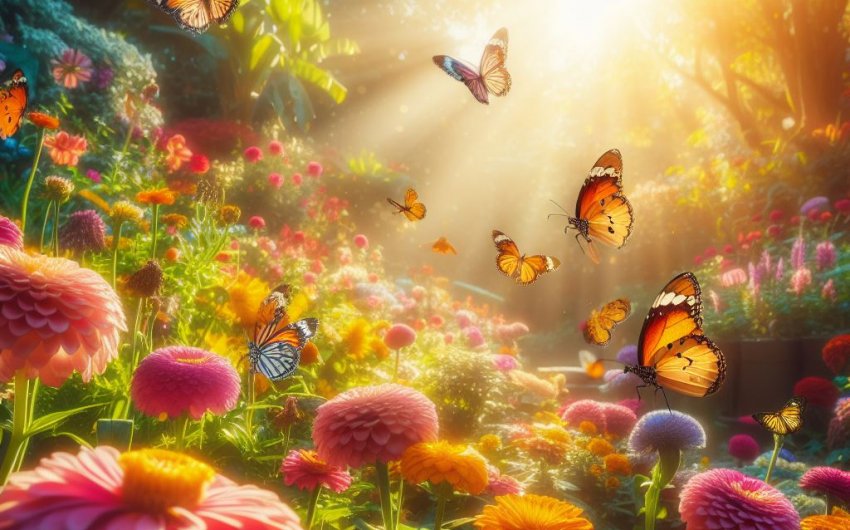
To attract butterflies to your flower garden, the most effective strategy is to provide all the resources they need throughout their life cycle: diverse nectar sources for adults, host plants for caterpillars, water, and shelter. Creating a comprehensive habitat will ensure these beautiful pollinators visit and thrive.
What Do Butterflies Need in a Garden?
To truly attract butterflies to your flower garden, you need to understand that they require more than just a pretty flower for a quick sip of nectar. Butterflies have complex life cycles and need specific resources at different stages to thrive. Creating a holistic habitat is key to making your garden a true butterfly haven.
1. Nectar Sources for Adult Butterflies
- Fuel for Flight: Adult butterflies primarily feed on nectar, a sugary liquid produced by flowers. Nectar provides them with the energy they need to fly, mate, and lay eggs.
- Diverse Bloom Times: Offer a continuous succession of blooming flowers from early spring to late fall. Butterflies emerge at different times throughout the season and need reliable food sources.
- Flower Shape and Color:
- Flat-topped clusters: Many butterflies prefer flowers with flat, clustered blooms that provide a broad landing pad (e.g., Sedum, Yarrow, Coneflower).
- Tubular flowers: Some butterflies, especially those with longer proboscises (feeding tubes), prefer tubular flowers (e.g., Penstemon, Bee Balm).
- Colors: Butterflies are generally attracted to bright colors like purple, pink, red, orange, yellow, and white. They can see ultraviolet (UV) light, which reveals nectar guides on certain flowers.
- Nectar Richness: Choose flowers known for high nectar production. Many hybrid or "double" flowers are bred for show and may produce little or no nectar/pollen. Stick to single-petal varieties.
- Mass Plantings: Plant flowers in large clumps of the same species (at least 3-4 feet or 1 meter in diameter). This makes them more visible and efficient for butterflies to feed from, as they don't have to expend as much energy searching for the next flower.
2. Host Plants for Caterpillars
- Food for the Next Generation: This is perhaps the most overlooked, yet vital, component. Adult female butterflies lay their eggs exclusively on specific host plants. The emerging caterpillars feed on the leaves of these plants. Without host plants, you'll attract adults, but they won't stay to reproduce.
- Species-Specific: Different butterfly species have different host plant requirements. For example, Monarch caterpillars only eat Milkweed. Swallowtail caterpillars eat parsley, dill, fennel, and rue.
- Accept Damage: Be prepared for chewed leaves! A thriving butterfly garden will have some chewed-on leaves, which is a sign of success. Embrace it as part of the ecosystem. You can hide host plants behind ornamental ones if desired.
3. Water Source
- "Puddling" Areas: Butterflies often "puddle," meaning they gather on damp soil, sand, or rocks to sip water and absorb dissolved minerals and salts.
- Shallow Dishes: Provide a shallow dish or a bird bath with rocks or sand in it. Fill it with water, ensuring some of the rocks or sand remain above the water line for landing spots. A Butterfly Puddler Dish is perfect.
4. Shelter and Sunshine
- Shelter from Wind: Butterflies are delicate and strong winds can make flight difficult. Provide sheltered areas created by dense shrubs, trees, or fences where they can rest and escape harsh weather.
- Basking Spots: Butterflies are cold-blooded and need sunlight to warm their bodies before they can fly. Provide flat, dark rocks or stones in sunny locations where they can bask.
- Overwintering Sites: Leave some leaf litter, hollow stems, or brush piles in undisturbed corners of your garden. Some butterflies overwinter as adults, pupae, or eggs in these sheltered spots.
5. No Pesticides!
- Chemical-Free Zone: This is non-negotiable. Even "organic" pesticides can harm butterflies and their larvae. Avoid all insecticides, especially broad-spectrum ones, if you want a thriving butterfly garden. Embrace natural pest control methods.
By providing these essential resources throughout the butterfly life cycle, you'll create a welcoming habitat that encourages these beautiful creatures to visit, forage, and reproduce in your flower garden.
What Are the Best Nectar Plants to Attract Butterflies?
Choosing the right nectar plants is paramount to attract butterflies to your flower garden, providing them with the vital energy they need. Look for plants with abundant, easily accessible nectar, and consider a diverse range of bloom times to ensure a continuous food source throughout the season.
Here's a list of some of the best nectar plants, often available as Pollinator Garden Seeds:
1. Butterfly Bush (Buddleja davidii)
- Why it's great: A classic for a reason. Its long, conical flower spikes are absolute magnets for butterflies, providing abundant nectar.
- Colors: Purple, pink, white, yellow.
- Considerations: Some varieties can be invasive in certain regions; choose sterile or non-invasive cultivars if concerned (e.g., 'Lo & Behold' series, 'Miss Molly'). Requires full sun and good drainage.
2. Coneflower (Echinacea purpurea)
- Why it's great: A native perennial with sturdy, daisy-like flowers. Its central cone offers a landing platform, and it's a rich nectar source. Very hardy and drought-tolerant once established.
- Colors: Purple is classic, but also pink, white, yellow, orange.
- Considerations: Deadhead spent blooms to encourage more flowering.
3. Liatris (Blazing Star/Gayfeather) (Liatris spicata)
- Why it's great: Unique upright flower spikes covered in fuzzy, purple blooms that open from the top down. A fantastic vertical accent and a major butterfly magnet, especially for Monarchs and Swallowtails.
- Colors: Purple, pink, white.
- Considerations: Prefers full sun and well-drained soil. Excellent for meadow gardens.
4. Joe Pye Weed (Eutrochium purpureum or Eupatorium maculatum)
- Why it's great: A tall, majestic native perennial that produces huge clusters of fluffy, dusky-pink to purple flowers in late summer and fall. Essential for late-season butterflies.
- Colors: Pink, purple.
- Considerations: Can grow very tall (5-7 feet), so place at the back of the border. Prefers full sun to partial shade and moist soil.
5. Sedum ('Autumn Joy', 'Fall-blooming' varieties) (Hylotelephium spectabile)
- Why it's great: Extremely tough, drought-tolerant succulents that produce large, flat-topped flower clusters in late summer and fall. Provide excellent landing pads and a vital nectar source when many other plants are fading.
- Colors: Pink, rosy-red, burgundy.
- Considerations: Full sun. Very low maintenance.
6. Zinnia (Zinnia elegans)
- Why it's great: A vibrant annual that blooms continuously from summer until frost. Single-petal varieties are best for butterflies. Easy to grow from seed.
- Colors: Almost every color imaginable, including pink, orange, red, yellow, purple, white.
- Considerations: Full sun. Regular deadheading encourages more blooms.
7. Phlox (Phlox paniculata / Garden Phlox)
- Why it's great: Produces large, fragrant flower clusters in summer, attracting butterflies and hummingbirds. Many native varieties.
- Colors: Pink, purple, white, red.
- Considerations: Prefers full sun to light shade and consistently moist soil. Choose mildew-resistant varieties.
8. Bee Balm (Monarda didyma)
- Why it's great: A native perennial with shaggy, tubular flowers that are irresistible to hummingbirds, bees, and butterflies. Very fragrant.
- Colors: Red, pink, purple.
- Considerations: Prefers full sun to partial shade and moist soil. Can be prone to powdery mildew if air circulation is poor.
9. Salvia (Sages) (Salvia spp.)
- Why it's great: A vast genus with many species offering long-lasting spikes of tubular flowers. Very attractive to hummingbirds and butterflies. Many are drought-tolerant.
- Colors: Purple, blue, red, pink.
- Considerations: Varies by species; some are perennial, some annual.
10. Lantana (Lantana camara)
- Why it's great: A vigorous, heat-loving plant that produces continuous clusters of small, brightly colored flowers. Very attractive to butterflies. Often grown as an annual in cooler climates.
- Colors: Mixed colors (pink/yellow, red/orange), purple, yellow.
- Considerations: Full sun, drought-tolerant once established. Can be invasive in some warm climates.
By incorporating a diverse range of these nectar-rich plants, you'll provide a continuous feast for adult butterflies, greatly increasing your chances to attract butterflies to your flower garden.
What Are the Essential Host Plants for Butterflies?
To truly attract butterflies to your flower garden and encourage them to reproduce, you must include host plants for their caterpillars. This is often the missing piece in many butterfly gardens. Without the right host plants, adult female butterflies will visit for nectar but will likely lay their eggs elsewhere, denying you the full spectacle of the butterfly life cycle.
Here's a list of essential host plants for some common and beloved butterfly species:
1. Milkweed (Asclepias spp.) - For Monarch Butterflies
- Butterfly: Monarch butterfly (Danaus plexippus)
- Why it's essential: Monarch caterpillars feed exclusively on milkweed. No milkweed, no Monarchs.
- Types:
- Common Milkweed (Asclepias syriaca): Very hardy, spreads readily.
- Butterfly Milkweed (Asclepias tuberosa): Bright orange flowers, less aggressive spreading, excellent for gardens. You can purchase Butterfly Weed Seeds.
- Swamp Milkweed (Asclepias incarnata): Pink flowers, prefers moist soil.
- Considerations: Plant species native to your region for best results. Be prepared for chewed leaves—this is a sign of success!
2. Dill, Fennel, Parsley, Rue (Anethum graveolens, Foeniculum vulgare, Petroselinum crispum, Ruta graveolens) - For Swallowtail Butterflies
- Butterflies: Eastern Black Swallowtail (Papilio polyxenes), Anise Swallowtail (Papilio zelicaon), Giant Swallowtail (Papilio cresphontes - primarily Rue, Citrus).
- Why they're essential: Caterpillars of various swallowtail species feed on the leaves of these culinary herbs.
- Considerations: Plant enough for yourself and the caterpillars! Place these herbs where you don't mind some munching.
3. Passion Vine (Passiflora spp.) - For Fritillary Butterflies
- Butterflies: Gulf Fritillary (Agraulis vanillae), Variegated Fritillary (Euptoieta claudia).
- Why it's essential: Passion vines are the sole host plants for the beautiful fritillary caterpillars.
- Considerations: Many Passiflora species are vigorous climbers; choose native or less aggressive varieties if concerned about spread. Some are hardy in warmer zones, others are annuals in cooler climates.
4. Violets (Viola spp.) - For Fritillary Butterflies (Speyeria and Boloria Genera)
- Butterflies: Various Fritillary butterflies (e.g., Great Spangled Fritillary, Silver-bordered Fritillary).
- Why they're essential: These Fritillary caterpillars feed on violets.
- Considerations: Violets are often considered "weeds" in lawns, but they are incredibly valuable host plants in a naturalized garden setting.
5. Serviceberry (Amelanchier spp.) - For Admirals, Viceroys, and other butterflies
- Butterflies: Red-spotted Purple (Limenitis arthemis), Viceroy (Limenitis archippus).
- Why it's essential: These native trees or large shrubs provide an early nectar source (white flowers in spring) and act as host plants.
- Considerations: Excellent multi-season interest: spring flowers, summer berries (edible for humans and birds), fall foliage.
6. Poplar, Willow, Birch, Aspen Trees (Populus spp., Salix spp., Betula spp.) - For Mourning Cloak, Viceroy, etc.
- Butterflies: Mourning Cloak (Nymphalis antiopa), Viceroy (Limenitis archippus), Eastern Tiger Swallowtail (Papilio glaucus - also on Tulip Poplar, Cherry, Ash).
- Why they're essential: These common trees serve as host plants for several larger butterfly species.
- Considerations: These are larger trees, so ensure you have the space.
7. Clover (Trifolium spp.) - For Clouded Sulphur, Eastern Tailed-Blue, and others
- Butterflies: Clouded Sulphur (Colias philodice), Eastern Tailed-Blue (Cupido comyntas).
- Why it's essential: These small, often overlooked plants are crucial hosts for smaller butterflies.
- Considerations: Can be incorporated into lawns or naturalized areas.
By strategically planting a mix of host plants alongside your nectar sources, you provide a complete life cycle habitat, ensuring that you not only attract butterflies to your flower garden but also support future generations of these winged jewels.
How Do You Design a Butterfly-Friendly Garden Layout?
To effectively attract butterflies to your flower garden, the layout and overall design are just as important as the individual plants you choose. A thoughtful garden layout provides the necessary resources efficiently, creates a welcoming environment, and enhances your viewing pleasure.
1. Plant in Masses and Drifts
- Why it works: Butterflies are highly visual. Large clumps or drifts of the same flower species (at least 3-4 feet or 1 meter in diameter) are far more noticeable to them than scattered individual plants.
- Efficiency: Planting in masses allows butterflies to gather more nectar with less energy expenditure, as they don't have to fly far between similar flowers. This encourages them to linger in your garden.
- Aesthetics: Large drifts of color are also more visually appealing for human observers, creating a more dramatic and cohesive flower garden.
2. Provide Continuous Bloom
- Why it works: Butterflies are active from early spring through late fall. They need a consistent nectar supply throughout the entire growing season.
- Strategy: Select plants with varied bloom times (early, mid, late season). Plan your garden layout so that as one group of plants finishes flowering, another is just beginning.
- Example Succession:
- Spring: Crocus (for early emerging), Salvia 'May Night', Alyssum.
- Summer: Bee Balm, Coneflower, Phlox, Zinnia.
- Late Summer/Fall: Joe Pye Weed, Sedum 'Autumn Joy', Aster, Goldenrod.
3. Incorporate Both Nectar and Host Plants
- Complete Habitat: Don't just focus on nectar sources. Integrate host plants (even if they get chewed up!) into your flower garden layout.
- Strategic Placement: If you're worried about chewed leaves being unsightly, place host plants (like dill or parsley) towards the back of the border or in a less prominent area where the munching won't be as noticeable.
- Dedicated Section: Consider a dedicated "butterfly nursery" section for host plants if you have space.
4. Provide Shelter from Wind
- Why it works: Butterflies are delicate and strong winds make feeding and flying difficult, causing them to expend more energy.
- Strategy: Place taller plants, dense shrubs, trees, fences, or garden structures (like a shed or wall) strategically on the windward side of your butterfly garden. This creates sheltered "pockets" where butterflies can rest and feed more comfortably.
5. Include Puddling Areas and Basking Spots
- Puddling: Create shallow areas with moist sand or gravel, or a shallow dish filled with sand/gravel and water. Place these near your flower beds. You can buy a Butterfly Puddling Stone.
- Basking: Place flat, dark-colored rocks or stones in sunny spots within or adjacent to your flower garden. Butterflies need to warm up in the sun before they can fly.
6. Offer Resting Spots
- Perching: Butterflies need places to perch and rest between sips of nectar. Provide flat-topped flowers, broad leaves, or small branches.
- Night Roosting: Include some taller, denser shrubs or trees where butterflies can safely roost overnight.
7. Create a Pesticide-Free Zone
- Crucial: This is a design principle. Ensure your entire flower garden (and ideally your whole yard) is free of insecticides. Even organic sprays can harm butterflies. Communicate this to anyone who helps with garden care.
8. Consider Water Flow
- Drainage: Ensure your flower garden has good drainage to prevent waterlogging, which can harm plants and potentially drown larvae.
- Watering Methods: Use drip irrigation or hand-watering at the base of plants to avoid wetting foliage, which can spread disease.
By integrating these design elements into your garden layout, you'll create an irresistible and sustainable haven that encourages butterflies to not only visit but to make your flower garden their home, allowing you to enjoy their beauty year after year.
What Are Common Mistakes to Avoid When Attracting Butterflies?
While the desire to attract butterflies to your flower garden is strong, certain common mistakes can hinder your efforts or even harm these delicate creatures. Being aware of these pitfalls will help you create a more effective and truly butterfly-friendly habitat.
1. Using Pesticides (The Biggest Mistake)
- The Problem: This is the most critical mistake. Even organic or "natural" pesticides can kill butterflies (adults and especially caterpillars) and other beneficial insects. Herbicides also reduce host plants.
- Why it's Bad: Pesticides are indiscriminate. If you spray for aphids, you might also kill butterfly eggs or young caterpillars. If you spray a broad-spectrum insecticide, you will decimate the very creatures you're trying to attract.
- Solution: Go completely pesticide-free in your butterfly garden. Embrace natural pest control methods like hand-picking, encouraging beneficial insects (like ladybugs), or using barriers. Embrace some level of pest damage as part of a healthy ecosystem.
2. Planting Only Nectar Sources, Ignoring Host Plants
- The Problem: Many new butterfly gardeners focus solely on pretty, nectar-rich flowers.
- Why it's Bad: Adult butterflies will visit, sip nectar, and leave because they have nowhere to lay their eggs or for their caterpillars to feed. You'll miss the crucial larval stage of the butterfly life cycle.
- Solution: Research and plant appropriate host plants for the butterfly species native to your region. Be prepared for some chewed leaves on these plants.
3. Not Providing Continuous Bloom
- The Problem: Having all your chosen flower garden plants bloom at the same time, leaving large gaps with no available nectar.
- Why it's Bad: Butterflies are active from spring to fall. If there's no food for them during parts of the season, they will seek other gardens.
- Solution: Plan your flower garden layout with a succession of blooms, ensuring something is always in flower from early spring (for early emerging butterflies) to late fall (for late-season migrants like Monarchs).
4. Planting Scattered Single Flowers
- The Problem: Spreading individual plants or different species far apart in your garden.
- Why it's Bad: Butterflies use a lot of energy flying from flower to flower. Scattered plants make foraging inefficient.
- Solution: Plant in large clumps or drifts of the same species (at least 3-4 feet / 1 meter in diameter). This makes them more visible from a distance and allows butterflies to feed more efficiently.
5. Not Offering Shelter
- The Problem: Having an exposed garden with no protection from wind or rain.
- Why it's Bad: Butterflies are delicate. Strong winds make flight difficult and can exhaust them. They also need places to rest and shelter from bad weather.
- Solution: Incorporate dense shrubs, trees, fences, or other garden structures that provide windbreaks and safe resting spots.
6. Ignoring Puddling or Basking Needs
- The Problem: Not providing a water source or warm spots for butterflies.
- Why it's Bad: Butterflies need water and minerals (from puddling) and warmth (from basking) to survive and be active.
- Solution: Create shallow puddling areas with moist sand or gravel, and place flat, dark rocks in sunny spots.
7. Choosing "Showy" Over "Nectar-Rich" Cultivars
- The Problem: Many highly hybridized or "double-flowered" ornamental plants are bred for visual appeal, not for their ecological function.
- Why it's Bad: These flowers often have very little nectar or pollen, or their complex petal structures make it difficult for butterflies to access.
- Solution: Opt for single-petal varieties or open-faced flowers that offer easily accessible nectar. Research a plant's value to pollinators before planting.
By avoiding these common mistakes, you can create a truly effective and thriving habitat that will consistently attract butterflies to your flower garden, allowing you to witness their complete and mesmerizing life cycle.
What Are the Benefits of Attracting Butterflies to Your Garden?
Attracting butterflies to your flower garden offers a multitude of benefits that extend far beyond the sheer aesthetic pleasure of watching these beautiful creatures flutter by. A butterfly-friendly garden contributes to a healthier environment, enriches your personal well-being, and serves as a vital educational tool.
1. Pollination Powerhouses
- Essential for Ecosystems: Butterflies, like bees, are crucial pollinators. As they move from flower to flower sipping nectar, they inadvertently transfer pollen, which is necessary for many plants (including fruits, vegetables, and wildflowers) to produce seeds and fruit.
- Increased Garden Productivity: For gardeners, this means improved yields for crops that rely on insect pollination, such as squash, cucumbers, and many fruit trees.
- Support for Wild Plants: Beyond your garden, butterflies contribute to the health of wild plant populations, which form the base of many ecosystems.
2. Biodiversity Boost
- Indicators of Health: A thriving butterfly population often indicates a healthy, balanced ecosystem. Their presence suggests good air quality, clean water, and a diverse range of plant life.
- Supports Other Wildlife: By attracting butterflies, you're also often creating a habitat that supports other beneficial insects, birds, and small animals, enriching your garden's overall biodiversity. This helps build a resilient ecosystem.
- Conservation: Many butterfly species are experiencing population declines due to habitat loss and pesticide use. By creating a butterfly garden, you're directly contributing to their conservation efforts, providing vital waystations and breeding grounds.
3. Natural Beauty and Aesthetic Appeal
- Living Art: Butterflies are arguably the most beautiful insects, with their vibrant colors and graceful flight. They add a dynamic, mesmerizing element to your flower garden, turning it into a living work of art.
- Year-Round Interest: From the caterpillars munching on host plants, to the chrysalises, to the adults flitting among the flowers, a butterfly garden provides continuous interest and wonder throughout the seasons.
4. Educational Opportunities
- Learning About Life Cycles: A butterfly garden is a fantastic outdoor classroom for children and adults alike. Observing the complete metamorphosis from egg to caterpillar to chrysalis to butterfly is a profound learning experience about nature's cycles.
- Environmental Awareness: It fosters a deeper appreciation for pollinators, biodiversity, and the interconnectedness of nature, promoting environmental stewardship. A Butterfly Life Cycle Kit can complement this learning.
5. Personal Well-being and Enjoyment
- Stress Reduction: Spending time in nature, observing wildlife, and engaging in gardening are proven stress reducers. The peaceful flutter of butterflies can be incredibly calming and meditative.
- Connection to Nature: Creating a butterfly garden fosters a deeper personal connection to the natural world, allowing you to witness its beauty and complexity firsthand.
- Sense of Accomplishment: The satisfaction of seeing your garden teeming with life, knowing you've provided essential habitat, is immensely rewarding.
In essence, attracting butterflies to your flower garden transforms it from a mere collection of plants into a vibrant, dynamic ecosystem, offering profound ecological benefits, enhancing beauty, and enriching your life in countless ways. It's a truly rewarding endeavor that brings a touch of magic to your outdoor space.
What Other Features Can Enhance Your Butterfly Garden?
Beyond the essential nectar and host plants, incorporating additional features can significantly enhance your efforts to attract butterflies to your flower garden, making it an even more inviting and comprehensive habitat. These elements provide comfort, security, and added resources that encourage butterflies to linger and thrive.
1. Sun-Bathing Rocks
- Why they're great: Butterflies are cold-blooded and need to warm their bodies in the sun before they can fly and be active.
- Feature: Place several flat, dark-colored rocks or stones in sunny locations within or near your flower garden. Dark rocks absorb heat more effectively.
- Placement: Ensure they are in spots that get direct sun for several hours, especially in the morning.
2. Butterfly Houses/Roosting Boxes
- Why they're great: While butterflies often prefer natural shelter, a dedicated butterfly house can offer additional protection from wind, rain, and predators, and a place to roost overnight.
- Feature: These are typically narrow wooden boxes with vertical slits (rather than holes) that are too small for birds to enter, but allow butterflies in.
- Placement: Mount on a post or tree, facing south or southeast, in a sheltered spot, about 4-6 feet (1.2-1.8 meters) off the ground. A Wooden Butterfly House adds a charming touch.
- Note: Effectiveness can vary; some sources suggest butterflies prefer natural shelter, but it's a worthwhile addition.
3. Undisturbed Areas and Brush Piles
- Why they're great: Many butterflies overwinter as adults, pupae, or eggs in sheltered spots within the garden.
- Feature: Designate a small, undisturbed area in a corner of your garden. Leave some fallen leaves, hollow plant stems, or create a small brush pile.
- Benefits: Provides crucial overwintering habitat and natural shelter from harsh weather. This mimics their natural environment.
4. Light-Colored Gravel Paths
- Why they're great: Butterflies are attracted to puddling areas, and light-colored gravel can offer good drainage while allowing moisture to collect.
- Feature: Consider incorporating a light-colored gravel path (like pea gravel or decomposed granite) through or around your flower garden. If it gets wet, it can become an impromptu puddling area.
5. Night-Blooming Flowers (for Moths)
- Why they're great: While the focus is usually on butterflies, many beautiful moths are also important pollinators, active after dark.
- Feature: Include some night-blooming, fragrant flowers in your garden.
- Examples: Evening Primrose, Nicotiana alata (Flowering Tobacco), Moonflower.
- Benefits: Expands the "pollinator show" into the evening hours.
6. Consider a Small Pond or Water Feature
- Why they're great: While a puddling area is simpler, a small pond or bird bath can offer a larger, consistent water source and introduce humidity to the garden.
- Feature: A shallow pond with gently sloping edges or a bird bath with rocks for landing spots.
- Benefits: Attracts butterflies, birds, and other beneficial insects, enhancing overall garden biodiversity.
7. Native Plants (Emphasized)
- Why they're great: While mentioned for nectar and host plants, the importance of natives cannot be overstated. They are adapted to your local climate and soil, require less water and fertilizer, and crucially, they co-evolved with local insect populations.
- Feature: Prioritize native nectar plants and especially native host plants for the specific butterfly species in your region. A good rule of thumb is that if a plant isn't native, it's less likely to be an optimal food source or host. You can find Native Perennial Seeds for Butterflies.
By thoughtfully adding these supplementary features, you create a more complete and resilient ecosystem within your flower garden, ensuring that you effectively attract butterflies and provide them with everything they need to thrive throughout their entire life cycle.