
What are some low-maintenance flowers for a busy gardener?
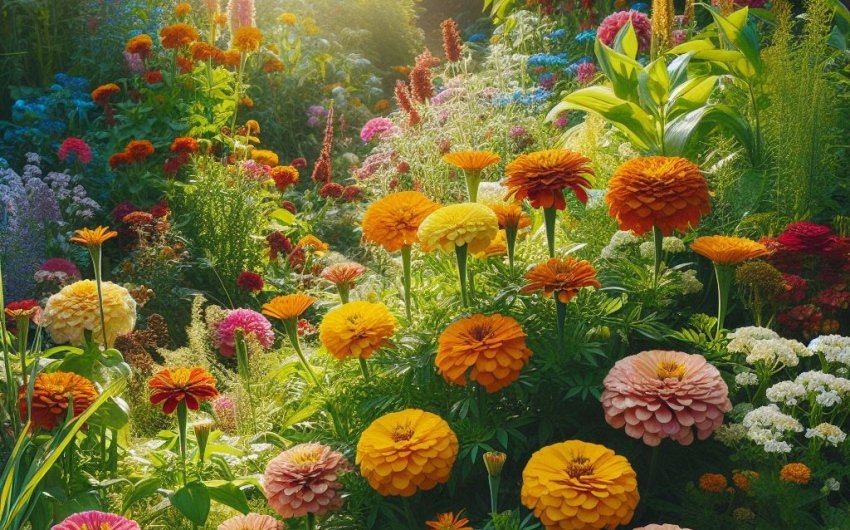
A vibrant garden bursting with colorful blooms is a dream for many, but the reality of daily life often leaves little time for intensive plant care. For the busy gardener, the thought of endless weeding, constant watering, and meticulous deadheading can turn a joyful hobby into a daunting chore. The good news is that you don't have to sacrifice a beautiful outdoor space for a manageable one. There's a wonderful world of low-maintenance flowers perfectly suited for those who desire stunning floral displays without demanding all their free time.
These forgiving plants are typically resilient, adaptable, and often naturally resistant to common pests and diseases. They thrive on minimal intervention, allowing you to enjoy their beauty with significantly less effort. From hardy perennials that return year after year to cheerful annuals that provide continuous color with little fuss, creating an easy-care flower garden is entirely achievable. This guide will introduce you to some of the top contenders for a gardener's best friend, proving that even with a hectic schedule, you can still revel in a thriving, colorful landscape. Get ready to discover your next favorite bloom!
What Defines a "Low-Maintenance" Flower for Busy Gardeners?
When we talk about "low-maintenance" flowers for a busy gardener, we're referring to plants that require minimal intervention once they are established. It's about smart plant selection rather than constant chores. These flowers are designed to deliver maximum impact with minimum effort.
What Factors Contribute to Easy-Care Flowers?
Several key factors contribute to a flower being classified as easy-care, making it perfect for those with limited time:
- Drought Tolerance: This is a major factor. Drought-tolerant flowers (once established) require significantly less frequent watering than thirsty plants. This is a huge time-saver, especially in hot, dry climates or during summer droughts. Plants like succulents and many Mediterranean herbs excel here.
- Pest and Disease Resistance: A truly low-maintenance flower will have a high degree of natural pest and disease resistance. This means you won't need to spend time identifying problems, applying sprays (organic or otherwise), or constantly monitoring for issues. Look for varieties known for their robustness in your region.
- No or Minimal Deadheading: Deadheading (removing spent blooms) encourages many flowers to produce more flowers. However, some plants are "self-cleaning," meaning their spent blooms simply fall off or are discreetly reabsorbed without looking unsightly, thus requiring no deadheading from you. Other plants will continue to bloom without deadheading, albeit potentially less profusely.
- Adaptability to Soil Conditions: Flowers that can thrive in a range of soil types (e.g., sandy, clay, average garden soil) without requiring extensive soil amendments or very specific pH levels are much easier to manage.
- No Fertilizer Hog: Flowers that perform well with minimal or no supplemental fertilization (especially after initial planting) are ideal. Relying on healthy soil from good organic matter is best.
- Non-Invasive Growth: While some plants spread beautifully, truly low-maintenance flowers spread at a manageable rate, or in a clumping fashion, without becoming aggressive weeds that require constant division or removal.
- Native Plant Preference: Native plants are excellent low-maintenance choices because they are naturally adapted to your local climate, rainfall, and soil conditions, and have evolved alongside local pests and diseases, making them incredibly resilient.
- Long Blooming Season: Flowers that provide a long period of continuous bloom or multiple flushes of flowers without much intervention ensure extended beauty for minimal effort.
By selecting flowers with these characteristics, busy gardeners can create a vibrant and rewarding outdoor space without the constant demands of high-maintenance blooms.
Why Are Perennials Often More Low-Maintenance Than Annuals?
For a busy gardener, perennials are often more low-maintenance than annuals in the long run. Understanding the difference highlights why:
- Perennials: These are plants that live for more than two years, typically returning year after year from their rootstock.
- Less Replacements: You plant them once, and they come back. No need to buy new plants or sow seeds every spring. This saves significant time and money.
- Established Root Systems: Once established, perennials develop deep, extensive root systems, making them more drought-tolerant and resilient to weather fluctuations. They require less frequent watering than thirsty annuals.
- Reduced Weeding (Often): As perennials mature, they often form dense clumps that naturally shade out and suppress weed growth, reducing your weeding chores.
- Less Fertilization: Established perennials generally need less supplemental fertilization than annuals, which are constantly producing flowers and need more nutrients.
- Annuals: These plants complete their entire life cycle (from seed to flower to seed) within a single growing season and then die.
- Annual Replacements: You need to buy and plant new annuals every year, which is time-consuming and can be costly.
- Constant Bloom (Often): Their advantage is usually continuous bloom from spring until frost, but often at the cost of higher water and fertilizer needs, and diligent deadheading.
While a few select annuals can be quite low-maintenance (we'll cover some), a garden primarily made up of well-chosen easy-care perennials will significantly reduce your workload over time, providing continuous seasonal flower beauty with less effort.
What Are the Best Low-Maintenance Perennial Flowers for Busy Gardeners?
Perennial flowers form the backbone of a low-maintenance flower garden, returning year after year with minimal fuss. These are some of the top choices for busy gardeners who want enduring beauty.
1. Coneflower (Echinacea purpurea)
Coneflowers are iconic prairie plants known for their tough resilience and beautiful daisy-like flowers with prominent central cones. They are a superstar for low-maintenance gardening.
- Key Benefits:
- Drought Tolerant: Once established, they can handle dry conditions very well.
- Pest & Disease Resistant: Rarely bothered by serious pests or diseases.
- Attracts Pollinators: A magnet for bees and butterflies, contributing to garden biodiversity.
- Long Bloom Season: Blooms from mid-summer into fall.
- No Deadheading Required: While deadheading can prolong blooming, they still look good and self-seed without it. Spent seed heads provide winter interest and food for birds.
- Color/Form: Purple is classic, but cultivars come in pink, white, yellow, orange, and red. Upright, sturdy stems.
- Climate: USDA Zones 3-9.
- Considerations: Takes a year or two to establish well. A coneflower seed mix offers a variety of colors.
Coneflowers are perfect for a native plant garden and bring vibrant, long-lasting color with minimal fuss.
2. Daylily (Hemerocallis)
Daylilies are incredibly hardy and adaptable perennials, famous for their cheerful, trumpet-shaped flowers. They are practically indestructible, making them truly easy-care perennials.
- Key Benefits:
- Extremely Hardy & Adaptable: Tolerate a wide range of soil conditions, sun exposures (full sun to partial shade), and neglect.
- Drought Tolerant: Once established, they are very forgiving of dry spells.
- Pest & Disease Resistant: Rarely bothered by major issues.
- Long Bloom Season (Some Cultivars): While individual flowers last only one day, many modern cultivars are "reblooming," producing flowers for weeks or months.
- No Deadheading Required: Individual spent blooms wither and drop discreetly.
- Color/Form: Available in an astonishing array of colors (yellow, orange, red, pink, purple, bi-colors) and forms. Clumping foliage.
- Climate: USDA Zones 3-9.
- Considerations: Can become very dense over time and may benefit from division every 5-10 years, but it's not strictly necessary.
Daylilies are a fantastic choice for bold, vibrant splashes of color and require almost no effort once planted.
3. Hosta (Hosta species)
While not a flowering powerhouse, Hostas are beloved for their incredible foliage, which creates a lush, serene feel in shady spots. They are exceptionally low-maintenance for the right conditions.
- Key Benefits:
- Shade Lovers: Thrive in partial to full shade, perfect for under trees or on the north side of a house where many other plants struggle.
- Deer & Slug/Snail Resistant (Some Cultivars): Newer cultivars have improved resistance to these common pests.
- Long-Lived & Reliable: Return year after year.
- Low Maintenance: Requires minimal attention once established.
- Ornamental Foliage: Offers an incredible array of leaf colors (blue, green, yellow, variegated), textures, and sizes.
- Color/Form: Primarily grown for their foliage; flowers are typically purple or white on tall spikes. Form ranges from small clumps to massive mounds.
- Climate: USDA Zones 3-9.
- Considerations: Can be a target for deer, slugs, and snails (choose resistant varieties). Needs consistent moisture but good drainage.
Hostas are the go-to choice for bringing lush greenery and texture to shady garden spots with minimal fuss.
4. Sedum (Sedum spectabile, Hylotelephium)
Sedum, particularly the upright "stonecrop" varieties like 'Autumn Joy', are incredibly popular for their extreme hardiness and late-season interest. They are succulent perennials.
- Key Benefits:
- Extreme Drought Tolerance: As succulents, they store water in their leaves and thrive in dry conditions. Perfect for xeric (dry) gardens.
- Full Sun Lovers: Thrive in hot, sunny, dry locations where many other plants wilt.
- Pest & Disease Resistant: Rarely bothered by issues.
- Long Bloom Season: Flowers in late summer and fall, providing color when many other plants are fading.
- Winter Interest: Spent flower heads retain their shape and provide structure and texture through winter.
- No Deadheading: Completely self-cleaning.
- Color/Form: Clusters of tiny star-shaped flowers typically start pink or light green and deepen to rusty red. Upright, sturdy stems with fleshy leaves.
- Climate: USDA Zones 3-9.
- Considerations: May flop in overly rich soil or too much shade.
Sedum provides reliable, late-season color and architectural interest with almost no effort, making them stellar drought-tolerant flowers.
5. Russian Sage (Perovskia atriplicifolia)
Russian Sage is an airy, drought-tolerant perennial known for its long-lasting spires of lavender-blue flowers and silvery foliage. It's tough as nails.
- Key Benefits:
- Extreme Drought Tolerance: Thrives in hot, dry conditions once established.
- Full Sun Lover: Demands full sun.
- Deer & Rabbit Resistant: The aromatic foliage deters browsing animals.
- Pest & Disease Resistant: Very few issues.
- Long Bloom Season: Blooms from mid-summer into fall.
- Aromatic Foliage: Crushed leaves have a pleasant, sage-like scent.
- Color/Form: Airy spikes of lavender-blue flowers over silvery-gray foliage. Grows into a bushy, shrub-like perennial.
- Climate: USDA Zones 4-9.
- Considerations: Can grow quite large; best to give it room. Benefits from a hard prune in early spring to encourage bushiness.
Russian Sage is an excellent choice for a low-water, high-impact plant that provides continuous color and texture.
What Are the Best Low-Maintenance Annual Flowers for Busy Gardeners?
While perennials are a long-term solution, some annual flowers offer immediate, vibrant, and continuous color with surprisingly low maintenance. These are perfect for filling gaps or adding seasonal flair for the busy gardener.
1. Marigold (Tagetes species)
Marigolds are cheerful, classic annuals known for their bright, long-lasting blooms and famous pest-repelling properties.
- Key Benefits:
- Easy to Grow from Seed: Germinates quickly and easily, making them very cost-effective.
- Long Bloom Season: Blooms continuously from spring until frost.
- Pest Deterrent: The strong scent is said to deter nematodes (from roots) and other pests like whiteflies and squash bugs (from foliage). Excellent for companion planting.
- Full Sun Lovers: Thrive in hot, sunny spots.
- Relatively Drought Tolerant: Can handle some dry periods once established.
- Color/Form: Yellow, orange, red, and bi-colors. French marigolds are bushy and compact, while African marigolds are taller with larger blooms.
- Climate: Grown as an annual in all zones.
- Considerations: Some varieties can get leggy without a little pinching back.
Marigolds are a vibrant, easy-to-grow annual that doubles as a natural pest control for gardens. You can buy marigold seeds in bulk.
2. Zinnia (Zinnia elegans)
Zinnias are absolute powerhouses of continuous color, providing a joyful burst of blooms from summer until frost. They are fantastic low-maintenance annuals.
- Key Benefits:
- Easy to Grow from Seed: Quick to germinate and grow rapidly.
- Long Bloom Season: Prolific bloomers, providing continuous color for months.
- Attracts Pollinators: A magnet for butterflies and bees, especially single-petal varieties.
- Drought Tolerant: Once established, they are quite tolerant of dry conditions.
- Full Sun Lovers: Thrive in full sun and heat.
- No Deadheading Required (Often): While deadheading can encourage more blooms, many modern varieties continue to produce without it.
- Color/Form: Available in almost every color imaginable (except blue) and a vast array of sizes and flower forms (single, double, dahlia-flowered, cactus-flowered).
- Climate: Grown as an annual in all zones.
- Considerations: Can be susceptible to powdery mildew in humid, crowded conditions; ensure good air circulation.
Zinnias are perfect for a cutting garden or for adding bold, cheerful color with minimal fuss, making them a colorful annual for easy care.
3. Cosmos (Cosmos bipinnatus)
Cosmos are airy, graceful annuals with delicate, feathery foliage and bright, daisy-like flowers. They bring a whimsical charm and are incredibly easy to grow.
- Key Benefits:
- Easy to Grow from Seed: Very easy to sow directly in the garden.
- Long Bloom Season: Blooms profusely from summer until frost.
- Attracts Pollinators: Highly attractive to butterflies and bees.
- Tolerates Poor Soil: Thrives even in average to poor soil, making it less demanding on fertility.
- Drought Tolerant: Resilient to dry spells once established.
- Color/Form: Pink, purple, white, yellow, orange, and bi-colors. Single or double petals. Tall varieties are airy, shorter ones are bushier.
- Climate: Grown as an annual in all zones.
- Considerations: Taller varieties may need staking in windy areas.
Cosmos offers a charming, effortless display of color and movement, making them a top choice for a beginner-friendly flower garden.
4. Portulaca (Moss Rose) (Portulaca grandiflora)
Portulaca, or Moss Rose, is a low-growing, spreading annual known for its vibrant, rose-like flowers and succulent foliage. It's a champion for hot, dry, sunny spots.
- Key Benefits:
- Extreme Drought Tolerance: Thrives in heat and drought, perfect for rock gardens, containers, or dry spots.
- Full Sun Lovers: Needs full, intense sun to bloom profusely.
- Self-Cleaning: Spent blooms disappear discreetly.
- Pest & Disease Resistant: Very few issues.
- Groundcover: Spreads to fill in gaps.
- Color/Form: Bright shades of pink, red, orange, yellow, white, and bi-colors. Succulent foliage.
- Climate: Grown as an annual in all zones.
- Considerations: Flowers may close on cloudy days or in the evening.
Portulaca provides a brilliant carpet of color in the toughest conditions with almost no care, making it an ideal low-water flower for full sun.
What Are General Strategies for an Easy-Care Flower Garden?
Beyond choosing specific low-maintenance flowers, adopting some general strategies for an easy-care flower garden can significantly reduce your overall workload and ensure long-term success.
How Does Proper Site Selection and Soil Preparation Help?
Proper site selection and soil preparation are foundational steps that will minimize future effort and maximize your easy-care flower garden's success.
- Right Plant, Right Place: This is the most crucial principle. Choose flowers that are suited to your specific site conditions:
- Sunlight: Be honest about how much sun an area gets (full sun, partial shade, full shade) and choose plants that match.
- Soil Type: While some low-maintenance flowers are adaptable, knowing your soil (sandy, clay, loam) helps you pick plants that will thrive without extensive amendments.
- Climate: Select plants hardy for your USDA Zone.
- Well-Draining Soil: Most flowers, even drought-tolerant ones, need well-draining soil. Soggy conditions lead to root rot. If you have heavy clay, amend it generously with organic matter (like compost) to improve drainage and aeration.
- Enrich with Organic Matter: Before planting, enrich your garden beds with 2-4 inches of compost. Compost improves soil structure, water retention, and provides a slow release of nutrients, reducing the need for synthetic fertilizers later. You can buy a bag of organic garden compost.
- Level and Prepare: Prepare the planting area by removing all existing weeds and debris. Level the bed for easier planting and watering.
Investing time in flower garden site planning pays off immensely in reduced chores down the line.
What Is the Importance of Mulching for Weed and Water Control?
Mulching is perhaps the single most impactful strategy for an easy-care flower garden, directly addressing the two biggest chores: weeding and watering.
- Weed Suppression: A 2-4 inch layer of organic mulch (like shredded bark, wood chips, or straw) acts as a physical barrier that blocks sunlight from reaching the soil. This prevents most weed seeds from germinating and growing. Any weeds that do manage to push through will be weaker and much easier to pull. This drastically cuts down on weeding time.
- Water Conservation: Mulch shades the soil, significantly reducing water evaporation from the surface. This means the soil stays moist for longer, and you'll need to water your flowers much less frequently. It also helps to keep soil temperatures more consistent, cooler in summer and warmer in winter.
- Soil Improvement: As organic mulch breaks down over time, it adds valuable organic matter to the soil, further improving its structure and fertility.
Apply mulch after planting, around established plants, keeping it a few inches away from plant stems. Reapply annually as it decomposes. Using shredded bark mulch is a great choice for flower beds.
How Does Grouping Plants Reduce Maintenance?
Grouping plants in your easy-care flower garden offers both aesthetic and practical benefits that directly reduce maintenance.
- Visual Impact: Planting flowers in large drifts or clumps (3-5 or more of the same plant) creates a much more impactful and cohesive visual statement than scattering single plants. It simplifies the design and makes it easier on the eye.
- Efficient Watering: When plants with similar water needs are grouped together, it makes watering much more efficient. You can water an entire section knowing that all plants there have the same hydration requirements, preventing over or underwatering specific individuals.
- Weed Suppression: Densely planted groups of flowers will eventually grow to fill the space, shading out the soil beneath them. This acts as a natural weed suppression method, reducing the open ground available for weeds to germinate.
- Aids Pollinators: Large groups of the same flower color and type are often more attractive and efficient for pollinators, making it easier for them to forage.
- Less Gaps to Fill: Once a group of perennials is established, it fills its designated space, eliminating the need to constantly fill in gaps with annuals or other plants.
Thinking in terms of plant masses and drifts rather than individual plants is a key flower garden design strategy for busy gardeners aiming for maximum beauty with minimum effort.