
How to prevent pests and diseases in a flower garden organically?
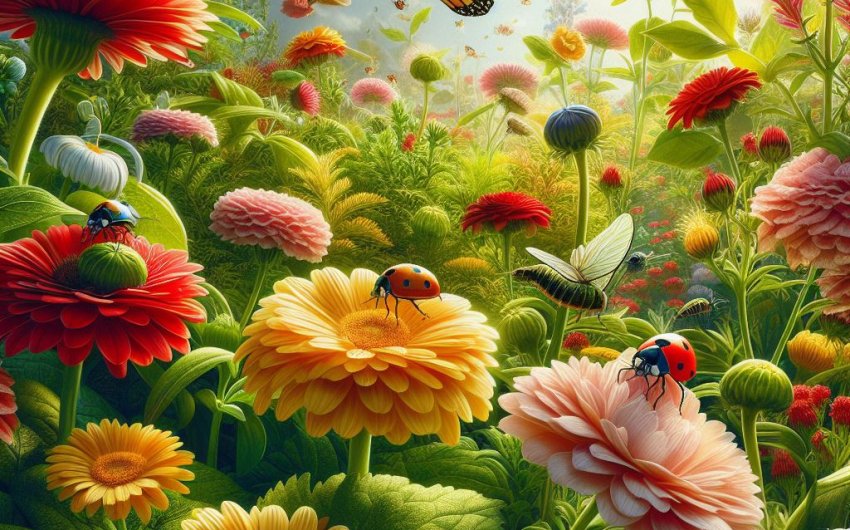
A vibrant, flourishing flower garden is a source of immense joy and beauty. However, the presence of unwelcome guests like pests and diseases can quickly turn that joy into frustration, leaving your beloved blooms damaged and dull. While chemical sprays might seem like a quick fix, an organic approach to garden care offers a sustainable, healthier, and ultimately more effective way to prevent these problems from taking hold.
Organic pest and disease prevention isn't about eliminating every single insect or microbe; it's about creating a balanced, resilient ecosystem where your flowers can thrive naturally. By focusing on plant health, fostering beneficial organisms, and adopting smart gardening practices, you can significantly reduce the need for harsh interventions. This guide will walk you through proven organic strategies to keep your flower garden healthy, beautiful, and buzzing with life (the good kind!).
Why Prevent Pests and Diseases Organically?
Choosing an organic approach to pest and disease management in your flower garden offers a multitude of benefits, extending far beyond just the health of your plants. It's about creating a holistic, sustainable ecosystem that thrives naturally.
Healthier Plants
- Stronger Immunity: Organic methods focus on building soil health and providing balanced nutrition. This leads to stronger, healthier plants that are naturally more resilient and better equipped to fend off pests and diseases on their own, much like a healthy immune system in humans.
- Avoid Chemical Stress: Synthetic pesticides and fungicides can stress plants, making them more vulnerable in the long run. Organic solutions work with the plant's natural defenses, not against them.
Safer for You and Your Family
- Reduced Exposure: When you garden organically, you eliminate direct contact with potentially harmful chemical residues. This is especially important if children or pets play in the garden.
- No Runoff Concerns: You don't have to worry about chemical runoff contaminating your soil, groundwater, or nearby natural water sources.
Protects Beneficial Insects and Wildlife
- Fostering Natural Predators: Many insects are actually beneficial to your garden, preying on common pests. Synthetic pesticides are often broad-spectrum, meaning they kill both bad and good bugs, disrupting the natural balance. Organic methods preserve these helpful allies, allowing them to do the pest control for you. Think of ladybugs munching on aphids or lacewings devouring spider mites.
- Pollinator Protection: Bees, butterflies, and other pollinators are vital for healthy ecosystems and the reproduction of many plants. Organic gardening avoids chemicals that are highly toxic to these essential creatures, supporting biodiversity.
- Wildlife Friendly: A garden free of synthetic chemicals is a safer haven for birds, small mammals, and other local wildlife that rely on the garden for food and shelter.
Builds Healthy Soil
- Microbial Life: Organic practices prioritize nourishing the soil. Healthy soil is teeming with beneficial microorganisms (bacteria, fungi) that break down organic matter, cycle nutrients, and even suppress disease-causing pathogens. Chemical fertilizers and pesticides can harm this delicate soil food web.
- Improved Soil Structure: Organic matter (from compost, mulching) creates better soil structure, leading to improved drainage, aeration, and water retention – all crucial for healthy roots and strong plants.
Long-Term Sustainability
- Sustainable Gardening: Organic methods create a self-sustaining garden system over time. As soil health improves and beneficial populations establish, your garden becomes more robust and less reliant on external inputs.
- Environmental Stewardship: It's an environmentally responsible choice that contributes to a healthier planet.
While organic pest and disease prevention might require a bit more upfront observation and understanding, the long-term rewards of a thriving, resilient, and chemical-free flower garden are immeasurable. It's about nurturing life, not just controlling problems.
What Are Common Pests in a Flower Garden?
Recognizing the enemy is the first step in winning the battle organically. Here are some of the most common flower garden pests you might encounter, along with signs of their presence:
Aphids
- Appearance: Tiny (pinhead-sized), soft-bodied insects, often green, black, white, red, or brown. They cluster on new growth, leaf undersides, and flower buds.
- Damage: They suck sap from plants, causing distorted, curled, or yellowing leaves, stunted growth, and sticky residue (honeydew) on foliage. Honeydew can lead to sooty mold.
- Signs: Sticky leaves, ants (attracted to honeydew), presence of the aphids themselves.
Spider Mites
- Appearance: Extremely tiny, almost invisible to the naked eye. Often look like moving dust particles. They are arachnids, not insects.
- Damage: They suck sap, causing tiny yellow or white stippling (dots) on leaves, giving them a dusty or bleached appearance. Severe infestations lead to fine webbing on leaf undersides and around new growth.
- Signs: Fine webbing, stippled leaves, discoloration, stunted growth.
Slugs and Snails
- Appearance: Slimy, soft-bodied mollusks. Slugs have no shell, snails have a spiral shell. Most active at night or during damp weather.
- Damage: Chew irregular holes in leaves, stems, and flower petals, leaving a tell-tale silvery slime trail.
- Signs: Irregular holes in foliage, silvery slime trails.
Earwigs
- Appearance: Brown, elongated insects with distinctive pincers at their rear. They are nocturnal.
- Damage: While some species are predatory, others chew irregular holes in leaves and flower petals. They also love to hide in crevices, including flower buds.
- Signs: Chewed foliage and petals, particularly at night.
Whiteflies
- Appearance: Tiny, white, moth-like insects that flutter up in a cloud when disturbed from the undersides of leaves.
- Damage: Suck sap, causing yellowing, stunted growth, and sticky honeydew.
- Signs: Clouds of tiny white insects, sticky honeydew, yellowed leaves.
Japanese Beetles
- Appearance: Metallic green bodies with coppery wing covers, about 1/2 inch long.
- Damage: Voracious feeders that skeletonize leaves (eat tissue between veins), leaving behind a lace-like pattern. They also chew holes in flower petals.
- Signs: Skeletonized leaves, chewed flowers, presence of the beetles themselves, often in groups.
Thrips
- Appearance: Very tiny, slender, winged insects, often black or straw-colored. Hard to see without a magnifying glass.
- Damage: Scrape plant surfaces and suck sap, causing silvery streaks, distorted growth, and browning or streaking on flower petals (especially light-colored ones). They can also cause buds to fail to open.
- Signs: Silvery streaks on leaves, distorted growth, discolored or deformed flowers.
Caterpillars and Larvae
- Appearance: Larval stage of moths and butterflies. Varied in size, color, and hairiness.
- Damage: Chew large, irregular holes in leaves, stems, and sometimes flowers. Can rapidly defoliate plants.
- Signs: Chewed leaves, frass (caterpillar droppings) on foliage, visible caterpillars.
Leafminers
- Appearance: Larvae of small flies, moths, or beetles that tunnel between the upper and lower surfaces of leaves.
- Damage: Create distinctive winding tunnels or blotches within leaves.
- Signs: Irregular, winding "mines" or tunnels within leaf tissue.
Knowing these common culprits and their calling cards will empower you to take targeted organic action early, before major damage occurs. Regular inspection of your flower garden is your best detective tool!
What Are Common Diseases in a Flower Garden?
Flower garden diseases are often caused by fungi, bacteria, or viruses and can be exacerbated by environmental conditions. Recognizing their symptoms is key to prevention and organic treatment.
Fungal Diseases (Most Common)
These often appear when humidity is high or air circulation is poor.
- Powdery Mildew:
- Appearance: A white, powdery coating on the surface of leaves, stems, and sometimes flowers. It looks like the plant has been dusted with flour.
- Damage: Can stunt growth, yellow leaves, and deform flowers. It reduces photosynthesis.
- Affected Plants: Very common on bee balm, phlox, roses, zinnias, and many other ornamentals.
- Black Spot (Roses):
- Appearance: Round, black spots with fringed or feathery margins, usually surrounded by a yellow halo, on rose leaves.
- Damage: Affected leaves turn yellow and drop prematurely, weakening the plant and reducing flowering.
- Affected Plants: Primarily roses.
- Rust:
- Appearance: Small, raised, orange, yellow, or brown powdery pustules (like rust spots) on the undersides of leaves and sometimes stems. Tops of leaves may show yellow spots.
- Damage: Can cause leaves to wither, yellow, and drop prematurely, weakening the plant.
- Affected Plants: Hollyhocks, daylilies, snapdragons, roses, and many others.
- Botrytis Blight (Gray Mold):
- Appearance: Fuzzy, gray-brown mold that grows on dying or weakened plant parts, including petals, leaves, and buds. Affected areas may become soft and mushy.
- Damage: Causes buds to rot before opening, flowers to develop brown spots or turn mushy, and leaves to develop blotches. Often appears in cool, humid conditions.
- Affected Plants: Peonies, impatiens, petunias, roses, and many other plants.
- Damping-Off (Seedlings):
- Appearance: Young seedlings suddenly wilt, fall over, and rot at the soil line, often with a pinched, water-soaked stem base.
- Damage: Kills seedlings quickly.
- Affected Plants: Young seedlings in seed starting trays.
Bacterial Diseases
Less common than fungal diseases, but can be serious.
- Bacterial Leaf Spot:
- Appearance: Small, angular, water-soaked spots on leaves that turn dark brown or black. May have a yellow halo. Spots might merge.
- Damage: Leaves yellow and drop, overall plant vigor is reduced.
- Affected Plants: Various flowers and vegetables.
- Bacterial Wilt:
- Appearance: Sudden, rapid wilting of a plant or a single stem, even when soil is moist. When the stem is cut, a milky ooze might appear.
- Damage: Causes entire plants to collapse and die rapidly.
- Affected Plants: Certain flowering plants, but more common in vegetables like cucumbers and melons.
Viral Diseases
These are tricky because there's no cure.
- Mosaic Virus:
- Appearance: Leaves show mottled patterns of light and dark green, yellowing, distorted growth, streaking on flowers, or stunted plant size.
- Damage: Reduces vigor, distorts growth, diminishes flower quality. Viruses are often spread by sucking insects (like aphids) or contaminated tools.
- Affected Plants: Many, including petunias, gladiolus, and lilies.
Root Rots and Damping-Off (from Poor Drainage)
- Appearance: Leaves yellow, wilt (even if soil is wet), and the plant slowly declines. Stems at the soil line may be mushy. Roots are brown or black and slimy, not white and firm.
- Damage: Kills the plant by suffocating roots. Often caused by overwatering or poorly draining soil.
- Affected Plants: Any plant in waterlogged conditions.
Regular observation, identifying the early signs, and understanding the conditions that favor these diseases will empower you to intervene organically and keep your flower garden healthy.
How Do I Prevent Pests and Diseases Organically?
Organic prevention is the cornerstone of a healthy, low-maintenance flower garden. By focusing on creating a thriving ecosystem and supporting your plants' natural defenses, you can significantly reduce pest and disease issues.
1. Build Healthy Soil
This is the most fundamental step for organic pest and disease prevention. Healthy soil leads to healthy, resilient plants.
- Add Organic Matter: Incorporate generous amounts of compost (finished garden compost), well-rotted manure, or leaf mold into your garden beds annually. Organic matter improves soil structure, drainage, aeration, water retention, and provides a slow release of nutrients. It also feeds beneficial soil microorganisms that suppress disease pathogens.
- Avoid Compaction: Don't walk on your garden beds. Use pathways to avoid compacting the soil, which restricts root growth and reduces oxygen availability to roots.
- Correct pH: Ensure your soil pH is appropriate for the plants you're growing. Most flowers prefer a slightly acidic to neutral pH (6.0-7.0). An incorrect pH can make nutrients unavailable to plants, leading to nutrient deficiencies and weakened plants. A soil pH test kit is a good investment.
2. Choose the Right Plants
- Right Plant, Right Place: Select flowers that are well-suited to your climate (hardiness zone), sunlight conditions, and soil type. A stressed plant is a weak plant, more susceptible to problems.
- Disease-Resistant Varieties: Many flower varieties have been bred for natural resistance to common diseases like powdery mildew or black spot. Look for labels indicating "disease resistant" or "D.R." when purchasing seeds or plants.
- Native Plants: Consider incorporating native plants into your garden. They are naturally adapted to your local climate and soil conditions, making them more resilient and less prone to pests and diseases common in your area.
3. Practice Good Cultural Techniques
These are your everyday gardening habits that keep your plants robust.
- Proper Watering:
- Deep and Infrequent: Encourage deep root growth by watering deeply but less frequently. This makes plants more drought-tolerant.
- Morning Watering: Water in the morning to allow foliage to dry before evening. Wet foliage overnight is an invitation for fungal diseases.
- Avoid Overhead Watering: If possible, water at the base of the plant using a soaker hose for garden beds or drip irrigation to keep leaves dry.
- Adequate Spacing: Provide enough space between plants for their mature size. Overcrowding reduces air circulation, creating humid microclimates ideal for fungal diseases like powdery mildew. It also increases competition for resources.
- Mulch: Apply a 2-4 inch layer of organic mulch (straw, shredded leaves, wood chips, pine needles) around your plants. Mulch conserves soil moisture, regulates soil temperature, suppresses weeds (which compete with your plants), and prevents soil splash-back onto leaves (reducing the spread of soil-borne diseases). A bag of cedar mulch for gardens can be beneficial.
- Balanced Fertilization: Don't over-fertilize, especially with high-nitrogen fertilizers. Excessive nitrogen can promote lush, tender growth that is particularly attractive to sucking insects like aphids. Use organic fertilizers sparingly and focus on building healthy soil instead.
- Pruning and Deadheading:
- Improve Air Circulation: Prune out any dense, interior branches to improve airflow, especially for shrubby plants.
- Remove Diseased/Damaged Parts: Promptly remove any leaves, stems, or flowers that show signs of disease or pest damage. Dispose of them away from the garden (don't compost diseased material).
- Deadhead: Remove spent flowers (deadhead) to encourage new blooms and prevent plants from putting all their energy into seed production, thus keeping them vigorous.
4. Encourage Beneficial Insects (Biological Control)
Your garden is an ecosystem. Invite the good guys!
- Plant Nectar/Pollen Sources: Plant a diverse array of flowers that provide nectar and pollen for beneficial insects. Small, open flowers (like dill, cilantro, sweet alyssum, cosmos, marigolds) are especially attractive to parasitic wasps, hoverflies, and ladybugs. These beneficial insects prey on pests like aphids, scale, and spider mites. A packet of beneficial insect attracting seeds can get you started.
- Provide Shelter: Offer overwintering sites for beneficial insects, such as leaving some hollow stems standing over winter or providing an insect hotel for garden.
- Avoid Broad-Spectrum Pesticides: Even organic pesticides can harm beneficials. Use them only as a last resort and target them precisely.
5. Vigilance and Sanitation
- Regular Inspection: Make it a habit to walk through your garden frequently (daily or every other day), inspecting your plants closely. Look for early signs of pests (sticky leaves, tiny holes, curling) or diseases (spots, powdery coatings). Early detection makes organic treatment much easier.
- Clean Tools: Clean and sanitize your gardening tools (pruners, trowels) between plants, especially if you've been cutting diseased material. A solution of 10% bleach or rubbing alcohol can be used for sanitizing.
- Fall Cleanup: In the autumn, clean up fallen leaves and plant debris, especially from plants that suffered from diseases during the season. Many disease pathogens and pest eggs overwinter in this debris. Dispose of diseased material, don't compost it.
- Weed Control: Weeds not only compete with your flowers but can also harbor pests and diseases. Keep your garden beds weed-free.
By implementing these comprehensive organic prevention strategies, you'll be building a resilient, naturally balanced flower garden that flourishes with minimal intervention, allowing you to enjoy its beauty stress-free.
How Do I Treat Pests and Diseases Organically?
Even with the best prevention, sometimes pests or diseases still make an appearance. When they do, quick and targeted organic treatments can help your flower garden recover without resorting to harsh chemicals. Remember, organic treatment is about control, not eradication.
Organic Pest Treatments
Before resorting to sprays, start with the least invasive methods.
- Hand-Picking: For larger pests like slugs, snails, caterpillars, or Japanese beetles, simply pick them off by hand and drop them into a bucket of soapy water. This is surprisingly effective for small infestations. Do this in the morning or evening when pests are most active.
- Strong Water Spray: A strong jet of water from your hose can effectively dislodge aphids, spider mites, and whiteflies from leaves. Aim for the undersides of leaves where pests often hide. Repeat every few days until the problem subsides. A multi-pattern garden hose nozzle is useful.
- Pruning: For localized infestations, prune off heavily infested leaves or stems and dispose of them immediately (don't compost them if the infestation is severe).
- Barrier Methods:
- Floating Row Covers: For preventing flying insects from reaching plants, use lightweight floating row covers (garden row cover netting) over susceptible plants early in the season.
- Copper Tape/Diatomaceous Earth: For slugs and snails, create barriers around plants with copper tape (they get a mild electric shock) or sprinkle a ring of diatomaceous earth (food grade diatomaceous earth) around the plant base. Diatomaceous earth works by dehydrating soft-bodied pests; reapply after rain.
- Organic Insecticides (Use as a Last Resort, Targeted): If cultural methods and hand-picking aren't enough, consider these targeted organic sprays. Always spot-test on a small area first and apply in the evening to avoid harming beneficial insects.
- Insecticidal Soap: Effective against soft-bodied pests like aphids, spider mites, whiteflies, and mealybugs. It works by suffocating them. Use a ready-to-use organic insecticidal soap spray or mix your own (but be cautious with homemade recipes as soap can damage plants if too strong).
- Neem Oil: A versatile organic insecticide and fungicide. It acts as an insect growth regulator and an anti-feedant, disrupting pest life cycles. Effective against a wide range of pests (aphids, mites, whiteflies, thrips) and some fungal diseases. Use a cold-pressed neem oil concentrate diluted with water and a few drops of mild soap as an emulsifier.
- Horticultural Oil: Similar to insecticidal soap, it suffocates pests. Use a lightweight horticultural oil spray during the growing season.
- Bt (Bacillus thuringiensis): A naturally occurring bacterium that is highly effective against specific types of caterpillars (e.g., cabbage loopers, tomato hornworms). It only affects caterpillars that ingest it and is harmless to humans, pets, and other insects. Use a Bt caterpillar killer spray.
Organic Disease Treatments
Focus on improving conditions and addressing symptoms.
- Pruning and Removal: For localized fungal infections (like powdery mildew or black spot), prune out affected leaves, stems, or flowers immediately. Dispose of them in the trash, not your compost, to prevent spread. Sanitize your pruners after each cut with rubbing alcohol.
- Improve Air Circulation: If a disease like powdery mildew is present, thin out dense foliage to allow better airflow around the plants. This helps leaves dry faster and creates a less hospitable environment for fungi.
- Watering Practices: Ensure you are watering correctly (deeply, in the morning, avoiding wet foliage) to reduce humidity around plants.
- Organic Fungicides (Targeted):
- Neem Oil: As mentioned, neem oil has fungicidal properties and can help with powdery mildew, rust, and black spot.
- Sulfur: An age-old organic fungicide effective against powdery mildew, rust, and black spot. Apply a wettable sulfur powder mixed with water. Be cautious as sulfur can burn some plants if applied in hot weather (above 85-90°F / 29-32°C).
- Copper-Based Fungicides: Effective against a wider range of fungal and some bacterial diseases. Use a liquid copper fungicide sparingly and according to label directions, as too much copper can build up in the soil.
- Baking Soda Spray (Homemade, Anecdotal): Some gardeners use a homemade spray of 1 teaspoon baking soda and 1 teaspoon horticultural oil (or mild liquid soap) mixed in 1 quart of water. This can temporarily suppress powdery mildew. Use with caution and spot-test, as it can burn foliage in strong sun.
- Beneficial Microbes: Products containing beneficial bacteria (like Bacillus subtilis) can help suppress some fungal diseases by competing with pathogens or producing antifungal compounds. A biological fungicide spray can be preventative.
- Root Rots: If due to overwatering/poor drainage, you must address the moisture issue first. Repot container plants in fresh, well-draining soil. For in-ground plants, try to improve soil drainage around the affected area. There's no effective organic "cure" once root rot is extensive.
- Viral Diseases: There is no cure for viral diseases. Remove and destroy any infected plants immediately to prevent the spread to healthy plants. Disinfect tools thoroughly. Control sucking insects (like aphids) that can transmit viruses.
By observing your plants closely and acting quickly with appropriate organic methods, you can treat most pest and disease issues in your flower garden, allowing your beautiful blooms to flourish naturally.