
What flowers bloom all summer long?
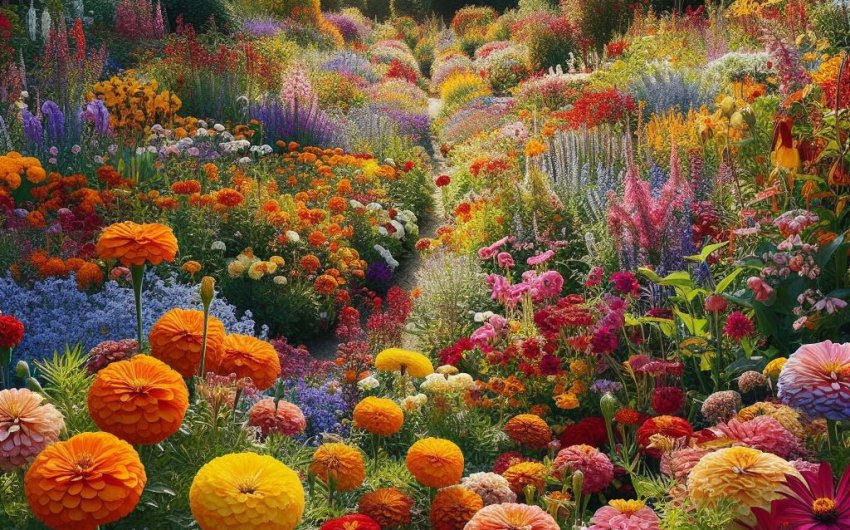
Creating a garden that bursts with continuous color throughout the warmer months is a dream for many gardeners. There's nothing quite like stepping outside to a vibrant display, day after day, without waiting for different plants to take their turn. While some flowers offer a brief, spectacular show, others are true workhorses, providing an endless parade of blooms from early summer until the first frosts of autumn. These long-flowering varieties are the secret to a garden that consistently delights the eye and attracts beneficial pollinators.
Choosing the right plants means less downtime in your garden and more time enjoying the beauty you've cultivated. From cheerful annuals to resilient perennials, a wide array of options exist to ensure your outdoor space remains lively and colorful for months on end. This guide will explore some of the most reliable long-blooming flowers, helping you pick the perfect additions to keep your garden vibrant all summer long. Get ready to transform your garden into a non-stop floral spectacular.
Why Are Long-Blooming Flowers Essential for Your Garden?
Thinking about why long-blooming flowers are essential for your garden goes beyond just continuous beauty. These powerhouse plants truly transform your outdoor space, making it more dynamic, lower maintenance, and even more beneficial to the environment. They are the backbone of a successful summer garden, providing consistent appeal and support for local wildlife.
What Are the Benefits of Extended Bloom Times?
The benefits of extended bloom times are numerous. Firstly, they provide continuous visual interest. Instead of having periods where parts of your garden look dull after a short-lived bloom cycle, long-flowering plants ensure there's always something beautiful to look at. This creates a more vibrant and welcoming atmosphere in your garden from early summer all the way through to fall, maximizing the enjoyment of your outdoor space.
Secondly, less maintenance for more impact is a huge advantage. When you plant flowers that bloom for months, you don't need to constantly swap out seasonal plants. This reduces the time and effort spent on planting new batches every few weeks. Many of these varieties are also quite resilient, requiring less fuss once established, allowing you more time to simply enjoy your garden rather than working in it.
Thirdly, supporting pollinators is a crucial benefit. Bees, butterflies, hummingbirds, and other beneficial insects rely on a steady supply of nectar and pollen. Long-blooming flowers provide a continuous food source, helping to sustain these important creatures throughout the growing season. A garden rich in extended bloomers becomes a thriving ecosystem, contributing to the health of your local environment. Consider plants like the Coneflower 'Magnus' Seeds for their pollinator appeal.
Finally, filling gaps and creating cohesive designs becomes easier. These workhorse plants can be used to bridge bloom times between other, shorter-flowering plants, ensuring there are no "empty" spots in your garden. They act as reliable anchors around which you can design your garden beds, creating a harmonious and flowing landscape that always looks lush and full. This consistent performance makes them invaluable in any garden design.
Which Annual Flowers Bloom All Summer Long?
When it comes to flowers that offer a non-stop show from spring's warmth right through autumn's chill, annual flowers that bloom all summer long are absolute champions. These plants complete their life cycle in one growing season, but their dedication to producing flowers is unparalleled, making them perfect for vibrant, season-long displays in beds, borders, and containers.
What Are the Top Annuals for Continuous Color?
Among the top annuals for continuous color, Zinnias stand out as a true garden superstar. They come in an astonishing array of colors, shapes, and sizes, from tiny buttons to giant dinner plates. Zinnias are incredibly easy to grow from seed, thrive in hot weather, and the more you cut them for bouquets, the more they bloom. This makes them ideal for a cutting garden or just for adding splashes of cheerful color. Look for a Zinnia 'California Giant' Mix for large, impressive blooms.
Petunias are another quintessential summer annual, celebrated for their cascades of trumpet-shaped flowers. Modern varieties are highly heat-tolerant and boast continuous bloom without much deadheading. They are perfect for hanging baskets, window boxes, and spilling over the edges of containers, creating a lush, flowing look. Their wide range of colors and patterns ensures there's a petunia for every palette.
Impatiens, particularly the New Guinea Impatiens varieties, offer vibrant color even in shadier spots where many other annuals might struggle. While traditional impatiens can be prone to downy mildew, New Guinea varieties are typically more resistant and provide a consistent display of large, bright flowers. They're excellent for brightening up shaded patios or under trees.
Marigolds are cheerful and low-maintenance annuals known for their sunny yellow, orange, and red blooms. They are incredibly tough, tolerating heat and dry spells once established, and are rarely bothered by pests. Marigolds bloom continuously from spring until frost, making them a reliable choice for borders, edible gardens (as they are said to deter some pests), and containers.
For a unique texture and long-lasting color, Celosia is a fantastic choice. Available in feathery plumes, brain-like cockscombs, or spikey forms, celosia comes in fiery reds, oranges, yellows, and vibrant pinks. They love heat and sun, and their blooms hold their color exceptionally well, even when dried, making them versatile for both garden and vase.
Finally, Vincas (Catharanthus roseus) are incredibly heat-tolerant and drought-tolerant annuals that thrive in full sun. They produce simple, five-petaled flowers in shades of pink, purple, red, and white, blooming continuously throughout the hottest summer months with minimal fuss. They are perfect for hot, sunny borders or as low-maintenance container plants. These annuals provide consistent, show-stopping color that lasts the entire season.
Which Perennial Flowers Bloom All Summer Long?
While annuals are great for immediate, season-long color, perennial flowers that bloom all summer long offer the added benefit of returning year after year, saving you time and effort on replanting. These resilient plants establish themselves and provide reliable, extended displays, forming the enduring backbone of a vibrant garden. Choosing the right perennials means less work in the long run and consistent beauty.
What Are the Most Reliable Perennials for Long-Lasting Blooms?
Among the most reliable perennials for long-lasting blooms, Coneflowers (Echinacea) are absolute superstars. These tough, drought-tolerant plants are famous for their daisy-like flowers with raised central cones, attracting bees and butterflies. Modern breeding has introduced an astonishing array of colors beyond the traditional purple, including pink, white, yellow, orange, and even green. They bloom from early summer well into fall and are incredibly hardy. The Echinacea purpurea 'Magnus' Seeds can produce beautiful, long-lasting flowers.
Daylilies (Hemerocallis) are another classic choice, known for their seemingly endless parade of blooms. While each individual flower lasts only a day, the plants produce a continuous succession of buds, ensuring a long bloom period from early summer to late summer or even fall, especially with re-blooming varieties. They are incredibly low-maintenance, tolerant of a wide range of conditions, and come in almost every color imaginable.
Rudbeckia hirta (Black-Eyed Susan) is a cheerful perennial that provides a sunny burst of yellow-orange petals with a dark brown center. These tough, adaptable plants thrive in full sun and are highly drought-tolerant once established. They bloom profusely from mid-summer until frost, creating a vibrant, natural look and are excellent for attracting pollinators.
Catmint (Nepeta) is an incredibly versatile and long-blooming perennial. Its spikes of lavender-blue flowers appear from late spring and continue relentlessly through summer, often into fall. Catmint is deer-resistant, drought-tolerant, and beloved by bees. Its soft, silvery-green foliage provides an attractive backdrop even when not in full bloom.
Coreopsis (Tickseed), particularly varieties like 'Moonbeam' or 'Zagreb', produce a profusion of small, cheerful yellow, orange, or pink daisy-like flowers. These tough plants thrive in full sun and well-drained soil, blooming from early summer until frost. They are excellent for mass plantings, borders, and attracting butterflies.
Lastly, Salvia nemorosa (Woodland Sage) varieties offer spikes of beautiful purple, blue, pink, or white flowers. They bloom heavily in late spring/early summer and, with a quick trim after the first flush, will re-bloom reliably throughout the summer and into fall. Salvia is drought-tolerant, deer-resistant, and a magnet for hummingbirds and bees. These perennials offer the promise of returning beauty year after year, with minimal effort.
What Factors Contribute to a Long Blooming Season?
Understanding what factors contribute to a long blooming season is key to maximizing the flower power in your garden. It’s not just about picking the right plants; it’s also about providing them with the best possible environment and consistent care. When these elements align, your garden will flourish with continuous blooms for months.
How Do Sunlight, Soil, and Water Affect Bloom Time?
Sunlight is perhaps the most critical factor affecting bloom time and quantity. Most long-blooming flowers, whether annuals or perennials, require full sun, meaning at least 6-8 hours of direct sunlight per day. Plants that don't get enough sun will produce fewer flowers, have weaker stems, and might become "leggy" (tall and stretched). Always check the specific sunlight requirements for each plant before purchasing, as some prefer partial shade, but the most prolific bloomers usually crave the sun.
Soil quality is another huge contributor. Flowers that bloom for an extended period need consistent access to nutrients and good drainage. Well-draining soil, enriched with plenty of organic matter like compost, provides a healthy environment for roots to grow strong. This ensures the plant can efficiently take up water and nutrients needed to fuel continuous flower production. Heavy, compacted clay soil or very sandy, nutrient-poor soil will hinder blooming. Amending your soil regularly is a great practice. You might find a Compost & Soil Amendment helpful.
Consistent watering is vital, especially during dry spells. While many long-blooming flowers are known for their drought tolerance once established, consistent moisture (but not soggy conditions) helps them produce more flowers. During extreme heat or prolonged dry periods, plants will often shut down flower production to conserve energy. Deep watering, rather than shallow daily sprinkles, encourages a robust root system. Mulch around your plants to help retain soil moisture and regulate soil temperature.
Fertilization also plays a role in sustaining a long bloom season. Plants that are constantly producing flowers are expending a lot of energy and nutrients. A balanced slow-release fertilizer at the beginning of the season, or regular feeding with a liquid flower food, can help replenish these nutrients. Be careful not to over-fertilize with too much nitrogen, as this can encourage leafy growth at the expense of flowers.
Finally, deadheading (removing spent flowers) is a simple but incredibly effective technique for extending bloom time for many varieties. By removing faded flowers, you prevent the plant from putting energy into seed production and instead encourage it to produce more blooms. This simple practice can make a huge difference in the continuous display of your flowers. By paying attention to these factors, you can significantly enhance the performance and longevity of blooms in your garden.
How Do You Plan a Continuous Bloom Cycle?
Planning a continuous bloom cycle is an art form in itself, transforming your garden from a series of short-lived spectacles into a dynamic, ever-changing tapestry of color. It involves more than just picking a few long-blooming flowers; it's about thoughtful selection and strategic placement to ensure there's always something in flower from spring to fall. This approach creates a garden that constantly evolves and delights.
What Strategies Ensure Flowers Throughout the Season?
One of the primary strategies to ensure flowers throughout the season is to combine annuals and perennials. Annuals, with their intense, season-long bloom, can fill in gaps and provide immediate, vibrant color while your perennials are getting established or resting between their bloom cycles. For example, plant zinnias or petunias around newly planted coneflowers or daylilies. As the perennials mature and hit their stride, the annuals will continue to provide consistent cheer.
Another key strategy is to plant flowers with staggered bloom times. Even among long-blooming varieties, some start earlier in the summer and some peak later. By including a mix of early, mid, and late-season bloomers, you ensure that as one plant starts to fade, another is just beginning its show. For example, some daylilies might bloom in early summer, while others are "re-blooming" varieties that flower in mid to late summer. Pairing them ensures consistent color.
Layering plants by height and texture also contributes to a continuous, appealing display. Place taller plants, like sunflowers or certain salvias, at the back of beds, with medium-height plants, such as zinnias or coneflowers, in the middle, and lower-growing plants, like vinca or coreopsis, at the front. This creates visual depth and ensures all blooms are visible. Incorporating different leaf shapes and textures, even when flowers aren't present, adds interest.
Succession planting is a technique primarily for annuals, especially those grown from seed. This involves planting new batches of seeds every few weeks, particularly for prolific bloomers like zinnias or cosmos. As the first planting starts to wane in late summer, the later plantings will be coming into their prime, providing fresh flowers well into autumn. This is an excellent way to guarantee a continuous supply of cut flowers for arrangements. Consider purchasing Zinnia 'Cut and Come Again' Seeds for this purpose.
Finally, don't forget the power of foliage and ornamental grasses. While not blooming, these provide consistent structure, texture, and often color (think purple fountain grass or hostas) throughout the season, serving as a beautiful backdrop to your flowering plants. They fill in when flowers are transitioning and add year-round interest. By combining these strategies, your garden can become a dynamic, ever-blooming oasis that provides continuous joy.