
How to create a colorful flower border?
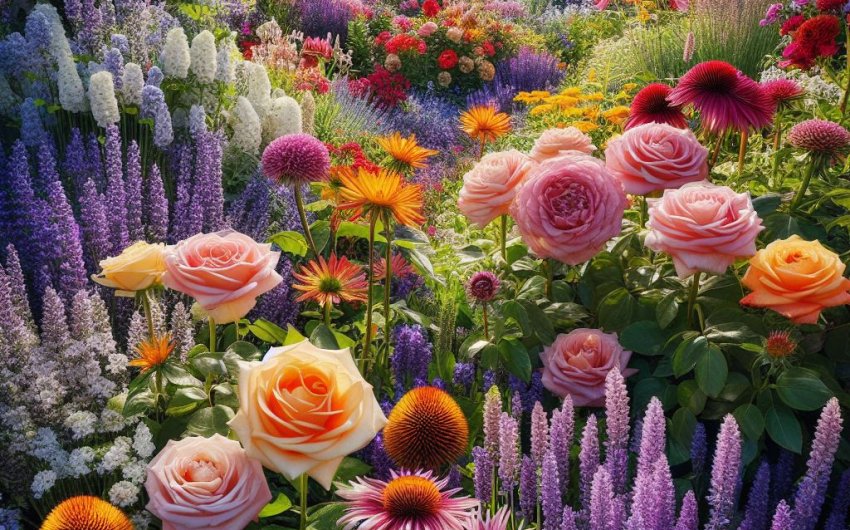
A vibrant and thoughtfully designed flower border can transform any garden space, turning a simple lawn edge or fence line into a captivating display of color, texture, and life. Achieving a truly stunning border, however, goes beyond simply placing a few colorful plants next to each other. It involves a blend of artistic vision, horticultural knowledge, and practical planning to ensure continuous blooms, harmonious color palettes, and healthy plant growth throughout the seasons. This guide will walk you through how to create a colorful flower border, providing practical steps and creative insights to help you design and plant a truly breathtaking horticultural masterpiece, even if you're just starting out.
Why Should I Create a Flower Border?
Flower borders are more than just pretty garden features; they serve multiple purposes that enhance the overall landscape and provide immense enjoyment.
What are the Benefits of a Well-Designed Flower Border?
From aesthetic appeal to ecological advantages, flower borders offer a lot to a garden.
- Boosts Curb Appeal: A vibrant flower border immediately elevates the visual appeal of your home and garden, creating a welcoming and attractive entrance or backdrop. It significantly contributes to the overall garden aesthetic.
- Defines Spaces: Borders act as natural dividers, clearly delineating areas like lawns, pathways, fences, or garden rooms, giving structure and organization to your outdoor space.
- Provides Continuous Color and Interest: With careful planning, you can select plants that bloom at different times, ensuring there's always something colorful and interesting to look at from spring through fall, and even into winter with structural plants.
- Attracts Pollinators and Wildlife: A diverse array of flowering plants provides essential nectar and pollen for bees, butterflies, hummingbirds, and other beneficial insects, supporting local ecosystems.
- Screens Unattractive Views: A tall, dense border can effectively soften or completely hide unsightly elements like utility boxes, fences, or neighboring structures.
- Adds Sensory Experience: Beyond visual appeal, flower borders offer delightful scents, the gentle hum of pollinators, and varied textures to touch.
- Expresses Personal Style: A flower border is a canvas for your creativity, allowing you to express your color preferences, design sensibility, and passion for gardening.
- Increases Property Value: A well-maintained and attractive landscape, including a beautiful flower border, can add significant value to your home.
Planning Your Colorful Flower Border: The Foundation
Before you dig a single hole or buy a single plant, thorough planning is essential. This stage sets the stage for a thriving and beautiful border.
What Initial Steps Do I Take to Plan My Flower Border?
Good planning saves time, money, and prevents disappointment.
- Choose the Right Location:
- Sunlight: This is the most crucial factor. Observe how much sun your chosen border area receives throughout the day.
- Full Sun: 6+ hours of direct sunlight. Most flowering plants prefer this.
- Partial Sun: 4-6 hours of direct sunlight, often in the morning or late afternoon.
- Partial Shade: 2-4 hours of direct sunlight, with filtered light or shade the rest of the day.
- Full Shade: Less than 2 hours of direct sun. Limited flowering plant options.
- Drainage: Ensure the soil drains well. Standing water can cause root rot. If you have heavy clay, you'll need to amend the soil.
- Visibility: How will the border be viewed? From one side (e.g., against a fence) or from all sides (e.g., island bed)? This influences plant height placement.
- Sunlight: This is the most crucial factor. Observe how much sun your chosen border area receives throughout the day.
- Measure and Map Your Space:
- Length and Width: Accurately measure the dimensions of your desired border.
- Sketch It Out: Draw a simple sketch of your border area, noting existing features like trees, fences, or structures. This becomes your working plan.
- Define Your Style and Color Palette:
- Garden Style: Do you prefer a formal, symmetrical look, or a more relaxed, cottage garden feel? This influences plant choices and arrangement.
- Color Scheme: Decide on the general color harmony you want:
- Monochromatic: Variations of a single color (e.g., all blues and purples).
- Analogous: Colors next to each other on the color wheel (e.g., yellows, oranges, reds).
- Complementary: Colors opposite each other on the color wheel, creating high contrast (e.g., purple and yellow, blue and orange).
- Mixed/Polychromatic: A wide range of colors for a vibrant, eclectic look.
- Consider House Colors: Choose colors that complement your home's exterior.
- Research Plants for Your Zone:
- USDA Hardiness Zone: Know your local USDA Hardiness Zone (you can find this online by zip code). This tells you which plants will survive winter in your area.
- Plant Database: Use online plant databases or gardening books to research plants that thrive in your light, soil, and zone.
- Consider Plant Types:
- Perennials: Return year after year. Form the backbone of your border. (e.g., Daylilies, Hostas, Coneflowers).
- Annuals: Complete their life cycle in one season but provide continuous, season-long color. Great for filling gaps and adding pop. (e.g., Petunias, Impatiens, Marigolds).
- Bulbs: Provide early spring or late summer color before other plants fully emerge. (e.g., Tulips, Daffodils, Dahlias).
- Shrubs: Provide evergreen structure, winter interest, and a backdrop for flowers. Choose dwarf varieties if space is limited.
- Ornamental Grasses: Add texture, movement, and often good fall/winter interest.
Designing Your Colorful Flower Border: The Creative Layout
With your basic plan in place, it's time to arrange your chosen plants on paper to create a cohesive and visually appealing design.
How Do I Arrange Plants for a Stunning Flower Border?
Layering, grouping, and considering mature sizes are key to a dynamic design.
- "Thrillers, Fillers, and Spillers" for Containers: While often used for pots, this concept applies to borders too.
- Thrillers: Tall, upright plants that provide vertical interest and a focal point (e.g., Hollyhocks, Delphiniums).
- Fillers: Bushy, medium-height plants that fill out the middle ground and add bulk (e.g., Coneflowers, Daylilies).
- Spillers: Low-growing or trailing plants that spill over the edge of the border, softening the lines (e.g., Sedum, Creeping Phlox).
- Height Progression: This is fundamental.
- Against a Fence/Wall: Place the tallest plants at the back, medium-height plants in the middle, and shortest plants at the front.
- Island Bed (Viewed from all sides): Place the tallest plants in the center, gradually stepping down to shorter plants towards the edges.
- Grouping and Repetition:
- Plant in Odd Numbers: Group plants of the same variety in clusters of 3, 5, or 7. This creates a more natural and impactful look than planting in a single straight line or single specimens.
- Repeat Elements: Repeat certain plant varieties or color combinations throughout the border. This creates a sense of rhythm and unity, guiding the eye through the design.
- Consider Bloom Time for Continuous Color:
- Early Spring: Bulbs (Daffodils, Tulips), Hellebores, Bleeding Heart.
- Late Spring/Early Summer: Peonies, Iris, Salvia, Baptisia.
- Mid-Summer: Daylilies, Coneflowers, Phlox, Bee Balm, Lavender.
- Late Summer/Fall: Sedum, Asters, Mums, Ornamental Grasses.
- Winter Interest: Evergreens, plants with interesting seed heads (Sedum, Coneflower), or attractive bark.
- Contrast in Texture and Form:
- Leaf Shape: Mix bold, broad leaves (Hostas) with fine, feathery foliage (Ferns, Yarrow).
- Flower Form: Combine spiky flowers (Salvia, Liatris) with round clusters (Hydrangeas), daisy-like blooms (Coneflowers), or delicate sprays (Gaura).
- Pathways and Edging:
- Edge Your Border: Create a crisp edge between your border and lawn or path using metal edging, brick, or a simple spade cut. This defines the space and keeps grass from creeping in. Look for garden bed edging options.
- Pathway Materials: If your border abuts a path, consider materials like garden pathway stepping stones or pea gravel that complement the overall design.
- Sketch Your Design (Again!): Draw a more detailed plan, placing specific plants in their designated spots. Note their mature size. This is your blueprint.
Preparing the Soil: The Secret to a Thriving Border
Even the most beautiful plants won't thrive in poor soil. Proper soil preparation is the unsung hero of a successful flower border.
How Do I Prepare My Garden Soil for a Flower Border?
Healthy soil means healthy, vibrant plants.
- Clear the Area: Remove all existing weeds, grass, and debris. Digging out weeds by hand is best, ensuring you get the roots. For large grassy areas, consider smothering with cardboard or solarizing.
- Assess and Amend Your Soil:
- Soil Test: For best results, get a soil testing kit to understand your soil's composition (clay, sand, loam) and pH. Your local extension office often provides this service.
- Add Organic Matter: This is the most important step for improving almost any soil type. Incorporate a generous amount (at least 2-4 inches deep) of organic garden compost into the top 6-12 inches of existing soil.
- For Clay Soil: Compost improves drainage and aeration.
- For Sandy Soil: Compost improves water retention and adds nutrients.
- Adjust pH (if needed): Based on your soil test, if your pH is too low (acidic), add garden lime. If it's too high (alkaline), add elemental sulfur.
- Dig Your Beds: Once amended, turn the soil thoroughly with a shovel or garden fork to a depth of at least 12-18 inches. Break up any large clumps.
- Create a Raised Edge (Optional): If drainage is a major concern, or you want to create a more defined look, consider raising the bed slightly with some landscape timber or stones.
Planting Your Colorful Flower Border: Bringing the Design to Life
With the soil perfectly prepared and your design blueprint ready, it's time to start planting!
What are the Best Practices for Planting a Flower Border?
Careful planting ensures strong root establishment and vigorous growth.
- Acquire Healthy Plants: Purchase plants from reputable nurseries. Choose specimens that look vibrant, are well-proportioned, and don't show signs of pests or disease.
- Timing is Key: Plant at the right time for your climate. Spring is generally ideal for most perennials and annuals, allowing them to establish before extreme heat. Fall planting can also be successful for perennials.
- Lay Out Plants First: Before planting, place all your potted plants on the prepared soil according to your design plan. This allows you to visualize the spacing and make any last-minute adjustments. Step back and view it from different angles.
- Proper Planting Technique:
- Dig a Hole: Dig a hole that is twice as wide as the plant's root ball and just as deep.
- Loosen Roots: Gently tease apart any circling roots on potted plants. If the roots are very matted, you might need to make a few vertical cuts down the root ball.
- Position: Place the plant in the hole so that the top of the root ball is level with or slightly above the surrounding soil. Do not bury the crown.
- Backfill: Fill the hole with the amended soil, gently firming it around the roots to remove any air pockets.
- Water Thoroughly: Water deeply immediately after planting to help settle the soil around the roots.
- Install Edging (if desired): Once planting is complete, install any chosen garden bed edging to create a clean line and prevent grass invasion.
- Apply Mulch: After watering, apply a 2-4 inch layer of organic mulch (like wood chips, shredded bark, or straw) over the entire border. Keep the mulch a few inches away from plant stems to prevent rot.
- Benefits of Mulch: Suppresses weeds, retains soil moisture (reducing watering needs), insulates roots from temperature extremes, and adds nutrients as it breaks down.
Ongoing Care for Your Colorful Flower Border: Maintaining the Beauty
A flower border is a living, evolving landscape that requires ongoing care to maintain its vibrancy and health throughout the seasons.
What Regular Maintenance Does a Flower Border Require?
Consistent care ensures your border looks its best year after year.
- Watering:
- Establishment Phase: New plants need consistent watering for their first growing season to establish strong root systems. Do not let the soil dry out completely.
- Mature Plants: Once established, most perennials are more drought-tolerant. Water deeply when the top few inches of soil are dry. Adjust frequency based on weather, plant type, and soil. An oscillating sprinkler can cover a large border efficiently.
- Weeding:
- Stay Vigilant: Weeds compete with your flowers for water, nutrients, and light. Pull them regularly, especially when they are small.
- Mulch Helps: Your mulch layer will significantly reduce weed growth, but some will inevitably pop through.
- Deadheading:
- Encourage More Blooms: For many annuals and perennials, deadheading (removing spent or faded flowers) encourages the plant to produce more blooms instead of putting energy into seed production. Use clean gardening snips.
- Tidiness: Also keeps the border looking neat.
- Fertilizing:
- Annuals: Annuals are heavy feeders and benefit from regular feeding (e.g., every 2-4 weeks with a balanced liquid fertilizer) during their blooming season.
- Perennials: If your soil was well-amended, perennials may not need much extra fertilizer. A light application of a slow-release granular fertilizer in early spring can be beneficial.
- Pruning and Shaping:
- Structural Pruning: Remove any dead, diseased, or damaged branches or stems.
- Shaping: Prune shrubs and larger perennials to maintain their desired size and shape.
- "The Chelsea Chop": For some taller, floppy perennials (like phlox or asters), cutting them back by about one-third in late spring can result in bushier plants and delayed, but more abundant, blooms.
- Pest and Disease Management:
- Inspect Regularly: Keep a close eye on your plants for any signs of common garden pests (aphids, slugs) or diseases.
- Early Intervention: Address issues quickly. Often, a strong spray of water can dislodge pests. For persistent problems, use organic insecticidal soap for plants or other appropriate treatments.
- Replenish Mulch: Reapply mulch annually or as needed to maintain a 2-4 inch layer.
- Support for Tall Plants: Stake or cage tall perennials that tend to flop over, like delphiniums or some phlox varieties, to keep them upright and neat. Use garden stakes.
- Seasonal Care:
- Fall: Clean up fallen leaves, cut back herbaceous perennials (optional, some prefer to leave for winter interest), and prepare beds for winter.
- Winter: Enjoy the structural elements and any remaining seed heads. Plan for next year!
- Division: For perennials that become too dense or show reduced flowering, divide them every few years in spring or fall to rejuvenate them and get new plants.
Creating a vibrant and colorful flower border is a rewarding journey that combines careful planning with the joy of working with living plants. By understanding your site, designing with purpose, preparing the soil diligently, and committing to consistent ongoing care, you can achieve a truly spectacular garden feature that provides continuous beauty, attracts beneficial wildlife, and enhances your outdoor space for many seasons to come.