
What are the best flowers for attracting hummingbirds?
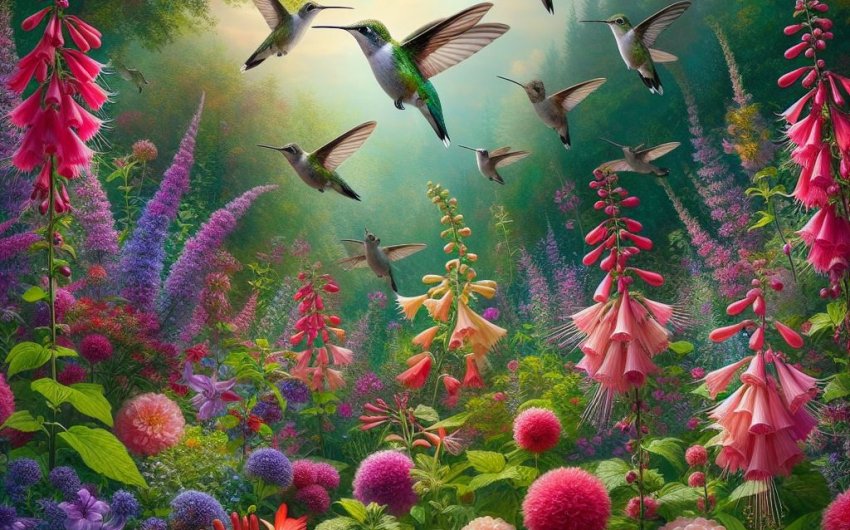
The best flowers for attracting hummingbirds are typically those with bright, tubular-shaped blooms, primarily in shades of red, orange, and pink, as these colors and forms are perfectly suited to their long beaks and nectar-feeding habits. Providing a continuous succession of these vibrant, nectar-rich flowers from spring to fall is key to making your garden a hummingbird haven.
What Do Hummingbirds Look for in Flowers?
To truly understand the best flowers for attracting hummingbirds, it's essential to think like a hummingbird! These tiny, high-energy birds have specific preferences when it comes to their floral fuel stops. Their unique anatomy and incredible metabolism drive their choices, making certain flower characteristics irresistible to them.
1. Color: Bright and Bold
- Red is King: While hummingbirds are attracted to a variety of bright colors, red is overwhelmingly their favorite. This is because many insects, particularly bees, cannot see the color red, reducing competition for nectar.
- Orange, Pink, and Purple: After red, hummingbirds are highly drawn to bright shades of orange, pink, and vibrant purple. These colors signal a rich nectar reward.
- Why not Blue/Yellow? While they will visit flowers of any color if nectar is present, blue and yellow are typically less preferred as these colors are highly visible to bees, meaning more competition for nectar.
2. Shape: Tubular and Funnel-like
- Long and Narrow: The ideal flower shape for hummingbirds is tubular, trumpet-shaped, or funnel-like. This form perfectly accommodates their long, slender beaks and tongues, allowing them to reach deep into the flower where the nectar is stored.
- Shallow Flowers: Flowers with shallow, open faces (like daisies or coneflowers) are often more attractive to butterflies and bees, but less so to hummingbirds who need a deeper reservoir.
- No Landing Pad Needed: Hummingbirds hover while they feed, so they don't need a wide petal platform to land on. This is why many hummingbird-friendly flowers lack large, flat petals.
3. Nectar Quantity and Quality
- Abundant Nectar: Hummingbirds have an incredibly high metabolism and need to feed almost constantly. They are attracted to flowers that produce a generous amount of nectar.
- High Sugar Content: The nectar needs to be rich in sugar to provide the quick energy boost they require.
- Bloom Period: Flowers that produce nectar consistently throughout their bloom period are more reliable food sources.
4. Bloom Time: Continuous Supply
- Succession of Blooms: Hummingbirds migrate, and some species stay through the summer. They need a continuous supply of nectar from early spring (when they arrive) through late fall (before they migrate south).
- Strategize: Plant a variety of flowers with overlapping bloom times to ensure there's always something in flower.
- Night Bloomers (for Moths): While not for hummingbirds, some night-blooming flowers attract sphinx moths, which are often mistaken for hummingbirds due to their hovering flight and similar feeding habits.
5. No Scent
- Weak or No Fragrance: Unlike many insects, hummingbirds do not have a strong sense of smell. They locate flowers primarily by sight. Many of the flowers they prefer have little or no scent.
- Pollinator Adaptation: This lack of scent can be an adaptation to reduce competition from insects that rely on scent cues.
By understanding these preferences, you can strategically select the best flowers for attracting hummingbirds to create a vibrant, buzzing oasis in your garden that these aerial acrobats will love to visit.
What Are the Best Perennial Flowers for Attracting Hummingbirds?
Perennial flowers are the backbone of any hummingbird garden, as they return year after year, providing reliable and increasingly robust nectar sources. Choosing the best flowers for attracting hummingbirds from the perennial world ensures a long-term, low-maintenance haven for these captivating birds.
Here are some top perennial picks that hummers adore:
1. Bee Balm (Monarda didyma)
- Why it's great: A native powerhouse with shaggy, tubular flowers that are absolutely irresistible to hummingbirds, as well as bees and butterflies. Its unique shape and vibrant colors are perfect for their feeding style.
- Colors: Red, pink, purple.
- Bloom Time: Mid to late summer.
- Conditions: Full sun to partial shade, prefers consistently moist soil. Can spread vigorously.
- Tips: Choose mildew-resistant varieties to avoid powdery mildew. Deadhead to encourage more blooms.
2. Hyssop (Agastache) (Agastache spp.)
- Why it's great: Offers long, bottlebrush-like flower spikes that hummers can't resist. Many species and cultivars provide continuous blooms from summer to fall. Drought-tolerant once established and deer resistant.
- Colors: Purple, blue, pink, orange-red.
- Bloom Time: Summer to fall.
- Conditions: Full sun, well-drained soil.
- Popular Varieties: 'Blue Boa' (deep purple), 'Apricot Sprite' (apricot-orange), 'Kudos Red' (vibrant red).
3. Hummingbird Mint (Penstemon spp.)
- Why it's great: Many species of Penstemon, especially those with tubular flowers, are fantastic hummingbird attractors. They offer a range of colors and generally prefer well-drained soil.
- Colors: Red, pink, purple, white.
- Bloom Time: Late spring to late summer, depending on species.
- Conditions: Full sun, well-drained soil. Some prefer drier conditions.
- Popular Varieties: Penstemon digitalis 'Husker Red' (white flowers, reddish foliage), Penstemon barbatus (scarlet tubular flowers).
4. Coral Bells (Heuchera spp.)
- Why it's great: While primarily grown for their foliage, many Heuchera cultivars produce delicate, bell-shaped flowers on tall, slender stalks that are highly attractive to hummingbirds.
- Colors: Red, pink, white, often on tall spikes.
- Bloom Time: Late spring to early summer.
- Conditions: Partial shade is ideal for best foliage color, but some varieties tolerate more sun. Well-drained soil.
- Popular Varieties: Those with reddish or pink flowers like 'Redstone Falls', 'Berry Smoothie', or 'Fire Alarm'.
5. Columbine (Aquilegia spp.)
- Why it's great: Its unique, spurred flowers are perfectly designed for hummingbird beaks. Many species are native and adapt well to various conditions.
- Colors: Red, orange, yellow, pink, purple, blue, often bicolored. Red and orange varieties are particularly attractive.
- Bloom Time: Late spring to early summer.
- Conditions: Full sun to partial shade, well-drained soil. Can self-seed.
6. Bleeding Heart (Dicentra spectabilis or Lamprocapnos spectabilis)
- Why it's great: The classic heart-shaped flowers, especially the red and pink varieties, are a lovely early-season treat for returning hummingbirds.
- Colors: Pink, red, white.
- Bloom Time: Early spring.
- Conditions: Partial to full shade, moist, well-drained soil.
7. Phlox (Garden Phlox) (Phlox paniculata)
- Why it's great: Produces large, fragrant clusters of flowers in summer. Many varieties have tubular flower shapes accessible to hummers.
- Colors: Pink, red, purple, white.
- Bloom Time: Mid to late summer.
- Conditions: Full sun to light shade, moist, well-drained soil. Choose mildew-resistant varieties.
8. Lenten Rose (Helleborus spp.)
- Why it's great: An invaluable early bloomer, often in late winter or early spring, providing a crucial nectar source for early migrating hummingbirds when other food is scarce.
- Colors: Many shades including purplish-red, pink, white, green.
- Bloom Time: Late winter to early spring.
- Conditions: Partial to full shade, rich, well-drained soil.
By strategically planting these reliable perennial flowers, you can ensure your garden consistently offers the best flowers for attracting hummingbirds, creating a returning oasis for these enchanting birds. You can often find Hummingbird Attracting Perennials in nurseries.
What Are the Best Annual Flowers for Attracting Hummingbirds?
Annual flowers are fantastic for providing continuous, season-long nectar in your hummingbird garden, especially in climates where perennial choices are limited or to fill gaps while perennials establish. The best flowers for attracting hummingbirds among annuals are known for their vibrant colors and prolific blooming, ensuring a non-stop feast.
Here are some top annual picks that hummers love:
1. Salvia (Annual varieties) (Salvia splendens, Salvia coccinea, Salvia guaranitica)
- Why it's great: Many Salvia species are perennial, but several popular annual varieties are absolute hummingbird magnets, blooming continuously with long, tubular flowers.
- Colors: Primarily vivid red, but also pink, purple, blue, and white.
- Bloom Time: From planting until frost.
- Conditions: Full sun, well-drained soil.
- Popular Varieties:
- 'Red Hot Sally' (Salvia splendens): Classic bright red spikes.
- 'Lady in Red' (Salvia coccinea): Abundant red flowers, airy habit.
- Salvia guaranitica (Blue Anise Sage): Deep blue to purple flowers, though often grown as an annual in cooler climates, it's a true hummingbird magnet.
2. Petunia (especially 'Supertunia' and other spreading types) (Petunia x hybrida)
- Why it's great: Modern petunia cultivars, especially the spreading or mounding types like 'Supertunia', produce an incredible abundance of trumpet-shaped flowers, perfect for hummingbirds.
- Colors: Many vibrant shades including red, pink, purple, white.
- Bloom Time: From planting until frost.
- Conditions: Full sun, regular watering, and feeding.
- Tips: Look for single-flowered varieties as double ones might be harder for hummers to access nectar.
3. Zinnia (Zinnia elegans)
- Why it's great: A super easy-to-grow annual that blooms profusely. Single-flowered or semi-double varieties with open centers are best for hummingbirds (and butterflies).
- Colors: Bright red, orange, pink, yellow, purple, white.
- Bloom Time: Mid-summer until frost.
- Conditions: Full sun, well-drained soil.
- Tips: Deadhead regularly for continuous blooms. You can buy a Zinnia Seed Mix for Pollinators.
4. Impatiens (New Guinea Impatiens) (Impatiens hawkeri)
- Why it's great: While traditional Impatiens walleriana is less favored due to downy mildew issues, New Guinea Impatiens are excellent for shadier spots and produce large, vibrant flowers that hummers visit.
- Colors: Bright red, orange, pink, purple, white.
- Bloom Time: From planting until frost.
- Conditions: Partial to full shade, consistently moist soil.
5. Nicotiana (Flowering Tobacco) (Nicotiana alata, Nicotiana sylvestris)
- Why it's great: Offers charming, often fragrant, trumpet-shaped flowers that are perfect for hummingbirds, especially taller varieties.
- Colors: White (often highly fragrant), pink, lime green, red.
- Bloom Time: Summer to fall.
- Conditions: Full sun to partial shade, well-drained soil.
- Tips: Some varieties are night-blooming and attract large sphinx moths (hummingbird moths).
6. Cuphea (Mexican Heather, Firecracker Plant) (Cuphea spp.)
- Why it's great: Distinctive, often tubular, orange or red flowers resembling tiny firecrackers. Blooms continuously and is very attractive to hummers.
- Colors: Orange, red, pink, purple.
- Bloom Time: From planting until frost.
- Conditions: Full sun, well-drained soil.
- Popular Varieties: 'Firecracker Plant' (Cuphea ignea), 'Bat Face Cuphea' (Cuphea llavea).
7. Fuchsia (Fuchsia x hybrida)
- Why it's great: Its elegant, pendulous flowers are perfectly designed for hummingbirds to sip from while hovering. Excellent for hanging baskets.
- Colors: Pink, purple, red, white, often bicolored.
- Bloom Time: From planting until frost.
- Conditions: Partial shade, consistently moist soil. Can be sensitive to heat.
8. Canna Lily (Canna indica)
- Why it's great: Large, tropical-looking plants with showy, bright flowers that are very attractive to hummingbirds. Often grown as annuals in cooler climates (lift rhizomes for winter).
- Colors: Bright red, orange, yellow, pink.
- Bloom Time: Summer until frost.
- Conditions: Full sun, rich, moist soil.
By incorporating a mix of these annuals alongside your perennials, you can ensure a vibrant, nectar-rich, and continuous display of the best flowers for attracting hummingbirds to your garden all season long.
How to Design a Hummingbird-Friendly Garden Layout?
Beyond selecting the best flowers for attracting hummingbirds, the overall garden layout plays a crucial role in creating a truly inviting and functional habitat for these energetic birds. A thoughtful design ensures hummingbirds feel safe, find food easily, and are encouraged to linger.
1. Plant in Masses and Drifts
- Why it works: Hummingbirds are drawn by color. Large, dense clumps (at least 3-5 feet or 1-1.5 meters wide) of the same flower color are much more visible from the air than scattered individual plants.
- Efficiency: Once they find a large patch, hummingbirds can feed more efficiently, expending less energy flying between individual flowers. This encourages them to stay longer.
- Aesthetics: Mass plantings also create a bolder, more impactful visual statement in your garden.
2. Provide Continuous Bloom All Season
- Why it works: Hummingbirds are active from early spring through late fall (or year-round in very mild climates). They need a constant supply of nectar.
- Strategy: Select a variety of flowers with overlapping bloom times:
- Early Spring: For arriving migrants (e.g., Lenten Rose, Bleeding Heart, early Penstemon).
- Mid-Summer: Peak blooming season (e.g., Bee Balm, Garden Phlox, Agastache).
- Late Summer/Fall: For migrating hummers building up energy (e.g., Joe Pye Weed, Sedum, late Salvias, Zinnia).
- Vertical Layering: Plant taller flowers at the back, mid-height in the middle, and shorter plants at the front to ensure all blooms are visible and accessible.
3. Incorporate Shelter and Perching Spots
- Windbreaks: Hummingbirds prefer to feed in sheltered areas. Plant dense shrubs, trees, or build a fence on the side of your garden facing prevailing winds. This creates calm pockets.
- Perching Sites: Hummingbirds need elevated perches to rest between feeding bouts, survey their territory, and conserve energy. Provide:
- Tall, bare branches of trees or shrubs near your flower beds.
- Clotheslines or wires.
- Hummingbird swing/perch. A Hummingbird Swing can be a delightful addition.
- Location: Place these perches close enough to the flowers for easy access, but far enough from active areas to feel safe.
4. Include a Water Source
- Not Just for Drinking: Hummingbirds primarily get their water from nectar, but they do enjoy bathing and drinking from very shallow water sources.
- Misting/Sprinkling: A fine mist from a mister, a gentle sprinkler, or a leaky hose can be irresistible to hummingbirds for bathing.
- Bird Bath (Shallow): If using a bird bath, ensure it has a very shallow area (less than 1 inch or 2.5 cm deep) or place smooth rocks in it for perching and bathing in the shallow water.
5. Consider Location and Visibility
- Near Your Viewing Area: Plant your hummingbird garden where you can easily observe the activity from a window, patio, or deck.
- Avoid High Traffic: While they tolerate human presence, an overly busy area might deter them.
- Grouping Feeders and Flowers: If you use hummingbird feeders, place them among or near your nectar flowers. This serves as an additional attractant and makes your garden a more concentrated feeding spot.
6. Go Pesticide-Free
- Crucial for Health: This is a design philosophy more than a layout element, but it's paramount. Ensure your entire hummingbird garden (and ideally your whole yard) is free of all insecticides, including organic ones, as they can harm these delicate birds and the tiny insects they also consume (a vital part of their diet).
By thoughtfully designing your garden layout with these elements in mind, you'll create a dynamic, nectar-rich, and safe environment that ensures the best flowers for attracting hummingbirds truly shine, bringing endless delight to your outdoor space.
What Other Features Can Attract Hummingbirds to Your Garden?
Beyond selecting the best flowers for attracting hummingbirds and designing an optimal layout, a few additional features can significantly enhance your garden's appeal to these fascinating birds. These elements provide extra resources and comfort, encouraging hummingbirds to not just visit, but to make your garden a regular stop.
1. Hummingbird Feeders
- Supplemental Nectar: While flowers are the primary goal, feeders offer a reliable, high-energy supplement, especially during migration, extreme weather, or when natural nectar sources are scarce.
- Nectar Recipe: Use a simple solution of 1 part granulated white sugar to 4 parts water. Boil for a minute, let cool, and store extra in the fridge. Never use honey, artificial sweeteners, red dye, or brown sugar.
- Placement: Hang feeders near your hummingbird-friendly flowers, away from direct afternoon sun (to prevent fermentation), and safe from predators (like cats). Hang multiple feeders, especially if you have aggressive hummers, to reduce territorial disputes. A Window Hummingbird Feeder offers close-up views.
- Maintenance: Clean feeders thoroughly every 2-3 days (more often in hot weather) with hot water and a bottle brush. Mold can be deadly to hummingbirds.
2. Misters or Sprinklers for Bathing
- Why they're great: Hummingbirds love to bathe, but typical bird baths are too deep for them. They prefer to fly through fine mists or droplets.
- Feature: Install a fine misting nozzle near a cluster of leaves in your hummingbird garden, or use a sprinkler that produces a very fine spray.
- Placement: Aim the mist over broad-leafed plants, allowing water to collect in tiny droplets on the leaves, which hummingbirds will flit through.
- Tips: Automatic misters on a timer can be very effective and mesmerizing to watch.
3. Provide Protein Sources (Tiny Insects)
- Beyond Nectar: While nectar provides energy, hummingbirds also need protein, which they get from eating tiny insects (gnats, aphids, small spiders) found in the garden or on flowers.
- How to Encourage: A healthy, diverse garden ecosystem naturally supports these insects. Avoiding pesticides is key. A little insect activity is good!
4. Create Nesting Opportunities (Indirectly)
- Nesting Material: While you can't directly attract them to nest, you can provide materials. Hummingbirds use spider silk, lichen, and plant fuzz to build their tiny nests.
- Encourage Spiders: Don't spray spider webs.
- Fuzzy Plants: Plants with fuzzy leaves (e.g., Lamb's Ear, Mullein) might provide nesting material.
- Small Trees/Shrubs: Provide sheltered, dense small trees or shrubs (like evergreens or deciduous trees with fine branches) that offer protected sites for their tiny nests.
5. Leave Undisturbed Areas
- Natural Habitat: Allow some parts of your garden to be a little wild. Leaving some leaf litter or brush piles in undisturbed corners provides shelter and potential food sources for insects that hummingbirds might eat.
6. Avoid Red Dye in Feeders
- Harmful: Commercial hummingbird nectar often contains red dye. This is unnecessary (the red of the feeder itself is enough to attract them) and can be harmful to the birds' health. Always use clear, homemade sugar water.
By thoughtfully adding these supplementary features to your garden, you create an even more attractive and comprehensive habitat, ensuring you enjoy the magical presence of hummingbirds year after year, as they seek out the best flowers for attracting hummingbirds and the other vital resources you provide.
What Are Common Misconceptions About Attracting Hummingbirds?
When trying to attract hummingbirds to your flower garden, several common misconceptions can lead to ineffective strategies or, worse, unintended harm to these delicate birds. Dispelling these myths is crucial for creating a truly successful and safe hummingbird haven.
1. You ONLY Need Red Flowers
- Misconception: Many believe hummingbirds are only attracted to red flowers.
- Reality: While red is their favorite and most visually compelling color for hummers, they are strongly attracted to other bright, warm colors like orange, pink, purple, and even white. They see a broader spectrum than humans, including ultraviolet light. The shape of the flower (tubular) and its nectar content are equally, if not more, important than color alone. Planting a variety of these colors will attract a wider range of hummingbirds and provide more continuous blooms.
2. Hummingbirds Only Drink Nectar
- Misconception: Hummingbirds survive solely on flower nectar or sugar water from feeders.
- Reality: Nectar provides energy (carbohydrates), but hummingbirds also need protein, fat, vitamins, and minerals. They get these vital nutrients from consuming small insects and spiders, which they catch mid-air or glean from foliage.
- Implication: A healthy hummingbird garden needs to support a population of tiny insects. This means avoiding pesticides is absolutely critical.
3. Red Dye in Feeder Nectar is Necessary (or Harmless)
- Misconception: Adding red dye to homemade sugar water or buying commercially red-dyed nectar is necessary to attract hummingbirds, or is safe for them.
- Reality: The red color of the feeder itself is sufficient to attract hummingbirds; the dye in the liquid is completely unnecessary. There is no scientific evidence that red dye is beneficial, and some studies suggest that artificial dyes, particularly those derived from coal tar (many red dyes are), could be harmful to hummingbirds over time, potentially impacting their liver or kidney function.
- Solution: Stick to a simple solution of 1 part plain white granulated sugar to 4 parts water for feeders. A Clear Hummingbird Feeder ensures no dyes leach into the nectar.
4. Feeders are Bad for Hummingbirds
- Misconception: Using feeders makes hummingbirds lazy or dependent, or discourages them from visiting flowers.
- Reality: Feeders are a supplemental food source. Hummingbirds are incredibly efficient foragers and will always prioritize natural nectar when available, as it offers a broader range of nutrients (including tiny insects caught in the flowers). Feeders provide a reliable backup, which can be crucial during migration, unusual weather patterns, or when natural flowers are scarce. There's no scientific evidence they create dependence or harm the birds.
5. Hummingbirds Only Live in Tropical Climates
- Misconception: Hummingbirds are exotic birds found only in warm, tropical regions.
- Reality: While there's a huge diversity of hummingbird species in the tropics, many species, like the Ruby-throated Hummingbird (Eastern US) and various Western species (Rufous, Anna's, Broad-tailed), migrate seasonally and breed across temperate North America. They are common visitors to gardens in many US and Canadian states.
6. You Need a Large Garden to Attract Them
- Misconception: Only large gardens can successfully attract hummingbirds.
- Reality: While more space allows for more plants, even a small balcony or patio can become a hummingbird oasis. Strategically placed hanging baskets, container gardens, and window boxes filled with the best flowers for attracting hummingbirds (like Petunias, Salvias, and Fuchsias) can draw them in close.
By understanding and avoiding these common misconceptions, you can make your efforts to attract hummingbirds to your flower garden much more effective, safe, and truly rewarding.
How to Keep Hummingbirds Returning Year After Year?
Encouraging hummingbirds to not just visit, but to make your garden a regular and even generational stop, requires consistent effort beyond simply planting the best flowers for attracting hummingbirds. It's about creating a reliable, safe, and welcoming habitat that they learn to trust and rely upon throughout their lives and migratory journeys.
1. Consistency is Key
- Reliable Food Source: Ensure you have a continuous succession of nectar-rich flowers blooming from the very first signs of spring (when early migrants arrive) through the late fall (when others are bulking up for migration). If your garden runs out of food, hummingbirds will learn to bypass it.
- Feeder Maintenance: If using feeders, keep them consistently full of fresh, clean nectar. Regular cleaning (every 2-3 days, more often in heat) is critical to prevent mold, which is deadly to hummingbirds.
2. Provide Multi-Season Resources
- Spring Arrivals: Have early-blooming flowers (e.g., Lenten Rose, early Columbine) ready for the first arriving migrants who are often desperate for food.
- Summer Breeding: Ensure a steady supply of nectar and small insects for breeding adults and their young.
- Fall Migration Fuel: Late-season bloomers (e.g., Joe Pye Weed, Sedum 'Autumn Joy', late Salvias) are vital for migrating hummers to gain the necessary fat reserves for their long journeys south.
3. Create a Safe Haven
- Pesticide-Free Zone: Reiterate and enforce this. A garden consistently free of all insecticides tells hummingbirds that your space is a safe feeding and breeding ground for them and their insect food.
- Predator Awareness:
- Cats: Keep pet cats indoors, especially during peak hummingbird activity. Cats are a major threat to hummingbirds.
- Spiders: While hummers eat small spiders, avoid having large, aggressive spider webs directly over feeders where they could ensnare a bird.
- Maintain Feeders: Clean feeders to prevent mold and bacteria that could make them sick.
- Shelter: Maintain your windbreaks (dense shrubs, trees) and perching spots (bare branches, hummingbird swings) to provide safe resting places and protection from elements.
4. Provide Water for Bathing
- Consistent Water Source: Continue to offer misters, fine sprinklers, or shallow bird baths with rocks for bathing. Hummingbirds remember reliable water sources.
5. Don't Deadhead Everything (Strategic Seed Heads)
- Insect Food Source: While deadheading promotes more blooms for nectar, consider leaving some spent flower heads on certain plants (e.g., Coneflowers, some grasses). These provide seeds for other birds and can harbor tiny insects that hummers also consume.
6. Location, Location, Location
- Visibility: If you move your garden or change its layout drastically, it might take hummers some time to re-discover it. Consistent placement of favored plants and feeders helps them learn and remember your garden's location.
- Migratory Memory: Hummingbirds have incredible spatial memory. They often return to the exact same gardens year after year, sometimes even to the same feeder or flower patch, if they found it rewarding previously.
7. Expand Your Hummingbird Habitat
- Grow More: The more nectar and host plants you provide, the more attractive your garden becomes. As your garden matures, it will naturally support more diverse life.
- Native Plants: Continue to prioritize native plants that are best adapted to your local ecosystem and co-evolved with local hummingbird species.
By consistently providing a safe, abundant, and reliable food and shelter source, you'll establish your garden as a trusted haven, ensuring that hummingbirds return not just next season, but for many years, bringing their unique magic and grace to your outdoor space, all thanks to the best flowers for attracting hummingbirds you've so thoughtfully planted.