
How to propagate flowers from cuttings?
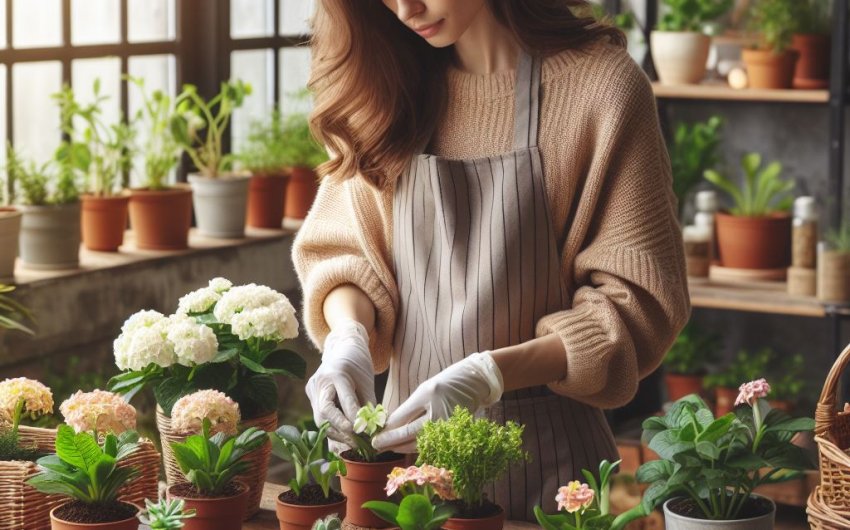
There's a special kind of magic in taking a small piece of a beloved plant and watching it transform into a whole new, thriving individual. For flower enthusiasts, propagating new plants from cuttings is not just a cost-effective way to expand a garden; it's a deeply satisfying connection to the natural world. Imagine having an endless supply of your favorite roses, vibrant petunias, or fragrant lavender, all born from a snip of an existing plant. Learning how to propagate flowers from cuttings opens up a world of possibilities, allowing you to multiply your floral treasures and share their beauty with others.
This propagation method, known as vegetative propagation, creates genetically identical copies of the parent plant, ensuring that the new blooms will be just as stunning as the original. It bypasses the unpredictability of seeds, guaranteeing the exact color, size, and fragrance you desire. From selecting the perfect stem to providing the ideal environment for root development, each step in this process is a small act of nurturing that culminates in the miracle of new life. Let's explore the simple yet profound techniques that will empower you to become a successful flower propagator, enriching your garden and your gardening experience.
Why Propagate Flowers from Cuttings?
Propagating flowers from cuttings is a fantastic gardening skill to learn, offering several great benefits. You might wonder why you should bother with cuttings when you can just buy new plants or grow from seeds.
One of the biggest reasons is cloning your favorite plants. When you grow a plant from seed, especially if it's an open-pollinated variety or a hybrid, the new plant might not look exactly like the parent. It could have different flower colors, sizes, or growth habits. But a cutting is a clone – it's genetically identical to the parent plant. So, if you have a specific rose bush with the perfect color bloom, or a geranium with a lovely scent, propagating from a cutting ensures the new plant will be exactly the same.
Another huge advantage is saving money. Cuttings are free! Once you have a plant you love, you can make many more without buying new plants or expensive seeds. This is especially useful for expanding your flower beds, filling containers, or creating gifts for friends and family.
Cuttings can also lead to faster flowering. A plant grown from a cutting is essentially a mature piece of a plant. It bypasses the seedling stage, which can be very delicate and slow. This means your new plant often matures and flowers much quicker than a plant started from seed. For many annuals and perennials, you can get blooms in the same growing season from a cutting taken in spring.
It's also a great way to preserve a specific plant. If you have an old, cherished plant that might be declining, taking cuttings allows you to continue its lineage. This is particularly valuable for sentimental plants passed down through generations.
Finally, it's just plain satisfying! There's a unique joy in nurturing a small cutting until it develops roots and grows into a full-fledged plant. It's a rewarding experience that deepens your connection to your garden. So, learning how to propagate flowers from cuttings is a valuable skill for any flower lover.
What Flowers Are Easy to Propagate from Cuttings?
Many flowers are easy to propagate from cuttings, making it a rewarding experience for even beginner propagators. When you're learning how to propagate flowers from cuttings, starting with these forgiving plants can build your confidence.
Here are some of the most popular and easiest flowers to propagate:
- Geraniums (Pelargoniums): These are perhaps the easiest. Take softwood cuttings, remove lower leaves, and they root readily in water or moist potting mix. They're very forgiving.
- Impatiens: Another super easy one. Softwood cuttings root quickly in water, especially the common bedding impatiens.
- Coleus: While primarily grown for its colorful foliage, Coleus does flower. Cuttings root incredibly fast in water, sometimes within days.
- Begonias: Many types, especially fibrous and tuberous begonias, can be rooted from stem or even leaf cuttings.
- Fuchsia: Known for their delicate, hanging flowers, Fuchsia cuttings root easily from softwood.
- Petunias: Trailing varieties in particular root well from softwood cuttings, giving you more cascades of color.
- Hydrangeas: Take softwood cuttings in late spring/early summer. They take a bit longer but generally root reliably.
- Roses: Softwood or semi-hardwood cuttings work best, usually taken in late spring to early summer or fall. They might need a bit more patience and rooting hormone.
- Lavender: Softwood cuttings taken in spring or early summer are usually successful.
- Chrysanthemums: Take softwood cuttings in spring for new plants that will bloom in the fall.
When trying these, remember that successful rooting also depends on the time of year you take the cutting (often softwood in spring/early summer) and providing the right conditions like warmth and humidity. But these varieties are generally very cooperative and a great place to start your propagation journey.
What Kinds of Cuttings Can I Use?
When learning how to propagate flowers from cuttings, it's important to know that not all cuttings are the same. The type of cutting you take depends on the plant and the time of year. Knowing the difference between them will greatly increase your success rate.
Softwood Cuttings:
- Description: These are taken from soft, new, flexible growth from the current season. They are very pliable and will snap if bent sharply.
- When to Take: Best taken in late spring to early summer when plants are actively growing.
- Pros: Generally root the fastest because the plant's cells are very active.
- Cons: More prone to wilting and drying out quickly due to their tenderness. They need high humidity to survive.
- Examples: Geraniums, Impatiens, Fuchsia, Hydrangeas, many herbaceous perennials.
Semi-Hardwood Cuttings:
- Description: Taken from slightly more mature stems that have started to harden but are still flexible. They won't snap cleanly when bent. They're usually from the current season's growth that has begun to mature.
- When to Take: Typically taken in mid-summer to early fall.
- Pros: Root more slowly than softwood cuttings but are more robust and less likely to wilt.
- Cons: Take longer to root.
- Examples: Roses, Lavender, Rhododendrons, Azaleas, Japanese Maples (though these are woody, the principle applies to many perennials).
Hardwood Cuttings:
- Description: Taken from dormant, mature, woody stems from the previous season's growth. They are firm and rigid.
- When to Take: Best taken in late fall or winter when plants are dormant.
- Pros: Very hardy and resistant to wilting. Best for woody shrubs and trees.
- Cons: Root the slowest and often have a lower success rate unless ideal conditions (cold stratification, specific soil mix) are met. Not typically used for "flowers" in the common sense unless the plant is a woody flowering shrub.
- Examples: Roses (dormant cuttings), Forsythia, Dogwood, Grapes.
For most herbaceous (non-woody) flowering plants that home gardeners propagate, softwood cuttings are the most common and easiest to work with. For shrubs that flower, semi-hardwood is often preferred. Always research the specific type of cutting recommended for your particular flower to ensure the best chances of success.
How to Choose a Healthy Stem?
Choosing a healthy stem is perhaps the most important step in how to propagate flowers from cuttings. A strong start means a better chance of successful rooting.
Here's what to look for when selecting a stem for a cutting:
Look for New, Active Growth:
- For softwood cuttings, choose stems that are flexible but firm, and are from the current season's growth. They should be vigorous, not flimsy or old and woody.
- Avoid stems with flowers or flower buds. The plant will put its energy into flowering instead of rooting. If the stem has buds, pinch them off.
- New growth often has brighter green leaves and a softer texture compared to older parts of the plant.
Check for Health and Vigor:
- The stem should look strong and healthy. Avoid any stems that appear weak, spindly, or damaged.
- Look for stems that are free from any signs of pests (like aphids, spider mites) or diseases (like powdery mildew, leaf spots, discoloration, or rotting). Propagating from a sick stem is a recipe for failure.
- The leaves on the stem should be vibrant in color and look fresh, not yellowing, drooping, or crispy.
Consider Stem Thickness:
- Choose a stem that is not too thin (which might dry out too quickly) and not too thick (which might be too woody to root easily for softwood types). Aim for a pencil-thin or slightly thinner diameter for most herbaceous plants.
Look for Nodes:
- Most plants propagated from cuttings need nodes. These are the bumps or points on the stem where leaves or branches grow out from. This is where new roots are most likely to emerge. Make sure your chosen stem has at least 2-3 nodes below where you plan to cut the leaves off.
Choose a Non-Flowering Stem:
- As mentioned, flowering takes a lot of energy. A stem that's already flowering or about to flower will be less likely to put energy into growing new roots. If your ideal stem has flowers, pinch them off before or immediately after taking the cutting.
By carefully selecting a vigorous, healthy, and appropriate stem, you're giving your future plant the best possible start.
What Supplies Do I Need to Take Cuttings?
Having all your supplies ready before you start will make the process of propagating flowers from cuttings smooth and efficient. You don't need a lot of fancy equipment, but a few key items will greatly increase your success.
Sharp, Clean Pruning Shears or a Knife:
- This is essential. Dull tools crush stems, damaging the plant tissue and making it harder for the cutting to root.
- Cleanliness is paramount. Always sterilize your tool before taking cuttings, especially if you've used it on other plants. You can use rubbing alcohol or a 10% bleach solution. This prevents the spread of diseases. A good pair of Fiskars Bypass Pruning Shears is always a worthwhile investment.
Small Pots or Trays with Drainage Holes:
- You'll need containers for your cuttings. Small nursery pots (2-4 inches), cell packs, or seed trays work well. The crucial part is that they must have drainage holes to prevent soggy soil, which leads to rot.
Sterile Potting Mix (or Propagation Medium):
- Do NOT use garden soil. It's too dense and contains pathogens.
- You need a lightweight, sterile, well-draining medium that encourages root growth and prevents fungal issues. Good options include:
- A mix of peat moss and perlite (50/50).
- A mix of coco coir and perlite (50/50).
- Specialized seed starting mix or propagation mix.
- Vermiculite alone can also be used.
- These mediums hold enough moisture while allowing for good airflow, preventing rot. You can find a suitable Seed Starting Mix or a bag of Espoma Perlite to mix your own.
Rooting Hormone (Optional but Recommended):
- This is a powder or gel that contains plant hormones (auxins) that stimulate root development. While many easy-to-root plants don't strictly need it, it significantly increases the success rate and speeds up rooting for almost all cuttings, especially for those that are a bit more challenging.
- It comes in powder, liquid, or gel forms. Garden Safe TakeRoot Rooting Hormone is a popular choice.
Plastic Dome or Clear Plastic Bag (for humidity):
- Many cuttings, especially softwood ones, need high humidity to prevent them from drying out before they develop roots. A clear plastic dome over your tray or a plastic bag over individual pots creates a mini-greenhouse effect.
Popsicle Sticks or Plant Labels:
- To label your cuttings with the plant type and date you took them. This is very helpful if you're propagating multiple types of flowers. A simple set of Wooden Plant Labels works well.
Watering Can or Spray Bottle:
- For pre-moistening the soil and for misting the cuttings.
Having these items on hand will prepare you for a successful propagation venture.
What is Rooting Hormone and Do I Need It?
Rooting hormone is a product that contains plant hormones, primarily auxins, which are natural substances that encourage cell growth and development, specifically root formation. It comes in powder, liquid, or gel forms.
How it works: When you apply rooting hormone to the cut end of a stem cutting, it stimulates the cells at that point to develop into new root cells. It also helps protect the cut surface from fungal infections, which can cause the cutting to rot before it has a chance to grow roots.
Do you need it? The answer is: It depends on the plant, but it's generally recommended for better success.
For easy-to-root plants (e.g., Geraniums, Impatiens, Coleus): You often don't need rooting hormone for these plants. They have a natural tendency to root quickly on their own, especially in water. However, using rooting hormone can still speed up the process and lead to a stronger root system.
For moderately difficult or woody plants (e.g., Roses, Hydrangeas, Lavender): Rooting hormone is highly recommended for these. It significantly increases your success rate and helps them develop roots more reliably. Without it, your chances might be much lower.
To increase success rate for all plants: Even for easy plants, rooting hormone can improve the overall success rate of your cuttings. If you're propagating many cuttings or want to maximize your chances, it's a worthwhile investment.
How to use it (powder form):
- Pour a small amount of hormone powder into a separate dish (don't dip your cutting directly into the original container to avoid contamination).
- Lightly moisten the cut end of your stem cutting with water.
- Dip the moistened cut end into the hormone powder, tapping off any excess. You want a thin, even coating.
- Immediately insert the cutting into your prepared potting medium.
Remember to follow the specific instructions on the rooting hormone product you purchase. You can find popular rooting hormone products like Garden Safe TakeRoot Rooting Hormone to aid your propagation efforts.
How Do I Take a Flower Cutting? (Step-by-Step)
Taking a flower cutting properly is a crucial step in how to propagate flowers from cuttings. A clean cut and healthy stem give your future plant the best chance.
Step 1: Choose the Right Stem
- Select a healthy, vigorous stem from your parent plant. Look for new, non-flowering growth (softwood or semi-hardwood, depending on the plant type and season).
- Ensure it's free from pests or diseases.
- Aim for a stem with at least 3-4 nodes (where leaves or branches emerge).
Step 2: Make the Cut
- Using your sharp, clean pruning shears or knife, make a clean cut just below a node. This cut should be at about a 45-degree angle. An angled cut increases the surface area for rooting and helps prevent the cutting from sitting flat on the bottom of the rooting medium, blocking water uptake.
- The ideal length for a cutting is typically 4 to 6 inches, but this can vary by plant.
Step 3: Prepare the Cutting
- Remove Lower Leaves: Gently strip off the leaves from the bottom 1-2 inches of the stem. You want at least two nodes to be bare, as this is where the cutting will be inserted into the rooting medium and where roots will likely form. Remove any leaves that would be below the soil line.
- Remove Flowers/Buds: If your chosen stem has any flower buds or open flowers, pinch them off. The plant's energy should be directed towards producing roots, not blooms.
- Optional: Score the Stem: For some tougher-to-root plants, you can gently scrape a tiny bit of the outer bark off on two sides of the bottom 1/2 inch of the stem. This exposes more cambium (the growth tissue) and can encourage rooting.
Step 4: Apply Rooting Hormone (Optional but Recommended)
- If using rooting hormone, lightly moisten the bottom 1-2 inches of the cut stem.
- Dip the moistened end into rooting hormone powder, tapping off any excess. You want a thin, even coating. If using gel or liquid, follow product instructions.
Step 5: Immediately Plant the Cutting
- Immediately after applying rooting hormone (or if not using it), gently make a hole in your pre-moistened potting medium using a pencil or a stick. This prevents rubbing off the hormone.
- Insert the cutting into the hole, ensuring at least one or two nodes are buried in the medium.
- Gently firm the soil around the base of the cutting to ensure good contact.
By following these steps, you're setting your flower cutting up for the best possible start to develop a strong root system. Remember that a clean, healthy cutting is the foundation of successful propagation.
What Length Should My Cuttings Be?
The ideal length for your cuttings when you're learning how to propagate flowers from cuttings can vary slightly depending on the specific plant, but a good general rule of thumb is 4 to 6 inches.
Here's why this length is generally effective:
Enough Nodes: A 4-6 inch cutting usually ensures you have enough nodes (the points on the stem where leaves emerge) to work with. You'll typically remove the lower leaves, leaving at least 1-2 nodes to be buried in the rooting medium, as this is where roots are most likely to form. The remaining upper nodes will support the existing leaves that perform photosynthesis.
Managability: Cuttings in this range are easy to handle and fit well into most small pots or propagation trays. Longer cuttings can be unwieldy and more prone to wilting.
Moisture Balance: A cutting needs to be long enough to have enough stem tissue to support itself and a few leaves, but not so long that it loses too much moisture through transpiration (evaporation from leaves) before it can grow roots. A 4-6 inch length generally strikes a good balance.
Things to consider:
- Softwood vs. Hardwood: For very tender softwood cuttings (like impatiens or coleus), you might sometimes take slightly shorter cuttings (2-4 inches) as they root quickly and don't need as much stored energy. For tougher semi-hardwood or hardwood cuttings, you might lean towards the longer end (6 inches or even slightly more) as they are more robust and can store more energy for the longer rooting process.
- Leaf Size: If the plant has very large leaves (e.g., some hibiscus), you might cut them in half to reduce moisture loss and stress on the cutting. The overall goal is to have enough leaf surface for photosynthesis but not so much that the cutting dries out before roots form.
Always aim for a piece of stem that is healthy, has a few leaves at the top, and includes at least two nodes that can be buried in the rooting medium. Precision in length is less critical than the health of the cutting and the proper handling of its cut end.
What is the Best Rooting Medium?
Choosing the best rooting medium is absolutely crucial for successful flower propagation from cuttings. The right medium provides support, retains moisture, and most importantly, offers excellent drainage and aeration to prevent rot. You should never use garden soil for cuttings.
Here are the best options for rooting mediums:
Perlite and Peat Moss Mix (50/50):
- Perlite: This is lightweight, expanded volcanic glass. It's fantastic for providing aeration and drainage, preventing compaction, and keeping the mix loose.
- Peat Moss: This retains moisture well and is slightly acidic, which many plants prefer for rooting.
- Why it's great: This classic combination offers a superb balance of moisture retention and excellent drainage, which is exactly what cuttings need to prevent rot while developing roots. It's sterile and easily available. You can purchase Espoma Perlite and Hoffman Canadian Sphagnum Peat Moss separately to mix.
Coco Coir and Perlite Mix (50/50):
- Coco Coir: A sustainable alternative to peat moss, coco coir (from coconut husks) also has excellent water retention properties and good aeration.
- Why it's great: Similar benefits to the peat/perlite mix, but it's more environmentally friendly and often has a neutral pH.
Sand (Coarse Horticultural Sand):
- Description: Not play sand, but coarse, gritty horticultural sand.
- Why it's great: Provides excellent drainage and aeration. Cuttings root well in it because it prevents rot.
- Drawbacks: Doesn't hold much moisture or nutrients, so once rooted, plants need to be moved to a more nutritious potting mix quickly.
Vermiculite:
- Description: A lightweight, expanded mineral that holds both water and air.
- Why it's great: Very good at retaining moisture while still being airy. It's sterile and provides some beneficial minerals. Can be used alone or mixed with other components. A bag of Vermiculite for Gardening is useful.
Specialized Seed Starting Mix or Propagation Mix:
- These ready-made mixes are usually sterile, fine-textured, and designed to hold moisture while draining well. They are excellent choices if you prefer not to mix your own.
Key characteristics of a good rooting medium:
- Sterile: Prevents fungal diseases from attacking vulnerable cuttings.
- Well-draining: Absolutely critical to prevent rot.
- Good aeration: Roots need oxygen to grow.
- Moisture-retentive: Holds enough water for the cutting without becoming soggy.
- Low in nutrients: Cuttings don't need fertilizer while rooting; it can even burn them.
Choosing the right medium is paramount. It provides the ideal environment for those delicate new roots to form without fear of rotting.
Can I Root Cuttings in Water?
Yes, you can root many flower cuttings in water, and it's a very popular method, especially for beginners learning how to propagate flowers from cuttings because it's easy to see the roots forming.
Flowers that are generally easy to root in water include:
- Geraniums (Pelargoniums)
- Impatiens
- Coleus
- Begonias (some types)
- Pothos (though not a flower, it's a great example of a plant that roots well in water)
How to Root in Water:
- Prepare the Cutting: Take a healthy cutting (4-6 inches) from a non-flowering stem. Remove all leaves from the bottom 2-3 inches of the stem – any leaves submerged in water will rot. Pinch off any flowers or buds.
- Choose a Container: Use a clean, clear glass or jar so you can monitor root development.
- Add Water: Fill the container with fresh, room-temperature water. Filtered water or rainwater is ideal, as tap water can sometimes contain chlorine or other chemicals that may inhibit rooting.
- Place Cutting: Place the prepared cutting in the water, ensuring that at least one or two nodes are submerged.
- Location: Place the container in a warm spot with bright, indirect light. Avoid direct, scorching sunlight.
- Change Water Regularly: This is very important! Change the water every few days (every 2-3 days) to keep it fresh and prevent bacterial or algal growth, which can cause the cutting to rot.
- Patience: Roots can appear anywhere from a few days to several weeks, depending on the plant. Once the roots are about 1-2 inches long, they are ready to be carefully transplanted into a small pot with a well-draining potting mix.
Pros of Water Rooting:
- Easy to see root development: Very satisfying to watch.
- Less messy than soil.
- Less risk of overwatering (rot from soggy soil): Though water can still become stagnant.
Cons of Water Rooting:
- Roots are different: Water roots are often more fragile and less adapted to soil. The plant can experience some transplant shock when moved to soil.
- Not suitable for all plants: Many woody plants or those prone to rot (like succulents) don't root well in water.
- No nutrients: Water provides no nutrients, so the plant relies on stored energy. Once roots form, they need to be moved to soil quickly.
While water rooting is popular for its simplicity, for many plants, rooting directly in a proper potting medium often results in a more robust and better-adapted root system for long-term success.
How Do I Plant My Cuttings? (After Taking Them)
Once you've taken your cuttings, the next step in how to propagate flowers from cuttings is to properly plant them in their rooting medium. This environment is crucial for root development.
Step 1: Prepare the Rooting Medium
- Fill your small pots, cell trays, or propagation tray with your chosen sterile, well-draining rooting medium (e.g., perlite/peat moss mix, coco coir/perlite, or seed starting mix).
- Pre-moisten the medium thoroughly. Water it until it's evenly damp, like a wrung-out sponge. Not soggy, but moist all the way through. This prevents dry spots and helps the cutting stay hydrated.
Step 2: Create Planting Holes
- Use a pencil, a chopstick, or even your finger to make a small hole in the center of the medium in each pot or cell.
- Make the hole deep enough to accommodate the portion of the cutting you've prepared (where you removed the lower leaves and/or applied rooting hormone). Making a hole prevents you from rubbing off the rooting hormone if you used it, and also avoids damaging the tender stem.
Step 3: Insert the Cutting
- Carefully insert one prepared cutting into each hole. Ensure at least one or two nodes are buried beneath the surface of the medium. These buried nodes are where the new roots are most likely to emerge.
- Gently firm the medium around the base of the cutting to ensure good contact. Don't pack it down too tightly, as this will reduce aeration.
Step 4: Create a Humid Environment (Crucial for most cuttings)
- Many cuttings need high humidity to prevent them from drying out before they form roots.
- If using a propagation tray, place a clear plastic dome over it.
- If using individual pots, you can place a clear plastic bag over each pot, supported by stakes so it doesn't touch the leaves.
- Punch a few small holes in the plastic for a little bit of air exchange. This mini-greenhouse effect traps humidity.
Step 5: Place in the Right Location
- Place your newly planted cuttings in a warm spot with bright, indirect light.
- Avoid direct, harsh sunlight, which can scorch the tender cuttings and cause them to dry out too quickly, even with humidity.
- Consistent warmth (70-75°F or 21-24°C) often helps stimulate root growth. You might consider a Seedling Heat Mat if your environment is cool.
Step 6: Ongoing Care
- Monitor Moisture: Check the medium regularly (every few days). It should remain consistently moist, but not soggy. Mist the inside of the humidity dome/bag if you see condensation decreasing.
- Provide Airflow: Lift the humidity dome or bag for 15-30 minutes each day to allow for fresh air exchange and prevent fungal growth.
- Patience: Rooting can take anywhere from a few days to several weeks, depending on the plant type. Resist the urge to pull up cuttings to check for roots! Look for signs of new leaf growth as an indication that roots are forming.
By following these steps, you'll provide your cuttings with the optimal conditions to develop a robust root system, paving the way for thriving new plants.
What Conditions Do Cuttings Need to Root Successfully?
Successful rooting of flower cuttings depends on providing the right environment. Understanding these key conditions is fundamental to how to propagate flowers from cuttings effectively.
Consistent Moisture (but not soggy):
- The rooting medium needs to be kept consistently moist, like a wrung-out sponge. It should never dry out completely, as this will kill the developing roots.
- Crucially, it also must not be soggy or waterlogged. Too much water suffocates roots and promotes rot. This is why a well-draining medium is essential.
- Check the medium regularly and water gently when the very top just starts to feel dry.
High Humidity:
- Most cuttings, especially tender softwood ones, do not have roots to absorb water, so they lose moisture very quickly through their leaves (transpiration).
- High humidity around the leaves drastically reduces this water loss, allowing the cutting to conserve moisture until roots form.
- Use a clear plastic dome, a plastic bag over the pot, or place cuttings in a propagation tray with a lid. Remember to vent daily to allow for air exchange and prevent fungal issues.
Warmth:
- Consistent warmth stimulates cell division and root growth.
- Ideal temperatures for most cuttings are between 70-75°F (21-24°C).
- If your room is cooler, a seedling heat mat placed under the propagation tray can significantly speed up rooting. Make sure the heat isn't too intense, as this can dry out the medium too quickly. A Seedling Heat Mat with a thermostat is ideal.
Bright, Indirect Light:
- Cuttings need light for photosynthesis (to produce energy), but direct, intense sunlight is harmful. It can scorch the tender leaves and cause the cutting to dry out too quickly.
- Place cuttings in a location with bright, filtered light, such as near a north-facing window, a few feet back from an east or west-facing window, or under grow lights. A LED Grow Light for Indoor Plants can provide ideal conditions.
Good Air Circulation (around the overall setup):
- While high humidity around the cuttings is needed, good air circulation in the room helps prevent stagnant air and potential fungal problems.
- Daily venting of humidity domes/bags also contributes to good air exchange.
By meticulously managing these five conditions, you create the optimal environment for your flower cuttings to develop strong, healthy roots. Patience and consistent monitoring are also key!
When Are My Cuttings Ready to Pot Up?
Knowing when your cuttings are ready to pot up is a key step in how to propagate flowers from cuttings. Transplanting too early can kill the delicate new roots, but waiting too long can also hinder growth.
Here are the main signs to look for that indicate your cuttings are ready for their own pots:
New Leaf Growth: This is often the most visible and reliable sign. When you see new leaves actively forming and growing on the top of your cutting, it's a very strong indication that it has successfully developed a root system below. The plant is now able to take up water and nutrients, allowing it to produce new foliage.
Resistance When Gently Tugged: After a few weeks (or more, depending on the plant), you can gently tug on a cutting. If you feel slight resistance, it means roots have formed and are anchoring the cutting into the rooting medium. If it pulls out easily, it's not ready yet. Do this test very gently, as you don't want to damage fragile new roots.
Visible Roots (for clear containers or water rooting):
- If you're rooting in water, you'll clearly see roots that are at least 1-2 inches long. They should look white and healthy.
- If you're rooting in a clear plastic cup, you might be able to see roots against the sides of the cup.
Important considerations before potting up:
- Avoid Transplanting Too Early: Resist the urge to pot up as soon as you see tiny root nubs. Let them grow to a decent length (1-2 inches) before moving them. These stronger roots will adapt better to the new potting mix.
- Harden Off (if applicable): If your cuttings have been in a high-humidity environment (under a dome or bag), you should "harden them off" for a few days before potting them up. This means gradually exposing them to lower humidity by opening the dome/bag for increasing periods each day. This helps them adapt and reduces transplant shock.
- Choose the Right Pot and Soil: Use small pots (2-4 inches) with drainage holes and a regular, well-draining indoor potting mix (not a fine seed-starting mix, which doesn't have enough nutrients).
Once your cuttings show these signs, they are ready for their next step! Carefully transition them to their own pots, water them gently, and continue to provide them with bright, indirect light as they establish themselves.
How Do I Pot Up a Rooted Cutting? (Step-by-Step)
Once your flower cuttings have developed healthy roots, it's an exciting moment to pot them up! This final step in how to propagate flowers from cuttings prepares them for independent growth.
Step 1: Prepare Your Potting Supplies
- Choose small pots (typically 2-4 inches in diameter) that have good drainage holes.
- Gather your well-draining potting mix. This should be a standard indoor potting mix, or one suitable for the specific flower, with good aeration (e.g., with perlite or coco coir). Do not use the fine seed-starting mix or pure rooting medium for long-term growth as it lacks nutrients.
- A small trowel or spoon.
- A watering can.
Step 2: Prepare the Potting Mix
- Lightly moisten your potting mix. It should be evenly damp, like a wrung-out sponge, not soggy. This makes it easier to work with and provides immediate moisture for the newly transplanted cutting.
Step 3: Fill the Pot
- Add a layer of the moistened potting mix to the bottom of your new small pot. The amount depends on the size of your cutting's root ball, but you want to ensure the base of the cutting will sit at roughly the same depth it was in the rooting medium, with the top of the soil about 1 inch below the pot rim.
Step 4: Carefully Remove the Rooted Cutting
- If rooting in water: Gently lift the cutting from the water.
- If rooting in a medium: Be extremely gentle! Use a small trowel or a spoon to carefully scoop out the cutting and its surrounding rooting medium, trying to keep the root ball as intact as possible. Avoid pulling the cutting directly by the stem, as the new roots are very fragile and easily damaged.
Step 5: Plant the Cutting in the New Pot
- Create a small depression in the center of the potting mix in the new pot.
- Carefully place the rooted cutting into this depression.
- Gently backfill around the roots with more potting mix, lightly firming it down to ensure good contact between the roots and the new soil. Don't pack it tightly, as roots need air. The top of the rooting medium should be at the same level as the new soil.
Step 6: Water Gently
- Give the newly potted cutting a gentle but thorough watering. Water until you see moisture draining from the bottom holes. This helps the new soil settle around the roots.
- Immediately discard any excess water that collects in the saucer.
Step 7: Provide Initial Care
- Place your newly potted cutting in a location with bright, indirect light. Avoid direct, harsh sunlight for at least a week or two, as the plant needs to adjust to its new soil environment.
- Maintain consistent warmth.
- Monitor soil moisture closely: allow the top inch or so to dry out before watering again. The new soil might dry at a different rate than the rooting medium.
- Do not fertilize yet. The fresh potting mix should provide enough nutrients for the first few weeks. Wait until you see clear signs of new growth (new leaves forming) before starting a very diluted feeding.
By following these gentle steps, you'll give your newly rooted flower cuttings the best chance to grow into robust, independent plants.