
What are some shade-tolerant flowers for a north-facing garden?
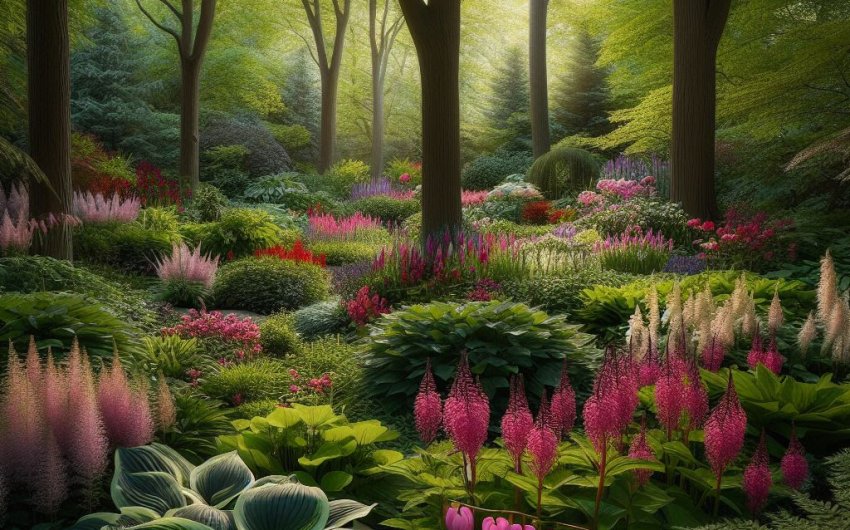
The desire for a vibrant, blooming garden is universal, but what if your outdoor space primarily faces north, or is heavily shaded by buildings or mature trees? Many gardeners mistakenly believe that shady spots are destined to be drab, green-only zones. However, embracing the challenges of low light can unlock a world of unique beauty. A north-facing garden, or any heavily shaded area, offers a special opportunity to cultivate a serene, lush, and surprisingly colorful oasis using shade-tolerant flowers. These resilient beauties are not only adapted to thrive with minimal direct sun but often boast delicate blooms and striking foliage that truly shine in dappled light. This guide will illuminate the best choices for transforming your shadowy corners into captivating spaces, proving that even in the shade, your garden can burst with life and color.
What Does "Shade-Tolerant" Really Mean?
Before we dive into specific flowers, it's important to understand what "shade" actually means in gardening terms, as it's not a one-size-fits-all definition. Different plants have different shade requirements.
Types of Shade
- Full Shade: Receives no direct sunlight throughout the day, or only for a very brief period (less than 3 hours), often from the early morning or late evening sun. This is the darkest type of shade. Think under dense tree canopies or on the north side of a tall building.
- Partial Shade / Part Sun: Receives 3-6 hours of direct sunlight per day, usually in the morning or late afternoon. It's shaded during the hottest part of the day (midday sun). Many plants labeled "part sun/part shade" fall into this category. This is often what a north-facing garden might experience, especially if it gets some morning or evening light.
- Dappled Shade: This is like the shade you find under a deciduous tree, where sunlight filters through the leaves. It's a shifting pattern of sun and shade throughout the day. Many shade-loving plants thrive here.
"Shade-Tolerant" vs. "Shade-Loving"
The terms can be confusing:
- Shade-Tolerant: These plants can survive in shady conditions, but might not bloom as much as they would with more light. Their primary need isn't intense sun.
- Shade-Loving: These plants actually prefer shade and may even get scorched or stressed in too much direct sun. Many classic shade plants fall into this category.
For a north-facing garden, you'll primarily be looking for plants that thrive in full shade or partial shade, depending on how much ambient light the area receives.
Challenges of Shade Gardens
Beyond just light, shade gardens present other unique considerations:
- Soil Moisture: Shady areas can often be either consistently moist (if under trees that block evaporation) or very dry (if under established trees with thirsty roots). A soil test is highly recommended.
- Competition from Trees: If your shade is from trees, their roots compete heavily for water and nutrients, making it harder for understory plants to establish.
- Air Circulation: Denser shade can sometimes lead to poorer air circulation, increasing the risk of fungal diseases.
Captivating Shade-Tolerant Flowers for a North-Facing Garden
Don't despair your shady spots! Many beautiful flowers and foliage plants actually prefer the cooler, less intense light of a north-facing garden.
1. Hostas (Hosta spp.)
Focus: Stunning Foliage, Subtle Flowers
- Why they're great for shade: Famous for thriving in partial to full shade. While they do produce flower spikes (often lavender or white), their primary appeal is their incredibly diverse and beautiful foliage.
- Palette Power: Hostas offer an amazing range of leaf colors (blue, green, chartreuse, gold, variegated with white, cream, or yellow margins) and textures (smooth, corrugated, ribbed, ruffled).
- Zones: 3-9.
- Tips: Choose varieties that complement each other in color and texture. Grouping them creates a lush, dynamic look. Use them as a backdrop for other shade flowers. Hosta bare roots are easy to plant.
2. Astilbe (Astilbe spp.)
Focus: Feathery Plumes of Color
- Why they're great for shade: Love partial to full shade and consistently moist soil. They offer vibrant plumes of tiny flowers that stand out beautifully against their fern-like foliage.
- Palette Power: Available in shades of pink, red, purple, white, and cream. Their feathery texture adds softness and movement.
- Zones: 3-8.
- Tips: Pair with Hostas and Ferns for a beautiful textural contrast. Needs consistently moist soil; avoid letting them dry out.
3. Bleeding Heart (Dicentra spectabilis)
Focus: Heart-Shaped Blooms
- Why they're great for shade: A classic spring-blooming perennial that thrives in partial shade and moist, well-drained soil. Known for its distinctive heart-shaped flowers.
- Palette Power: Traditional pink and white, but also 'Alba' (pure white) and newer fringed-leaf varieties.
- Zones: 3-9.
- Tips: They tend to go dormant in summer, especially in warmer climates, so plant them near later-emerging perennials that will fill in the space (like Hostas or Ferns).
4. Impatiens (Impatiens walleriana)
Focus: Non-Stop Color (Annual)
- Why they're great for shade: A go-to annual for adding bright, continuous color to shady spots. They absolutely hate direct sun.
- Palette Power: Available in almost every color imaginable except true blue and yellow, from vibrant reds and oranges to soft pinks, purples, and whites.
- Zones: Annual (grow as perennials in Zone 10+).
- Tips: Perfect for mass plantings, hanging baskets, or containers in shaded areas. Note: Downy mildew has affected some common varieties; look for disease-resistant New Guinea Impatiens or Impatiens Beacon.
5. Begonias (Various Types)
Focus: Versatile Blooms & Foliage (Annual/Tuberous)
- Why they're great for shade: Many Begonia types are fantastic for shade, offering both colorful flowers and attractive foliage.
- Palette Power:
- Tuberous Begonias: Produce large, showy flowers in shades of red, orange, yellow, pink, and white. Prefer bright, indirect light. Tuberous begonia bulbs are planted in spring.
- Wax Begonias (Begonia semperflorens): Smaller flowers, but continuous bloomers with waxy green or bronze foliage. Can handle more sun than tuberous types.
- Rex Begonias: Primarily grown for their incredibly vibrant, patterned, and textured foliage (pinks, purples, greens, silvers, reds). Flowers are usually insignificant.
- Zones: Annual (perennial in Zone 10+).
- Tips: Great for containers, hanging baskets, or borders. Ensure good drainage.
6. Ferns (Various Species)
Focus: Lush Foliage, Textural Interest
- Why they're great for shade: Ferns are quintessential shade plants, thriving in damp, low-light conditions. While they don't flower, their varied frond shapes, sizes, and shades of green add incredible texture and depth.
- Palette Power: Mostly shades of green, but some have reddish new growth (Autumn Fern) or silver stripes (Japanese Painted Fern).
- Zones: Varies by species (e.g., Lady Fern Zones 3-8, Japanese Painted Fern Zones 3-8).
- Tips: Perfect for creating a lush, woodland feel. Combine different fern varieties for varied textures.
7. Hydrangeas (Hydrangea spp.)
Focus: Showy Mopheads or Lacecaps
- Why they're great for shade: Many types of Hydrangeas, especially the Bigleaf (Mophead/Lacecap) Hydrangeas (Hydrangea macrophylla) and Oakleaf Hydrangeas (Hydrangea quercifolia), prefer partial shade, especially protection from hot afternoon sun.
- Palette Power: Bigleaf Hydrangeas boast large, showy flower heads in shades of pink, blue, purple, and white (color often depends on soil pH). Oakleaf Hydrangeas have white flowers that age to pink/red and attractive fall foliage.
- Zones: 4-9 (varies by species).
- Tips: Provide consistent moisture. For blue flowers, you need acidic soil with aluminum; for pink, more alkaline soil. A soil pH test kit can help.
8. Foxglove (Digitalis purpurea)
Focus: Tall, Striking Spikes
- Why they're great for shade: Known for their tall spires of bell-shaped flowers that emerge in late spring to early summer. They prefer partial shade and well-drained soil.
- Palette Power: Purple, pink, white, and yellow, often with attractive speckles inside.
- Zones: 4-9 (biennial or short-lived perennial).
- Tips: Great for adding vertical interest to the back of a shade border. Be aware: all parts of the plant are toxic if ingested.
9. Lenten Rose (Helleborus orientalis)
Focus: Early Spring Blooms, Evergreen Foliage
- Why they're great for shade: One of the earliest bloomers, often appearing when snow is still on the ground. They are extremely cold-hardy and love partial to full shade.
- Palette Power: Flowers come in shades of white, pink, purple, dark red, and even spotted varieties. Their leathery, evergreen foliage provides year-round interest.
- Zones: 4-9.
- Tips: Low maintenance and deer resistant. Perfect for planting under deciduous trees where they can get early spring sun before trees leaf out.
10. Lungwort (Pulmonaria spp.)
Focus: Spotted Foliage, Early Blooms
- Why they're great for shade: Prized for both its early spring flowers and its attractive, often silver-spotted foliage that lasts all season. Thrives in partial to full shade and moist soil.
- Palette Power: Flowers typically shift color, often starting pink and turning blue/purple, or can be white. Foliage offers silvery spots or splashes.
- Zones: 3-8.
- Tips: Great for groundcover or front of border in shade.
11. Coral Bells (Heuchera spp.)
Focus: Dynamic Foliage, Delicate Flowers
- Why they're great for shade: While they have delicate flower stalks (white, pink, red), Coral Bells are primarily grown for their incredible foliage, which offers year-round color in many climates. They prefer partial shade.
- Palette Power: Leaves come in an astonishing range of colors: lime green, amber, orange, deep purple, nearly black, silver, variegated. Textures range from smooth to ruffled.
- Zones: 4-9.
- Tips: Excellent for front of the border, containers, or mass planting for dramatic color sweeps. Heuchera bare roots are a good way to start.
12. Foamflower (Tiarella cordifolia)
Focus: Airy Spring Blooms, Textured Groundcover
- Why they're great for shade: A beautiful native perennial that forms clumps of attractive, often lobed or heart-shaped leaves. In spring, it sends up airy, frothy spikes of white or pale pink flowers. Loves partial to full shade and moist soil.
- Palette Power: Primarily white/pale pink flowers, with green foliage that sometimes has dark markings.
- Zones: 3-8.
- Tips: Excellent choice for a graceful groundcover or naturalizing in woodland settings.
Designing Your North-Facing Garden: Tips for Success
Creating a captivating shade garden goes beyond just picking the right plants. Thoughtful design and proper care are crucial.
1. Understand Your Specific Shade Level
Even within a north-facing area, light can vary.
- Morning Sun: Does it get any morning sun? This is gentle and beneficial.
- Reflected Light: Is there a light-colored wall or fence that reflects light into the area?
- Overhanging Trees: Is the shade from trees? If so, consider competition from tree roots and if pruning overhead branches can allow more dappled light.
2. Improve Soil Quality
Shady spots, especially under trees, can have poor, compacted, or very dry soil.
- Organic Matter: Amend the soil generously with organic compost or shredded leaves. This improves drainage in heavy clay and adds moisture retention to sandy soils.
- Raised Beds: If soil is very poor or tree roots are extensive, consider building raised garden beds to provide a better growing environment.
3. Focus on Foliage First
While flowers add pops of color, foliage is the star of a shade garden.
- Texture: Mix broad leaves (Hostas, Begonias), fine textures (Ferns, Astilbe), and varied shapes for year-round interest.
- Color: Utilize the wide range of foliage colors available (chartreuse, blue-green, silver, dark green, variegated).
4. Use Whites and Light Colors Strategically
White, pale pink, and light yellow flowers literally "glow" in the shade, making the area appear brighter and more inviting. They stand out more than dark, saturated colors.
5. Add Hardscaping for Structure and Interest
- Paths: Create winding pathways with garden stepping stones or gravel.
- Features: Incorporate a bird bath, a rustic bench, or a charming garden statue. These elements add focal points and contrast with the lush plantings.
- Boulders/Rocks: Large rocks or boulders can add a natural, woodland feel and provide visual weight.
6. Consider Containers
If your shady spot has very poor soil or heavy tree root competition, containers are an excellent solution.
- Flexibility: You can easily adjust plants or move them if light conditions change.
- Control Soil: Fill pots with the ideal potting mix for shade plants.
- Grouping: Group containers for a dramatic display.
7. Water Consistently
Many shade plants, especially if newly planted or under thirsty trees, still need consistent moisture. Don't assume shade means no watering.
8. Mulch Generously
Apply a thick layer of organic mulch (like shredded leaves or wood chips). This helps retain moisture, suppress weeds, and slowly enriches the soil.
A north-facing garden, far from being a limitation, presents a unique opportunity to cultivate a distinct and captivating outdoor space. By choosing the right shade-tolerant flowers and foliage plants, focusing on texture and form, and employing smart design strategies, you can transform your shadowy corners into lush, vibrant havens that truly shine in nature's dappled light. Embrace the shade, and unlock a new dimension of beauty in your garden.