
How to Grow Juicy Tomatoes in Your Garden?
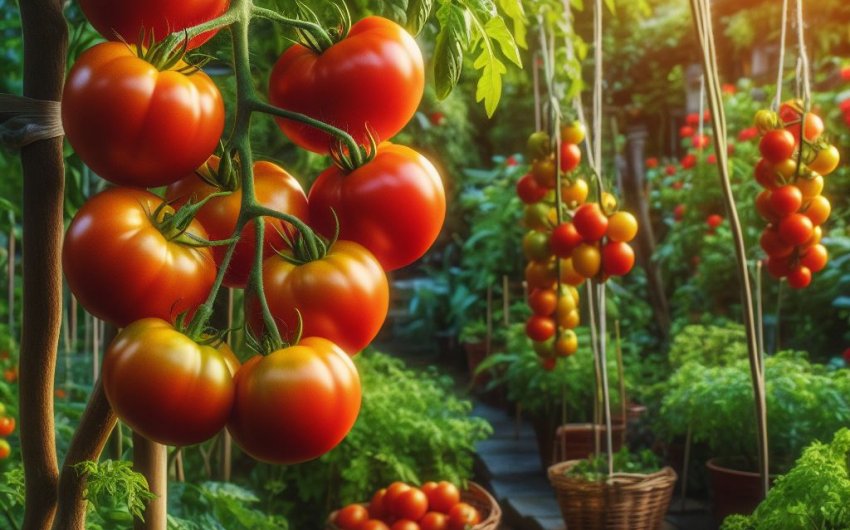
Few things evoke the essence of summer gardening quite like the sight of plump, sun-ripened tomatoes hanging heavy on the vine. The anticipation of that first juicy bite, bursting with homegrown flavor, is a driving force for countless gardeners. Yet, achieving that perfect, flavorful harvest can sometimes feel like chasing a moving target. From stunted growth to cracked skins and frustrating diseases, tomato plants can present a unique set of challenges. But don't let past struggles deter you! Growing succulent, abundant tomatoes is entirely achievable with a bit of knowledge, the right techniques, and consistent care. It's about understanding what these sun-loving plants truly crave and providing them with the optimal conditions to thrive. This guide will walk you through every essential step, transforming your tomato patch into a reliable source of delicious, homegrown bounty, season after glorious season.
What Are the Best Tomato Varieties for Juicy Harvests?
The journey to growing juicy tomatoes starts long before you plant a single seed: it begins with choosing the right variety. With thousands of tomato varieties available, selecting the perfect one can feel overwhelming. Consider your climate, your garden space, and what you plan to do with your harvest.
Understanding Tomato Growth Habits:
This is a fundamental distinction that impacts spacing, support, and overall management.
1. Indeterminate Tomatoes
- Growth Habit: These are vining tomato plants that will continue to grow, flower, and produce fruit all season long until stopped by frost or disease. They can reach 6-10 feet or more in height.
- Benefits: Provide a continuous, prolonged harvest throughout the summer and fall. Ideal for gardeners who want a steady supply of fresh tomatoes.
- Needs: Require strong, continuous support (tall cages, stakes, or trellises) and regular pruning to manage their vigorous growth.
- Best for: Larger gardens, gardeners who enjoy continuous harvesting, and those who want to practice pruning.
2. Determinant Tomatoes
- Growth Habit: These are bushy tomato plants that grow to a predetermined height (typically 3-4 feet) and then stop growing. They flower and set most of their fruit within a concentrated period, often over 2-3 weeks.
- Benefits: Provide a large, single harvest, ideal for canning, saucing, or processing. Easier to manage due to their compact size, requiring less strenuous support.
- Needs: Still benefit from some support (smaller cages or stakes) to keep fruit off the ground.
- Best for: Smaller gardens, container gardening, and gardeners who want a large batch of tomatoes for preserving.
Top Varieties for Juicy Flavor and Good Yields:
Regardless of growth habit, certain varieties are consistently praised for their superior flavor and juiciness.
For Slicing & Fresh Eating (Beefsteaks & Large Slicers):
These are your sandwich and salad champions, known for their size and meaty, juicy texture.
- 'Big Beef' (Indeterminate): A hybrid favorite, 'Big Beef' is renowned for its large (10-12 oz), flavorful, classic red fruits. It's disease-resistant and reliable, making it an excellent choice for a consistent producer of juicy slicers. You can buy Big Beef Tomato Seeds.
- 'Brandywine' (Indeterminate): A popular heirloom tomato, known for its incredibly rich, complex, and intensely sweet flavor. Fruits are large, often pink or red, with a somewhat irregular shape. While delicious, heirlooms can sometimes be more susceptible to disease.
- 'Celebrity' (Determinant): A versatile, disease-resistant hybrid that produces medium-to-large (8-10 oz) red fruits with good flavor and a firm texture. It's a reliable producer and a great choice for beginner gardeners.
- 'Better Bush' (Determinant): A compact bush type that still produces good-sized, flavorful slicers, making it excellent for smaller spaces or containers.
For Saucing & Canning (Paste Tomatoes):
These varieties have thick walls, fewer seeds, and less juice, making them ideal for cooking down into sauces, pastes, and preserving. While less "juicy" fresh, their concentrated flavor is key for processing.
- 'Roma' (Determinant): The classic paste tomato, 'Roma' is a highly productive and reliable choice for sauces. Its elongated, plum-shaped fruits are easy to process. A bag of Roma Tomato Seeds will provide many tomatoes.
- 'San Marzano' (Indeterminate): Often considered the gold standard for authentic Italian sauces. These heirloom tomatoes are similar to 'Roma' but with a more intense flavor and fewer seeds. Requires good support.
For Snacking & Salads (Cherry & Grape Tomatoes):
These small, bite-sized tomatoes are bursting with concentrated sweetness and juiciness.
- 'Sungold' (Indeterminate): An incredibly popular hybrid cherry tomato. 'Sungold' produces prolific clusters of sweet, bright orange fruits with a tropical, fruity flavor. Very juicy and highly addictive!
- 'Sweet Million' (Indeterminate): A red cherry tomato known for its huge yields of sweet, crack-resistant fruits. Very reliable and productive.
- 'Juliet' (Indeterminate): A unique, elongated grape tomato that combines the sweet flavor of a cherry with the firmer texture of a paste tomato. Very versatile for snacking or roasting.
Other Factors to Consider When Choosing Varieties:
- Disease Resistance (Look for "VFFNTA"): Many hybrid tomato varieties have letters after their name (e.g., 'Big Beef' VFFNTA). These letters indicate resistance to common tomato diseases:
- V: Verticillium Wilt
- F: Fusarium Wilt (F1, F2, F3 indicate resistance to different races)
- N: Nematodes
- T: Tobacco Mosaic Virus
- A: Alternaria Stem Canker
- Choosing resistant varieties significantly increases your chances of a successful, healthy harvest.
- Days to Maturity (DTM): This tells you how many days from transplanting until the first fruit ripens. If you have a short growing season, choose varieties with lower DTM numbers (e.g., 60-70 days).
- Local Recommendations: Ask experienced gardeners at your local nursery or extension office what varieties perform best in your specific climate.
By carefully selecting tomato varieties that suit your needs and growing conditions, you lay the groundwork for a successful and abundant harvest of juicy, delicious fruits.
What Are the Optimal Growing Conditions for Juicy Tomatoes?
Tomatoes are sun-worshippers that crave specific conditions to produce their best, juiciest fruits. Providing these optimal growing requirements is crucial for a thriving plant and a bountiful harvest.
1. Sunlight: The Absolute Must-Have
Tomatoes are undeniably sun-loving plants.
- Full Sun: They require a minimum of 6-8 hours of direct sunlight per day to produce abundant fruit. More sun (up to 10-12 hours) is even better, leading to more vigorous growth and higher yields.
- Impact of Insufficient Sun: Too little sun will result in leggy plants, few flowers, and very little fruit. The fruits that do develop may be small and lack flavor.
- Choosing the Right Spot: Select the sunniest location in your garden for your tomato plants. Avoid planting them where they will be shaded by buildings, fences, or large trees during the peak sun hours of the day.
2. Soil: The Foundation of Flavor
Healthy soil is the bedrock for healthy tomato plants and flavorful fruit.
- Well-Draining: Tomatoes hate "wet feet." Their roots need oxygen, and soggy soil leads to root rot and various diseases. Ensure your soil drains well. If you have heavy clay soil, amend it generously.
- Rich in Organic Matter: Tomatoes are heavy feeders. Incorporate plenty of organic matter (like compost, aged manure, or leaf mold) into your soil before planting. This improves soil structure, drainage, aeration, and provides a slow release of nutrients. Aim for a soil that is fluffy and crumbly. A bag of Organic Composted Manure can significantly boost your soil quality.
- Slightly Acidic to Neutral pH: The ideal soil pH for tomatoes is typically between 6.0 and 6.8. This range ensures that all the essential nutrients are readily available to the plant's roots. Perform a soil test to determine your current pH and amend with lime (to raise pH) or elemental sulfur (to lower pH) as needed, ideally in the fall before planting. You can find a reliable Soil pH Test Kit.
3. Temperature: Warmth is Key
Tomatoes are warm-season plants and are very sensitive to cold.
- Warm Soil: They need warm soil to thrive. Plant only after all danger of frost has passed and night temperatures consistently remain above 50°F (10°C), and ideally, soil temperatures are at least 60°F (15°C). Planting too early in cold soil will stunt growth and lead to problems.
- Air Temperatures: Ideal daytime temperatures for tomato growth and fruit set are between 70-85°F (21-29°C). Nighttime temperatures below 55°F (13°C) or above 75°F (24°C) can interfere with pollen production and fruit set, causing blossom drop.
- Season Extension: If you have a short growing season, consider using wall-o-waters or row covers to protect young plants and warm the soil in early spring. A Wall O Water Season Extender can give your plants a head start.
4. Air Circulation: Preventing Disease
Good air circulation is vital for preventing foliar diseases (leaf diseases) that commonly plague tomato plants.
- Spacing: Provide adequate space between tomato plants according to their mature size (often 2-3 feet apart for indeterminate varieties). Overcrowding leads to humid conditions within the foliage, promoting fungal growth.
- Pruning: Proper pruning (removing suckers and lower leaves) also improves airflow through the plant.
- Location: Avoid planting in areas where air tends to be stagnant or highly humid.
5. Water: Consistency is King (for Juiciness)
While a separate section will delve into watering, remember that consistent moisture is paramount for juicy, crack-free fruits.
- Consistent Moisture: Avoid extreme fluctuations between very dry and very wet soil, as this is a major cause of blossom end rot and fruit cracking.
- Deep Watering: Encourage deep root growth by watering deeply rather than frequently.
By ensuring these optimal growing conditions, you lay the strongest possible foundation for a successful and abundant harvest of delicious, juicy tomatoes.
How Do I Plant and Support My Tomato Plants for Success?
Proper planting and providing sturdy support are crucial steps that set your tomato plants up for a season of vigorous growth and abundant, high-quality fruit. Getting these right from the start can prevent many common problems down the line.
Step 1: Transplanting Tomato Seedlings
Whether you've grown your own seedlings or bought them from a nursery, transplanting them correctly makes a big difference.
- Harden Off Seedlings: If your seedlings have been indoors, you must harden them off gradually for 7-10 days before planting them outside. This involves slowly exposing them to outdoor conditions (sun, wind, cooler temperatures) over increasing periods each day. Skipping this step will shock your plants and stunt their growth.
- Wait for Warm Weather: Do not plant until all danger of frost has passed and nighttime temperatures are consistently above 50°F (10°C). Cold soil will stress tomato plants.
- Dig a Deep Hole: Tomatoes are unique because they can grow roots along their stems. Dig a hole deep enough to bury about 2/3 of the plant. If your seedling is leggy, you can even bury it horizontally in a trench, leaving only the top few inches above ground.
- Remove Lower Leaves: Pinch off any leaves on the portion of the stem that will be buried. These will turn into roots, making for a stronger plant.
- Add Amendments to the Hole (Optional but Beneficial):
- Compost: A handful of compost at the bottom of the hole provides a slow release of nutrients.
- Bone Meal: A small amount of bone meal can provide phosphorus, essential for root and flower development. You can find Espoma Organic Bone Meal.
- Eggshells: Crushed eggshells can add calcium, which helps prevent blossom end rot, though consistent watering is more critical.
- Gently Place the Plant: Carefully remove the seedling from its pot, disturbing the roots as little as possible. Place it in the hole.
- Backfill and Firm: Backfill the hole with soil, gently firming it around the base of the plant to remove air pockets.
- Water Thoroughly: Immediately water the newly planted tomato seedling deeply to help settle the soil and reduce transplant shock.
Step 2: Providing Sturdy Support
Tomato plants need strong support to prevent their heavy, fruit-laden branches from breaking or sprawling on the ground (which can lead to disease and pest issues). Install support at the time of planting to avoid damaging roots later.
1. Tomato Cages
- Pros: Easy to use, provide support all around the plant. Good for determinate varieties or smaller indeterminate varieties.
- Cons: Standard, flimsy cages often aren't tall or strong enough for vigorous indeterminate tomatoes, which will quickly outgrow and collapse them.
- Selection: Invest in tall, heavy-gauge steel cages for best results. Place the cage over the plant immediately after transplanting. You can find durable Heavy Duty Tomato Cages.
2. Staking
- Pros: Provides excellent vertical support, allows for good air circulation, and keeps plants upright. Ideal for indeterminate varieties where you want to encourage vertical growth and simplify pruning.
- Cons: Requires regular tying to the stake.
- Selection: Use sturdy stakes made of wood (at least 1x2 inches thick), metal, or rebar. They should be 6-8 feet tall, with 1-2 feet buried firmly in the ground.
- Installation: Drive the stake into the ground about 6 inches from the plant's base when planting, to avoid damaging roots later.
- Tying: As the plant grows, loosely tie the main stem to the stake using soft ties (e.g., old nylons, soft fabric strips, plastic plant ties like Garden Plant Ties). Ensure the ties are loose enough to allow for stem growth.
3. Trellising
- Pros: Excellent for supporting multiple indeterminate tomato plants in a row, allowing for good air circulation and easy harvesting. Can be very sturdy.
- Cons: Requires more upfront construction.
- Types:
- Florida Weave: Involves stakes placed along a row, with string woven horizontally between the stakes to cradle the plants as they grow. This is a very effective and relatively simple method for multiple plants.
- Cattle Panel Trellis: Using a strong wire cattle panel as a sturdy trellis is highly effective for heavy producers. Plants can be woven through the squares. You can stand them upright or create an A-frame tunnel.
Step 3: Initial Mulching
- Apply Mulch: After transplanting and adding support, apply a 2-4 inch layer of organic mulch (e.g., straw, shredded leaves, shredded bark, or clean grass clippings) around the base of your tomato plants. Keep the mulch a few inches away from the stem to prevent rot.
- Benefits:
- Moisture Retention: Mulch significantly reduces water evaporation from the soil, helping to maintain consistent soil moisture (crucial for preventing blossom end rot and fruit cracking).
- Weed Suppression: It smothers weeds, reducing competition for nutrients and water.
- Temperature Regulation: Keeps soil temperature more stable, cooler in summer heat, and warmer in cooler periods.
- Disease Prevention: Prevents soil from splashing onto lower leaves during watering or rain, which reduces the spread of soil-borne diseases. A bale of Organic Straw Mulch is an ideal choice.
By carefully executing these planting and support steps, you lay a robust foundation for your tomato plants to grow vigorously and produce an abundant harvest of juicy fruits.
How Do I Water and Fertilize Tomatoes for Maximum Juiciness?
Consistent watering and balanced fertilization are perhaps the most critical ongoing practices for growing truly juicy, flavorful, and crack-free tomatoes. Fluctuations in moisture or nutrient imbalances can quickly lead to problems that affect both yield and quality.
Watering: Consistency is Key for Juiciness and Preventing Cracks
Tomatoes are thirsty plants, but they also hate extremes.
- Deep and Infrequent Watering: The golden rule for tomatoes is to water deeply and infrequently.
- Deep: Provide enough water to thoroughly soak the root zone, which can extend 1-2 feet deep for mature plants. This encourages deep root growth, making the plant more drought-tolerant.
- Infrequent: Allow the top 2-3 inches of soil to dry out between waterings. Don't water daily unless in extreme heat or sandy soil, as constant surface moisture can promote fungal diseases and shallow roots.
- Consistency, Consistency, Consistency: This is paramount for juicy tomatoes and preventing fruit cracking and blossom end rot.
- Cracking: Occurs when fruits swell rapidly after a dry spell due to a sudden influx of water. The skin can't stretch fast enough and splits. Consistent moisture keeps the swelling steady.
- Blossom End Rot (BER): A common physiological disorder (not a disease) caused by the plant's inability to transport enough calcium to the developing fruit. This is almost always due to inconsistent watering that makes calcium uptake difficult, even if there's enough calcium in the soil.
- Water at the Base: Always water the soil around the base of the plant, not the foliage. Wet leaves, especially in warm, humid conditions, are an open invitation for fungal diseases like early blight and late blight.
- Morning Watering: The best time to water is in the early morning. This allows the water to soak into the soil before the heat of the day causes significant evaporation, and ensures any accidental leaf wetting dries quickly.
- Mulch: A 2-4 inch layer of organic mulch (like straw or shredded leaves) around your tomato plants is invaluable. It dramatically reduces evaporation, helping to maintain consistent soil moisture and preventing the soil from drying out too quickly between waterings. This is a simple, highly effective preventative measure against cracking and BER.
- Self-Watering Containers (SIPs): For container-grown tomatoes, self-watering containers are excellent for ensuring consistent moisture. They have a reservoir that wicks water up to the roots as needed, greatly simplifying watering.
Fertilization: Balanced Nutrition for Fruit Production
Tomatoes are heavy feeders, meaning they need a good supply of nutrients throughout their growing season.
- Start with Good Soil: As mentioned, incorporate plenty of compost and organic matter into your soil before planting. This provides a natural, slow-release base of nutrients.
- Initial Feeding (Low Nitrogen): When transplanting, use a balanced fertilizer that is relatively low in nitrogen (the first number in the NPK ratio). Too much nitrogen early on encourages lush leafy growth at the expense of flowers and fruit. Look for a tomato-specific granular fertilizer like Jobe's Organics Tomato Fertilizer Spikes, or a balanced organic blend like 5-10-5 or 5-10-10.
- Mid-Season Feeding (Higher Phosphorus & Potassium): Once your tomato plants start flowering and setting fruit, shift to a fertilizer higher in phosphorus (P) and potassium (K). These nutrients are crucial for flower production, fruit development, and overall plant vigor. A common choice is a "bloom" or "tomato" fertilizer with ratios like 5-10-10, 3-5-5, or similar.
- Frequency: Generally, fertilize every 3-4 weeks for in-ground plants, or every 2-3 weeks for container plants (as nutrients leach out faster in pots). Always follow the product's label instructions carefully.
- Calcium Boost (If Needed for BER): While BER is usually a watering issue, if your soil test indicates a calcium deficiency, you can supplement with calcium nitrate or bone meal. For quick relief for existing BER, a calcium spray applied directly to foliage and fruit can help, but it doesn't solve the underlying watering inconsistency.
- Avoid Over-Fertilizing: Too much fertilizer can burn roots, cause excessive leafy growth with little fruit, and contribute to blossom drop. More is not always better.
By mastering the art of consistent, deep watering and providing balanced fertilization tailored to your tomato plant's growth stages, you'll ensure optimal nutrient uptake, minimize common problems, and be well on your way to harvesting abundantly juicy and flavorful tomatoes.
How Do I Prune and Protect My Tomato Plants from Pests and Diseases?
Beyond watering and fertilizing, pruning plays a vital role in directing your tomato plant's energy, while vigilance against pests and diseases is essential for a healthy harvest. These practices contribute to both yield quality and overall plant longevity.
Pruning for Health and Yield
Pruning tomatoes (especially indeterminate varieties) helps improve air circulation, directs energy towards fruit production, and keeps plants manageable. Determinate varieties generally require minimal pruning.
1. Removing Suckers
- What are suckers? Suckers are small shoots that grow in the "axil" (the joint) where a leaf stem meets the main stem. If left to grow, they will develop into full stems, producing flowers and fruit, but also diverting energy from the main plant, creating a dense, tangled mess, and reducing air circulation.
- Why remove them: For most indeterminate varieties, removing suckers encourages the plant to put more energy into the main stem and existing fruits, leading to fewer but larger, earlier, and often juicier tomatoes. It also greatly improves air circulation, reducing foliar diseases.
- How to remove: When they are small (2-4 inches), simply pinch them off with your fingers. For larger suckers, use clean pruning shears or a sharp knife to make a clean cut close to the main stem.
- Frequency: Check for suckers weekly during the growing season.
- Exception: If you want a bushier indeterminate plant with more, but potentially smaller, tomatoes, you can allow some suckers to grow, but ensure adequate spacing and support.
2. Removing Lower Leaves
- Why remove them: As tomato plants grow, the lower leaves often become old, yellow, and less productive. They are also closer to the soil, making them susceptible to soil-borne diseases that can splash up during rain or watering. Removing them improves air circulation around the base of the plant.
- How to remove: Pinch or snip off any leaves that are touching the soil, are yellowing, or show signs of disease. Do this regularly, especially after the plant has set its first fruit cluster. Use clean pruning shears like Fiskars Pruning Snips.
3. Topping (Late Season for Indeterminates)
- What it is: Pinching off the growing tip of the main stem (and sometimes major side stems) in late summer.
- Why do it: For indeterminate varieties, if you have a short growing season or anticipate an early frost, topping directs the plant's remaining energy into ripening existing fruit rather than producing new flowers and small tomatoes that won't have time to mature. Do this about 4-6 weeks before your expected first frost.
Protecting from Pests
Vigilance and early intervention are key to managing tomato pests.
- Common Pests:
- Tomato Hornworms: Large green caterpillars that can defoliate a plant quickly. Look for their large droppings (frass) and defoliation.
- Aphids: Small, soft-bodied insects that cluster on new growth, sucking sap. Can transmit viruses.
- Spider Mites: Tiny arachnids that cause yellow stippling on leaves and fine webbing. Thrive in hot, dry conditions.
- Whiteflies: Tiny white insects that fly up in a cloud when disturbed.
- Inspection: Inspect your plants daily or every other day, especially the undersides of leaves.
- Manual Removal: For larger pests like hornworms, simply hand-pick them off and drop them into soapy water.
- Hose Off: For aphids and whiteflies, a strong blast of water from a hose can dislodge them. Do this in the morning so leaves dry quickly.
- Insecticidal Soap/Neem Oil: For more persistent or widespread infestations, use insecticidal soap or neem oil. These are organic options that smother soft-bodied pests. Apply thoroughly, coating all surfaces (especially undersides of leaves). Remember to apply in the evening or on a cloudy day to prevent leaf burn. A ready-to-use option is Safer Brand Insect Killing Soap.
- Beneficial Insects: Encourage beneficial insects (like ladybugs, lacewings, parasitic wasps) by planting flowering plants nearby.
Protecting from Diseases
Many tomato diseases are fungal and are exacerbated by wet foliage and poor air circulation. Prevention is always the best strategy.
- Disease Resistance: Choose disease-resistant varieties (look for VFFNTA codes on seed packets).
- Crop Rotation: Do not plant tomatoes (or their relatives like peppers, eggplant, potatoes) in the same spot year after year. Rotate your crops to a different part of the garden for at least 3-4 years to break disease cycles in the soil.
- Good Air Circulation: Crucial! Ensure proper spacing between plants and practice pruning to keep foliage open.
- Water at the Base: Avoid overhead watering that wets the foliage. Use drip irrigation, soaker hoses (like a Gilmour Flat Soaker Hose), or hand water at the soil level.
- Mulch: A mulch layer prevents soil-borne diseases from splashing up onto lower leaves during rain or watering.
- Sanitation: Remove any yellowing, spotted, or diseased leaves immediately and dispose of them (don't compost them) to prevent further spread. Clean your pruning shears with rubbing alcohol between plants if you suspect disease.
- Fungicides (as a last resort): For severe fungal disease outbreaks, or in very humid climates, organic fungicides (e.g., copper-based or sulfur-based sprays) or synthetic ones can be used. Always identify the disease correctly and follow label instructions precisely, including application rates and safety precautions. Apply preventatively if conditions are expected to be very favorable for disease.
By diligently practicing proper pruning, proactively managing pests, and implementing strong disease prevention strategies, you significantly increase your chances of a healthy, productive tomato harvest filled with those coveted juicy fruits.
When and How to Harvest Juicy Tomatoes?
The moment of truth! Knowing when and how to harvest your tomatoes is the final step to ensuring you enjoy them at their peak juiciness and flavor. Picking them at the right time makes all the difference.
When Are Tomatoes Ripe for Harvesting?
The ideal time to pick a tomato depends on its color, firmness, and the specific variety, but there are some general indicators.
- Full Color: The most obvious sign. The tomato should have reached its full, characteristic color for the variety (bright red, deep orange, vibrant yellow, or specific heirloom patterns). Green on a red variety means it's not ready.
- Slightly Soft to the Touch: Gently squeeze the tomato. It should feel firm but yield slightly to gentle pressure. If it's rock hard, it's not ready. If it's mushy, it's overripe.
- Easy to Pick: A ripe tomato should detach easily from the vine with a slight twist or gentle pull. If you have to tug hard, it's probably not fully ripe.
- Shiny to Dull: Many tomatoes develop a glossy sheen when they are green, and as they ripen, their skin often becomes a bit duller or waxy.
- Flavor and Aroma: The best indicator! A fully ripe, juicy tomato will often have a rich, earthy tomato aroma, especially near the stem end. The true test is a taste test.
Ripening Off the Vine (Late Season):
If frost is threatening and you have many green tomatoes on the vine, you can ripen them indoors.
- Harvesting: Pick all green tomatoes before a hard frost hits.
- Storage: Store them in a single layer in a cool (55-70°F / 13-21°C), dark place. You can place them in a paper bag with a ripe banana or apple (which release ethylene gas) to speed up ripening.
- Quality: While they won't have the same complex flavor as sun-ripened tomatoes, they will still be much better than store-bought.
How to Harvest Tomatoes
Proper harvesting technique prevents damage to the plant and ensures the best quality fruit.
- Use Shears or Snap:
- Shears/Clippers: The best method, especially for larger tomatoes. Use clean pruning shears or sharp scissors to snip the stem just above the calyx (the green leafy part at the top of the fruit). This prevents pulling too hard and damaging the plant or leaving a stem piece that could puncture other tomatoes.
- Snap: For smaller tomatoes (like cherries or grape varieties), you can often gently snap the stem right at the calyx with your fingers.
- Leave the Calyx: Try to leave the green calyx attached to the tomato. This helps the fruit stay fresh longer.
- Handle Gently: Tomatoes are delicate. Avoid bruising or dropping them.
- Harvest Regularly: Check your tomato plants every 1-3 days, especially during peak season. Regular harvesting encourages the plant to produce more fruit.
Storing Freshly Harvested Tomatoes
Proper storage helps maintain that fresh, juicy flavor.
- Countertop is Best (Room Temperature): Store ripe, whole tomatoes on your kitchen counter at room temperature, out of direct sunlight. This is where their flavor and texture are best preserved.
- Avoid the Refrigerator: Do not put whole, ripe tomatoes in the refrigerator. Cold temperatures break down the cell walls, making them mealy and losing flavor and juiciness.
- Cut Tomatoes: Once cut, any leftover tomato should be stored in an airtight container in the refrigerator and used within a day or two. Bring it back to room temperature before eating for best flavor.
- Washing: Only wash tomatoes just before you are ready to eat or use them. Washing them beforehand can reduce their storage life.
By understanding the subtle cues of ripening and employing proper harvesting and storage techniques, you'll maximize the enjoyment of your homegrown, incredibly juicy, and flavorful tomatoes throughout the season.