
What Are the Best Practices for Pruning Fruit Trees?
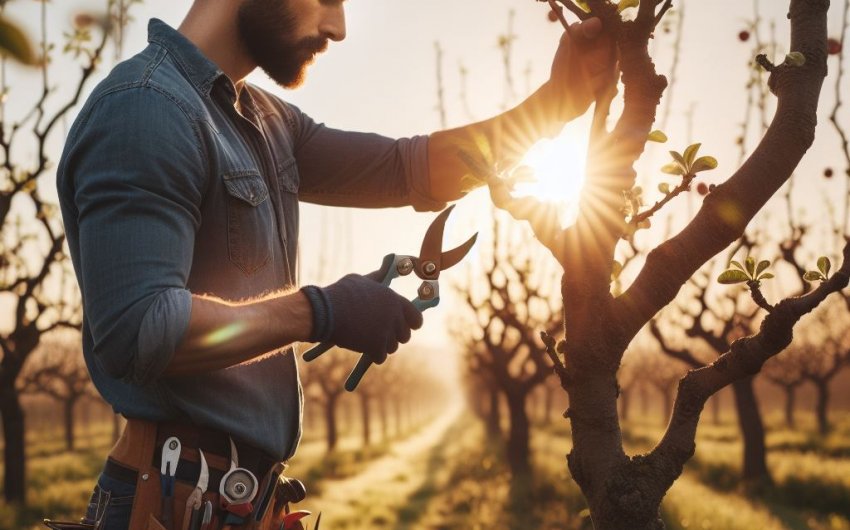
Ensuring a bountiful harvest and maintaining the long-term health of your orchard requires a strategic approach to plant care. Pruning fruit trees is a fundamental practice that, when done correctly, can significantly improve fruit production, maintain tree vigor, and simplify harvesting. Far from just haphazardly snipping branches, effective fruit tree pruning involves understanding the tree's natural growth habits and making deliberate cuts to achieve specific horticultural goals. It's an art and a science that every fruit tree owner should master.
Why is Pruning Essential for Fruit Trees?
Many new gardeners might hesitate to cut branches from a seemingly healthy tree, but pruning is not just about aesthetics for fruit trees. It's a vital practice that directly impacts the quantity and quality of your harvest, as well as the tree's overall well-being and longevity.
What are the Key Benefits of Pruning Fruit Trees?
The act of pruning fruit trees offers a multitude of benefits, all geared towards a more productive and healthier orchard:
- Increases Fruit Production and Quality: This is often the primary goal. Pruning encourages the tree to put its energy into developing stronger, larger, and better-tasting fruit. By removing unproductive wood, you direct resources to fruit-bearing branches. It also helps space out fruit, preventing overcrowding and allowing each fruit to develop fully.
- Improves Air Circulation and Light Penetration: A dense, unpruned canopy creates a humid, dark environment. Proper pruning opens up the tree's interior, allowing more sunlight to reach all parts of the tree (which is vital for fruit ripening and color) and improving air circulation. This reduced humidity helps prevent fungal diseases and pest infestations.
- Maintains Tree Size and Shape: Pruning helps manage the tree's height and spread, making harvesting easier and ensuring the tree fits your space. It also guides the tree into a strong, balanced structure that can support heavy fruit loads without breaking.
- Removes Dead, Damaged, or Diseased Wood: Regularly removing compromised branches prevents the spread of disease, eliminates weak spots that could break, and improves the tree's overall health and vigor.
- Encourages New Growth and Fruit Wood: Different fruit trees bear fruit on different types of wood (e.g., one-year-old wood, spurs). Pruning stimulates the growth of new wood that will be productive in future seasons.
- Extends Tree Lifespan: A well-pruned tree is a healthy tree. By preventing disease, managing size, and strengthening its structure, pruning contributes to the tree's longevity and consistent productivity for many years.
- Simplifies Pest and Disease Management: An open canopy makes it easier to inspect the tree for pests and diseases, and allows for more effective application of sprays (if used).
For all these reasons, pruning is not an optional task but a crucial part of successful fruit tree care.
What Tools Do You Need for Pruning?
Having the right pruning tools is essential for making clean, effective cuts that promote tree health and ensure your own safety. Dull or incorrect tools can damage branches and introduce disease.
What are Essential Pruning Shears and Loppers?
For most fruit tree pruning tasks, you'll primarily rely on three types of hand-held cutting tools:
- Hand Pruners (Bypass Pruners): These are your go-to tool for smaller cuts. Bypass pruners (like Fiskars Bypass Pruners) have two blades that "bypass" each other, much like scissors. They are designed for making clean, precise cuts on live stems up to about 3/4 inch in diameter. They are ideal for snipping off small twigs, diseased shoots, or thin branches. Always ensure they are sharp to avoid crushing stems.
- Loppers: These are like large, long-handled pruners designed for cutting branches that are too thick for hand pruners but not thick enough for a saw. Bypass loppers (like FELCO 200 Loppers) are preferred for live wood, capable of cutting branches up to 1.5 to 2 inches in diameter. The long handles provide excellent leverage, making larger cuts easier.
- Pruning Saw: For any branch thicker than 2 inches in diameter, you'll need a pruning saw. These come in various styles (folding, fixed blade, curved blade). A curved blade pruning saw (like a Silky Pocketboy Folding Saw) is very effective for cutting through thick branches quickly and cleanly. They are essential for removing larger limbs without damaging the tree.
Maintenance of tools: Always keep your pruning tools sharp and clean. Sharp tools make clean cuts that heal quickly, reducing the risk of disease. Clean tools (wiped down with rubbing alcohol or a bleach solution) prevent the spread of diseases from one tree or branch to another.
What Other Tools Are Helpful for Pruning Fruit Trees?
Beyond the essential cutting tools, a few other items can make your fruit tree pruning safer and more effective:
- Gloves: Protect your hands from thorns, sharp branches, and sap. Heavy-duty gardening gloves (like WORKPRO Garden Gloves) are recommended.
- Safety Glasses: Eye protection is crucial to shield your eyes from flying debris, snapped branches, or accidental pokes.
- Ladder: For reaching higher branches safely. Ensure it's sturdy and placed on stable ground. A tripod ladder can offer more stability on uneven ground.
- Tarps/Drop Cloths: To collect pruned branches for easier cleanup.
- Wound Dressings (Optional): While generally not recommended for most cuts (as they can trap moisture and pathogens), some large cuts on certain trees might benefit from a very thin layer of pruning seal (like Tanglefoot Tree Pruning Seal) in specific circumstances, especially if diseases are a concern in your area. Always consult local extension advice.
Having the right tools for the job ensures clean cuts and minimizes stress to your fruit trees.
When is the Best Time to Prune Fruit Trees?
The timing of pruning is critical for fruit trees, as it significantly impacts growth response, fruit production, and disease susceptibility. While there's a general "best time," it can vary slightly by fruit tree type and your specific climate.
Why is Dormant Season Pruning Important?
Dormant season pruning (also known as winter pruning) is the most common and generally recommended time for major fruit tree pruning. This typically occurs in late winter or early spring, after the coldest temperatures have passed but before buds begin to swell and active growth starts.
Why it's important:
- Increased Vigor: Pruning during dormancy stimulates vigorous new growth in the spring. This is because the tree has stored energy (carbohydrates) in its roots, and when you remove branches, that stored energy is concentrated into fewer growing points. This makes dormant pruning ideal for shaping the tree and encouraging strong scaffold branches.
- Easier Visibility: With no leaves on deciduous fruit trees, the tree's structure is fully visible, making it easier to identify crossing branches, weak limbs, or areas needing opening up.
- Reduced Disease Transmission: Pests and disease organisms are less active in cold weather, minimizing the risk of spreading infections through fresh cuts.
- Less Sap Bleeding: Deciduous trees are less likely to "bleed" sap excessively during dormancy compared to when they are actively growing.
- Directs Energy to Fruit Production: By removing unproductive wood before spring growth, you ensure that the tree's energy is directed towards fruit-bearing spurs and branches when the growing season begins.
Dormant pruning is primarily for shaping, structural improvements, and promoting vegetative growth.
When Should You Perform Summer Pruning (Timing and Goals)?
Summer pruning (also known as summer thinning) is done during the growing season, typically from late spring through mid-summer, after the initial flush of growth has hardened off. Its goals are quite different from dormant pruning.
Goals of Summer Pruning:
- Reduces Vigor: Unlike dormant pruning, summer pruning reduces the tree's vigor. Removing leaves and growing points during the active growing season reduces the tree's ability to photosynthesize and produce carbohydrates. This is useful for:
- Controlling Size: Excellent for keeping espaliered trees or trees on dwarf rootstock manageable.
- Balancing Fruit-to-Foliage Ratio: Redirects energy to developing fruit rather than excessive leafy growth.
- Opening Canopy: Improves light penetration and air circulation to ripen fruit and reduce disease risk.
- Enhances Fruit Color and Ripening: By allowing more sunlight to reach the fruit.
- Removes Unwanted Growth: Prune out water sprouts (vigorous, upright shoots) and suckers (shoots from the rootstock) that compete with fruit-bearing branches.
Timing for Specific Trees:
- Stone Fruits (peaches, plums, cherries): Often benefit from a light summer prune shortly after harvest to improve next year's fruit wood and remove excess growth. This also helps reduce the risk of certain fungal diseases that can enter through pruning wounds during dormant pruning.
- Pome Fruits (apples, pears): Can have light summer thinning to open the canopy and improve fruit ripening. Avoid heavy summer pruning, as it can encourage excessive water sprout growth.
Summer pruning should generally be lighter than dormant pruning, focusing on removing small branches or reducing the length of overly vigorous shoots.
What Are the Fundamental Pruning Cuts?
Making the right cut in the right place is crucial for the health and response of your fruit trees. Understanding the different types of cuts is fundamental to effective pruning.
How Do You Make a Thinning Cut?
A thinning cut involves removing an entire branch back to its point of origin (to the trunk, a main limb, or a scaffold branch). This means no stub is left behind.
Purpose of Thinning Cuts:
- Reduces Overall Density: Opens up the canopy, improving air circulation and light penetration throughout the tree.
- Controls Size: Effectively reduces the overall spread or height of the tree.
- Removes Unwanted Branches: Eliminates crossing branches, inward-growing branches, suckers, or water sprouts.
- Directs Growth: By removing a branch, you redirect the tree's energy to the remaining branches.
How to Make a Thinning Cut:
- Locate the branch collar (the swollen area where the branch joins a larger limb or the trunk) and the branch bark ridge (the raised bark line where the branch meets the trunk).
- Make a clean cut just outside the branch collar, without cutting into the collar itself. The branch collar contains special cells that help the tree heal over the wound. Do not leave a stub.
- For heavier branches, use the three-cut method (see below) to prevent tearing the bark.
Thinning cuts are generally preferred over heading cuts for maintaining the natural shape of the tree and promoting air circulation.
How Do You Make a Heading Cut?
A heading cut involves shortening a branch, removing only a portion of it back to a bud, a side branch, or a specific length. This leaves a stub or a shortened branch.
Purpose of Heading Cuts:
- Stimulates Bushy Growth: Removing the terminal bud (the bud at the tip of the branch) encourages the lateral buds (buds along the side of the branch) below the cut to grow, leading to a denser, bushier form.
- Controls Shape and Size (temporarily): Can be used to shape young trees or contain growth, but often leads to excessive branching just below the cut.
- Encourages Fruit Spur Development: For some fruit trees, like apples, heading cuts can encourage the development of fruit spurs (short, woody growths where fruit forms).
How to Make a Heading Cut:
- Identify a healthy bud or small side branch that is facing the direction you want new growth to go.
- Make a clean cut about 1/4 inch above the bud or branch, at a slight angle slanting away from the bud.
- Avoid cutting too far from the bud (leaving a long stub) or too close (damaging the bud).
While heading cuts have their place, particularly in young tree training, overuse can lead to a dense, congested canopy with weak branching, often called "witch's broom" growth, and can reduce overall fruit quality. Thinning cuts are generally favored for established fruit trees.
What is the Three-Cut Method for Larger Limbs?
When removing larger limbs (typically anything over 1.5-2 inches in diameter), the three-cut method is essential to prevent the branch from tearing the bark down the trunk as it falls, which can create a large wound that is difficult for the tree to heal and can lead to disease.
- First Cut (Undercut): Make an undercut on the underside of the branch, about 6-12 inches away from the trunk or main limb. Cut about one-third of the way through the branch's diameter. This cut prevents the bark from tearing.
- Second Cut (Top Cut): Make a top cut about 1-2 inches further out from the first cut (away from the trunk), cutting completely through the branch from above. The branch will fall at this point, leaving a short stub.
- Third Cut (Final Cut): Make the final, clean cut just outside the branch collar, removing the remaining stub. Ensure you don't cut into the branch collar, as this living tissue helps the tree compartmentalize and heal the wound.
This method safely removes heavy branches without damaging the main trunk or limb, ensuring a clean wound that the tree can properly seal.
What are the Main Pruning Goals for Fruit Trees?
Effective fruit tree pruning isn't random; it's guided by specific objectives that change as the tree matures. Understanding these goals helps you make informed decisions with each cut.
How Do You Establish a Strong Central Leader or Open Center?
One of the first and most important decisions in fruit tree pruning is establishing the tree's basic framework. The two most common training systems are the Central Leader and the Open Center (Vase).
Central Leader System:
- Goal: To establish one dominant, upright central trunk (the "leader") from which horizontal branches (scaffold branches) emerge in a spiraling pattern. This creates a Christmas tree shape.
- Best For: Apples, pears, sweet cherries, and often semi-dwarf or dwarf trees. It provides good structural strength and allows light to penetrate well.
- How to Establish: At planting, select the strongest, most vertical shoot as the central leader. Remove competing upright shoots. Select 3-5 well-spaced scaffold branches around the trunk. Prune back the leader slightly to encourage side branching. Annually, prune back competing leaders and maintain lateral branch spacing.
Open Center (Vase) System:
- Goal: To remove the central leader, creating an open, vase-like shape with 3-5 main scaffold branches radiating outwards from a central point.
- Best For: Peaches, nectarines, plums, apricots, and tart cherries. This system allows maximum sunlight penetration into the center of the tree, which is essential for fruit quality in these varieties, and makes harvesting easier.
- How to Establish: At planting, or after the first year of growth, cut back the central leader to about 2-3 feet high. Select 3-5 strong, well-spaced branches that are growing outwards at a wide angle (45-60 degrees) to form the main scaffolds. Remove all other branches. Annually, maintain the open center by removing any inward-growing branches or excessive vertical growth.
The choice of system depends on the type of fruit tree and your desired outcomes for shape and fruit production.
How Do You Manage Fruit Production and Vigor?
A key aspect of fruit tree pruning is balancing the tree's vigor (vegetative growth) with its fruit production. An unpruned tree might produce too much foliage and small, poor-quality fruit, while an over-pruned tree might produce too much vigorous leafy growth with little fruit.
- For too much vegetative growth (little fruit): This indicates high vigor. Prune more in summer to reduce vigor, or make more thinning cuts in winter to open up the canopy and encourage fruiting wood. Reduce nitrogen fertilizer.
- For too little vegetative growth (tree appears weak, small fruit): This indicates low vigor. Prune more in winter (dormant pruning) to stimulate new vigorous growth. Ensure adequate water and nutrients.
- Thinning Fruit (Hand Thinning): Beyond pruning, thinning the actual fruit is vital. For apples and pears, this means removing excess fruitlets (small fruits) shortly after fruit set, aiming for 6-8 inches between remaining fruits. This prevents biennial bearing (heavy crop one year, no crop the next), reduces limb breakage, and results in larger, healthier fruit. Stone fruits are also thinned to prevent branch breakage and improve fruit size.
The interplay between dormant and summer pruning, combined with fruit thinning, allows you to manage the tree's energy for optimal yield and quality.
How Do You Remove Dead, Diseased, or Damaged Wood?
This is a continuous pruning goal that should be performed whenever noticed, regardless of the season. Removing dead, diseased, or damaged (DDD) wood is crucial for the overall health and safety of your fruit trees.
- Dead Wood: These branches are brittle and unproductive. They can harbor pests and diseases, and eventually fall, posing a safety hazard. They appear dull, dry, and often lack bark or have peeling bark.
- Diseased Wood: Look for cankers (sunken, discolored areas), abnormal growths, discolored wood (often black or orange), or areas with fungal fruiting bodies. Removing these branches helps prevent the spread of pathogens to other parts of the tree or other trees in your orchard.
- Damaged Wood: Branches that are broken, cracked, or rubbing against other branches (creating wounds) should be removed. Rubbing branches can create open wounds, allowing entry points for pests and diseases.
How to Remove DDD Wood:
- Make a clean thinning cut back to healthy wood, always cutting outside the branch collar.
- Sterilize your pruning tools (with rubbing alcohol or a 10% bleach solution) after each cut when dealing with diseased wood to prevent spreading the pathogen.
- Dispose of diseased wood properly (e.g., burn it or bag it for municipal waste); do not compost it.
Regularly inspecting your trees for DDD wood and removing it promptly is a fundamental practice for preventing disease outbreaks and maintaining tree vitality.
What Are Pruning Specifics for Common Fruit Tree Types?
While general pruning principles apply, different fruit tree types have unique growth habits and fruiting patterns that influence the best pruning strategies.
How Do You Prune Apple and Pear Trees?
Apple and pear trees (pome fruits) are typically trained to a central leader system or a modified central leader, aiming for good light penetration and strong structure for their often heavy fruit loads. They primarily bear fruit on spurs (short, stubby fruiting branches that produce year after year) and on two-year-old wood.
Dormant Season Pruning (late winter/early spring):
- Establish/Maintain Central Leader: Ensure there's one dominant upright leader. Remove competing upright branches.
- Select Scaffold Branches: Choose 3-5 well-spaced scaffold branches (main lateral limbs) that have wide angles (at least 45 degrees) to the trunk. These will form the main framework. Space them vertically up the trunk (around 6-12 inches apart).
- Thin Out Competition: Remove branches that are:
- Growing inwards towards the center of the tree.
- Crossing or rubbing other branches.
- Growing too vertically (water sprouts) or from the base (suckers).
- Weak, diseased, or dead.
- Balance Scaffold Branches: Shorten any scaffolds that are significantly longer than others to maintain balance. Aim for a Christmas tree shape.
- Maintain Fruiting Spurs: Avoid removing too many spurs, as these are your fruit producers.
Summer Pruning (light, optional):
- Thin out overly vigorous upright shoots (water sprouts) to redirect energy to fruit.
- Lightly trim the tips of vigorous growth to encourage spur development or reduce shading on fruit.
The goal is an open, balanced canopy that allows sunlight and air to reach all fruit-bearing wood.
How Do You Prune Peach and Nectarine Trees?
Peach and nectarine trees (stone fruits) primarily bear fruit on one-year-old wood (branches that grew the previous season). They are almost always trained to an open center (vase) system to ensure maximum sunlight penetration to ripen their fruit and prevent fungal diseases in their dense canopies.
Dormant Season Pruning (late winter/early spring): This is the main pruning period for peaches.
- Establish/Maintain Open Center: Remove the central leader and any inward-growing branches to create an open bowl shape.
- Select Scaffold Branches: Choose 3-5 strong, well-spaced scaffold branches radiating outwards from the trunk at wide angles (45-60 degrees). These form the "rim" of the vase.
- Thin Out Lateral Branches: Peaches produce a lot of one-year-old wood. You need to thin out about 30-50% of this wood, keeping the most vigorous and well-placed shoots. This ensures enough light and air for the remaining fruit. Look for reddish-brown shoots with prominent buds.
- Shorten Remaining Shoots: Heading cut the remaining one-year-old shoots by about one-third to half their length to encourage branching and thicker growth.
- Remove DDD Wood: As always, remove any dead, diseased, or damaged wood.
Summer Pruning (light, after harvest):
- Remove any vigorous water sprouts growing into the center of the tree.
- Lightly thin out any new excessive growth that is shading fruit or preventing air circulation.
- This also helps encourage new growth for next year's fruit.
Peaches are very vigorous and require aggressive annual pruning to maintain productivity and health.
How Do You Prune Plum and Cherry Trees?
Plum and cherry trees (stone fruits) have varied growth habits, influencing their pruning strategy.
Plums: Can be trained to either a central leader or open center, depending on the variety (Japanese plums often open center, European plums often central leader). They fruit on both one-year-old wood and spurs (depending on variety).
- Dormant Pruning: Similar to peaches (for open center) or apples (for central leader), focusing on structural development, removing DDD wood, and thinning overcrowded branches.
- Summer Pruning: Light summer pruning is important for plums, especially to manage vigor and thin out excess wood after fruit set or harvest. This is particularly crucial for controlling bacterial canker, a common plum disease, as fresh cuts heal faster in warm, dry weather.
Cherries:
- Sweet Cherries: Best trained to a central leader system. They bear fruit primarily on spurs on older wood. Pruning focuses on maintaining the central leader and well-spaced horizontal scaffold branches. Keep pruning light, as sweet cherries are susceptible to disease.
- Tart Cherries: Often grown as a modified central leader or open center due to their bushy nature. They fruit on one-year-old wood and older spurs. Pruning involves thinning out dense growth, removing crossing branches, and encouraging new fruitful wood.
- General Cherry Pruning:
- Timing: Primarily dormant pruning. Sweet cherries should be pruned lighter than tart cherries.
- Goal: Maintain an open structure for light and air. Remove water sprouts and suckers.
- Disease Prevention: Cherries can be susceptible to bacterial canker. Make clean cuts, and avoid pruning during wet conditions. Some experts recommend summer pruning for cherries immediately after harvest to allow wounds to heal quickly and reduce disease risk.
Always research the specific variety you have, as there can be significant differences within these fruit types. Consistent pruning ensures healthy, productive trees for years to come.