
What Are the Common Pests and Diseases Affecting Fruit Plants?
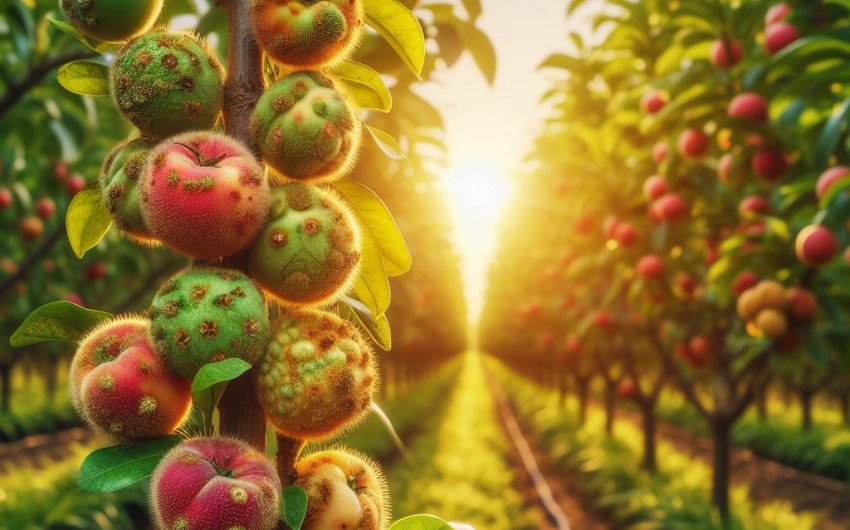
Growing your own fruits can be an incredibly rewarding experience, offering the freshest flavors and the satisfaction of harvesting your own bounty. Imagine plucking a sun-ripened apple from your backyard tree or gathering handfuls of sweet berries from your bushes. However, this journey often comes with its challenges, and one of the most common hurdles gardeners face is dealing with pests and diseases. Just like any other plant, fruit trees and bushes are susceptible to various invaders and ailments that can reduce yields, damage fruit, and even jeopardize the health of the plant itself.
Understanding what to look for and how to respond is key to successful fruit growing. A small spot on a leaf or a tiny insect can quickly escalate into a widespread problem if not addressed early. This guide aims to demystify the common fruit plant pests and fruit plant diseases you might encounter, providing clear signs to watch for and practical steps to protect your precious harvest. By learning to identify these issues and employing simple preventative measures, you can ensure your fruit plants remain vibrant and productive, delivering delicious homegrown fruits season after season.
What Are the Most Common Pests Affecting Fruit Plants?
Fruit plants are a delicious target for many insects and other tiny creatures. Knowing what they look like and the damage they cause is the first step to managing them.
What are Aphids and How Do They Harm Fruit Plants?
Aphids are small, soft-bodied insects, often green, black, yellow, or pink. They typically gather in clusters on new growth, the undersides of leaves, and on flower buds.
- Appearance: Pear-shaped, with two small "tailpipes" (cornicles) sticking out from their rear. They can be winged or wingless.
- Damage: Aphids suck the sap from plants, which can cause leaves to curl, yellow, and distort. Heavy infestations can stunt growth and reduce fruit yield. As they feed, they excrete a sticky, clear substance called honeydew, which can lead to the growth of sooty mold (a black fungus) on leaves and fruit. Sooty mold doesn't directly harm the plant but blocks sunlight, reducing photosynthesis.
- Fruit Plants Affected: Apples, pears, peaches, plums, cherries, berries (strawberries, raspberries, blueberries).
- Solutions: A strong spray of water can knock them off. Insecticidal soap or neem oil are effective organic treatments. Introducing beneficial insects like ladybugs or lacewings (which eat aphids) can also help.
What are Fruit Worms and Codling Moths?
Fruit worms are a general term for various caterpillars that burrow into developing fruit, making them inedible. Codling moth larvae are a prime example.
- Appearance: The adult codling moth is a small, grayish-brown moth. The larvae are pinkish-white caterpillars with brown heads, typically about ½ to ¾ inch long.
- Damage: The larvae tunnel into the core of apples, pears, and sometimes walnuts, leaving behind frass (excrement) and causing the fruit to rot or drop prematurely. You'll often see a small entry hole and a messy tunnel inside.
- Fruit Plants Affected: Apples, pears, walnuts.
- Solutions: Pheromone traps can monitor adult moth populations. Organic insecticides like Bacillus thuringiensis (Bt) are effective against young caterpillars if applied at the right time (before they burrow). Wrapping sticky tree bands around trunks can catch climbing larvae. Codling moth traps are a common tool for monitoring.
What are Spider Mites and Their Signs?
Spider mites are tiny arachnids (not insects) that are almost invisible to the naked eye. They thrive in hot, dry conditions.
- Appearance: Look for tiny specks on the undersides of leaves. Their presence is usually confirmed by fine webbing on the leaves and stems, especially around new growth.
- Damage: They suck sap from plant cells, causing tiny yellow or white stippling (dots) on leaves. Heavily infested leaves turn bronze or yellow, curl, and may drop. Significant infestations can weaken the plant and reduce fruit quality.
- Fruit Plants Affected: Berries (strawberries, raspberries), grapes, fruit trees (especially young ones).
- Solutions: Regular forceful sprays of water can dislodge them. Insecticidal soap or neem oil are effective. Increasing humidity around plants can deter them. Introducing predatory mites can also control populations. A magnifying glass for gardening helps in identification.
What are Japanese Beetles and How to Control Them?
Japanese beetles are metallic green and copper-colored beetles that are very destructive, both as adults and as larvae (grubs).
- Appearance: Adults are shiny, metallic green bodies with copper-brown wings, about ½ inch long. Grubs are C-shaped, white larvae found in the soil.
- Damage: Adult beetles are voracious eaters, skeletonizing leaves (eating the tissue between veins) and feasting on flowers and ripening fruit. Grubs feed on grass roots.
- Fruit Plants Affected: Apples, cherries, peaches, plums, raspberries, grapes.
- Solutions: Hand-picking beetles off plants in the early morning and dropping them into soapy water is effective for small infestations. Use row covers to protect young plants. Nematodes (microscopic worms) can be applied to lawns to control grubs. Japanese beetle traps can attract them but might also draw more beetles to your garden if not placed strategically.
What are Scale Insects and How Do They Impact Fruit?
Scale insects are tiny, immobile insects that attach themselves to stems, branches, and fruit. They are covered by a waxy, shell-like armor.
- Appearance: They look like small bumps or scabs on plant surfaces. Colors vary, often brown, white, or black.
- Damage: Scale insects suck sap, weakening the plant, causing yellowing leaves, stunted growth, and branch dieback. Like aphids, they produce honeydew, leading to sooty mold. Heavy infestations can seriously damage fruit trees.
- Fruit Plants Affected: Apples, pears, citrus, plums, cherries, grapes.
- Solutions: For small infestations, scrape them off with a fingernail or a soft brush. Horticultural oil (dormant oil) applied in late winter/early spring before buds open can suffocate overwintering eggs and young scales. Neem oil spray can also be effective.
What Are the Most Common Diseases Affecting Fruit Plants?
Fruit plants can be struck by various diseases, often caused by fungi, bacteria, or viruses. Early identification is crucial for effective management.
What is Powdery Mildew?
Powdery mildew is a common fungal disease that appears as white, powdery patches on leaves, stems, and sometimes fruit.
- Symptoms: White, flour-like spots that spread to cover entire surfaces. Leaves may curl, distort, or turn yellow. Infected fruit can be stunted or scarred.
- Fruit Plants Affected: Apples, peaches, grapes, strawberries, blueberries, gooseberries.
- Conditions Favored: Warm, humid conditions with poor air circulation.
- Solutions: Improve air circulation by proper pruning. Remove and destroy infected plant parts. Apply fungicides such as potassium bicarbonate or neem oil. Use organic fungicide spray for prevention and treatment. Choose disease-resistant varieties when planting.
What is Scab and How Does it Affect Fruit?
Scab refers to several fungal diseases that cause lesions on leaves, stems, and most notably, fruit. Apple scab is a very common example.
- Symptoms: Dark, olive-green or brown spots on leaves that may become velvety. On fruit, spots are often circular, slightly raised, and later become corky and cracked. Severely infected fruit can be deformed.
- Fruit Plants Affected: Apples, pears, peaches, plums, pecans.
- Conditions Favored: Cool, wet weather during spring.
- Solutions: Rake up and destroy fallen leaves and fruit in the fall to remove overwintering spores. Prune for good air circulation. Apply fungicides (e.g., copper-based or sulfur-based sprays) in spring, especially after wet periods. Plant scab-resistant varieties. A copper fungicide can be an effective treatment.
What is Brown Rot?
Brown rot is a fungal disease that primarily attacks blossoms, twigs, and fruit, particularly stone fruits.
- Symptoms: Blossoms turn brown and wilt, remaining attached to the twig (blossom blight). Twigs may develop cankers (sunken lesions) and die back. On fruit, small brown spots quickly enlarge, rotting the entire fruit, which may become covered in gray-brown fuzzy spores and remain mummified on the tree.
- Fruit Plants Affected: Peaches, plums, cherries, apricots, nectarines.
- Conditions Favored: Wet, humid weather during flowering and fruit ripening.
- Solutions: Prune out all infected twigs and remove all mummified fruit from the tree and ground. Improve air circulation through pruning. Apply fungicides at blossom time and during fruit development, especially in wet conditions.
What is Fire Blight?
Fire blight is a bacterial disease that causes rapid dieback of blossoms, twigs, and branches, making them appear scorched by fire.
- Symptoms: Blossoms and new shoots turn dark brown or black and shrivel. Leaves on affected branches wilt and turn black but often remain attached. Infected branches develop cankers and may have a characteristic shepherd's crook appearance (curved tips). Ooze may be visible on cankers in humid weather.
- Fruit Plants Affected: Apples, pears, quince, hawthorn.
- Conditions Favored: Warm, humid weather, especially during bloom.
- Solutions: Prune out infected branches immediately, cutting at least 8-12 inches into healthy wood. Sterilize pruning tools (e.g., with rubbing alcohol or a bleach solution) between each cut to prevent spreading. Avoid excessive nitrogen fertilizer, which encourages susceptible new growth. Plant fire blight-resistant varieties. Pruning shears for fruit trees should be kept clean.
What is Leaf Spot Disease?
Leaf spot refers to various fungal or bacterial diseases that cause distinct spots on leaves.
- Symptoms: Spots can be circular, angular, or irregular, and vary in color (black, brown, purple, yellow, reddish). Severely infected leaves may yellow, wither, and drop prematurely.
- Fruit Plants Affected: Wide range, including berries, grapes, apples, plums, cherries.
- Conditions Favored: High humidity, prolonged leaf wetness.
- Solutions: Rake up and destroy fallen infected leaves. Improve air circulation through pruning. Water at the base of plants to avoid wetting foliage. Apply fungicides or bactericides if severe, or choose resistant varieties.
How Can I Prevent Pests and Diseases in My Fruit Garden?
Prevention is always easier than cure when it comes to fruit plant problems. A healthy plant is often better able to resist attacks.
What is the Importance of Proper Site Selection?
Starting with the right location sets your fruit plants up for success.
- Sunlight: Most fruit plants need full sun (at least 6-8 hours of direct sunlight per day) to thrive and produce abundant fruit. Lack of sun can weaken plants, making them more susceptible to problems.
- Drainage: Well-drained soil is crucial. Fruit plant roots can rot in soggy, waterlogged soil, which weakens the plant and invites root diseases. If your soil drains poorly, consider planting in raised beds or amending with organic matter. A soil test kit can assess drainage.
- Air Circulation: Choose a site that allows for good air movement around plants. Avoid planting too close to buildings or in dense, sheltered corners where air can become stagnant, as this promotes fungal diseases.
How Does Good Air Circulation Help Prevent Diseases?
Many fungal diseases thrive in still, humid conditions where moisture lingers on leaves.
- Pruning: Regular pruning of your fruit trees and bushes is essential. Remove crossing branches, suckers, water sprouts, and dead or diseased wood. This opens up the plant's canopy, allowing air and sunlight to penetrate, which helps leaves dry quickly after rain or irrigation. A sharp pair of loppers for tree pruning is a must-have.
- Spacing: When planting, ensure proper spacing between individual plants. Overcrowding reduces airflow and creates a humid microclimate that fungal pathogens love.
- Weed Control: Keep the area around your fruit plants free of weeds, as they compete for resources and can also impede air circulation.
Why is Sanitation Important in the Fruit Garden?
Good garden hygiene is a simple yet powerful preventative measure.
- Remove Debris: Rake up and dispose of (don't compost unless your compost pile gets very hot) fallen leaves, fruit, and plant debris, especially in the fall. Many disease pathogens and insect pests overwinter in this organic matter. A garden rake can help keep things tidy.
- Prune Diseased Branches: Promptly prune out and destroy (bag for trash, don't compost) any branches or twigs showing signs of disease. Always sterilize your pruning tools between cuts, especially when dealing with bacterial diseases like fire blight.
- Clean Tools: Regularly clean and sterilize your pruning shears, loppers, and other gardening tools to prevent the accidental spread of disease from one plant to another. Use rubbing alcohol or a diluted bleach solution.
How Can I Choose Disease-Resistant Varieties?
This is one of the easiest and most effective preventative measures.
- Research: Before buying fruit plants, research disease-resistant varieties that are suitable for your climate and growing conditions. Many nurseries and seed catalogs will list resistance traits.
- Lower Maintenance: Opting for resistant varieties means you'll spend less time and effort battling common diseases, leading to a healthier plant and a more abundant harvest with less fuss. For example, look for apple varieties resistant to scab and fire blight, or grape varieties resistant to powdery mildew. You can often find disease-resistant fruit tree saplings online.
What is Integrated Pest Management (IPM)?
Integrated Pest Management (IPM) is a smart, holistic approach to managing pests and diseases. It focuses on long-term prevention and uses a combination of methods, rather than relying solely on chemical sprays.
- Monitoring: Regularly inspect your plants for early signs of pests or diseases. Catching problems early makes them easier to manage.
- Cultural Controls: This includes all the preventative measures discussed above: proper site selection, good air circulation, sanitation, and choosing resistant varieties.
- Biological Controls: Introduce or encourage beneficial insects (like ladybugs, lacewings, parasitic wasps) that prey on garden pests. Avoid broad-spectrum pesticides that kill both good and bad bugs. You can buy beneficial insect larvae for release.
- Mechanical/Physical Controls: Hand-picking pests, using row covers, sticky traps, or barriers.
- Chemical Controls (Last Resort): If other methods fail, use the least toxic pesticides first, such as insecticidal soaps, neem oil, or horticultural oils. Apply them selectively to target specific pests. Read labels carefully and follow instructions.
What Are Common Organic and Chemical Treatment Options?
When prevention isn't enough, understanding your treatment options is crucial. Always identify the pest or disease correctly before treating.
What Are Organic Treatment Options?
Organic solutions focus on natural ingredients and methods that have less impact on the environment and beneficial insects.
- Insecticidal Soap: Effective against soft-bodied pests like aphids, spider mites, and whiteflies. It works by smothering them. Must come into direct contact with the pest. A ready-to-use insecticidal soap spray is convenient.
- Neem Oil: A natural insecticide and fungicide derived from the neem tree. It disrupts insect feeding and growth, and has some fungicidal properties. Effective against aphids, spider mites, scale, and powdery mildew. Needs to be applied regularly.
- Horticultural Oil (Dormant Oil): A refined petroleum product that suffocates overwintering eggs and insects on dormant trees. Apply in late winter/early spring before buds swell.
- Bacillus thuringiensis (Bt): A naturally occurring bacterium that targets only caterpillars. When ingested by caterpillars, it causes them to stop feeding and die. Safe for beneficial insects and wildlife. Used for fruit worms, codling moth larvae, etc.
- Sulfur-based Fungicides: Natural fungicide effective against powdery mildew, scab, and some rusts.
- Copper-based Fungicides: Used for various fungal and bacterial diseases, including blight and some leaf spots. Can be used preventatively or curatively. A liquid copper fungicide offers broad protection.
- Beneficial Insects: Introduce natural predators like ladybugs (for aphids), lacewings, or predatory mites (for spider mites). This is a biological control method.
- Kaolin Clay: A natural clay sprayed on plants that acts as a physical barrier against insect pests and helps reduce sunscald.
When Should I Consider Chemical Treatment Options?
Chemical pesticides and fungicides should be considered a last resort and used judiciously.
- Severe Infestations: When pest or disease pressure is overwhelming and other methods have failed, and the plant's survival or fruit yield is severely threatened.
- Targeted Approach: Choose targeted pesticides that address the specific pest or disease, rather than broad-spectrum chemicals that kill indiscriminately (including beneficial insects).
- Read Labels Carefully: Always read and follow all instructions on the product label, including dosage, application method, safety precautions (wearing safety goggles and gloves), and harvest intervals (time between application and safe fruit harvest).
- Timing is Crucial: Apply chemicals at the most effective time for the pest or disease lifecycle, and avoid applying when pollinators are active.
What are Key Considerations Before Applying Any Spray?
Before spraying any product, whether organic or chemical, follow these important guidelines:
- Correct Identification: Be absolutely sure you have correctly identified the pest or disease. Treating for the wrong problem is a waste of time and potentially harmful.
- Read the Label: This cannot be stressed enough. Labels contain vital information about safety, application rates, target pests/diseases, re-entry intervals (time to wait before entering the treated area), and pre-harvest intervals (time to wait before harvesting fruit).
- Protective Gear: Always wear appropriate personal protective equipment (PPE) as recommended on the label, which often includes garden gloves, safety glasses, and sometimes a respirator.
- Avoid Windy Days: Never spray on windy days, as the spray can drift to unintended areas, harming beneficial insects, other plants, or even people.
- Avoid Hot Midday Sun: Spraying in direct, hot sun can cause phytotoxicity (plant burn) or cause the spray to evaporate too quickly. Early morning or late evening are generally best.
- Consider Beneficials: Be mindful of beneficial insects (pollinators like bees, and predators like ladybugs). Avoid spraying when pollinators are active.
- Test a Small Area: If unsure how a plant will react, test the spray on a small, inconspicuous area first and wait 24-48 hours before treating the entire plant.
By understanding common fruit plant pests and diseases and implementing a proactive approach to garden health, you can significantly reduce your battles and enjoy a more abundant and delicious harvest from your backyard fruit trees and bushes.