
Natural Pest Control Methods for Vegetable Gardens
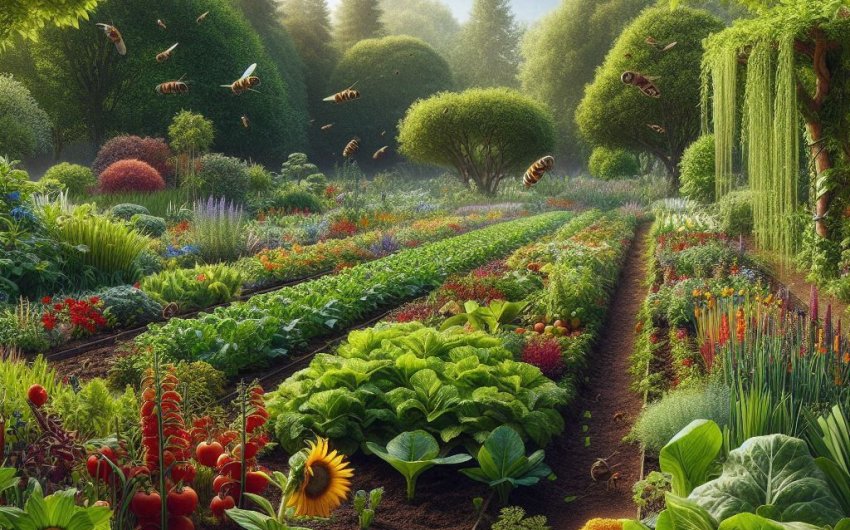
Gardening is a rewarding experience, especially when you grow your own vegetables. However, pests can quickly ruin the fruits of your labor, turning your thriving garden into a battleground. Using chemicals might seem like an easy solution, but these often harm beneficial insects and can leave harmful residues on your plants. Instead, using natural pest control methods is a safer, eco-friendly way to keep your vegetable garden healthy and productive.
In this guide, we will explore various natural pest control methods to help you protect your plants without harsh chemicals. Whether you’re dealing with aphids, caterpillars, or slugs, there’s a natural solution to keep them at bay.
1. Beneficial Insects: Nature’s Pest Controllers
One of the most effective ways to manage pests in your vegetable garden is by introducing beneficial insects. These are insects that prey on garden pests without harming your plants. By encouraging these natural predators, you can reduce pest populations and protect your crops.
Types of Beneficial Insects:
- Ladybugs: These tiny beetles are excellent for controlling aphids, whiteflies, and mites. They are a gardener’s best friend when it comes to natural pest control.
- Lacewings: Known as “aphid lions,” lacewing larvae are voracious predators of aphids, caterpillars, and other soft-bodied insects.
- Parasitic wasps: These wasps lay their eggs inside harmful pests like caterpillars and whiteflies, killing them from within.
- Ground beetles: These nocturnal hunters feed on slugs, caterpillars, and other pests that crawl on the soil.
Check out beneficial insect packs priced between $15 and $40 to introduce natural predators into your garden.
How to Attract Beneficial Insects:
- Plant flowers like marigolds, dill, and yarrow to provide food and shelter for these helpful insects.
- Avoid using chemical sprays that may harm beneficial insects.
- Consider leaving a small portion of your garden undisturbed for ground beetles and other soil dwellers to thrive.
2. Companion Planting: A Natural Defense System
Companion planting is a method where different plants are grown together to enhance each other's growth and deter pests. Certain plants have natural properties that repel insects, while others attract pests away from your main crops.
Effective Companion Plants:
- Marigolds: These bright flowers deter a wide range of pests, including nematodes, aphids, and mosquitoes. Plant them around your garden to create a natural pest barrier.
- Basil: Basil not only enhances the flavor of tomatoes when planted nearby but also repels flies and mosquitoes.
- Nasturtiums: These flowers attract aphids, serving as a trap crop, which means pests will attack the nasturtiums instead of your vegetables.
- Garlic: The strong scent of garlic repels carrot flies, aphids, and other pests.
Find marigold seeds priced between $5 and $15 to start companion planting in your garden.
Advertisement
Companion Planting Combinations:
- Tomatoes and basil: Not only does basil enhance tomato flavor, but it also keeps whiteflies and mosquitoes at bay.
- Cabbage and dill: Dill repels cabbage moths and attracts beneficial insects that prey on pests.
- Carrots and onions: Onions deter carrot flies, while carrots help keep onion flies away.
3. Homemade Organic Sprays
Homemade sprays made from simple, natural ingredients are a great way to keep pests away from your vegetable garden. These organic sprays are non-toxic and won’t harm beneficial insects when used correctly.
Effective Homemade Sprays:
- Neem oil spray: Neem oil is extracted from the neem tree and is a powerful natural pesticide. It disrupts the life cycle of many pests, including aphids, caterpillars, and whiteflies.
- Garlic and pepper spray: Blend garlic, hot peppers, and water to create a spray that deters pests. The strong smell and heat repel aphids, caterpillars, and even some mammals like rabbits.
- Soap spray: Mix liquid soap with water to create an effective spray that suffocates soft-bodied insects like aphids, mites, and whiteflies. Just be sure to use a mild, biodegradable soap that won't harm your plants.
Explore neem oil concentrate priced between $10 and $25 for a versatile organic pesticide.
How to Apply:
- Spray your plants in the early morning or late evening to prevent burning the leaves in the sun.
- Reapply after rainfall, as rain can wash the spray away.
- Test the spray on a small section of your plant first to ensure it won’t cause any damage.
4. Handpicking: Simple but Effective
Sometimes, the best pest control method is the simplest. Handpicking involves manually removing pests from your plants and is an effective way to deal with larger insects like caterpillars, beetles, and slugs. While this method can be time-consuming, it’s completely natural and works especially well for small gardens.
Pests to Handpick:
- Tomato hornworms: These large green caterpillars can devastate your tomato plants. Remove them by hand and dispose of them far away from your garden.
- Cabbage worms: These pests chew through cabbage, broccoli, and other brassicas. Handpick and destroy them before they cause serious damage.
- Slugs: Slugs are notorious for munching on lettuce and other leafy greens. Pick them off in the evening when they’re most active.
Find gardening gloves priced between $8 and $20 for easy handpicking of pests.
Helpful Tools for Handpicking:
- Tweezers or small tongs: Useful for safely removing pests from delicate plants.
- A bucket of soapy water: After picking the pests off, drop them into soapy water to prevent them from returning.
5. Physical Barriers: Keep Pests Out
One of the most straightforward ways to protect your vegetables is by using physical barriers. These barriers prevent pests from reaching your plants while still allowing sunlight and water to get through.
Common Types of Barriers:
- Row covers: Lightweight fabric covers can protect your crops from insects like cabbage moths, aphids, and beetles. The covers create a physical barrier while allowing light and rain to reach your plants.
- Netting: Fine netting can be used to protect fruits and vegetables from larger pests like birds and butterflies.
- Floating row covers: These covers "float" above your plants and are great for keeping out flying insects like moths and beetles.
Shop garden row covers priced between $15 and $50 for effective protection against pests.
How to Use Physical Barriers:
- Place covers over seedlings and remove them when the plants begin to flower (to allow pollinators to access the plants).
- Secure the edges of row covers with garden stakes or rocks to prevent pests from crawling under.
- Use netting for crops that require protection from larger pests like birds or rabbits.
6. Mulching: Smothering Weeds and Pests
Mulching helps control weeds, conserve moisture, and can deter certain pests. By adding a thick layer of organic mulch, you can create a barrier that stops pests like slugs, cutworms, and grasshoppers from accessing your plants.
Types of Mulch:
- Straw: Straw is an excellent mulch for vegetable gardens. It helps retain moisture and keeps slugs and snails away.
- Wood chips: Wood chips can create a physical barrier that keeps soil-dwelling pests from reaching the plant's surface.
- Compost: Compost not only deters pests but also adds nutrients to the soil, improving plant growth.
Explore organic mulch priced between $20 and $50 for pest control and soil health.
How to Mulch:
- Apply a thick layer of mulch around your plants, making sure to leave space around the base of the stems to prevent rot.
- Replenish the mulch layer as it decomposes to maintain an effective barrier.
- Mulch in the spring to keep your plants protected from pests and weeds throughout the growing season.
7. Diatomaceous Earth: Natural Insect Killer
Diatomaceous earth (DE) is a natural substance made from the fossilized remains of tiny aquatic organisms called diatoms. The sharp edges of these particles cut through the exoskeletons of insects, causing them to dehydrate and die. DE is effective against many pests, including ants, slugs, aphids, and earwigs.
How to Use Diatomaceous Earth:
- Sprinkle a thin layer around the base of your plants, focusing on areas where you’ve noticed pests.
- Reapply after watering or rain, as moisture reduces its effectiveness.
- Be sure to use food-grade diatomaceous earth, which is safe for your plants and the environment.
Check out food-grade diatomaceous earth priced between $10 and $30 for a natural insecticide.
Safety Tips:
- Wear a mask when applying DE to avoid inhaling the powder.
- Apply in dry conditions, as wet DE is ineffective until it dries again.
8. Crop Rotation: Break the Pest Cycle
Crop rotation involves changing the types of crops grown in a specific area each year. This method disrupts the life cycles of pests and reduces the risk of soil-borne diseases. Pests often target specific crops, so by rotating your vegetables, you make it harder for them to establish a foothold in your garden.
Benefits of Crop Rotation:
- Reduces the buildup of soil-borne pests like nematodes and root maggots.
- Helps maintain soil fertility by alternating between crops with different nutrient requirements.
- Prevents pests that are attracted to specific crops from overwintering and returning the next season.
Explore gardening guides priced between $15 and $40 for more tips on crop rotation and garden planning.
How to Rotate Crops:
- Divide your garden into sections and group plants by family (e.g., nightshades, brassicas, legumes).
- Each year, move crops to a different section of the garden to prevent pests from becoming established.
- Use a planting calendar to keep track of where each crop was planted in previous years.
9. Trap Crops: Sacrificial Plants
A trap crop is a plant that you grow specifically to attract pests away from your main crops. These plants act as decoys, luring pests to them instead of your vegetables. Once the pests are concentrated on the trap crop, you can easily remove or destroy them.
Examples of Trap Crops:
- Nasturtiums: These bright flowers attract aphids and caterpillars away from vegetables like tomatoes and peppers.
- Radishes: Plant radishes to attract flea beetles, which often damage crops like cabbage and broccoli.
- Sunflowers: Sunflowers can act as a trap for pests like aphids while also attracting beneficial insects.
Find nasturtium seeds priced between $5 and $15 to start using trap crops in your garden.
How to Use Trap Crops:
- Plant trap crops around the perimeter of your garden or near vulnerable plants.
- Monitor the trap crops regularly and remove any pests that gather on them.
- Replace trap crops as needed throughout the growing season to maintain protection.
10. Biological Control: Nature’s Balance
Biological control involves using natural predators, parasites, or diseases to control pest populations. This method harnesses the power of nature to keep pest numbers in check without harming the environment.
Examples of Biological Control:
- Bacillus thuringiensis (Bt): This naturally occurring bacteria targets caterpillars and larvae, such as tomato hornworms and cabbage loopers. It’s safe for plants, humans, and animals but deadly to caterpillars.
- Nematodes: Beneficial nematodes are microscopic worms that attack soil-dwelling pests like root maggots and grubs.
- Fungi: Certain fungi, like Beauveria bassiana, infect and kill pests such as aphids and whiteflies without harming plants.
Check out Bt spray priced between $10 and $25 for natural pest control.
How to Use Biological Controls:
- Apply Bt or nematodes according to package instructions, focusing on areas where pest populations are high.
- Use biological controls early in the pest’s life cycle for the best results.
- Store biological products properly to maintain their effectiveness.
By combining these natural pest control methods, you can keep your vegetable garden healthy and thriving without the need for harsh chemicals.