
No-Fuss Houseplant Maintenance: Thrive with Minimal Effort
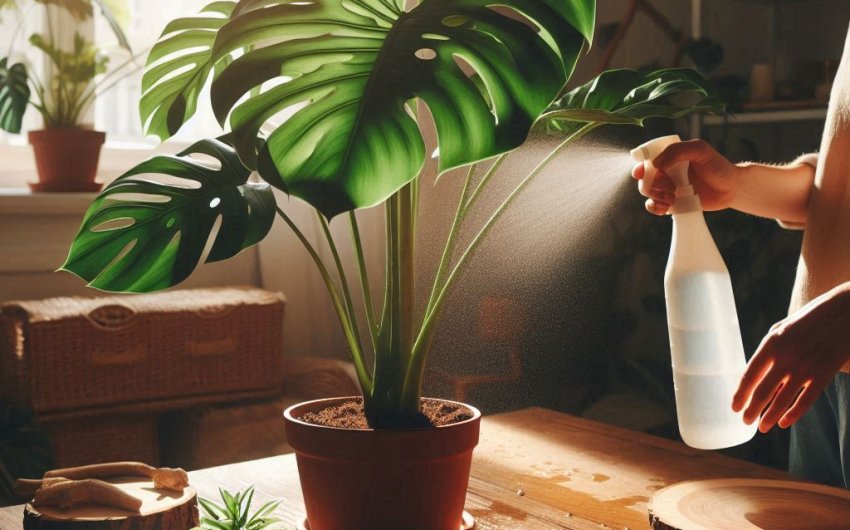
Are you dreaming of a home filled with lush greenery but dread the thought of endless plant chores? Do you feel like you have a "black thumb" when it comes to keeping plants alive? You're not alone! Many people love the idea of houseplants but get overwhelmed by what seems like complicated care routines. The good news is, no-fuss houseplant maintenance is not a myth. It's totally achievable, even for the busiest of people.
This guide will show you how to enjoy beautiful, thriving plants without becoming a full-time plant parent. We'll cover everything from picking the right plants to simple watering tricks and easy pest control. Get ready to transform your living space into a green oasis with minimal effort!
What Are the Best Plants for Low-Maintenance Lifestyles?
Starting with the right plants is the first big step toward no-fuss houseplant maintenance. Some plants are just naturally more forgiving than others. They can handle a bit of neglect, irregular watering, and less-than-perfect light conditions. Think of them as the superheroes of the plant world!
Snake Plant (Sansevieria trifasciata)
The Snake Plant is truly legendary for its toughness. It can survive in very low light, handle long stretches without water, and pretty much thrives on neglect. Its upright, sword-like leaves add a modern touch to any room. You can find different varieties with unique patterns and colors. This plant is a fantastic choice if you travel a lot or simply forget to water.
ZZ Plant (Zamioculcas zamiifolia)
Another champion of low-maintenance is the ZZ Plant. It’s incredibly drought-tolerant thanks to its thick, potato-like rhizomes (underground stems) that store water. The ZZ plant also tolerates very low light, making it perfect for dimly lit rooms or offices. Its shiny, dark green leaves make it look elegant and healthy even with minimal care. It’s almost impossible to kill a ZZ plant!
Pothos (Epipremnum aureum)
Pothos are incredibly popular for a reason: they are super easy to care for and look beautiful trailing from shelves or hanging baskets. They come in various shades of green, some with splashes of yellow or white. Pothos plants are very forgiving when it comes to watering and can adapt to different light conditions, from low to bright indirect light. They’re also great for beginners because they clearly show when they need water (their leaves start to droop slightly).
Spider Plant (Chlorophytum comosum)
Spider Plants are not only easy to care for but also known for their air-purifying qualities. They produce "spiderettes" or "plantlets" that dangle from the mother plant, making them fun to propagate and share. They prefer bright, indirect light but can tolerate lower light levels. They’re quite resilient and can bounce back even if you forget to water them for a bit.
Peace Lily (Spathiphyllum)
If you want a plant that flowers, the Peace Lily is a great low-maintenance option. It produces elegant white "flowers" (which are actually modified leaves called spathes). Peace Lilies are excellent at telling you when they need water – their leaves will dramatically droop. Give them a drink, and they’ll perk right back up. They prefer low to medium indirect light.
Cast Iron Plant (Aspidistra elatior)
As its name suggests, the Cast Iron Plant is incredibly hardy. It can tolerate very low light, inconsistent watering, and even fluctuating temperatures. Its deep green, broad leaves bring a lush feel to any space. This plant is perfect for those really challenging spots where other plants just won't survive.
Choosing these resilient plants sets you up for success and makes no-fuss houseplant maintenance a breeze.
How Can I Simplify Watering My Houseplants?
Watering is often where new plant parents go wrong. It's easy to either overwater or underwater. The key to no-fuss houseplant maintenance when it comes to watering is consistency and understanding your plant’s needs, rather than sticking to a strict schedule.
The "Finger Test" Method
Forget watering on a set schedule (e.g., "every Sunday"). Instead, use the "finger test." Stick your finger about 1-2 inches deep into the soil. If it feels dry, it's time to water. If it still feels moist, wait a few more days. This simple test prevents both overwatering (which can lead to root rot) and underwatering. For larger pots, you might need to go deeper, perhaps 3-4 inches.
Know Your Plant's Preferences
While the finger test is a good general rule, some plants like to dry out more between waterings (like succulents and cacti), while others prefer consistently moist soil (like ferns, though not soggy). Always check your specific plant’s needs. For instance, a Snake Plant will be happy if you water it every few weeks, but a Peace Lily might need water once a week or more.
Water Thoroughly
When you do water, water thoroughly until you see water draining from the bottom of the pot. This ensures that all the roots get a good drink. Don't just give a tiny sip! Discard any excess water that collects in the saucer after about 15-30 minutes. Leaving your plant sitting in standing water can lead to root rot.
Use the Right Water
Tap water is generally fine for most houseplants. However, if your tap water is heavily chlorinated, you might consider letting it sit out for 24 hours before using it. This allows the chlorine to evaporate. Some sensitive plants, like Calatheas or Prayer Plants, can be picky about chemicals in water, showing brown tips on their leaves. For them, distilled or rainwater is best, but for most no-fuss plants, tap water works.
Self-Watering Pots
For the ultimate in no-fuss houseplant maintenance, consider using self-watering pots. These pots have a reservoir at the bottom that slowly wicks water up to the plant's roots as needed. They can extend the time between waterings significantly, making them perfect for busy individuals or frequent travelers. You can find various styles, from decorative options to practical inserts. Look for a self-watering pot that fits your plant's size.
Moisture Meters
If you’re unsure about the finger test, a moisture meter can be a helpful tool. You simply stick the probe into the soil, and it gives you a reading of how wet or dry the soil is. This takes the guesswork out of watering, ensuring your plants get water exactly when they need it. A plant moisture meter is a small investment that can save your plants.
Remember, consistent, mindful watering is far better than a strict schedule. By learning to "listen" to your plants and using simple tools, you’ll master this crucial aspect of no-fuss houseplant maintenance.
Where Should I Place My Plants for Optimal Growth?
Light is like food for plants, and getting it right is crucial for no-fuss houseplant maintenance. The good news is that "low-maintenance" often means "tolerant of a wider range of light conditions." However, knowing the basics will help your plants thrive.
Understanding Light Levels
- Direct Sunlight: This is unfiltered sunlight hitting the plant's leaves. Only desert plants like cacti and some succulents really thrive in direct sun. Most houseplants will get sunburned.
- Bright Indirect Light: This is the sweet spot for most houseplants. It means the plant is near a sunny window but not in the direct path of the sun's rays. Think of it as a brightly lit room, but without harsh shadows directly on the plant. A sheer curtain can help diffuse direct light.
- Medium Light: Rooms that are generally bright but don't have direct sunlight hitting plants, or areas a few feet away from a bright window. Many low-light tolerant plants do well here.
- Low Light: These are rooms with small windows, or corners far from any light source. Only the most tolerant plants, like ZZ Plants and Snake Plants, will survive here, and they will grow much slower.
Rotate Your Plants
Plants tend to grow towards the light source. To ensure even growth and a bushier plant, rotate your plants every few weeks. Just a quarter turn is enough. This simple step prevents your plant from becoming lopsided and helps all parts of the foliage get some light exposure.
Observe Your Plant's Signals
Your plant will tell you if it's getting too much or too little light:
- Too much light: Leaves might look scorched, bleached, or develop brown, crispy spots. Colors might fade.
- Too little light: New growth might be leggy (long stems with widely spaced leaves) or small. The plant might stop growing altogether or drop lower leaves. Variegated plants (with multiple colors) might lose their patterns and turn solid green.
Adjust the plant's position based on these signals. Sometimes, moving a plant just a few feet away from a window, or closer to one, makes a huge difference.
Artificial Grow Lights
If your home doesn't have enough natural light, especially during winter months, a grow light can be a game-changer for no-fuss houseplant maintenance. You don't need fancy, expensive setups. Simple LED grow lights are energy-efficient and effective. You can find clip-on lights or strip lights that easily fit into your existing decor. A small grow light can provide the extra boost your plants need to stay healthy and vibrant. Remember to set a timer for 12-14 hours a day for most plants.
By understanding your plant's light needs and being observant, you'll ensure your plants get the right amount of "food" to thrive with minimal fuss.
What Are the Easiest Ways to Fertilize My Houseplants?
Feeding your plants doesn't have to be complicated. Most houseplants don't need a lot of fertilizer, especially those chosen for no-fuss houseplant maintenance. Over-fertilizing is much more common and harmful than under-fertilizing.
Less is More
For most low-maintenance plants, fertilizing once every 2-4 months during their growing season (spring and summer) is usually sufficient. In fall and winter, when growth naturally slows down, it's best to stop fertilizing altogether. Think of it as a winter break for your plant.
Choose the Right Fertilizer
A general-purpose liquid houseplant fertilizer is usually all you need. Look for a balanced fertilizer, meaning the three numbers (N-P-K: Nitrogen-Phosphorus-Potassium) are relatively similar, like 5-5-5 or 10-10-10. Always dilute the fertilizer to half or even quarter strength of what the package recommends. This prevents "fertilizer burn" which can damage roots and leaves. A liquid houseplant fertilizer is easy to mix into your watering can.
Slow-Release Fertilizers
For even simpler feeding, consider using slow-release fertilizer granules or sticks. You just mix them into the top layer of soil or insert the sticks, and they gradually release nutrients over several months. This is truly a "set it and forget it" method for no-fuss houseplant maintenance. Check the package for how long they last, usually 3-6 months. Slow-release fertilizer pellets can be a great option.
When NOT to Fertilize
- Newly repotted plants: Fresh potting mix usually contains enough nutrients for a few months. Wait about 4-6 weeks after repotting before fertilizing.
- Stressed or sick plants: If your plant is showing signs of distress (wilting, yellowing leaves that aren't due to watering issues, pest infestations), do not fertilize. Fertilizer can stress an already struggling plant even more. Address the underlying issue first.
- Dormant plants: As mentioned, avoid fertilizing in fall and winter when most plants are resting.
By keeping it simple and infrequent, you can provide your plants with the nutrients they need without turning it into a complex chore.
How Can I Maintain Humidity for My Houseplants?
Humidity is a less obvious but still important factor for some houseplants, especially those that come from tropical environments. Our indoor air, especially in winter with heating, can be very dry. While many no-fuss plants are adaptable, a little humidity boost can make them even happier.
Group Your Plants
One of the simplest ways to increase local humidity is to group your plants together. As plants naturally release moisture into the air through a process called transpiration, grouping them creates a mini, more humid microclimate around them.
Pebble Trays
A very effective and low-effort method is to use a pebble tray. Fill a shallow tray with pebbles and add water until it just reaches the top of the pebbles, but doesn't cover them. Place your potted plants on top of the pebbles. As the water evaporates, it creates a more humid environment around your plants. Make sure the bottom of your plant pot isn't sitting directly in the water, as this can lead to root rot. A pebble tray for plants is an easy DIY project or a small purchase.
Misting (with caution)
Misting plants is a popular image, but it's often overhyped as a primary humidity solution. While misting can provide a very temporary humidity boost, it quickly dissipates. If done improperly (too infrequently, or on plants with fuzzy leaves), it can even encourage fungal issues. If you do mist, use a fine mist sprayer and only do so in the morning so the leaves have time to dry before nightfall. For true humidity, other methods are better. A fine mist spray bottle can be used for occasional leaf cleaning if not for daily misting.
Humidifiers
For plants that truly crave high humidity (like ferns, Calatheas, or orchids), or if you have a large collection of humidity-loving plants, a room humidifier is the most effective solution. You don't need a huge one; a small, personal humidifier placed near your plants can make a significant difference. A small room humidifier can run quietly in your plant corner.
For many no-fuss houseplant maintenance choices, humidity isn't a critical deal-breaker, but providing it can help them look their best and prevent issues like crispy leaf tips.
How Do I Deal with Pests and Diseases Simply?
Finding pests on your beloved houseplants can be disheartening, but it doesn't have to be a major crisis. For no-fuss houseplant maintenance, the key is early detection and simple, non-toxic solutions. Prevention is always better than cure!
Inspect Regularly
The best defense is a good offense. Make it a habit to quickly inspect your plants whenever you water them. Look at the tops and bottoms of leaves, along stems, and in the leaf axils (where the leaf meets the stem). Catching pests early, when their numbers are low, makes them much easier to control.
Common Pests & Simple Solutions
- Spider Mites: Tiny, almost invisible pests that cause tiny white dots on leaves and sometimes fine webbing.
- Solution: Shower the plant thoroughly with water to knock them off. Then, spray leaves with neem oil solution (diluted according to package directions) or insecticidal soap. Repeat every 5-7 days for a few weeks to break their life cycle.
- Mealybugs: Small, white, cottony-looking bugs often found in leaf axils or on stems.
- Solution: Dab them directly with a cotton swab dipped in rubbing alcohol. For larger infestations, use insecticidal soap or neem oil spray.
- Aphids: Small, soft-bodied insects, often green, black, or brown, clustered on new growth or undersides of leaves.
- Solution: Rinse them off with a strong stream of water. Follow up with insecticidal soap or neem oil spray if needed.
- Fungus Gnats: Annoying tiny black flies that hover around the soil. The larvae live in moist soil and can sometimes harm delicate roots.
- Solution: Let the top 1-2 inches of soil dry out completely between waterings, as the larvae need moisture to survive. You can also use BTI (Bacillus thuringiensis israelensis) biological mosquito dunks broken up and soaked in water you use for watering. This targets the larvae without harming plants or pets. Yellow sticky traps can also catch the adults. A pack of sticky traps can help identify and reduce adult gnats.
Neem Oil & Insecticidal Soap: Your Go-To Solutions
These two products are fantastic for no-fuss houseplant maintenance because they are effective against many common pests and are generally safe for use around pets and children when used as directed.
- Neem Oil: A natural extract that acts as an insect repellent and growth disruptor. Mix with water and a tiny bit of dish soap (as an emulsifier). Use a cold-pressed neem oil for best results.
- Insecticidal Soap: Works by breaking down the outer protective layer of soft-bodied insects, causing them to dehydrate. You can buy pre-mixed sprays or concentrate to dilute. A ready-to-use insecticidal soap spray is very convenient.
Quarantine New Plants
Always, always quarantine new plants for a few weeks before introducing them to your existing collection. Keep them in a separate room and inspect them daily for any signs of pests. This simple step can prevent a small problem from becoming a house-wide infestation.
By being proactive with inspections and having a few simple, natural solutions on hand, you can keep your plants pest-free with minimal stress. This is a core pillar of truly no-fuss houseplant maintenance.
When and How Should I Repot My Plants?
Repotting can seem daunting, but for no-fuss houseplant maintenance, it's usually only necessary every 1-3 years, and often less for slower-growing plants. Your plant will tell you when it's time.
Signs It’s Time to Repot
- Roots growing out of drainage holes: This is the most obvious sign that your plant has become "root-bound" and needs more space.
- Water running straight through: If water just flows right out the bottom without soaking into the soil, it means the pot is mostly roots and very little soil.
- Stunted growth: If your plant isn't putting out new leaves or seems to have stopped growing, even with proper watering and light, it might need more root space.
- Plant topples easily: If the plant is top-heavy and tips over frequently, a larger, heavier pot can provide stability.
- Salt buildup: A white crust on the soil surface or pot rim can indicate a buildup of salts from water and fertilizer, which can harm roots. Repotting with fresh soil helps.
Choosing the Right Pot Size
Don't go too big! Generally, move up only one pot size (e.g., from a 6-inch pot to an 8-inch pot). A pot that's too large holds too much soil, which can retain too much moisture and lead to root rot, especially for plants that prefer to dry out.
The Repotting Process (Simplified)
- Gather Supplies: New pot (with drainage holes!), fresh potting mix appropriate for houseplants (a general indoor potting mix is fine for most no-fuss plants, but specific mixes for succulents/cacti or aroid mixes are better for those types), and a trowel or scoop. A quality indoor potting mix is a must.
- Remove the Plant: Gently tip the old pot on its side and carefully slide the plant out. You might need to gently squeeze the pot or use a blunt tool to loosen the edges.
- Loosen Roots: If the roots are tightly coiled into the shape of the pot (root-bound), gently tease them apart with your fingers or a small tool.
- Add Fresh Soil: Place a layer of fresh potting mix at the bottom of the new pot. Center the plant in the new pot, ensuring the top of the root ball is at the same level as it was in the old pot. You want about an inch of space between the soil line and the rim of the pot.
- Fill and Settle: Fill around the root ball with fresh potting mix, gently patting it down to remove large air pockets. Don't compact it too tightly, as roots need some air.
- Water In: Water the plant thoroughly immediately after repotting. This helps settle the soil around the roots.
When to Repot
The best time to repot is during the plant's active growing season, which is usually spring or early summer. This gives the plant plenty of time to establish new roots and recover from the stress of repotting. Avoid repotting in fall or winter if possible, when plants are less active.
Repotting is a critical part of a plant's long-term health, but it doesn't need to be an annual event for most plants. By following these simple steps, it fits right into a no-fuss houseplant maintenance philosophy.
How Do I Keep My Plants Clean and Prune for Health?
Keeping your plants clean and giving them an occasional trim are simple steps that greatly contribute to their overall health and make no-fuss houseplant maintenance even easier. These tasks don't take much time but make a big visual difference.
The Importance of Clean Leaves
Dust collects on plant leaves, just like it does on your furniture. A layer of dust blocks light from reaching the leaves, reducing the plant's ability to perform photosynthesis (make its own food). Dirty leaves can also look dull and unhealthy.
- Wipe Leaves: For plants with large, smooth leaves (like Monsteras, ZZ Plants, or Ficus), gently wipe them down with a damp cloth every few weeks. You can use plain water or a very diluted solution of dish soap and water.
- Shower Your Plants: For smaller plants or those with many leaves, take them to the shower or sink and give them a gentle rinse with lukewarm water. This washes off dust and can help deter some pests. Ensure the water drains well from the pot.
- No Leaf Shine Products: Avoid commercial leaf shine products. While they might make leaves temporarily shiny, they can clog pores and hinder the plant's ability to breathe.
Simple Pruning for Health and Shape
Pruning sounds intimidating, but for most houseplants, it's just about snipping off dead, yellow, or leggy parts. This isn't just for looks; it directs the plant's energy to healthy growth.
- Remove Dead or Yellowing Leaves: If a leaf is completely yellow, brown, or crispy, it’s best to remove it. The plant is putting energy into trying to save it, and once it's gone, that energy can go to new, healthy growth. Just snip it off at the base with clean scissors or pruners.
- Control Legginess: If your plant is getting too long and sparse (leggy) due to insufficient light, you can prune back the stems. Cut just above a "node" (where a leaf or another stem emerges). This encourages the plant to branch out, creating a bushier, fuller appearance.
- Encourage Bushiness: For vining plants like Pothos or Philodendrons, regular "pinching" (snipping off the very tips of the vines) encourages them to produce more side shoots, making them denser.
- Use Clean Tools: Always use clean, sharp scissors or pruning shears. This prevents the spread of diseases and makes clean cuts that heal quickly. A small pair of pruning snips is perfect for houseplants.
Regular cleaning and occasional, strategic pruning are quick tasks that fall perfectly within the realm of no-fuss houseplant maintenance, keeping your green companions looking their best and promoting their overall vitality.
What Are Some General Tips for Stress-Free Houseplant Care?
Beyond the specific tasks, there are some overarching principles that make no-fuss houseplant maintenance a truly enjoyable and sustainable hobby. It's about developing a relaxed, observant approach rather than a rigid routine.
Observe Your Plants Regularly
This is perhaps the most important tip. Your plants will tell you what they need if you pay attention.
- Drooping leaves: Usually means underwatering, but can also be overwatering (roots dying, can't absorb water). Check the soil.
- Yellowing lower leaves: Often a sign of overwatering, but can also be natural aging.
- Crispy, brown leaf tips: Can indicate low humidity or sometimes underwatering.
- Pale or stretched-out growth: Likely needs more light.
- Sudden leaf drop: Could be a sign of environmental shock (temperature change, sudden move) or severe watering issues.
Learning these visual cues is empowering and takes the guesswork out of care.
Consistency Over Perfection
Plants prefer consistency. Try to water around the same time of day (morning is best), and keep them in a stable environment. Sudden changes in temperature, light, or watering schedules can stress them out. A little consistency goes a long way for no-fuss houseplant maintenance.
Embrace Imperfection
Not every leaf will be perfect. Plants are living things, and a yellowing leaf here and there is normal, especially older ones. Don't panic over every tiny imperfection. Your goal is a generally healthy, thriving plant, not a flawless specimen.
Start Small
If you're new to plants, don't buy ten at once. Start with one or two truly low-maintenance plants like a Snake Plant or ZZ Plant. Get comfortable with their needs before expanding your collection. This builds confidence and prevents overwhelm.
Use Proper Drainage
We've mentioned it for watering and repotting, but it bears repeating: drainage holes are non-negotiable! Without them, water collects at the bottom of the pot, suffocating roots and leading to rot. If you have a decorative pot without drainage, always use a plastic nursery pot with drainage inside it, and remove the plant to water it, or empty the outer pot after watering.
Understand Dormancy
Many houseplants have a period of dormancy, usually in the cooler, darker months of fall and winter. During this time, their growth slows down significantly or stops altogether. They will need less water and no fertilizer. Don't worry if your plant seems less active during these months; it's natural.
Don't Be Afraid to Ask for Help
If you're truly stumped by a plant problem, don't hesitate to seek advice. Online plant forums, local nurseries, or even friendly plant enthusiasts on social media can be great resources. Describe your problem clearly and include photos.
By adopting these principles, you'll find that no-fuss houseplant maintenance isn't about having a strict schedule, but rather about learning to read your plants and providing them with a stable, supportive environment. It’s about building a connection with your green friends and enjoying the tranquility they bring to your home. If you want to learn more about keeping plants happy, especially if you're a busy professional, check out this great resource: easy tips for thriving plants.