
Houseplant Care Guide for Busy Lifestyles: Thrive with Minimal Effort
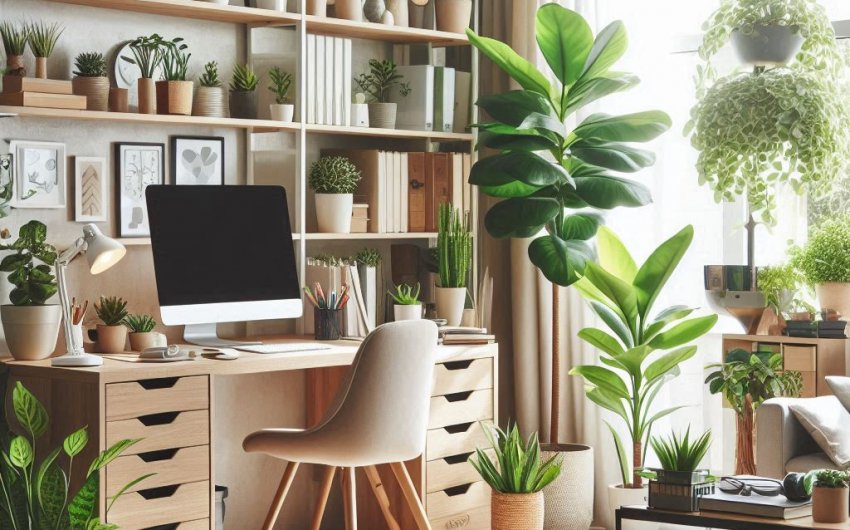
Why do I need a houseplant care guide for busy lifestyles?
You dream of a home filled with lush, vibrant greenery – plants that add beauty, purify the air, and bring a calming touch of nature into your daily life. But then you remember your packed schedule: early mornings, late nights, weekend plans, and endless to-dos. The thought of adding another chore, especially one that requires constant attention, can feel overwhelming. If you've ever wondered if it's even possible to keep houseplants alive and thriving when you have a busy lifestyle, this guide is for you!
This isn't about magical secrets or complicated routines. It's about smart choices and simple strategies that make plant care effortless, not a burden. We'll show you how to pick the right plants that practically take care of themselves, and how to create a simple, effective routine that fits seamlessly into your life. The goal is to enjoy all the incredible benefits of indoor plants – the aesthetic appeal, improved air quality, and mental well-being – without the stress or guilt. Get ready to cultivate a beautiful indoor oasis, even with the most demanding schedule.
What makes houseplant care challenging for busy lifestyles?
Understanding why houseplant care often feels difficult for people with busy lifestyles is the first step to finding solutions. It’s not about lacking a "green thumb"; it’s about practical limitations.
Inconsistent watering: the biggest hurdle
Forgetting to water, or watering too much because you can't remember the last time, is the number one reason houseplants struggle. A busy schedule often means inconsistent attention. Plants that need precise, regular watering simply won't thrive in this environment. The unpredictable nature of a busy life clashes directly with a plant's need for routine.
Lack of attention to changing conditions
Light changes with seasons, and indoor humidity fluctuates with heating and air conditioning. A plant that was happy in its spot in summer might suddenly struggle in winter due to dry air or reduced light. Busy people often don't have the time to notice these subtle shifts or move plants around accordingly.
Limited time for routine maintenance
Beyond watering, houseplants benefit from occasional dusting, pruning of dead leaves, and quick pest checks. These small tasks, while vital for long-term health, are easily skipped when you're rushing out the door or collapsing on the couch after a long day. Minor issues can quickly escalate when they go unnoticed.
Overwhelmed by complex information
The internet is full of conflicting advice on houseplant care. One source says mist daily, another warns against it. This information overload can be paralyzing, leading to inaction or incorrect care based on overwhelming details. A busy lifestyle demands clear, concise, and actionable advice.
Choosing the wrong plants for their needs
Many people buy beautiful plants on impulse without considering their actual care requirements or how those fit into their daily routine. High-maintenance plants demanding specific light, humidity, and watering schedules are often chosen, leading to quick disappointment and wasted effort. The foundation of a good houseplant care guide for busy lifestyles is plant selection.
Guilt and stress when plants decline
Watching a plant struggle due to neglect can add unnecessary stress and guilt to an already packed life. The goal of having plants is usually to reduce stress, not add to it. This cycle can lead people to give up on houseplants altogether.
By addressing these common challenges head-on with practical strategies, anyone can successfully grow beautiful houseplants, no matter how hectic their life gets.
The core pillars of a houseplant care guide for busy lifestyles
To make houseplant care truly manageable for a busy lifestyle, we'll focus on a few key principles. These are the essentials that ensure your plants don't just survive, but flourish with minimal fuss.
Pillar 1: Strategic Plant Selection (The Ultimate Time Saver!)
This is the most critical step for anyone with a busy lifestyle. Don't fight nature; choose plants that naturally align with your available time and environmental conditions.
- Prioritize Drought-Tolerant Plants: These are your best friends. They store water in their leaves, stems, or roots, allowing them to go for weeks, sometimes even a month or more, between waterings. Think Snake Plant, ZZ Plant, Pothos, Spider Plant, and most succulents.
- Opt for Light-Adaptive Varieties: While all plants need light, some are far more forgiving of less-than-ideal conditions. Choose plants that can thrive in medium to low indirect light, as these are often found in busy homes or offices.
- Choose Pest-Resistant Species: Certain plants are naturally less appealing to common houseplant pests, saving you valuable time on inspection and treatment.
- Consider Growth Rate: Slower-growing plants require less frequent repotting and pruning, another time-saver.
By starting with plants that are inherently low-maintenance, you set yourself up for success and significantly reduce your care burden.
Pillar 2: Master the "Observe and Respond" Watering Method
Forget rigid schedules. Your plant's watering needs fluctuate. Learn to read its signals and the soil's condition.
- The Finger Test (Your Go-To Tool): Stick your finger 1-2 inches deep into the soil. If it feels dry, it's time to water. If it still feels moist, wait. This is the simplest, most effective method. For very drought-tolerant plants (Snake, ZZ, Succulents), let the soil dry out completely to the bottom of the pot.
- Use a Moisture Meter: For extra precision and speed, a simple Soulgenie Soil Moisture Meter can confirm soil dryness in seconds. This eliminates guesswork.
- Water Thoroughly, Then Drain!: When you water, do so until water freely flows from the drainage holes. This ensures the entire root ball is hydrated. Crucially, empty any standing water from the saucer within 15-30 minutes. Constantly wet feet lead to root rot, the number one plant killer.
- Bottom Watering (Occasional Treat): For some plants, especially if you forget to water for a long time, place the potted plant (with drainage holes!) in a tray or sink with 1-2 inches of water. Let it soak up water from the bottom for 15-30 minutes, or until the topsoil feels moist. Then drain thoroughly. This ensures deep hydration.
This approach ensures plants get water when they need it, not just when you remember, making watering much less stressful.
Pillar 3: Prioritize Drainage and Proper Potting
Good drainage is non-negotiable for healthy roots, especially for plants that dislike constantly wet soil.
- Pots with Drainage Holes: Always, always use pots that have drainage holes. This is the single most important factor after not overwatering.
- The Inner Pot Trick: If you love a decorative planter without holes, simply place your plant in a slightly smaller, inexpensive plastic nursery pot with holes (Plastic Nursery Pots with Drainage Holes). Nest this nursery pot inside your decorative one. When watering, lift out the inner pot, water over a sink, let it drain completely, then place it back in the decorative pot. This makes watering clean and eliminates root rot worries.
- Quality Potting Mix: Use a good quality, well-draining indoor potting mix (Miracle-Gro Indoor Potting Mix). Avoid heavy garden soil, which compacts and retains too much moisture for indoor use.
Proper drainage and soil are the unsung heroes of successful houseplant care for busy lifestyles.
Pillar 4: Light, Dust, and Prune – The Quick Checks
These small, consistent actions prevent minor issues from becoming major problems, saving you time and stress in the long run.
- Optimize Light: Even light-adaptive plants do best with bright, indirect light. Position them where they get good ambient light. If your space is truly dim, a simple LED Grow Light Bulb in a standard lamp can provide the necessary boost.
- Rotate Periodically: If you remember, turn your plants a quarter turn every week or two. This promotes even growth.
- Dust Leaves (Quickly!): Every few weeks, give your plant's leaves a quick wipe with a damp cloth. Dust blocks sunlight and can hide pests. This takes seconds.
- Snip & Go: Keep a pair of sharp, clean Fiskars Softgrip Pruning Shears handy. Whenever you spot a yellow, brown, or dead leaf, quickly snip it off. This keeps your plant tidy and directs energy to new growth.
These micro-tasks fit easily into your routine without feeling like a dedicated chore.
Pillar 5: Fertilize Sparingly (or Not At All!)
Most houseplants, especially the ones recommended for busy lifestyles, don't need much food.
- Growth Season Only: Only fertilize during the active growing season (spring and summer). Plants rest in fall and winter and don't need feeding.
- Diluted Strength: If you do fertilize, use a liquid indoor plant food (Schultz Liquid Plant Food) at half (or even quarter) the recommended strength.
- Slow-Release for Ultimate Ease: For the ultimate hands-off approach, consider applying a slow-release granular fertilizer (Osmocote Smart-Release Plant Food) to the topsoil once or twice a year.
Over-fertilizing is much more harmful than under-fertilizing for these hardy plants.
Top houseplants perfect for busy lifestyles
These are the unsung heroes of the indoor plant world – beautiful, resilient, and famously forgiving. They are truly the best indoor plants for professionals and anyone asking how to keep houseplants alive with a busy schedule.
1. Snake Plant (Sansevieria trifasciata)
- Why it's perfect: Unkillable by underwatering. Tolerates extremely low light, making it ideal for dim offices or rooms. Rarely bothered by pests.
- Appearance: Architectural, upright, sword-like leaves, often with beautiful variegation. Adds a modern, minimalist touch.
- Best for: Beginners, frequent travelers, low-light corners, adding vertical interest.
- Air Purifier: Yes.
A Live Sansevieria Trifasciata Laurentii Snake Plant is a must-have for a busy home.
2. ZZ Plant (Zamioculcas zamiifolia)
- Why it's perfect: Stores vast amounts of water in its rhizomes, allowing it to go weeks, even months, without a drink. Thrives in very low light and is incredibly pest-resistant.
- Appearance: Glossy, dark green, waxy leaves on thick, upright stems. Looks perpetually polished.
- Best for: The ultimate neglect-tolerant plant, dim offices, those with erratic schedules.
- Air Purifier: Yes.
The ZZ Plant is a true survivor and one of the best indoor plants for professionals.
3. Pothos (Epipremnum aureum)
- Why it's perfect: Incredibly adaptable to varying light conditions (low to bright indirect). Very forgiving of inconsistent watering – it will visibly droop when thirsty and perk right back up after a drink.
- Appearance: Trailing vines with beautiful heart-shaped leaves, available in various colors and patterns (golden, marble queen, neon).
- Best for: Hanging baskets, shelves, desks, adding cascading greenery.
- Air Purifier: Yes.
A Live Golden Pothos Plant is a cheerful, low-fuss addition.
4. Spider Plant (Chlorophytum comosum)
- Why it's perfect: Tolerant of some neglect, forgiving with light, and produces delightful "spiderettes" that make propagating new plants super easy.
- Appearance: Arching, variegated green and white (or cream) leaves in a rosette form, with baby plantlets dangling.
- Best for: Hanging baskets, shelves, nurseries, adding a fresh, retro vibe.
- Air Purifier: Yes.
A Spider Plant Hanging Basket is a classic for a reason.
5. Cast Iron Plant (Aspidistra elatior)
- Why it's perfect: Lives up to its name – virtually indestructible. Can handle extremely low light, drought, and wide temperature swings.
- Appearance: Upright, dark green, tough, leathery leaves. Classic, understated elegance.
- Best for: Truly challenging spots where other plants fail, entryways, and hallways with minimal light.
- Air Purifier: Yes.
6. Peace Lily (Spathiphyllum)
- Why it's perfect: It's a great communicator! Will dramatically droop when thirsty, then quickly revive after watering. Tolerates medium to low light and produces elegant white blooms.
- Appearance: Lush, dark green foliage with striking white spathes (modified leaves) that resemble flowers.
- Best for: Adding a touch of elegance to living rooms, bedrooms, or offices.
- Air Purifier: Yes.
A Peace Lily Plant offers beauty and clear communication.
7. Succulents (various types, e.g., Echeveria, Haworthia, Aloe)
- Why they're perfect: Extremely drought-tolerant due to their water-storing leaves, requiring very infrequent watering. Their diverse forms add unique decorative appeal.
- Appearance: Huge variety of shapes, sizes, and colors – from compact rosettes to architectural spikes.
- Best for: Sunny windowsills, desks, small decorative arrangements.
- Important Note: Their main requirement is bright light and very infrequent watering. Overwatering is their quick demise.
A Succulent Plant Assortment is a great way to start a collection.
Essential tools for busy professionals to keep houseplants alive
Having the right tools simplifies houseplant care and makes it effortless, fitting right into your busy lifestyle.
1. Soil Moisture Meter
- Why it's a game-changer: Takes all the guesswork out of watering, preventing the most common cause of plant death (overwatering).
- Benefit for busy people: A quick, accurate reading in seconds tells you exactly when to water, saving time and worry.
- Soulgenie Soil Moisture Meter
2. Quality Pruning Shears
- Why it's essential: Clean cuts promote plant health and keep plants looking tidy. Dull scissors can damage stems.
- Benefit for busy people: Fast, effortless trimming of dead leaves or unruly growth during your quick plant checks.
- Fiskars Softgrip Pruning Shears
3. Well-Draining Indoor Potting Mix
- Why it's essential: Provides the ideal environment for healthy roots by ensuring proper drainage and aeration.
- Benefit for busy people: Reduces the risk of root rot from overwatering, a common issue when schedules are inconsistent.
- Miracle-Gro Indoor Potting Mix
4. Plastic Nursery Pots with Drainage Holes
- Why they're essential: Allow you to use any decorative outer pot you love, while guaranteeing that essential drainage for your plant's health.
- Benefit for busy people: Makes watering clean and foolproof. Just lift the plant out, water over a sink, let drain, and return. No messy spills or root rot worries.
- Plastic Nursery Pots with Drainage Holes
5. Watering Can with Long Spout
- Why it's essential: Allows for precise watering at the soil level, avoiding splashing leaves and making the process cleaner.
- Benefit for busy people: Speeds up watering, especially for plants with dense foliage or those placed high up, making it a quick and efficient task.
- Bonsai Watering Can
6. LED Grow Light Bulb
- Why it's essential: For spaces with limited natural light, even the most forgiving plants can benefit from a light boost.
- Benefit for busy people: A simple way to provide supplementary light without needing dedicated grow lights. Just screw it into a standard lamp.
- LED Grow Light Bulb
By combining smart plant choices with these essential, time-saving tools, you'll master how to keep houseplants alive with a busy schedule, transforming your living space into a thriving green sanctuary with minimal effort and maximum reward.