
The Lazy Gardener's Guide to Thriving Plants with Minimal Care
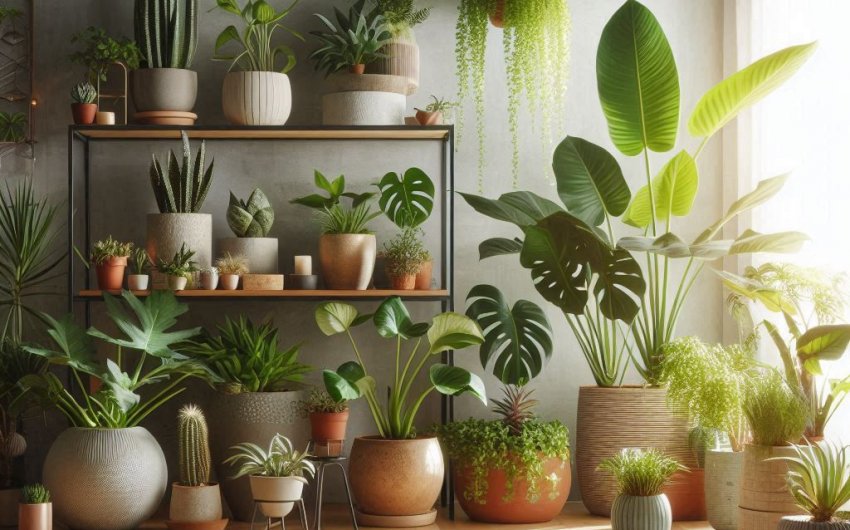
Ever dreamed of having a house full of green, lush plants but felt like you just don't have the time? Or maybe you've tried before, only to end up with sad, droopy leaves and a feeling of plant-parent failure? You're not alone! Life gets busy, and sometimes, plant care falls to the bottom of the to-do list. But what if I told you that you can have thriving plants with minimal care?
It's not a myth! There are many beautiful, resilient plants out there that don't demand constant attention. They practically take care of themselves, making them perfect for busy professionals, frequent travelers, or anyone who just wants to enjoy the beauty of nature without the fuss.
This guide is all about helping you pick the right plants and learn the simple secrets to keeping them happy and healthy, even if you sometimes forget they're there. Get ready to turn your home into a green oasis, effortlessly!
Why Choose Thriving Plants with Minimal Care?
Before we dive into the specific plants, let's talk about why these low-fuss options are such a fantastic choice for modern living.
Are Low-Maintenance Plants Really That Much Easier?
Yes, they truly are! The biggest difference with low-maintenance plants is their forgiving nature. They can handle a missed watering, a less-than-perfect spot, or being ignored for a bit without throwing a fit. This means less stress for you and a higher chance of success for your green friends. They’re designed by nature to survive in less-than-ideal conditions, making them ideal for our busy lives. For more tips on how to achieve thriving plants with minimal care, especially if you're a busy professional, check out this excellent guide on houseplant care for busy professionals.
Can Plants Improve My Home Environment?
Absolutely! Even plants that require minimal care still offer all the wonderful benefits of having greenery indoors. They help purify the air by absorbing common toxins, add humidity (especially helpful in dry climates), and can even reduce stress and boost your mood. Imagine walking into a room that feels fresh and alive, all thanks to your easy-care plants!
Do I Need a Green Thumb to Keep Plants Alive?
Not at all! This is the perfect starting point for anyone who considers themselves a "black thumb." These resilient plants are so forgiving that they help you build confidence. You'll quickly learn the simple signs of what they need, and before you know it, you'll feel like a plant pro, even though you're barely doing anything!
Is It Cheaper to Buy Low-Maintenance Plants?
Often, yes. Because they are so tough and adaptable, they tend to be more readily available and sometimes less expensive than very fussy, exotic varieties. Plus, since they're harder to kill, you'll save money on replacing plants that didn't make it. It's an investment in long-lasting beauty.
Which Plants Are Best for Thriving Plants with Minimal Care?
Let's get to the good stuff! Here are some of the superstars of the low-maintenance plant world. They're tough, beautiful, and perfect for beginners.
What Are Some Super Forgiving Houseplants?
- Snake Plant (Sansevieria trifasciata): This is probably the most famous "unkillable" plant. With its tall, stiff, sword-like leaves, it looks modern and sleek. It thrives on neglect! You can forget to water it for weeks, and it won't complain. It tolerates very low light but will also do well in bright light. It's also great at cleaning the air. Consider the classic Snake Plant Laurentii for a striking look.
- ZZ Plant (Zamioculcas zamiifolia): Another champion for busy people. The ZZ plant has shiny, dark green leaves that grow on thick stems. It stores water in its large rhizomes (underground stems), which means it can go for a very long time without water – think months, not weeks! It's happy in low light and doesn't mind if you forget about it. A small ZZ Plant is perfect for a desktop or shelf.
- Pothos (Epipremnum aureum): This vining plant is incredibly versatile and forgiving. It comes in many varieties, like the Golden Pothos with its yellow splashes or the bright green Neon Pothos. Pothos can handle a wide range of light conditions, from low to bright indirect light, and is very communicative about when it needs water (the leaves will droop slightly). It bounces back quickly after a drink. You can let it trail from a shelf or hang it in a decorative hanging planter.
- Spider Plant (Chlorophytum comosum): A classic for a reason! Spider plants are super easy to grow and look fantastic in hanging baskets. They produce little "spiderettes" (baby plants) that you can easily snip off and grow into new plants, sharing the green love. They prefer bright, indirect light but are quite tolerant of lower light. A Variegated Spider Plant offers lovely green and white stripes.
- Cast Iron Plant (Aspidistra elatior): Its name says it all! This plant is incredibly tough. It can handle very low light, irregular watering, and even cooler temperatures. Its dark green, leathery leaves are simple but elegant, making it a great floor plant for dim corners. A Cast Iron Plant in a sturdy pot requires almost no fuss.
- Chinese Evergreen (Aglaonema): This beautiful plant comes in a huge variety of colors and patterns, from deep greens to vibrant reds and pinks. They are very adaptable to low light and don't need constant watering. Just make sure not to overwater them. The Aglaonema Red Siam is a stunning choice with its vibrant coloring.
- Ponytail Palm (Beaucarnea recurvata): While called a palm, it's actually a succulent that stores water in its swollen base, resembling an elephant's foot. It's very drought-tolerant and needs bright light. Its long, flowing leaves look like a ponytail, adding a fun, quirky touch to any room. A Ponytail Palm plant is perfect for those who travel often.
What About Succulents and Cacti for Low-Maintenance?
Succulents and cacti are the ultimate in low-water care, but they do have one specific need: lots of light.
- Echeveria: These beautiful succulents form rosette shapes and come in a dazzling array of colors and forms. They need bright, direct sunlight to maintain their compact shape and vibrant colors. Water only when the soil is completely dry. You can find a diverse Echeveria succulent variety pack.
- Jade Plant (Crassula ovata): A classic succulent that can grow into a small tree over time. It has thick, round, glossy leaves and is incredibly hardy. It needs bright light and infrequent watering, making it a great set-it-and-forget-it plant. A Jade Plant bonsai can be a lovely, long-term addition.
- Holiday Cacti (Christmas, Thanksgiving, Easter): Unlike desert cacti, these are tropical cacti that bloom beautifully during certain holidays. They are relatively easy to care for, needing bright, indirect light and watering when the top inch or two of soil is dry. A Christmas Cactus can bring cheerful blooms to your home with minimal fuss.
- Haworthia (Zebra Plant): These small, sculptural succulents resemble miniature aloes with their spiky leaves and often striking white stripes. They are perfect for small spaces, tolerate lower light than many other succulents, and need very little water. A Haworthia Zebra plant is a great desk companion.
The Secrets to Thriving Plants with Minimal Care
Choosing the right plants is just the first step. The real magic of thriving plants with minimal care lies in understanding a few basic principles.
How Do I Know When to Water My Plants?
This is where most people go wrong – usually by overwatering! Here's the golden rule for low-maintenance plants:
- The Finger Test is Your Best Friend: Forget schedules. Stick your finger an inch or two into the soil. If it feels dry, then it's time to water. If it's still damp, wait. For plants like ZZ and Snake plants, you might even wait until the soil is dry all the way down!
- Water Thoroughly, Then Drain: When you do water, give the plant a good, long drink until water comes out of the drainage holes. This ensures all the roots get moisture. Then, empty the saucer. Plants hate sitting in soggy soil, which can lead to root rot.
- Use Good Drainage: Always use pots with drainage holes. If your pot doesn't have one, consider drilling one or using a nursery pot inside a decorative one.
- Self-Watering Pots: If you're super forgetful, a self-watering planter can be a lifesaver. These have a reservoir that the plant draws water from as needed.
What Kind of Light Do My Plants Need?
"Minimal care" doesn't mean "no light." All plants need some light, but the amount varies.
- Know Your Plant's Needs: Before you buy, quickly check if your chosen plant prefers low, medium, or bright light.
- Low Light: Can read a book easily, but no direct sun hits the plant (e.g., a few feet from a north-facing window, or an inner room).
- Medium/Bright Indirect Light: A well-lit room where the sun doesn't directly hit the leaves (e.g., near an east or west-facing window, or a few feet back from a south window).
- Bright Direct Light: Sunlight shines directly on the plant for several hours (e.g., in a south-facing window). Succulents and cacti usually need this.
- Observe Your Plant: Plants will tell you if they're unhappy with the light. Stretching out (leggy growth) means not enough light. Pale or scorched leaves mean too much. Adjust their spot as needed.
Do I Need to Fertilize My Low-Maintenance Plants?
Not often! One of the joys of thriving plants with minimal care is that they are not heavy eaters.
- Less is More: Most houseplants only need fertilizing during their active growing season (spring and summer), and even then, only every 2-4 months. Many can go a year or two without fertilizer.
- Dilute It: If you do fertilize, use a liquid houseplant fertilizer at half or even quarter strength to prevent "burning" the roots.
- Skip Winter: Plants rest in fall and winter, so don't fertilize during these months.
What About Soil and Repotting?
Good soil and knowing when to repot are key to long-term health, but they're not frequent tasks.
- Well-Draining Soil: Use a good quality potting mix designed for houseplants. For succulents and cacti, use a specific succulent and cactus soil mix that drains even faster.
- Repot Infrequently: Most low-maintenance plants don't mind being a little "root-bound" (meaning their roots fill the pot). You typically only need to repot every 1-3 years, or when you see roots growing out the bottom or top of the pot. When you do, only go up one pot size.
Top Tips for Ensuring Thriving Plants with Minimal Care
Beyond the basics, here are a few more pro-tips to ensure your plants aren't just surviving, but truly thriving.
How Can I Clean My Plant's Leaves?
Dust can settle on leaves, blocking light and making your plant less efficient at photosynthesis.
- Gentle Wipe: Every few weeks, gently wipe down the leaves with a damp cloth. This simple act keeps them shiny and healthy. You can use a bit of diluted dish soap for a stickier residue, then wipe clean with plain water.
- Shower Time: For larger plants, you can gently rinse them in the shower with lukewarm water. Just make sure the soil doesn't get totally saturated if it's not watering day.
Should I Prune My Low-Maintenance Plants?
Pruning isn't about constant effort, but strategic snips.
- Remove Dead or Yellowing Leaves: Snip off any yellow, brown, or dead leaves as you see them. This directs the plant's energy to healthy growth and makes it look better. Use clean, sharp pruning shears.
- Shape and Bushiness: For vining plants like Pothos, you can snip off the ends of long vines to encourage the plant to branch out and become bushier. This is called "pinching" and helps maintain a full appearance.
How Do I Keep Pests Away?
Pests are less common indoors, especially on healthy plants, but they can happen.
- Regular Inspection: When you water or wipe leaves, take a quick look for any tiny bugs (like spider mites, mealybugs, or gnats). Catching them early makes them much easier to deal with.
- Simple Solutions: For most common pests, a solution of water and a few drops of dish soap (about 1 teaspoon per quart of water) sprayed on the affected areas can work wonders. Repeat every few days until the pests are gone. Neem oil spray is another excellent organic option.
- Good Airflow: Don't cram your plants too close together. Good air circulation can help deter some pests.
Thriving Plants with Minimal Care for Specific Locations
Not all spots in your home are created equal. Here's how to match the right low-care plant to the right place.
What Plants Are Best for Bathrooms (High Humidity)?
Bathrooms often have higher humidity, which some plants love.
- Ferns (e.g., Boston Fern, Kimberly Queen Fern): Many ferns thrive in humid conditions and bright, indirect light. A Boston Fern cascading from a hanging pot can look amazing.
- Peace Lily (Spathiphyllum): These beautiful plants with white flowers appreciate the extra humidity and tolerate lower light levels. They are very communicative when they need water (leaves droop dramatically).
- Orchids (Phalaenopsis): While they seem intimidating, Phalaenopsis orchids are surprisingly easy to care for once you get the hang of them. They love humidity and indirect light, making bathrooms a great spot for them. A Phalaenopsis Orchid plant can add elegance.
Which Plants Work Well in Bedrooms (Low Light, Air Purification)?
Bedrooms often have lower light and can benefit from plants that clean the air.
- Snake Plant: Again, the Snake Plant shines here. It's fantastic at air purification, converting CO2 to oxygen even at night, and requires almost no light or water.
- ZZ Plant: Similar to the Snake Plant, it's a great air purifier and extremely low-maintenance.
- Pothos: Can thrive in low light and trail beautifully from a dresser or shelf.
- Peace Lily: Another air-purifying champion that tolerates low light and can even bloom.
What About Plants for Sunny Windows?
If you have a bright, sunny window, embrace it with plants that soak up the sun.
- Succulents & Cacti: This is their happy place! Echeverias, Jade Plants, and various cacti will flourish here.
- Aloe Vera: A practical and beautiful succulent. It loves bright light and can go for a long time without water. Plus, the gel inside its leaves is great for soothing minor burns! A live Aloe Vera plant is a great addition to a sunny kitchen window.
- Hoya (Wax Plant): These semi-succulent vining plants have thick, waxy leaves and often produce beautiful, fragrant, star-shaped flowers. They love bright, indirect to direct light and can tolerate periods of drought. A Hoya Carnosa plant is a lovely choice.
Common Mistakes to Avoid with Thriving Plants with Minimal Care
Even with easy-care plants, there are a few pitfalls to watch out for.
What's the Biggest Mistake New Plant Parents Make?
- Overwatering: This cannot be stressed enough. It's far easier to recover an underwatered plant than an overwatered one. Always, always check the soil before you water. When in doubt, wait another day.
Should I Worry About My Plant Being "Leggy"?
- Not Enough Light: If your plant is stretching towards a window with long, weak stems and sparse leaves, it's probably not getting enough light. This is called "legginess." Move it to a brighter spot if possible, or consider a small LED grow light if natural light isn't an option. You can also prune the leggy parts to encourage bushier growth.
Why Are My Plant's Leaves Turning Brown or Yellow?
- Brown and Crispy: Usually a sign of underwatering or low humidity. Give the plant a good drink, or consider a pebble tray or humidifier.
- Yellow and Mushy: Almost always a sign of overwatering or poor drainage. Let the soil dry out, and make sure your pot has drainage holes. Remove any mushy yellow leaves.
- Spotting: Brown spots can be a sign of too much direct sun, especially on plants that prefer indirect light.
Is It Okay to Just "Set and Forget" My Plants Entirely?
While "minimal care" is the goal, "no care" will eventually lead to sad plants.
- Periodic Checks: Even the toughest plants need a quick check-in every week or two. A glance at the leaves, a quick finger in the soil – that's often all it takes to prevent major issues.
- Listen to Your Plants: They'll tell you what they need through their leaves and overall appearance. Learn to "read" their signals, and you'll be a successful plant parent in no time, with minimal effort.