
The Ultimate Guide to Office-Friendly Houseplants
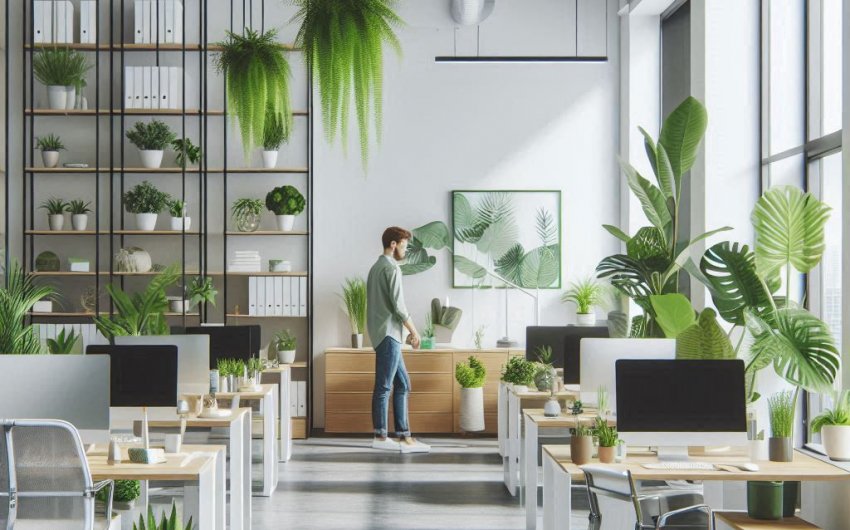
Working in an office can sometimes feel a bit… sterile. White walls, fluorescent lights, and the hum of computers. But what if you could bring a touch of nature indoors? What if your workspace could be a little greener, a little more alive? That’s where office-friendly houseplants come in!
Bringing plants into your office isn't just about making the space look nice. It's about creating a better, healthier environment for everyone. Think about it: fresh air, a pop of color, and even a little bit of stress relief. Sounds pretty good, right?
This guide will walk you through everything you need to know about choosing, caring for, and enjoying office-friendly houseplants. We’ll cover why they're great, which ones are best, and how to keep them thriving even if you’re super busy.
Why Should You Have Office-Friendly Houseplants?
You might be wondering, "Are plants really that big of a deal in an office?" The answer is a resounding YES! There are many fantastic reasons to invite some greenery into your workspace.
Do Plants Make You Happier at Work?
Absolutely! Studies have shown that being around plants can actually boost your mood. Imagine looking up from your computer and seeing a vibrant green leaf instead of a plain wall. It can reduce stress, make you feel more relaxed, and even make you more productive. A touch of nature helps us feel more connected and less cooped up.
Can Plants Really Clean the Air in Your Office?
This is a big one! While they won't replace a fancy air filter, many office-friendly houseplants are known for their ability to help clean the air. They absorb common pollutants like formaldehyde and benzene, which can come from furniture, carpets, and even cleaning products. In return, they release fresh oxygen. It’s like having tiny air purifiers working for you all day long! For busy professionals looking for easy tips to keep their plants thriving, check out this guide on office-friendly houseplants.
Do Plants Help You Focus Better?
They can indeed! A greener environment has been linked to improved concentration and focus. When you're surrounded by natural elements, your brain feels less fatigued. This means you might find yourself thinking more clearly and getting more done. Plus, taking a quick glance at a plant can be a nice mini-break for your eyes from the computer screen.
Can Plants Make Your Office Look More Inviting?
Of course! Plants add a touch of life and beauty to any space. They can soften harsh lines, add color, and make an office feel more welcoming and less sterile. A well-placed plant can transform a drab desk into a vibrant workstation. It shows that thought and care have gone into the environment.
Which Office-Friendly Houseplants Are Best for Low Light?
Not every office is bathed in sunshine. Many workspaces have limited natural light, or maybe your desk is tucked away in a corner. No worries! Plenty of office-friendly houseplants are happy in shadier spots.
What Are Some Super Easy Low-Light Plants?
If your office doesn't get much sun, consider these tough cookies:
- Snake Plant (Sansevieria trifasciata): This plant is almost impossible to kill. It's known for its tall, sword-like leaves and can handle very low light. It also helps clean the air. You can find many varieties, including the popular Snake Plant Laurentii which adds a nice yellow edge to its leaves. A great choice is a small Snake Plant Zeylanica which fits perfectly on a desk.
- ZZ Plant (Zamioculcas zamiifolia): Another champion of neglect, the ZZ plant thrives on low light and infrequent watering. Its waxy, dark green leaves are super shiny and attractive. It stores water in its thick rhizomes, making it very forgiving if you forget to water it. Look for a healthy ZZ Plant in a small pot for your desk.
- Pothos (Epipremnum aureum): This vining plant is incredibly versatile. It comes in many varieties, like Golden Pothos with its yellow variegation or Neon Pothos with bright green leaves. Pothos can tolerate low light, and its trailing vines look great on shelves or hanging baskets. Just make sure to give it a little trim now and then to keep it bushy. A Golden Pothos in a hanging basket can add a lovely touch to an office corner.
- Peace Lily (Spathiphyllum): If you want a plant that flowers in low light, the Peace Lily is your friend. It produces beautiful white blooms and signals when it needs water by drooping its leaves dramatically. Don't worry, it perks right back up after a drink! A small Peace Lily plant is perfect for a desktop.
- Cast Iron Plant (Aspidistra elatior): As its name suggests, this plant is incredibly resilient. It tolerates very low light, irregular watering, and even cool temperatures. Its dark green, leathery leaves are simple but elegant. This is a truly "set it and forget it" plant. Consider a Cast Iron Plant in a decorative pot for a larger office space.
How Much Light is "Low Light" for Plants?
"Low light" usually means a spot where you can read easily during the day without artificial lights, but there's no direct sunlight hitting the plant. It's often an office with north-facing windows, or a desk far away from any window. Even fluorescent office lights can provide some minimal light, but natural light is always better for plants.
What Are the Best Office-Friendly Houseplants for Bright Light?
If your office has big windows and gets plenty of natural light, you have even more options for your office-friendly houseplants! Direct sun can be too much for some plants, but bright, indirect light is usually perfect.
Which Plants Love Bright, Indirect Light?
Here are some excellent choices for a well-lit office:
- Monstera Deliciosa: This plant is a true showstopper! Its large, deeply cut leaves give it a tropical feel. It loves bright, indirect light and can grow quite large, making it a fantastic floor plant. Just make sure it has room to spread out. You can find a beautiful Monstera Deliciosa in a nursery pot that's ready to flourish.
- Fiddle Leaf Fig (Ficus lyrata): While sometimes a bit finicky, the Fiddle Leaf Fig is incredibly popular for its large, violin-shaped leaves. It needs consistent bright, indirect light and doesn't like to be moved around much. If you can give it the right conditions, it's stunning. Start with a smaller Fiddle Leaf Fig plant if you're new to them.
- Spider Plant (Chlorophytum comosum): These classic plants are super easy to care for and look great in hanging baskets or on a shelf. They produce "spiderettes" (baby plants) that you can easily propagate. They prefer bright, indirect light but can tolerate lower light too. A Variegated Spider Plant adds a nice touch of white or cream to its green leaves.
- Rubber Plant (Ficus elastica): Another popular Ficus variety, the Rubber Plant has thick, glossy leaves that come in different colors, including dark green, burgundy, and variegated. It's relatively low-maintenance and loves bright, indirect light. A Burgundy Rubber Plant can add a sophisticated look to your office.
- Chinese Evergreen (Aglaonema): These plants are incredibly varied and beautiful, with leaves that can be green, silver, pink, or red. They are very forgiving and can handle a range of light conditions, but they truly thrive in bright, indirect light. There are many gorgeous varieties like the Aglaonema Red Siam which has stunning pink and red patterns.
What Does "Bright, Indirect Light" Mean?
Bright, indirect light means a spot that gets a lot of natural light, but the sun's rays don't directly hit the plant's leaves. This could be near a window that faces east or west, or a few feet away from a south-facing window. If the light feels too strong, you might see the leaves looking "sunburned" or bleached.
How Do You Care for Office-Friendly Houseplants When You're Busy?
One of the biggest worries about having plants in the office is "What if I forget to water it?" Or "I'm so busy, I don't have time for plant care!" Good news: many office-friendly houseplants are designed for people just like you!
What Are Some Low-Maintenance Watering Tips?
The number one killer of houseplants is usually overwatering, not underwatering! Here's how to keep it simple:
- The Finger Test: Stick your finger about an inch or two into the soil. If it feels dry, it's time to water. If it's still damp, wait a few more days. This is the simplest and most effective method.
- Water Thoroughly, Then Drain: When you do water, give the plant a good soak until water comes out the drainage holes at the bottom. Then, make sure to empty any excess water from the saucer. Plants hate sitting in soggy soil.
- Self-Watering Pots: Consider using a self-watering planter. These clever pots have a reservoir that holds water, and the plant wicks up what it needs. They're a game-changer for busy people.
- Schedule It (Loosely): Instead of daily checks, try to set a loose schedule. Maybe you water all your office plants every Friday morning. Adjust as needed based on the finger test. Some plants like the ZZ plant might only need water every few weeks!
Do Office Plants Need Special Food?
Most office-friendly houseplants don't need a lot of fertilizer, especially if they're not growing very fast.
- Less is More: A general rule for indoor plants is to fertilize less frequently than outdoor plants. Once every 2-4 months during the growing season (spring and summer) is usually enough.
- Dilute It: Use a liquid houseplant fertilizer and dilute it to half strength or even quarter strength. This prevents "burning" the roots.
- Skip Winter: Don't fertilize during the fall and winter months when the plants are less active.
How Do I Keep My Plants Clean and Pest-Free?
Dust can accumulate on plant leaves, blocking light and making them look dull. Pests are rare in offices but can happen.
- Wipe Leaves: Every few weeks, gently wipe the leaves of your plants with a damp cloth. This removes dust and helps the plant absorb light better.
- Check for Pests: When you water, quickly check the underside of leaves and stems for any tiny bugs. If you spot anything, you can usually wipe them off with a damp cloth or use a mild insecticidal soap. A good choice is Neem oil spray, which is organic and safe for indoor use.
- Good Airflow: Make sure your plants aren't crammed together. Good airflow can help prevent some pest issues.
Can I Use Office-Friendly Houseplants to Decorate My Space?
Absolutely! Plants are living decorations. They add texture, color, and a sense of calm to any office environment.
How Can I Arrange Plants for the Best Look?
- Vary Heights: Use plants of different heights. A tall floor plant like a Monstera Deliciosa can anchor a corner, while smaller plants like a Pothos or ZZ Plant can sit on desks or shelves.
- Mix Textures: Combine plants with different leaf shapes and textures. A large-leafed Fiddle Leaf Fig next to a fine-leafed Parlor Palm creates visual interest.
- Group Them: A small cluster of different plants can create a mini indoor garden. Just make sure they all have similar light needs.
- Choose the Right Pots: The pot itself is part of the decoration! Look for stylish ceramic planters or terracotta pots with saucers that match your office decor.
- Hang Them Up: If desk space is limited, consider hanging planters. Trailing plants like Pothos or Spider Plants look fantastic spilling out of hanging baskets.
What About Plants for Cubicles or Small Desks?
Even the smallest cubicle can benefit from a plant!
- Small Footprint Plants: Opt for smaller varieties like a small Snake Plant, a miniature ZZ Plant, or a Pothos that you can train to trail over the edge of your desk.
- Terrariums: A closed terrarium kit can be a fantastic option. It's a self-contained ecosystem that requires very little maintenance once set up.
- Air Plants (Tillandsia): These amazing plants don't even need soil! They absorb nutrients and water from the air. You can place them in decorative holders or just on a small rock. A Tillandsia air plant variety pack is a fun way to start. They only need a misting a couple of times a week or a quick soak every now and then.
Are There Any Office-Friendly Houseplants to Avoid?
While most plants are great additions, some might not be the best fit for an office environment.
Which Plants Are Too Much Work for an Office?
- High-Light Lovers: Plants that need direct, strong sunlight all day (like some succulents or cacti) might struggle unless you have a very specific, sunny spot.
- Very Thirsty Plants: Some plants need daily watering. Unless you have someone dedicated to plant care, these can be hard to maintain in an office where people might be away for days.
- Messy Plants: Plants that drop a lot of leaves or flowers can create extra cleanup.
- Very Sensitive Plants: Some plants are very fussy about temperature changes, drafts, or being moved. An office with fluctuating temperatures or busy foot traffic might stress them out.
Are Any Plants Toxic to Pets or People (in an office setting)?
It's a good idea to be aware of plant toxicity, especially if your office has shared spaces, or if colleagues bring pets to work.
- Common Mildly Toxic Plants: Many popular houseplants like Pothos, Peace Lilies, Philodendrons, and Dieffenbachia contain calcium oxalate crystals. If chewed or ingested, they can cause irritation to the mouth, throat, and stomach. While rarely serious, it's good to be aware.
- Ficus Species (like Fiddle Leaf Fig, Rubber Plant): The sap from these plants can be irritating to skin and can cause digestive upset if ingested.
- Consider Pet-Friendly Options: If there's a chance of pets being in the office (even for a visit), it's best to stick to truly pet-safe plants. Some great options include Prayer Plant (Maranta leuconeura), Boston Fern (Nephrolepis exaltata), or Christmas Cactus (Schlumbergera). These are generally safe for curious critters.
Always do a quick check on a plant's toxicity if you're unsure, especially if you have a shared workspace.
What Are Some Unique Office-Friendly Houseplants to Try?
Ready to go beyond the basics? There are some fantastic lesser-known plants that make great office-friendly houseplants and can add a unique touch.
What Are Some Interesting and Easy-Care Options?
- Rattlesnake Plant (Calathea lancifolia): This plant has beautiful, wavy leaves with striking patterns on top and a rich purple underside. They are known for moving their leaves up at night and down during the day, like they're "praying." They prefer consistent humidity but are generally low-light friendly. A Calathea Rattlesnake plant can add a touch of exotic beauty.
- Stromanthe Triostar: Similar to Calathea, the Stromanthe Triostar boasts incredible variegated leaves with shades of green, cream, and pink/red. It's a real showstopper and fairly easy to care for in bright, indirect light with good humidity. A Stromanthe Triostar plant is sure to spark conversation.
- Haworthia (Zebra Plant): These small, succulent-like plants are perfect for a desk. They have thick, spiky leaves often with interesting white stripes or dots, resembling miniature aloe plants. They are extremely drought-tolerant and need very little water. A Haworthia Zebra plant is a great, compact choice.
- Peperomia Species: There's a huge variety of Peperomias, from the plump leaves of Peperomia Obtusifolia to the textured leaves of Peperomia Caperata. They are generally compact, easy to care for, and don't need much light or water. Look for a Peperomia plant variety pack to find your favorite.
- Parlor Palm (Chamaedorea elegans): This classic palm is perfect for offices because it tolerates lower light conditions better than most palms. It adds an elegant, tropical touch without getting too huge. A Parlor Palm plant is a graceful addition to any office corner.
Should I Consider Artificial Light for My Office-Friendly Houseplants?
While natural light is always preferred, sometimes it's just not enough. If your office is particularly dim, or you want to give your plants an extra boost, artificial grow lights can be a great solution for your office-friendly houseplants.
When Do Grow Lights Help Office Plants?
- Very Low Natural Light: If your plants are struggling in a windowless office or a very dark corner.
- Boost Growth: To encourage faster growth, especially during the darker winter months.
- Specific Plant Needs: Some plants, even "low light" ones, will simply thrive more with a little extra light.
What Kind of Grow Lights Work Best in an Office?
You don't need huge, bulky grow lights for most office-friendly houseplants.
- LED Grow Lights: These are energy-efficient and don't produce much heat, making them safe for office environments. Many come in sleek, full-spectrum LED grow light designs that blend in easily.
- Clip-On or Desk Lamps: You can find small clip-on grow lights that attach directly to your desk or a shelf, or even small grow light bulbs that fit into regular desk lamps.
- Timers: To make it easy, use a grow light timer. Set it for 8-12 hours a day, and your plants will get consistent light without you having to remember to turn it on and off.
- Placement: Position the light a few inches to a foot above your plant, depending on the light's strength and the plant's needs. Watch your plant's reaction; if leaves look stressed or bleached, move the light further away.
How Can I Make My Office More Humid for My Plants?
Office air can often be very dry, especially with air conditioning or heating running constantly. Many office-friendly houseplants, especially those with thinner leaves or tropical origins, appreciate higher humidity.
What Are Easy Ways to Increase Humidity?
- Pebble Trays: Place a layer of pebbles in a shallow tray, add water to just below the top of the pebbles, and set your potted plant on top. As the water evaporates, it creates a more humid microclimate around the plant. You can buy pebble trays for plants or make your own.
- Group Plants Together: Plants naturally release some moisture into the air. Grouping several plants together can create a slightly more humid environment for all of them.
- Misting (with caution): Lightly misting the leaves with a fine mist spray bottle can provide a temporary humidity boost. However, don't rely on misting as your only humidity solution, as the effect is short-lived, and too much lingering water on leaves can sometimes lead to fungal issues. Mist in the morning so leaves dry by evening.
- Small Humidifier: For very dry offices or if you have many humidity-loving plants, a small, personal desk humidifier can make a big difference. Choose one that's quiet and fits your space.
What Are Some Common Problems with Office-Friendly Houseplants and How to Fix Them?
Even with the best intentions, plants can sometimes show signs of distress. Don't worry, most problems are easy to fix!
Why Are My Plant's Leaves Turning Yellow?
- Overwatering (Most Common): This is the number one reason for yellowing leaves. Too much water suffocates the roots. Check the soil, let it dry out more between waterings, and ensure good drainage.
- Underwatering: Less common, but extremely dry soil can also cause yellowing and crispy leaves. Give it a good soak.
- Lack of Nutrients: If older, lower leaves are yellowing, it could be a sign your plant needs some fertilizer.
- Normal Aging: Sometimes, older leaves just naturally yellow and fall off. This is normal.
Why Are My Plant's Leaves Turning Brown and Crispy?
- Underwatering: The most likely cause. The plant isn't getting enough moisture to its leaves. Water more frequently, or thoroughly when you do water.
- Low Humidity: Especially for tropical plants, dry air can cause crispy leaf edges. Try a pebble tray or humidifier.
- Too Much Direct Sun: If your plant is getting too much direct sunlight, it can "burn" the leaves, making them crispy and brown. Move it to a spot with indirect light.
Why Are My Plant's Leaves Drooping or Wilting?
- Underwatering: This is often a dramatic plea for water! Check the soil; if it's bone dry, give it a good drink. Many plants will perk up within a few hours.
- Overwatering: While less common for drooping, sometimes root rot from overwatering can make leaves wilt because the roots can't take up water properly. The soil will likely be soggy.
- Temperature Stress: Sudden cold drafts or very hot air from vents can cause plants to droop. Move the plant away from vents or drafty windows.
What Should I Do About Pests on My Office Plant?
- Identify First: Look closely to see what kind of pest it is (e.g., tiny white spots, sticky residue, small flying bugs).
- Isolation: If possible, move the infested plant away from other plants to prevent the pests from spreading.
- Wipe Them Off: For minor infestations, simply wipe pests off with a damp cloth or cotton swab dipped in rubbing alcohol.
- Insecticidal Soap/Neem Oil: For more persistent pests, use an insecticidal soap spray or Neem oil solution following the product instructions. Apply it to the top and bottom of leaves.
- Prevention: Healthy plants are more resistant to pests. Good watering, proper light, and regular cleaning of leaves can help prevent issues.