
Houseplants Gardening Tips and Plant Care
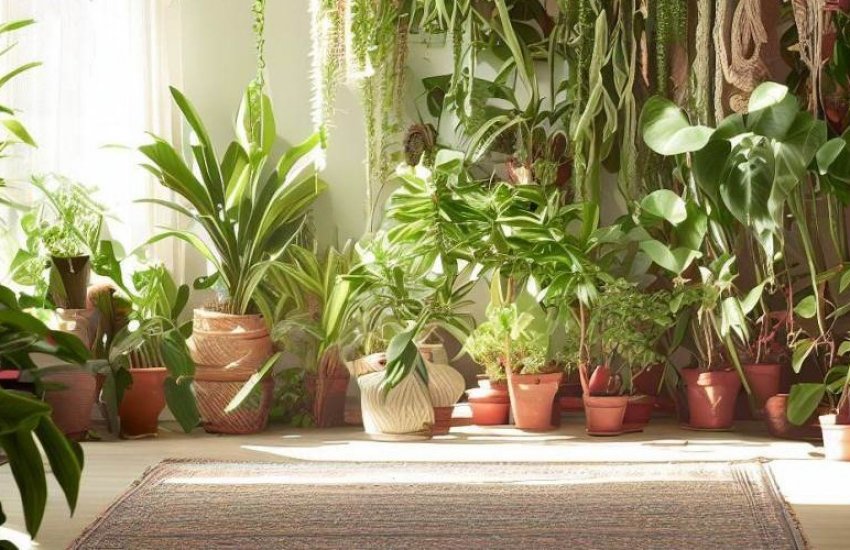
Houseplants bring life, beauty, and fresh air into your home, creating vibrant spaces that uplift your mood and enhance your decor. In our Houseplants category at GardenBotany.com, you'll find easy-to-follow guides and practical tips for choosing, growing, and caring for indoor plants, whether you're a first-time plant parent or a seasoned indoor gardener. Discover the best plants for your space, troubleshoot common issues like pests or watering problems, and learn proven techniques to keep your houseplants thriving, healthy, and beautiful all year round.
Recent Posts of Houseplants - Gardening Ideas
-

DIY Plant Cabinet for Houseplants
A DIY plant cabinet for houseplants transforms an ordinary piece of furniture into a specialized indoor greenhouse, offering precise control over light, humidity, and temperature. To create one, you typically repurpose a glass-door cabinet, then install grow lights, fans for air circulation, and potentially a humidifier to create an optimal environment for tropical plants to thrive.
-
Houseplant Pest Control Naturally: A Comprehensive Guide
For effective houseplant pest control naturally, prioritize prevention through regular inspection, proper plant hygiene, and immediate quarantine of new plants. When pests appear, employ non-toxic methods like physical removal, insecticidal soaps, neem oil, or beneficial insects, ensuring consistent treatment to break pest life cycles.
-
Terrarium Plant Care Tips for Beginners
Terrarium plant care for beginners focuses on understanding the specific environment of either a closed or open terrarium, selecting appropriate plants, and managing light and watering to maintain a balanced, healthy miniature ecosystem. The key is to avoid overwatering and provide indirect light.
-
Advertisement
-
Hoya Plants Indoors: A Complete Care Guide
Caring for Hoya plants indoors involves providing them with abundant bright, indirect light, using a well-draining, airy potting mix, and allowing the soil to dry out almost completely between waterings. These delightful vining succulents are known for their beautiful foliage and often fragrant, star-shaped flowers with proper care.
-
How to Grow Monsteras in Apartment?
To grow Monsteras in an apartment, provide them with abundant bright, indirect light, a well-draining potting mix, and consistent moisture while allowing the topsoil to dry between waterings. Offer vertical support, like a moss pole, to encourage mature growth and their signature fenestrations.
-
how to grow string of pearls indoors
To grow String of Pearls indoors successfully, provide it with plenty of bright, indirect light, use a well-draining cactus or succulent potting mix, and water sparingly, allowing the soil to dry out completely between waterings to prevent root rot. This unique succulent thrives on neglect rather than overcare.
-
Caring for Orchids Indoors: A Beginner Guide
Caring for orchids indoors as a beginner primarily involves understanding their need for bright, indirect light, appropriate watering (allowing media to dry between waterings), and using the correct well-draining potting mix. The most common orchid, the Phalaenopsis, is forgiving and an excellent choice for new growers.
-
How to Propagate Succulents Indoors (Air Plants)?
Propagating succulents indoors, specifically air plants (Tillandsia), primarily involves separating "pups" or offsets that emerge from the base of the mother plant after it blooms. These pups can be gently detached once they are at least one-third to half the size of the parent, then cared for as new individual plants.
-
How to Propagate Pothos in Water?
To propagate Pothos in water, you need to take stem cuttings that include at least one node (where a leaf meets the stem or a root will emerge). Place these cuttings in a container of fresh water in a bright, indirect light location, changing the water weekly until roots are at least 1-2 inches long.
-
Discover Rare Indoor Plants to Grow at Home
To grow rare indoor plants at home, begin by researching their specific environmental needs, including light, humidity, and watering, as these are often more particular than common houseplants. Source plants from reputable growers or specialized online nurseries, and be prepared to provide a stable, controlled indoor environment to ensure their success.


