
What Are the Common Pests or Diseases of a Peace Lily?
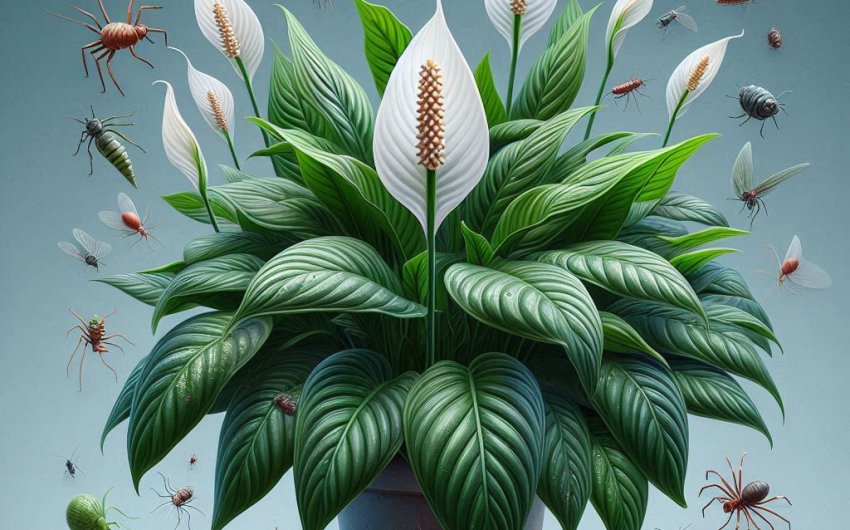
Peace Lilies (Spathiphyllum) are incredibly popular houseplants, cherished for their elegant white "flowers" (which are actually modified leaves called spathes) and glossy green foliage. They're often seen as easy-care plants, capable of tolerating a range of indoor conditions, including lower light. Many people love them for their air-purifying qualities and the serene beauty they bring to a room. While generally robust, even these graceful plants can sometimes encounter issues with pests or diseases.
Understanding the common problems that might affect your Peace Lily is the first step to keeping it healthy and thriving. Early detection can make a big difference in how easily you can solve an issue. Most problems stem from incorrect watering, lighting, or humidity, but sometimes tiny invaders or unseen fungi can also cause trouble. Knowing what to look for and how to respond will help you maintain your beautiful Peace Lily for years to come. Let's explore the most frequent pests and diseases that can bother your beloved plant.
What Are the Most Common Pests Affecting Peace Lilies?
Peace Lilies can sometimes attract small insect pests, especially if the environmental conditions are favorable for them. Spotting them early is crucial for successful treatment.
Spider Mites: Tiny Weavers of Trouble
Spider mites are one of the most common pests for many houseplants, including Peace Lilies. They are tiny, often red or brown, and look like specks of dust.
- Signs of Infestation: You might first notice fine webbing on the undersides of leaves or where the leaves meet the stem. Leaves might also develop tiny yellow or white spots (stippling) and start to look dull or discolored. Severe infestations can cause leaves to turn bronze or yellow and eventually drop off.
- Conditions They Like: Spider mites thrive in hot, dry conditions. Low humidity in your home can make your Peace Lily more susceptible to them.
- Treatment:
- Isolation: Immediately move the infested plant away from other plants to prevent spread.
- Shower: Give your plant a good shower. Blast the leaves (especially the undersides) with a strong stream of water to knock off as many mites as possible.
- Insecticidal Soap or Neem Oil: After showering, spray the plant thoroughly with an insecticidal soap spray or Neem oil for plants. Make sure to cover all leaf surfaces, top and bottom. Repeat every 5-7 days for several weeks to break their life cycle. You can find Bonide Insecticidal Soap.
- Increase Humidity: Raising the humidity around your plant can help prevent future infestations. Use a pebble tray or a humidifier.
Mealybugs: Cottony White Pests
Mealybugs are soft-bodied, oval-shaped insects that appear as fluffy, white, cottony masses. They typically gather in leaf axils (where the leaf stem meets the main stem), on the undersides of leaves, or along veins.
- Signs of Infestation: You'll see the distinct white, fuzzy masses, often accompanied by sticky honeydew (a sugary substance they excrete) on the leaves or surrounding surfaces. This honeydew can also lead to sooty mold, a black fungal growth. Leaves may yellow, wilt, or become distorted.
- Conditions They Like: They can appear on plants that are stressed or kept in warm, stagnant conditions.
- Treatment:
- Isolation: Separate the affected Peace Lily.
- Manual Removal: For light infestations, dip a cotton swab in rubbing alcohol (70% isopropyl alcohol) and directly wipe away each mealybug and their white masses.
- Insecticidal Soap or Neem Oil: For heavier infestations, thoroughly spray the entire plant with insecticidal soap or Neem oil. Again, multiple applications every 7-10 days are usually necessary to catch newly hatched mealybugs.
- Pruning: In severe cases, it might be best to prune off heavily infested leaves or stems.
Aphids: Small Sap-Suckers
Aphids are tiny, pear-shaped insects that can be green, black, brown, or even pink. They usually cluster on new growth, young leaves, and flower buds.
- Signs of Infestation: You'll see visible clusters of aphids, sticky honeydew, and possibly distorted or yellowing new leaves.
- Conditions They Like: They often appear on stressed plants or those with new, tender growth that they love to feed on.
- Treatment:
- Water Blast: A strong spray of water can dislodge many aphids. Repeat daily.
- Insecticidal Soap: Spray the plant with insecticidal soap, ensuring thorough coverage. Repeat as directed until they are gone.
- Neem Oil: Neem oil is also effective against aphids and works well as a preventative. You can get Garden Safe Insecticidal Soap.
Scale: The Armored Pests
Scale insects are tiny, immobile pests that look like small, brown, black, or reddish bumps on stems and leaves. They secrete a protective waxy shell, which makes them harder to treat.
- Signs of Infestation: You'll see the raised, waxy bumps that don't rub off easily. Like mealybugs, they produce sticky honeydew, which can lead to sooty mold. Yellowing leaves and stunted growth are also signs.
- Conditions They Like: Often introduced on new plants or when plants are brought indoors after being outside.
- Treatment:
- Manual Removal: For light infestations, carefully scrape off the scale insects with your fingernail or a soft brush. You can also use a cotton swab dipped in rubbing alcohol to dab each scale.
- Systemic Insecticides: Because of their protective shell, systemic insecticides (which the plant absorbs and the pests ingest when feeding) are often more effective. However, these should be used with caution, especially indoors. Always follow product instructions carefully.
- Neem Oil: Consistent application of Neem oil can disrupt their life cycle and eventually eliminate them, especially for younger, unprotected scale insects.
What Are the Most Common Diseases Affecting Peace Lilies?
Peace Lilies are generally hardy, but they can fall victim to diseases, often due to improper care, especially watering.
Root Rot: The Silent Killer
Root rot is by far the most common and serious disease affecting Peace Lilies. It's caused by overwatering or poor drainage, which leads to the roots sitting in soggy soil and suffocating.
- Cause: Excess water deprives the roots of oxygen, allowing harmful fungi and bacteria to thrive and attack the roots.
- Signs of Root Rot:
- Yellowing leaves: Often, older leaves turn yellow first, but the entire plant can yellow.
- Wilting: Paradoxically, the plant will wilt even though the soil is wet, because the damaged roots can't take up water.
- Mushy stem base: The base of the stem might feel soft and mushy.
- Foul smell: The soil might have a strong, unpleasant smell.
- Dark, mushy roots: When you inspect the roots, they will be dark brown or black and soft or mushy, instead of firm and white.
- Treatment:
- Act Quickly: If you suspect root rot, act immediately.
- Remove from Pot: Carefully take the plant out of its pot.
- Rinse Roots: Gently rinse the soil off the roots under lukewarm running water.
- Prune Damaged Roots: Using clean, sharp scissors or pruning shears, cut away all dark, mushy, or foul-smelling roots. Trim back to healthy, firm root tissue.
- Repot: Repot the Peace Lily into a clean pot (or a sterilized old one) with fresh, well-draining potting mix. A mix specifically for aroids or with added perlite works well. Ensure the pot has drainage holes.
- Adjust Watering: After repotting, water sparingly. Only water when the top 2-3 inches of soil are dry. This is the most crucial step to prevent recurrence. A soil moisture meter can be very helpful.
Leaf Spot Diseases (Fungal or Bacterial)
Various fungi or bacteria can cause leaf spot diseases on Peace Lilies, especially in conditions of high humidity combined with poor air circulation or wet leaves.
- Signs of Leaf Spot: You'll see distinct spots on the leaves. These can vary:
- Brown spots with yellow halos.
- Black spots.
- Water-soaked lesions.
- Spots might enlarge and merge, leading to leaf dieback.
- Conditions They Like: Overwatering, overhead watering that keeps leaves wet for too long, high humidity without good airflow, and cramped conditions.
- Treatment:
- Remove Affected Leaves: Prune off any severely affected leaves to prevent the spread of spores. Dispose of them away from other plants.
- Improve Air Circulation: Ensure good airflow around the plant. Don't crowd plants together.
- Adjust Watering: Water the soil directly, avoiding getting water on the leaves, especially in the evening.
- Fungicide: For persistent fungal spots, a copper-based fungicide or a general houseplant fungicide can be applied according to package directions. You can find Garden Safe Fungicide.
Powdery Mildew: White Powdery Coating
Powdery mildew is a fungal disease that appears as a white, powdery coating on the surfaces of leaves, stems, and sometimes even the spathes.
- Signs of Powdery Mildew: The most obvious sign is the white, flour-like patches. Severely affected leaves may become distorted, yellow, and eventually die.
- Conditions They Like: High humidity with poor air circulation, and often a sudden drop in temperature.
- Treatment:
- Improve Airflow: Increase air circulation around the plant.
- Remove Affected Parts: Prune off and discard any heavily infected leaves.
- Baking Soda Spray: A homemade spray of 1 teaspoon baking soda mixed with 1 quart of water and a few drops of mild dish soap can be effective. Spray both sides of the leaves every 7-10 days.
- Neem Oil or Fungicide: Neem oil can also help prevent and treat powdery mildew. For stubborn cases, a specific fungicide for powdery mildew may be necessary.
What Environmental Factors Stress Peace Lilies and Make Them Vulnerable?
Often, pest infestations and diseases are a symptom of an underlying issue: stress. Understanding what stresses your Peace Lily can help prevent problems before they start.
Incorrect Watering: The Biggest Culprit
As mentioned, overwatering is the leading cause of root rot. But underwatering can also stress your Peace Lily, making it weaker and more prone to issues.
- Overwatering: Causes soggy soil, leading to root rot. Symptoms are wilting despite wet soil, yellowing leaves, and a soft base. Always check the soil moisture before watering.
- Underwatering: Causes the plant to wilt dramatically (its signature "droop"). While Peace Lilies are famous for this dramatic wilting as a sign they need water, consistent severe underwatering stresses the plant and can lead to crispy leaf edges or tips. The plant usually perks right up after a good drink. The goal is to water before it gets to this point of extreme wilting. Use a long-spout watering can to water thoroughly.
Inadequate Light: Too Much or Too Little
Peace Lilies prefer bright, indirect light. Both too much and too little light can cause stress.
- Too Much Light (Direct Sun): Direct sunlight can scorch their leaves, causing yellowing leaves with brown spots or crisp edges. The leaves might also look bleached. Move your plant further away from the window or use sheer curtains to diffuse the light.
- Too Little Light: In very low light, Peace Lilies will produce fewer (or no) flowers, and their growth will be slow. Leaves might appear pale green or yellow due to lack of energy from photosynthesis. While they tolerate low light, they prefer medium to bright indirect light to thrive and flower. If your room is too dark, consider adding a small grow light.
Low Humidity: Dry Air Problems
Being tropical plants, Peace Lilies love high humidity. Dry air can stress them, leading to specific problems.
- Symptoms of Low Humidity: Brown leaf tips and edges are a classic sign of low humidity. This also makes them more susceptible to spider mites.
- Solutions:
- Humidifier: Place a room humidifier nearby.
- Pebble Tray: Place the pot on a tray filled with pebbles and water (ensure the pot doesn't sit directly in the water).
- Grouping Plants: Grouping several plants together can create a localized area of higher humidity.
- Misting: While misting provides a temporary humidity boost, it's not a long-term solution and can contribute to fungal leaf spots if leaves stay wet for too long.
Temperature Extremes: Too Hot or Too Cold
Peace Lilies prefer consistent temperatures between 65-80°F (18-27°C). Sudden drops or extreme heat can harm them.
- Cold Drafts: Exposure to cold drafts (from open windows, air conditioning vents) can cause leaves to wilt, blacken, or develop dark spots. Avoid placing them near drafty areas.
- High Heat: While they tolerate warmth, excessive heat combined with low humidity can cause stress and lead to wilting or crispy leaves.
Nutrient Deficiencies or Excesses: Fertilizer Issues
While less common than watering issues, incorrect fertilization can also cause problems.
- Nutrient Deficiency: Pale, yellowing leaves can sometimes indicate a lack of nutrients. Peace Lilies are not heavy feeders.
- Fertilizer Burn: Too much fertilizer can cause the leaf tips and edges to turn brown and crispy. This is called fertilizer burn. Always dilute liquid fertilizer to half strength and only fertilize during the growing season (spring and summer), about once a month. Use a balanced liquid houseplant fertilizer, like Miracle-Gro Indoor Plant Food. Flush the soil with clear water if you suspect fertilizer burn.
How Can You Prevent Pests and Diseases in Your Peace Lily?
Prevention is always easier than cure when it comes to plant health. A few consistent practices can keep your Peace Lily happy and minimize problems.
Good Watering Practices
This is the most critical prevention step.
- Check Before You Water: Always feel the soil. Water only when the top 2-3 inches of soil feel dry to the touch. Don't water on a schedule; water when the plant needs it.
- Thorough Watering with Drainage: When you do water, water thoroughly until water drains out of the bottom of the pot. Always use a pot with drainage holes. Empty any excess water from the saucer promptly.
- Avoid Soggy Soil: Ensure your potting mix is well-draining. You can add perlite or bark to a standard potting mix to improve drainage.
Proper Lighting and Placement
- Bright, Indirect Light: Place your Peace Lily in a spot that receives bright, indirect light. This means near a window, but not where direct sun rays hit the leaves. North or east-facing windows are often ideal.
- Avoid Extremes: Keep your plant away from direct drafts from vents or open windows, and direct heat sources.
Maintain Good Humidity
- Increase Humidity: Use a humidifier, pebble tray, or group plants together, especially during dry winter months. This helps prevent dry leaf tips and reduces the likelihood of spider mite infestations.
Good Air Circulation
- Avoid Crowding: Don't cram your Peace Lily too closely with other plants. Good airflow helps prevent fungal diseases like leaf spot and powdery mildew.
- Gentle Breeze: A gentle fan in the room can help with air circulation, but avoid direct strong blasts of air.
Regular Inspection and Cleaning
- Daily Check-ins: Take a few moments each day or every other day to quickly look over your plant. Check the tops and undersides of leaves, and the soil surface. Early detection of pests or disease symptoms is key.
- Wipe Leaves: Dust accumulates on leaves and can hinder photosynthesis. Regularly wipe down the leaves with a damp cloth. This also helps you spot pests early. A clean plant is a healthy plant.
Quarantine New Plants
- Isolate New Arrivals: Whenever you bring a new plant home, keep it separate from your existing collection for at least 2-4 weeks. This "quarantine" period allows you to monitor for any hidden pests or diseases that might hitchhike in. If problems appear, you can treat the new plant without risking your entire collection.
By paying attention to these crucial care points, you can provide an optimal environment for your Peace Lily, significantly reducing its chances of falling victim to common pests or diseases, and allowing it to flourish and bring beauty to your home for years to come.