
Are Snake Plants Toxic to Pets?
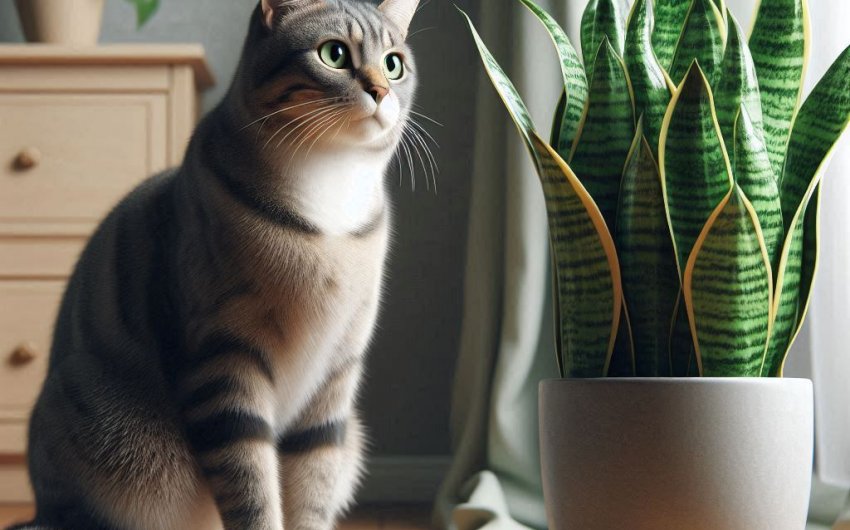
Snake plants (Sansevieria trifasciata, now Dracaena trifasciata) are super popular houseplants. You see them everywhere! They're tough, easy to care for, and look great in any home with their tall, upright leaves. They can handle low light, don't need much water, and even clean the air. It's no wonder so many people love them. But if you have furry friends running around, a big question often comes up: Are snake plants toxic to pets? This is a really important thing to know for dog and cat owners. Let's dig into the details and find out how to keep your pets safe.
What Exactly Is a Snake Plant?
Before we talk about toxicity, let's get to know the snake plant a little better. You might also hear it called Mother-in-Law's Tongue, Viper's Bowstring Hemp, or St. George's Sword.
What Makes Snake Plants So Popular?
- Easy Care: They are known for being almost impossible to kill. They thrive on neglect, making them perfect for busy people or new plant parents.
- Air Purifiers: NASA studies famously showed that snake plants can help remove toxins from the air, like benzene, formaldehyde, trichloroethylene, xylene, and toluene. This makes them a great natural air filter for your home.
- Stylish Look: Their sword-like leaves stand tall and straight, adding a modern, architectural touch to any room. They come in many varieties with different patterns and colors.
- Low Light Tolerant: While they do best in bright, indirect light, they can happily survive in very low-light conditions, which is a huge plus for many homes.
- Drought Tolerant: They store water in their leaves, so they don't need frequent watering. In fact, overwatering is usually what kills them.
Different Kinds of Snake Plants
There are many types of Sansevieria, all with similar toxic properties:
- Sansevieria trifasciata 'Laurentii': This is the classic snake plant with green leaves and yellow margins.
- Sansevieria cylindrica (Cylindrical Snake Plant): Features round, stiff leaves.
- Sansevieria hahnii (Bird's Nest Sansevieria): A smaller, rosette-forming variety.
- Sansevieria masoniana (Whale Fin Sansevieria): Known for its single, very wide leaf.
No matter the variety, if it's a snake plant, the same rules about toxicity generally apply. You can find beautiful snake plant varieties from plant retailers online.
Is the Snake Plant Toxic to Pets? The Short Answer.
Yes, snake plants are toxic to pets. They are not usually deadly, but they can cause some unpleasant symptoms if eaten by curious cats or dogs.
What Makes Snake Plants Toxic?
Snake plants contain chemical compounds called saponins (specifically, steroidal saponins).
- Natural defense: Saponins are part of the plant's natural defense system. They make the plant taste bitter, which discourages animals from eating too much of it.
- Irritation: When ingested, saponins can cause irritation to the mouth, throat, and digestive system. This irritation is what leads to the symptoms pets show.
Is It Toxic to Dogs?
Yes, snake plants are toxic to dogs. If your dog chews on or eats parts of a snake plant, they can experience mild to moderate symptoms. It's rare for a dog to eat enough to cause severe issues, thanks to the bitter taste, but it's still a concern.
Is It Toxic to Cats?
Yes, snake plants are toxic to cats. Cats are often more curious about plants than dogs, and they might enjoy batting at the long, stiff leaves. If they chew on them, they can get sick. As with dogs, severe poisoning is uncommon.
What Are the Symptoms of Snake Plant Poisoning in Pets?
If your pet has munched on your snake plant, here's what to look out for. The symptoms are usually digestive.
Common Symptoms in Dogs and Cats
- Vomiting: This is the most common symptom. The saponins irritate the stomach lining, causing the pet to throw up. You might see plant pieces in the vomit.
- Diarrhea: Loose stools or diarrhea can also occur due to digestive upset.
- Nausea/Loss of Appetite: Your pet might seem unwell, drool more than usual, or refuse to eat.
- Oral Irritation: You might notice signs of discomfort in their mouth, such as pawing at their mouth, excessive drooling, or red gums. The bitter taste and irritating saponins can cause this.
- Lethargy (Mild): They might seem a bit tired or less energetic than usual.
Are Symptoms Usually Severe?
No, symptoms are generally mild to moderate. The bitter taste of the saponins usually stops pets from eating large amounts of the plant. This is a good thing, as it limits their exposure. Fatalities or severe long-term damage from snake plant ingestion are extremely rare. Most pets recover fully with supportive care.
When to Call the Vet
While severe poisoning is rare, it's always best to be safe. Contact your veterinarian or an emergency vet clinic immediately if:
- You know your pet ate a significant amount of the plant.
- Your pet is showing any symptoms, especially repeated vomiting or severe lethargy.
- You have a very young, old, or otherwise sick pet, as they might be more sensitive.
- You are unsure about the plant or the severity of the ingestion.
It's helpful to have the ASPCA Animal Poison Control Center phone number handy: \(1\)-\(888\)-\(426\)-\(4435\). (Note: A consultation fee may apply.)
What Should I Do If My Pet Eats a Snake Plant?
Stay calm! Here's a step-by-step guide on how to react if you suspect your pet has ingested a snake plant.
1. Remove Access to the Plant
Immediately move the plant out of your pet's reach. Clean up any fallen leaves or chewed pieces to prevent further ingestion.
2. Assess the Situation
- How much did they eat? Try to estimate if it was just a nibble or a larger amount.
- What symptoms are they showing? Note any vomiting, drooling, lethargy, etc.
- What kind of pet is it? Age, size, and existing health conditions can affect their reaction.
3. Contact Your Veterinarian
- Call your vet: Even if symptoms are mild, it's always best to call your veterinarian. They can advise you on the best course of action based on your specific pet and the situation.
- Be prepared with information: Tell them the type of plant, how much you think was eaten, when it happened, and what symptoms your pet is showing.
- Do NOT induce vomiting unless instructed: Never try to make your pet vomit without specific instructions from a vet. It can sometimes do more harm than good.
4. Follow Vet's Instructions
Your vet might recommend:
- Monitoring at home: For very mild cases, they might advise you to watch your pet closely for symptoms.
- Bringing your pet in: For more significant ingestion or clear symptoms, they may ask you to bring your pet to the clinic.
- Supportive care: If vomiting is severe, your vet might give anti-nausea medication or IV fluids to prevent dehydration.
Most pets recover fully from snake plant ingestion with appropriate care.
How Can I Keep My Pets Safe from Snake Plants?
The best approach is always prevention. Here are some smart ways to enjoy your snake plants without putting your pets at risk.
1. Place Plants Out of Reach
This is the most straightforward and effective method.
- High shelves: Place your snake plants on tall bookshelves, mantels, or high plant stands where curious paws can't reach. A sturdy plant stand for high places can be a great investment.
- Hanging planters: Use hanging planters if you have suitable spots. Make sure they are securely anchored and out of jumping range. Consider a robust hanging planter for safety.
- Rooms with limited pet access: Keep your snake plants in rooms where your pets are not allowed or supervised, such as a home office or guest room.
2. Deterrence Strategies
If moving the plant isn't an option, try to make it less appealing.
- Bitter sprays: You can spray the plant leaves with a bitter apple spray (available at pet stores) which tastes unpleasant to most pets and discourages chewing. Reapply regularly. Find a good bitter apple spray for pets.
- Foil or gravel: Place aluminum foil or large, uncomfortable pebbles/rocks on top of the soil. Some pets are deterred by the texture or noise.
- Sprinkle citrus peels: Pets often dislike the smell of citrus. Place fresh orange, lemon, or grapefruit peels on the soil around the plant. Replace them often.
3. Provide Safe Alternatives
Sometimes, pets chew on plants out of boredom or a need to chew.
- Cat grass: For cats, providing a pot of cat grass (like wheatgrass or oat grass) can satisfy their urge to chew on greens, redirecting them from your houseplants. You can easily grow your own cat grass seeds.
- Chew toys: Ensure your dog has plenty of appropriate chew toys to keep them occupied.
- Enrichment: Engage your pets with regular playtime, walks, and mental stimulation to reduce boredom.
4. Supervision and Training
- Supervise new plants: When you bring a new plant home, supervise your pet around it to see if they show interest.
- Positive reinforcement: If your pet goes near the plant, redirect them with a toy or treat. Praise them when they choose appropriate chewing alternatives.
- Consistent "Leave It" command: Teach your dog the "leave it" command to discourage them from going near off-limits items.
What Other Common Houseplants Are Toxic to Pets?
It's a good idea to know about other popular houseplants that can be harmful to your furry friends. Always research a plant before bringing it home if you have pets.
Common Toxic Houseplants
- Lilies (especially true lilies): Highly toxic to cats, even small amounts can cause kidney failure. Varieties like Easter lily, Tiger lily, Daylily, and Asiatic lily are extremely dangerous.
- Pothos (Devil's Ivy): Contains calcium oxalates, which cause irritation similar to snake plants (oral irritation, vomiting).
- Philodendron: Also contains calcium oxalates, similar symptoms to Pothos.
- Dumb Cane (Dieffenbachia): Contains calcium oxalates. Can cause intense oral irritation, swelling, and difficulty swallowing.
- Sago Palm: Extremely toxic, especially the seeds. Can cause severe vomiting, diarrhea, liver failure, and even death.
- Aloe Vera: Contains saponins (like snake plants) and anthraquinones, which can cause vomiting, diarrhea, and lethargy.
- Jade Plant (Crassula ovata): Can cause vomiting, depression, and incoordination.
- ZZ Plant (Zamioculcas zamiifolia): Contains calcium oxalates, causing similar irritation to Pothos.
- Peace Lily: Contains calcium oxalates, causing oral irritation and digestive upset.
- Autumn Crocus: Highly toxic, affecting multiple organ systems.
- Azaleas and Rhododendrons: Highly toxic, affecting cardiovascular and central nervous systems.
Where Can I Find Reliable Information?
- ASPCA Plant List: The ASPCA (American Society for the Prevention of Cruelty to Animals) has an excellent, comprehensive list of toxic and non-toxic plants for pets. This is a highly recommended resource. You can search their website for specific plants.
- Pet Poison Helpline: Another valuable resource for immediate advice.
- Your Veterinarian: Always your first point of contact for any concerns about your pet's health.
What Are Some Safe Houseplant Alternatives for Pet Owners?
If you're worried about snake plant toxicity and want to be extra cautious, or if your pet is a persistent plant chewer, here are some beautiful and safe pet-friendly houseplant alternatives.
Popular Non-Toxic Houseplants
- Spider Plant (Chlorophytum comosum): Super easy to care for, produces "spiderettes," and is completely safe for pets. A popular spider plant for homes.
- Boston Fern (Nephrolepis exaltata): Lush and green, adds a classic touch, and is non-toxic.
- Areca Palm (Dypsis lutescens): A beautiful, larger palm that adds a tropical feel and is safe for pets.
- Christmas Cactus (Schlumbergera bridgesii): Offers vibrant blooms in winter and is non-toxic.
- African Violet (Saintpaulia): Pretty flowering plant that's safe.
- Prayer Plant (Maranta leuconeura): Has striking foliage that "prays" at night, and is pet-friendly.
- Haworthia (Zebra Plant): A small succulent with interesting patterns, often mistaken for a mini aloe, but it's safe.
- Polka Dot Plant (Hypoestes phyllostachya): Colorful leaves and non-toxic.
- Money Tree (Pachira aquatica): A popular feng shui plant that's safe for pets. You can find beautiful money trees online.
- Orchids (Phalaenopsis orchids): The popular moth orchids are non-toxic.
While snake plants are indeed toxic to pets due to their saponin content, they are usually only mildly harmful, causing digestive upset. Serious cases are rare. By understanding the risks, knowing the symptoms, and taking simple preventive measures like placing plants out of reach or using deterrents, you can safely enjoy the beauty and air-purifying benefits of your snake plant while keeping your beloved furry companions happy and healthy. And if you're ever in doubt, there are plenty of gorgeous pet-friendly houseplant alternatives to choose from!